
Global Warming Trends: 2025 Marks Third-Hottest Year on Record

In This Article
HIGHLIGHTS
- 2025 was the third-hottest year on record, with temperatures 1.44C above pre-industrial levels, despite La Niña's cooling influence.
- The last three years have been the warmest ever, with 2024 being the hottest, surpassing the 1.5C warming threshold set by the Paris Agreement.
- Scientists warn that continued greenhouse gas emissions will lead to more extreme weather events and further temperature records.
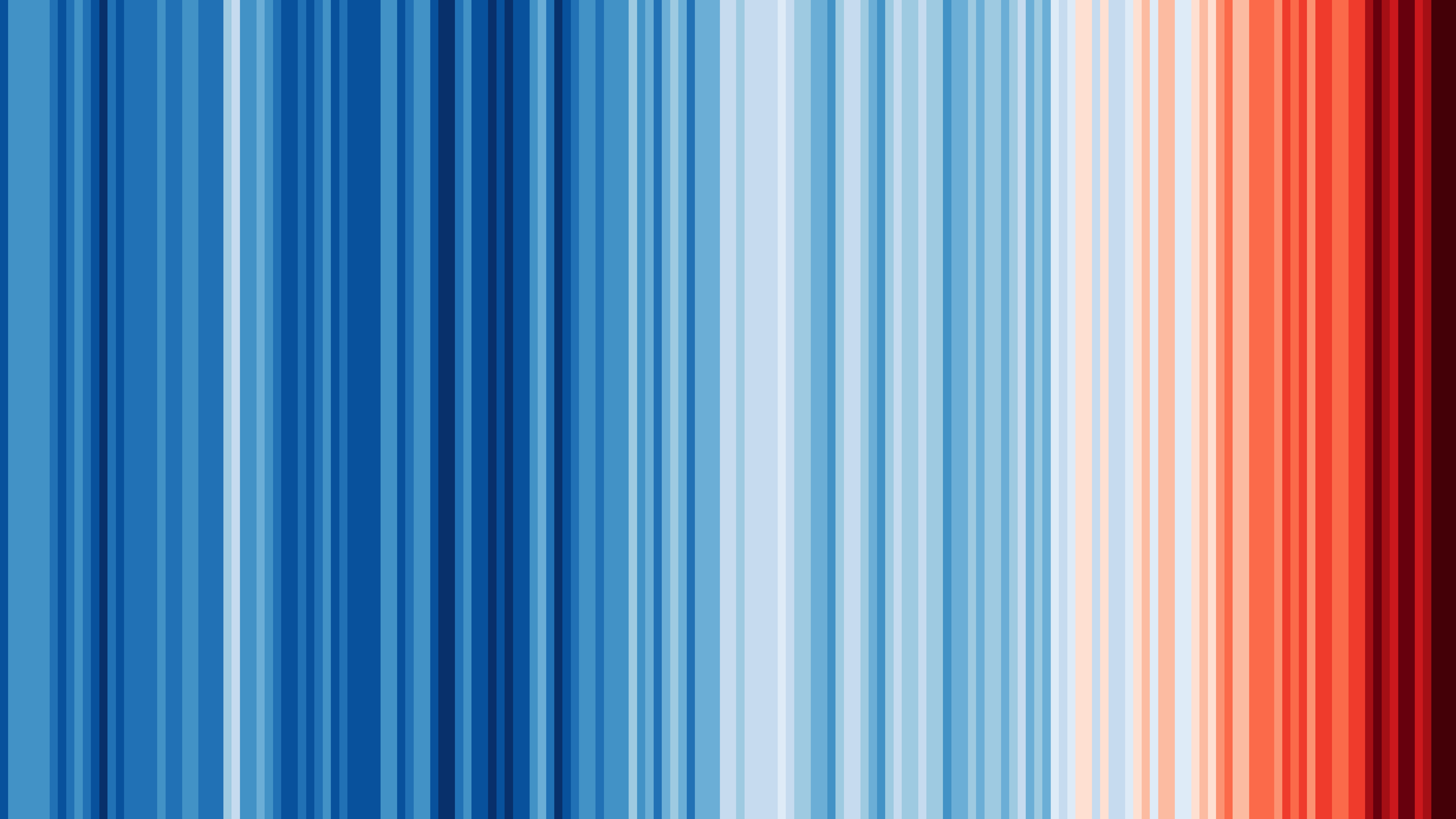
- The University of Reading's climate stripes diagram, updated to include 2025, visually represents the warming trend since 1850.
- Experts predict the world could breach the 1.5C limit of the Paris Agreement by the end of the decade, urging immediate emission reductions.
The year 2025 has been confirmed as the third-hottest year on record, underscoring the persistent trend of global warming driven by human activity. According to data from the World Meteorological Organization (WMO) and the Copernicus Climate Change Service, global temperatures in 2025 were 1.44C above pre-industrial levels, despite the cooling effects of the La Niña weather pattern.
Record-Breaking Heat Despite Natural Cooling
The past three years have been the warmest ever recorded, with 2024 taking the lead as the hottest year, surpassing the critical 1.5C warming threshold outlined in the 2015 Paris Agreement. This agreement, signed by nearly 200 countries, aims to limit global temperature rise to avoid severe climate impacts. However, experts warn that current rates of fossil fuel emissions could see this limit breached by the end of the decade.
"We are bound to pass it," stated Carlo Buontempo, director of the Copernicus climate change service. The challenge now is managing the consequences of this inevitable overshoot.
Visualizing Climate Change
The University of Reading's climate stripes diagram, created by Prof Ed Hawkins, has been updated to include 2025. This visual tool, which illustrates the warming trend since 1850, shows an additional dark red stripe for 2025, highlighting the ongoing rise in global temperatures. "Warmer temperatures have real impacts," Hawkins noted, citing increased health issues from heatwaves and greater flooding risks from heavier downpours.
The Role of Human Activity
The unnatural heat of 2025 is largely attributed to the accumulation of greenhouse gases from human activities. Despite La Niña's temporary cooling, the year remained significantly warmer than a decade ago. "If we continue to pump greenhouse gases into the atmosphere, the planet responds by warming," explained Prof Rowan Sutton of the Met Office Hadley Centre.
Urgent Call for Action
Scientists emphasize the urgent need for drastic emission reductions to mitigate further warming and its associated extreme weather events. The Los Angeles fires and Hurricane Melissa in 2025 are examples of climate change-fueled disasters. "Looking at the most recent data, it looks like we'll exceed that 1.5 degree level of long-term warming by the end of this decade," warned Dr. Samantha Burgess, deputy director of Copernicus.
WHAT THIS MIGHT MEAN
As the world edges closer to breaching the 1.5C limit set by the Paris Agreement, the implications are profound. If emissions are not curtailed, we can expect more frequent and severe weather events, threatening ecosystems and human livelihoods. Policymakers face mounting pressure to implement effective climate strategies, balancing economic growth with environmental sustainability. Experts suggest that technological innovations and international cooperation will be crucial in managing the impacts of climate change and steering the planet towards a more sustainable future.
Images from the Web
Related Articles
UK Faces Unprecedented Rainfall as Climate Scientists Call for Urgent Action

Catherine O'Hara's Legacy: A Beloved Icon Remembered

Catherine O'Hara: Celebrated Actress and Comedy Icon Dies at 71

Anna Murdoch-Mann: Influential Figure in Media and Philanthropy Dies at 81

Zuckerberg Defends Meta in Landmark Social Media Addiction Trial

Casey Wasserman to Sell Talent Agency Amid Epstein Controversy
Global Warming Trends: 2025 Marks Third-Hottest Year on Record
In This Article
 Leila Hassan| Published
 HIGHLIGHTS
- 2025 was the third-hottest year on record, with temperatures 1.44C above pre-industrial levels, despite La Niña's cooling influence.
- The last three years have been the warmest ever, with 2024 being the hottest, surpassing the 1.5C warming threshold set by the Paris Agreement.
- Scientists warn that continued greenhouse gas emissions will lead to more extreme weather events and further temperature records.
- The University of Reading's climate stripes diagram, updated to include 2025, visually represents the warming trend since 1850.
- Experts predict the world could breach the 1.5C limit of the Paris Agreement by the end of the decade, urging immediate emission reductions.
The year 2025 has been confirmed as the third-hottest year on record, underscoring the persistent trend of global warming driven by human activity. According to data from the World Meteorological Organization (WMO) and the Copernicus Climate Change Service, global temperatures in 2025 were 1.44C above pre-industrial levels, despite the cooling effects of the La Niña weather pattern.
Record-Breaking Heat Despite Natural Cooling
The past three years have been the warmest ever recorded, with 2024 taking the lead as the hottest year, surpassing the critical 1.5C warming threshold outlined in the 2015 Paris Agreement. This agreement, signed by nearly 200 countries, aims to limit global temperature rise to avoid severe climate impacts. However, experts warn that current rates of fossil fuel emissions could see this limit breached by the end of the decade.
"We are bound to pass it," stated Carlo Buontempo, director of the Copernicus climate change service. The challenge now is managing the consequences of this inevitable overshoot.
Visualizing Climate Change
The University of Reading's climate stripes diagram, created by Prof Ed Hawkins, has been updated to include 2025. This visual tool, which illustrates the warming trend since 1850, shows an additional dark red stripe for 2025, highlighting the ongoing rise in global temperatures. "Warmer temperatures have real impacts," Hawkins noted, citing increased health issues from heatwaves and greater flooding risks from heavier downpours.
The Role of Human Activity
The unnatural heat of 2025 is largely attributed to the accumulation of greenhouse gases from human activities. Despite La Niña's temporary cooling, the year remained significantly warmer than a decade ago. "If we continue to pump greenhouse gases into the atmosphere, the planet responds by warming," explained Prof Rowan Sutton of the Met Office Hadley Centre.
Urgent Call for Action
Scientists emphasize the urgent need for drastic emission reductions to mitigate further warming and its associated extreme weather events. The Los Angeles fires and Hurricane Melissa in 2025 are examples of climate change-fueled disasters. "Looking at the most recent data, it looks like we'll exceed that 1.5 degree level of long-term warming by the end of this decade," warned Dr. Samantha Burgess, deputy director of Copernicus.
WHAT THIS MIGHT MEAN
As the world edges closer to breaching the 1.5C limit set by the Paris Agreement, the implications are profound. If emissions are not curtailed, we can expect more frequent and severe weather events, threatening ecosystems and human livelihoods. Policymakers face mounting pressure to implement effective climate strategies, balancing economic growth with environmental sustainability. Experts suggest that technological innovations and international cooperation will be crucial in managing the impacts of climate change and steering the planet towards a more sustainable future.
Images from the Web
Related Articles
UK Faces Unprecedented Rainfall as Climate Scientists Call for Urgent Action
Catherine O'Hara's Legacy: A Beloved Icon Remembered
Catherine O'Hara: Celebrated Actress and Comedy Icon Dies at 71
Anna Murdoch-Mann: Influential Figure in Media and Philanthropy Dies at 81
Zuckerberg Defends Meta in Landmark Social Media Addiction Trial
Casey Wasserman to Sell Talent Agency Amid Epstein Controversy