
Ancient Log Boats Unveiled: A Glimpse into Cambridgeshire's Prehistoric Past
In This Article
HIGHLIGHTS
- Rare Bronze and Iron Age log boats, dating from 2,500 to 3,500 years ago, are now on display at Flag Fen Archaeology Park in Peterborough.
- The boats were discovered at Must Farm quarry in Cambridgeshire, a site known as "Britain's Pompeii" for its well-preserved artifacts.
- The conservation of these vessels was funded by Forterra, Historic England, and Peterborough City Council, with significant contributions from the York Archaeological Trust.
- The exhibition includes a 6.3m Middle Bronze Age oak vessel and fragments of other boats, showcasing prehistoric carpentry and ancient transportation methods.
- The boats were preserved using a specialized wax and water solution, highlighting advanced historic preservation techniques.
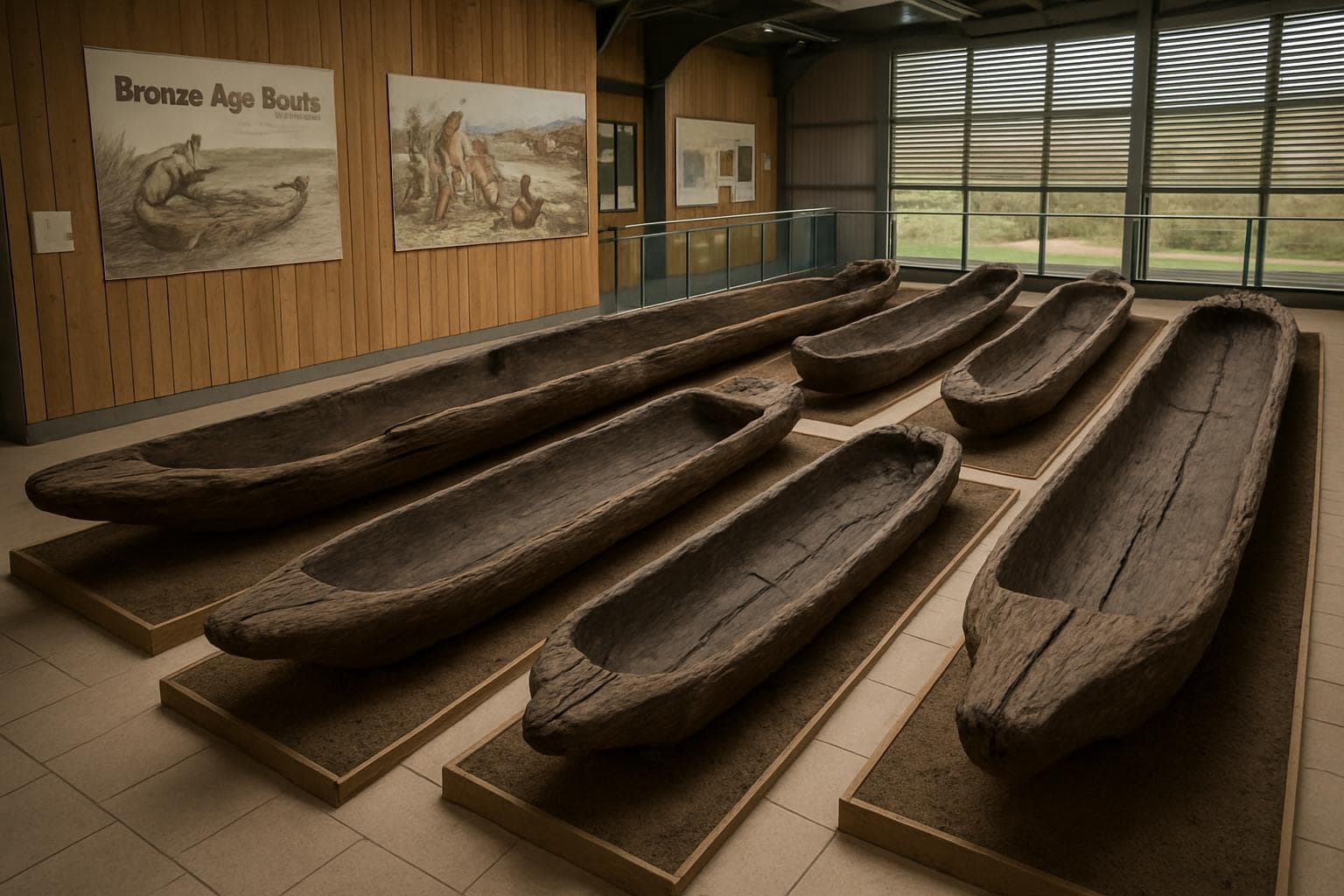
A remarkable collection of Bronze and Iron Age log boats, unearthed from the Must Farm quarry in Cambridgeshire, is now on public display for the first time at the Flag Fen Archaeology Park in Peterborough. These ancient vessels, dating back between 2,500 and 3,500 years, offer a unique insight into prehistoric life and craftsmanship.
Discoveries at Must Farm
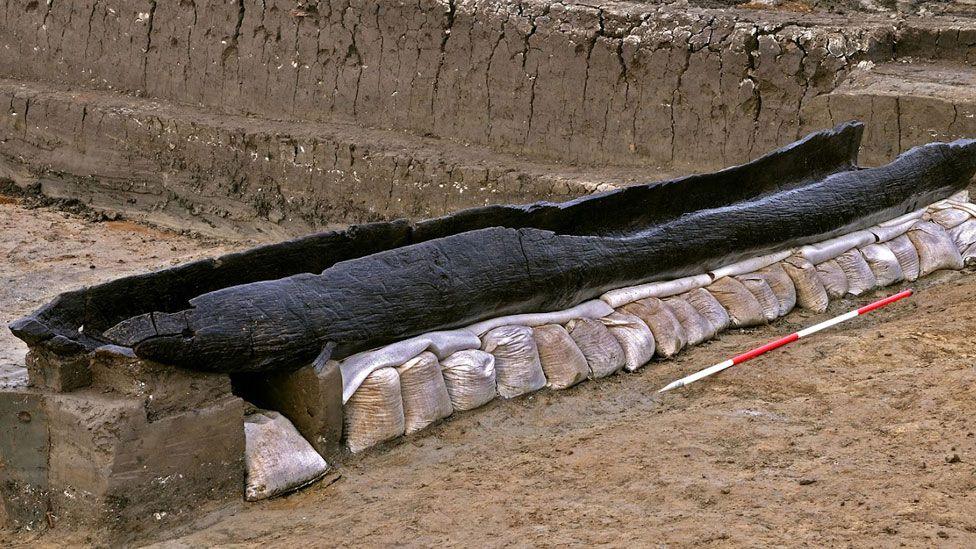
Dubbed "Britain's Pompeii," the Must Farm site has yielded a treasure trove of artifacts, including nine log boats discovered between 2011 and 2012. The site, located near Whittlesey, has been a focal point for archaeologists due to its exceptional preservation conditions. The boats, excavated from an ancient creek bed, are the largest group of prehistoric vessels found in a single UK location.
Exhibition Highlights
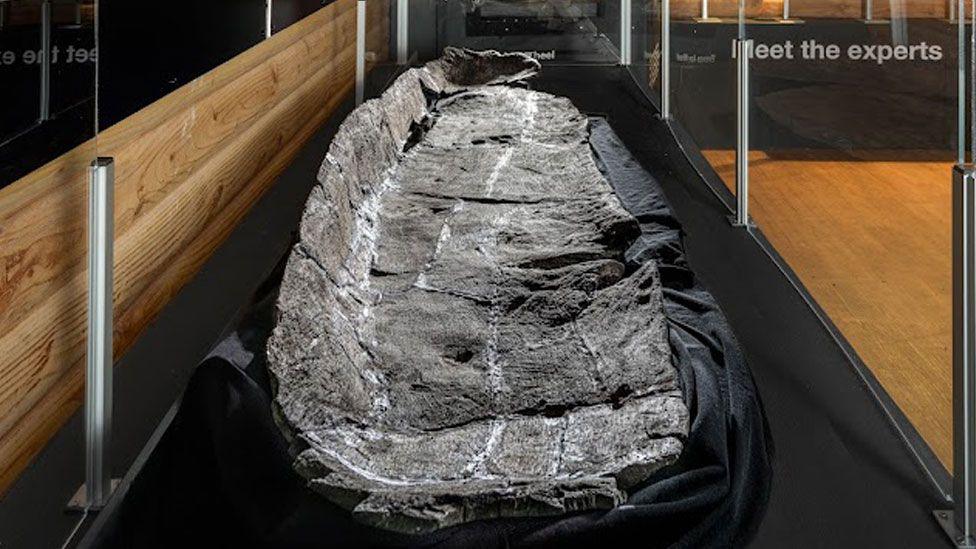
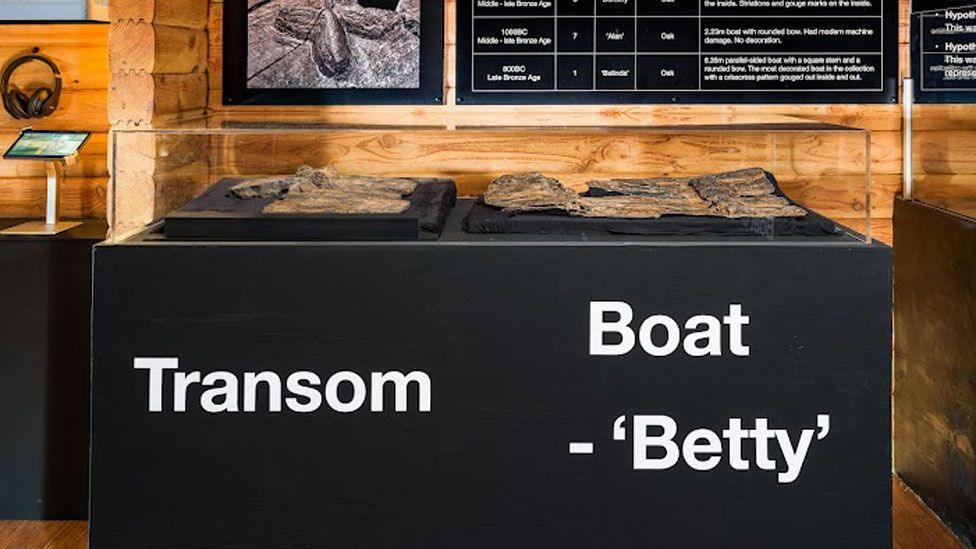
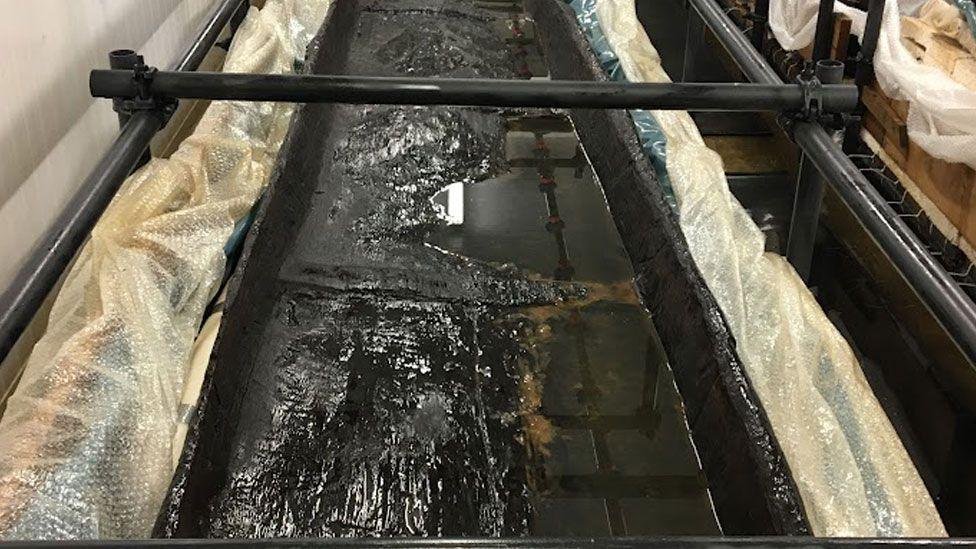
The exhibition at Flag Fen features three of these remarkable boats. Among them is a 6.3-meter Middle Bronze Age oak vessel, notable for its charred interior, and a 2.2-meter fragment of another oak boat with intricate hull repairs. A smaller 0.8-meter fragment of an Early Bronze Age boat made from maple is also on display. These vessels reveal the sophisticated carpentry and construction techniques employed by ancient craftsmen, who used simple tools to hollow out tree trunks into functional boats.
Preservation and Funding
The conservation of these boats was a meticulous process, involving a decade-long treatment in a solution of water and polyethylene glycol, known as peg wax. This preservation effort was made possible through funding from Forterra, Historic England, and Peterborough City Council. The York Archaeological Trust played a crucial role in the conservation work, ensuring the boats' structural integrity for display.
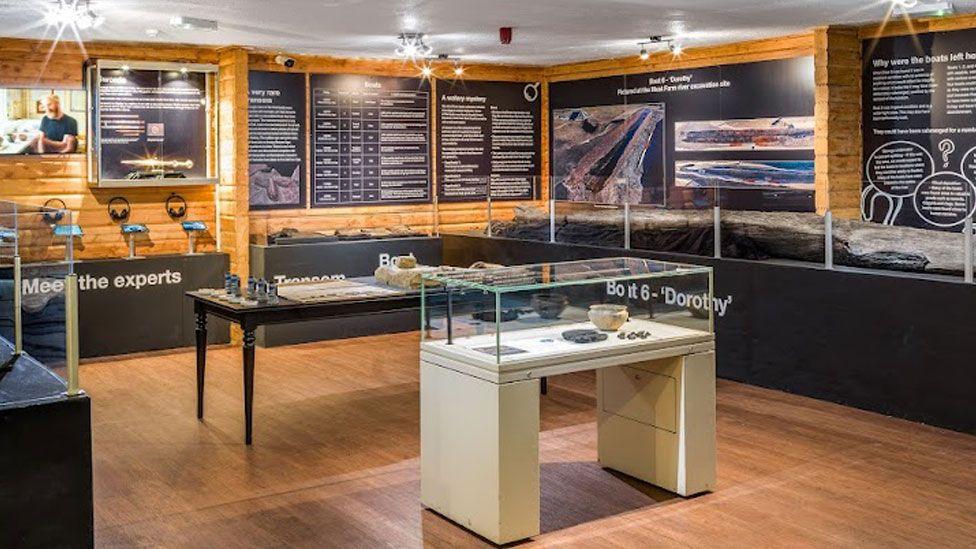
Jacqueline Mooney, general manager of Flag Fen, expressed pride in the exhibition, stating, "This is our heritage, this is what our ancestors were doing 3,000 years ago." The exhibition also includes replica tools and interactive displays, offering visitors a comprehensive view of ancient transportation methods and prehistoric life.
WHAT THIS MIGHT MEAN
The unveiling of these log boats not only enriches our understanding of prehistoric Cambridgeshire but also underscores the importance of archaeological preservation. As more artifacts from Must Farm continue to be studied, they may provide further insights into the daily lives and technological advancements of ancient communities. The exhibition is expected to draw significant interest, potentially boosting local tourism and educational opportunities. Future research could focus on the broader implications of these findings, such as the impact of environmental changes on ancient transportation and settlement patterns.
Images from the Web

Related Articles

UK Government Allocates £88 Million to Revitalize Youth Services and Combat Digital Isolation

Government U-turn on Local Election Delays Sparks Political Fallout

Southbank Centre Secures Grade II Listed Status, Celebrating Brutalist Heritage

Farmers Protest in London Over Inheritance Tax Plans

Heroic Train Worker Discharged After Cambridgeshire Stabbing Incident

Man Charged with Attempted Murder After Stabbing Spree on LNER Train
Ancient Log Boats Unveiled: A Glimpse into Cambridgeshire's Prehistoric Past
In This Article
 Ethan Brooks| Published
 HIGHLIGHTS
- Rare Bronze and Iron Age log boats, dating from 2,500 to 3,500 years ago, are now on display at Flag Fen Archaeology Park in Peterborough.
- The boats were discovered at Must Farm quarry in Cambridgeshire, a site known as "Britain's Pompeii" for its well-preserved artifacts.
- The conservation of these vessels was funded by Forterra, Historic England, and Peterborough City Council, with significant contributions from the York Archaeological Trust.
- The exhibition includes a 6.3m Middle Bronze Age oak vessel and fragments of other boats, showcasing prehistoric carpentry and ancient transportation methods.
- The boats were preserved using a specialized wax and water solution, highlighting advanced historic preservation techniques.
A remarkable collection of Bronze and Iron Age log boats, unearthed from the Must Farm quarry in Cambridgeshire, is now on public display for the first time at the Flag Fen Archaeology Park in Peterborough. These ancient vessels, dating back between 2,500 and 3,500 years, offer a unique insight into prehistoric life and craftsmanship.
Discoveries at Must Farm
Dubbed "Britain's Pompeii," the Must Farm site has yielded a treasure trove of artifacts, including nine log boats discovered between 2011 and 2012. The site, located near Whittlesey, has been a focal point for archaeologists due to its exceptional preservation conditions. The boats, excavated from an ancient creek bed, are the largest group of prehistoric vessels found in a single UK location.
Exhibition Highlights
The exhibition at Flag Fen features three of these remarkable boats. Among them is a 6.3-meter Middle Bronze Age oak vessel, notable for its charred interior, and a 2.2-meter fragment of another oak boat with intricate hull repairs. A smaller 0.8-meter fragment of an Early Bronze Age boat made from maple is also on display. These vessels reveal the sophisticated carpentry and construction techniques employed by ancient craftsmen, who used simple tools to hollow out tree trunks into functional boats.
Preservation and Funding
The conservation of these boats was a meticulous process, involving a decade-long treatment in a solution of water and polyethylene glycol, known as peg wax. This preservation effort was made possible through funding from Forterra, Historic England, and Peterborough City Council. The York Archaeological Trust played a crucial role in the conservation work, ensuring the boats' structural integrity for display.
Jacqueline Mooney, general manager of Flag Fen, expressed pride in the exhibition, stating, "This is our heritage, this is what our ancestors were doing 3,000 years ago." The exhibition also includes replica tools and interactive displays, offering visitors a comprehensive view of ancient transportation methods and prehistoric life.
WHAT THIS MIGHT MEAN
The unveiling of these log boats not only enriches our understanding of prehistoric Cambridgeshire but also underscores the importance of archaeological preservation. As more artifacts from Must Farm continue to be studied, they may provide further insights into the daily lives and technological advancements of ancient communities. The exhibition is expected to draw significant interest, potentially boosting local tourism and educational opportunities. Future research could focus on the broader implications of these findings, such as the impact of environmental changes on ancient transportation and settlement patterns.
Images from the Web
Related Articles
UK Government Allocates £88 Million to Revitalize Youth Services and Combat Digital Isolation
Government U-turn on Local Election Delays Sparks Political Fallout
Southbank Centre Secures Grade II Listed Status, Celebrating Brutalist Heritage
Farmers Protest in London Over Inheritance Tax Plans
Heroic Train Worker Discharged After Cambridgeshire Stabbing Incident
Man Charged with Attempted Murder After Stabbing Spree on LNER Train