
Australian Author Convicted Over Controversial Erotic Novel
In This Article
HIGHLIGHTS
- Lauren Mastrosa, an Australian author, was found guilty of creating child abuse material through her novel, "Daddy’s Little Toy."
- The New South Wales court ruled that the book, despite depicting an 18-year-old protagonist, sexually objectifies children.
- Magistrate Bree Chisholm highlighted the novel's use of child-like language and imagery as contributing to its offensive nature.
- Mastrosa faces charges of creating, possessing, and distributing child abuse material, with sentencing scheduled for April 28.
- The book's release sparked significant public outrage, leading to Mastrosa being stood down from her role at a Christian charity.
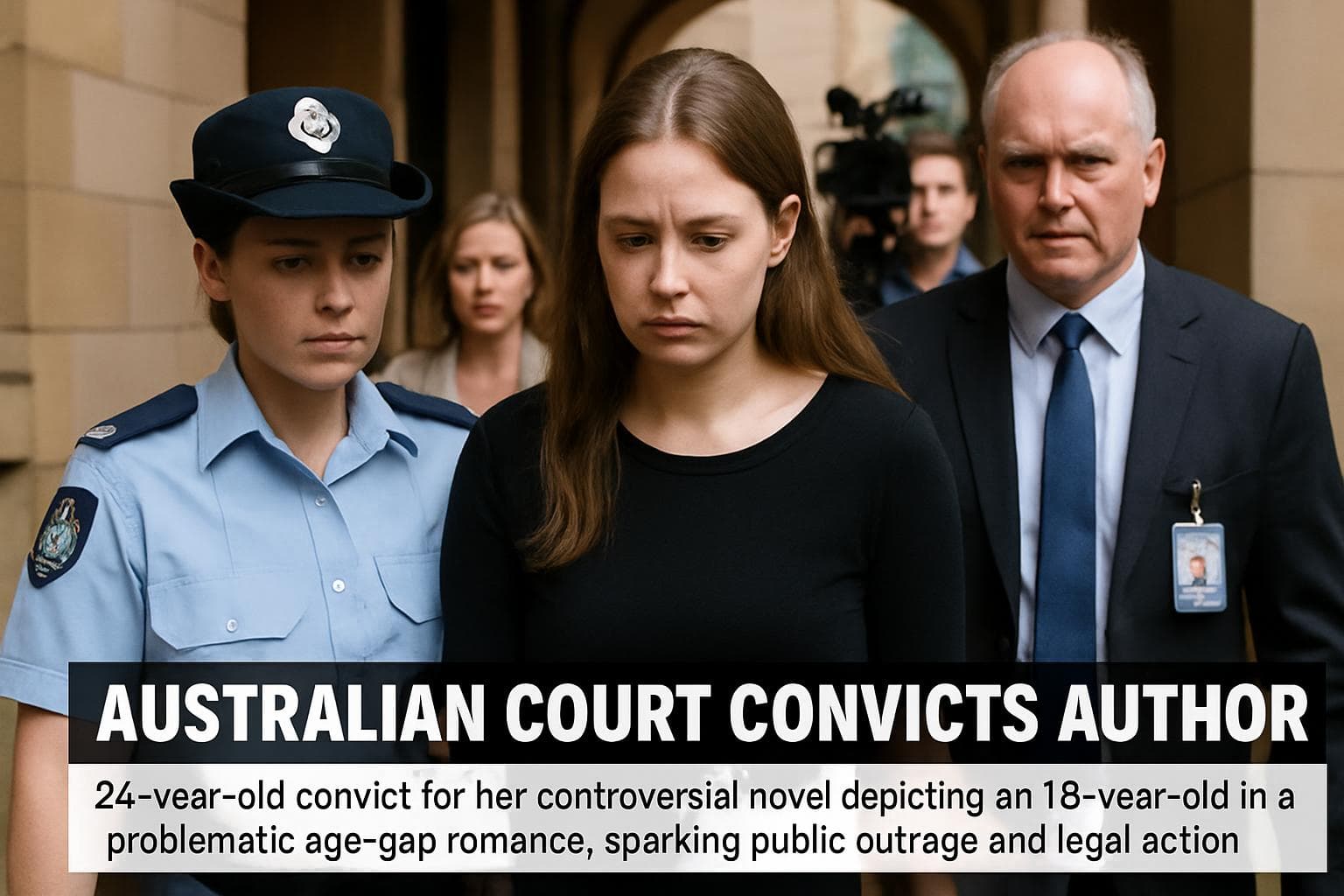
An Australian author has been convicted of creating child abuse material through her controversial novel, "Daddy’s Little Toy," which has ignited public outrage and legal scrutiny. Lauren Mastrosa, 34, was found guilty by a New South Wales court on charges of creating, possessing, and distributing child abuse material. The novel, published under the pen name Tori Woods, depicts an age-gap romance between an 18-year-old woman, Lucy, and her father's 45-year-old best friend, Arthur.
Court Ruling and Public Reaction
The court's decision, delivered by Magistrate Bree Chisholm, emphasized that the book, despite its protagonist being legally an adult, sexually objectifies children. Chisholm noted that the novel's use of child-like language and imagery, such as the protagonist role-playing as a toddler, contributes to its offensive nature. "The reader is left with a description that creates the visual image in one's mind of an adult male engaging in sexual activity with a young child," Chisholm stated.
The novel's release in March last year to 21 advance readers quickly led to a police complaint, sparking widespread outrage. Mastrosa, who worked as a marketing executive for a Christian charity, was subsequently stood down from her position pending an investigation.
Legal Context and Charges
Mastrosa's conviction includes three counts related to child abuse material. The court found that the book's portrayal of Lucy, despite repeated references to her being 18, implied she was a child. The cover of the book, featuring pastel pink colors and children's alphabet blocks, further contributed to this perception. The novel includes explicit scenes where Lucy engages in child-like behavior, such as wearing nappies and using child-like language.
During the trial, Mastrosa's defense argued that the novel did not constitute child abuse material, emphasizing Lucy's age as 18. However, the court concluded that the book invited readers to imagine scenarios prohibited by child abuse material legislation.
WHAT THIS MIGHT MEAN
Mastrosa's sentencing, scheduled for April 28, could result in significant legal consequences, including potential imprisonment. The case highlights ongoing debates around censorship, artistic expression, and the legal boundaries of depicting age-gap relationships in literature. Legal experts suggest that this ruling may set a precedent for how similar cases are handled in the future, potentially influencing both authors and publishers in the realm of controversial content. As public discourse continues, the case underscores the delicate balance between creative freedom and legal responsibility.
Australian Author Convicted Over Controversial Erotic Novel
In This Article
 Sofia Romano| Published
HIGHLIGHTS
- Lauren Mastrosa, an Australian author, was found guilty of creating child abuse material through her novel, "Daddy’s Little Toy."
- The New South Wales court ruled that the book, despite depicting an 18-year-old protagonist, sexually objectifies children.
- Magistrate Bree Chisholm highlighted the novel's use of child-like language and imagery as contributing to its offensive nature.
- Mastrosa faces charges of creating, possessing, and distributing child abuse material, with sentencing scheduled for April 28.
- The book's release sparked significant public outrage, leading to Mastrosa being stood down from her role at a Christian charity.
An Australian author has been convicted of creating child abuse material through her controversial novel, "Daddy’s Little Toy," which has ignited public outrage and legal scrutiny. Lauren Mastrosa, 34, was found guilty by a New South Wales court on charges of creating, possessing, and distributing child abuse material. The novel, published under the pen name Tori Woods, depicts an age-gap romance between an 18-year-old woman, Lucy, and her father's 45-year-old best friend, Arthur.
Court Ruling and Public Reaction
The court's decision, delivered by Magistrate Bree Chisholm, emphasized that the book, despite its protagonist being legally an adult, sexually objectifies children. Chisholm noted that the novel's use of child-like language and imagery, such as the protagonist role-playing as a toddler, contributes to its offensive nature. "The reader is left with a description that creates the visual image in one's mind of an adult male engaging in sexual activity with a young child," Chisholm stated.
The novel's release in March last year to 21 advance readers quickly led to a police complaint, sparking widespread outrage. Mastrosa, who worked as a marketing executive for a Christian charity, was subsequently stood down from her position pending an investigation.
Legal Context and Charges
Mastrosa's conviction includes three counts related to child abuse material. The court found that the book's portrayal of Lucy, despite repeated references to her being 18, implied she was a child. The cover of the book, featuring pastel pink colors and children's alphabet blocks, further contributed to this perception. The novel includes explicit scenes where Lucy engages in child-like behavior, such as wearing nappies and using child-like language.
During the trial, Mastrosa's defense argued that the novel did not constitute child abuse material, emphasizing Lucy's age as 18. However, the court concluded that the book invited readers to imagine scenarios prohibited by child abuse material legislation.
WHAT THIS MIGHT MEAN
Mastrosa's sentencing, scheduled for April 28, could result in significant legal consequences, including potential imprisonment. The case highlights ongoing debates around censorship, artistic expression, and the legal boundaries of depicting age-gap relationships in literature. Legal experts suggest that this ruling may set a precedent for how similar cases are handled in the future, potentially influencing both authors and publishers in the realm of controversial content. As public discourse continues, the case underscores the delicate balance between creative freedom and legal responsibility.