
Avalanche Risks Surge Amidst Extreme Weather Conditions in California and Europe
In This Article
HIGHLIGHTS
- Avalanches in California and the Alps have resulted in over 90 fatalities this season, highlighting increased avalanche risks.
- California's Sierra Nevada experienced a deadly avalanche due to a snow drought followed by intense snowfall, causing unstable snowpack conditions.
- The Alps have seen severe storms and heavy snow, leading to high avalanche warnings and evacuations in Switzerland and Italy.
- Scotland's ski resorts are experiencing their best season in six years, despite increased avalanche risks due to heavy snow and high winds.
- Experts link extreme weather patterns to climate change, but note that multiple factors influence avalanche risks.
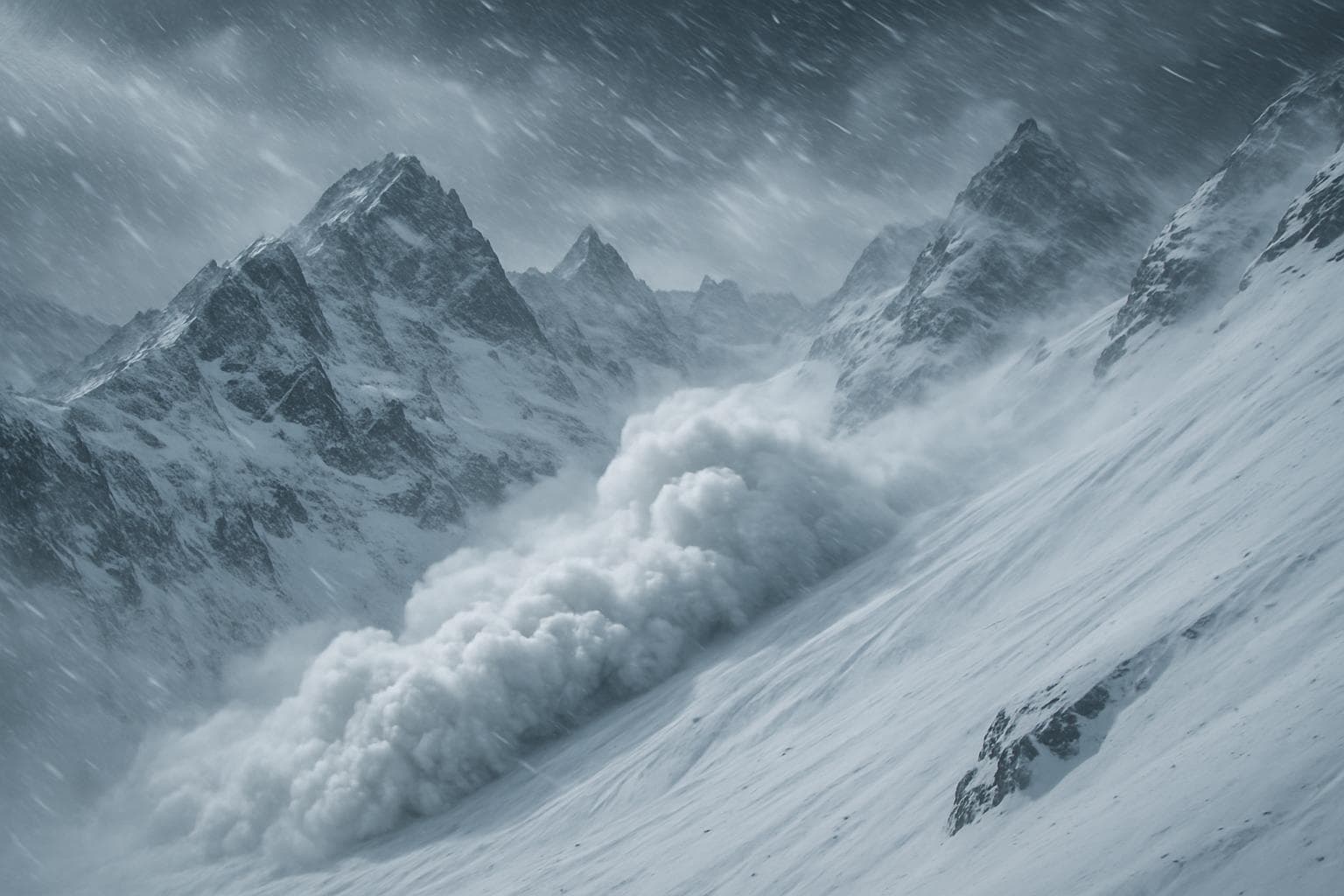
Recent avalanches in California and the Alps have claimed over 90 lives, underscoring the heightened risks associated with extreme weather patterns. The Sierra Nevada in California witnessed its deadliest avalanche in modern times, while the Alps have been battered by severe storms, leading to numerous fatalities and disruptions.
California's Deadly Avalanche
In California, the Sierra Nevada mountains have been grappling with high avalanche risks following a deadly snowslide. The region, which recently emerged from a snow drought, was hit by intense snowfall, creating unstable snowpack conditions. The Sierra Avalanche Center warned of large avalanches due to the heavy snow and strong winds. Daniel Swain, a climate scientist, described the situation as "Sierra Cement," referring to the dense, wet snow that accumulated rapidly, exacerbating avalanche risks.
Alpine Challenges
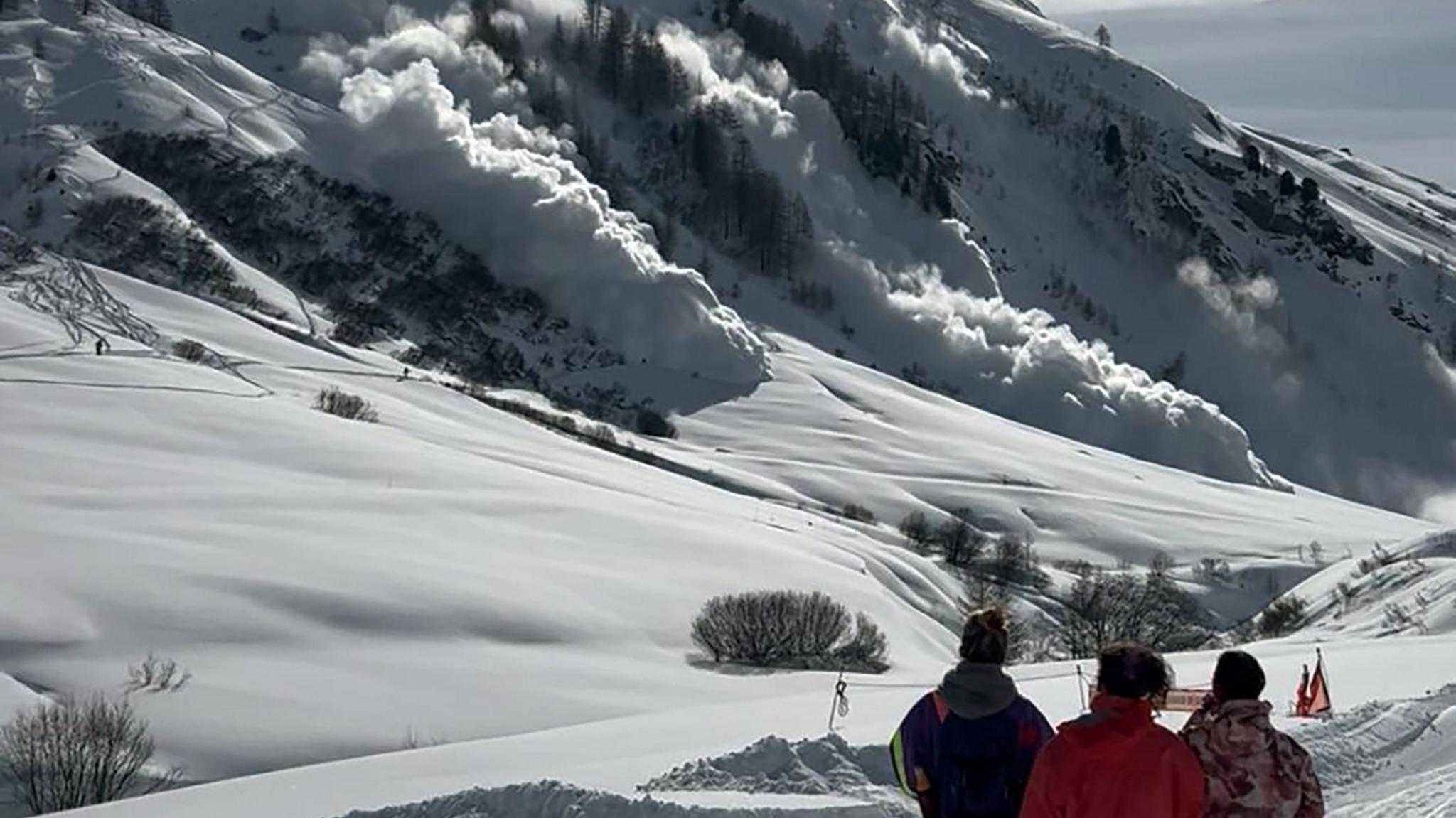
Across the Atlantic, the Alps have experienced two major storms in a week, resulting in heavy snow and strong winds. This has led to high avalanche warnings across a large part of the region. Switzerland and northern Italy have faced evacuations, power outages, and even a train derailment due to the severe weather. Experts like Benjamin Zweifel from the Swiss Federal Institute for Snow and Avalanche Research highlight the weak snowpack and persistent weak layers as key challenges this season.
Scotland's Snowy Success
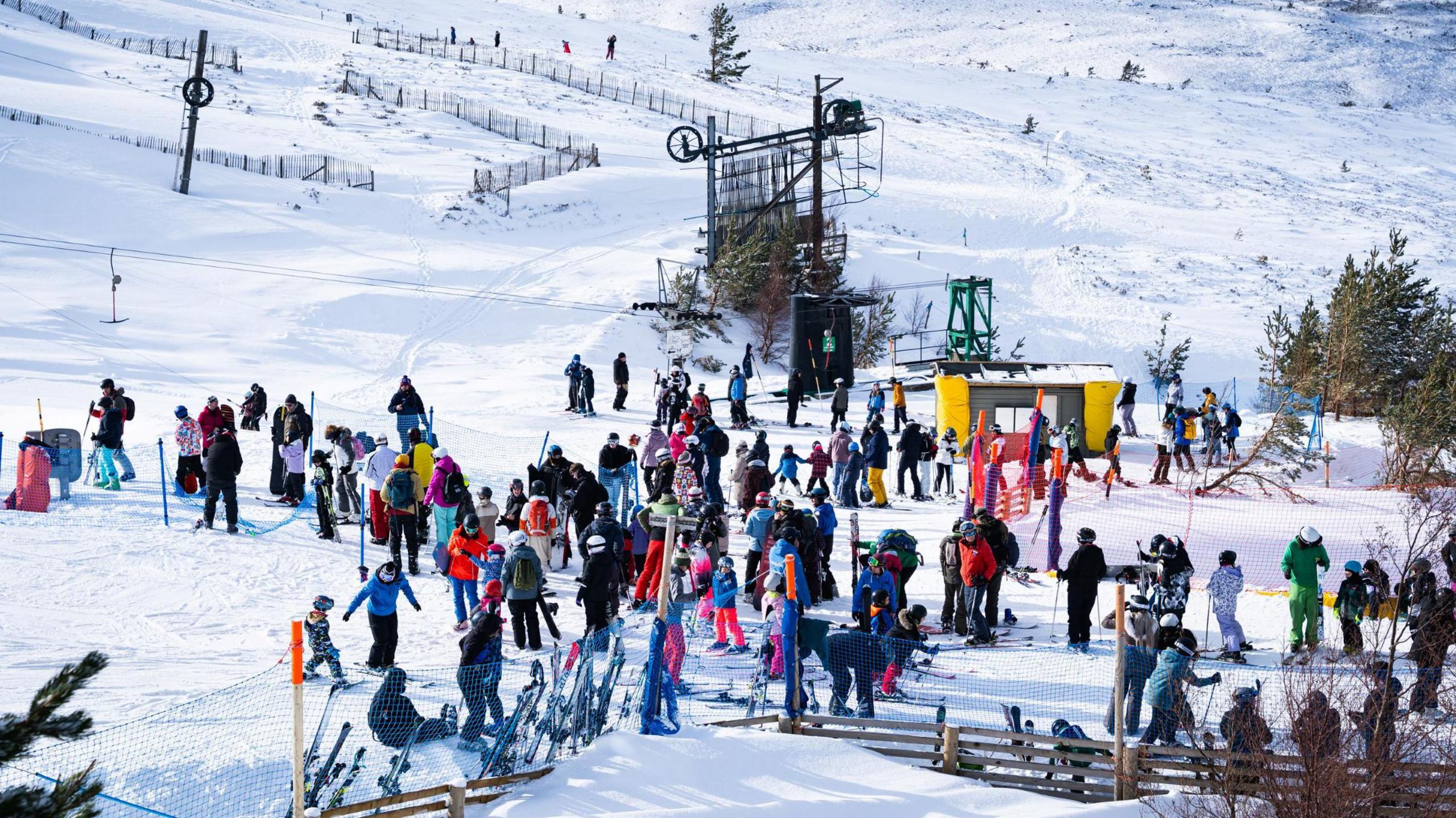
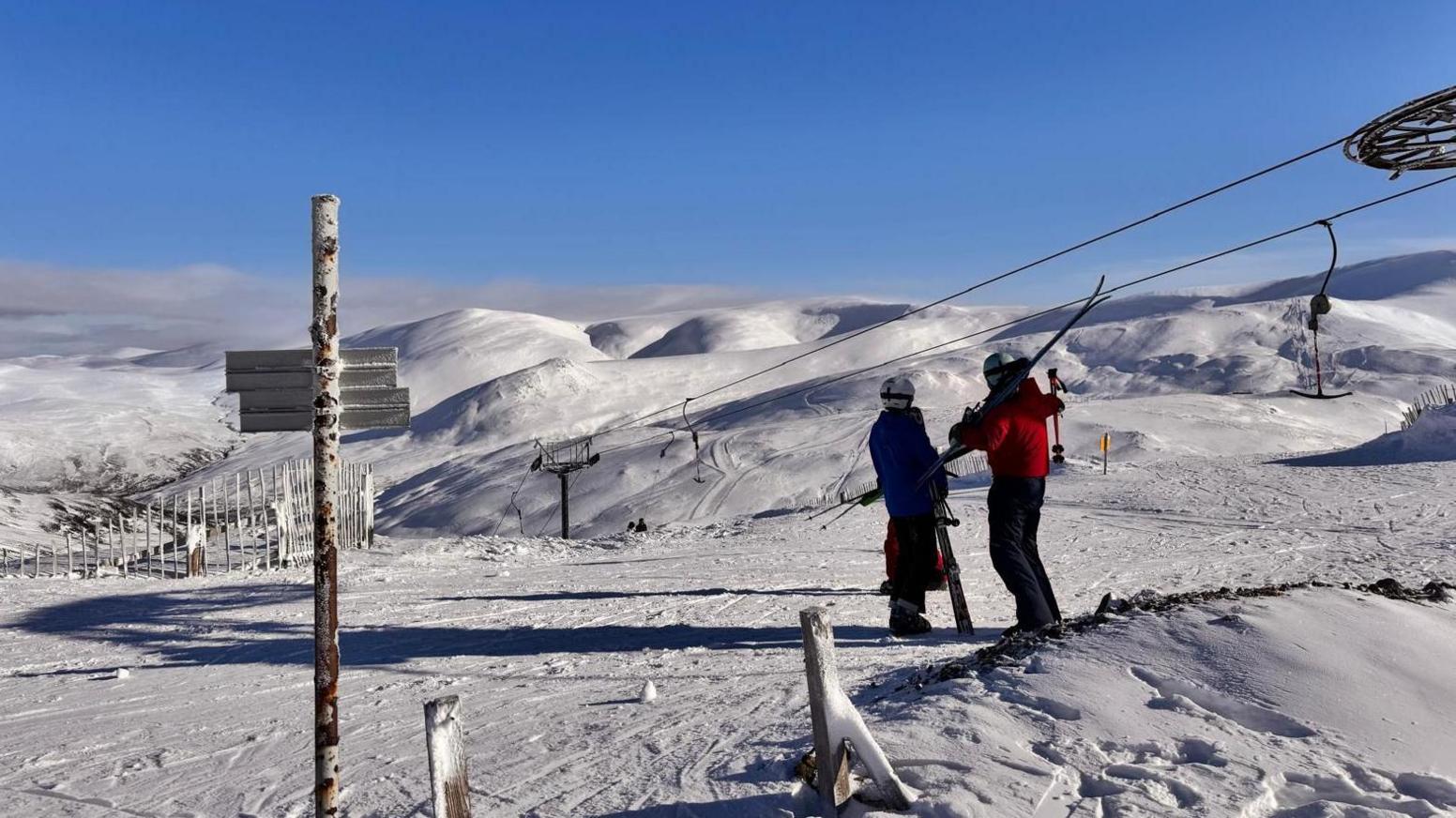
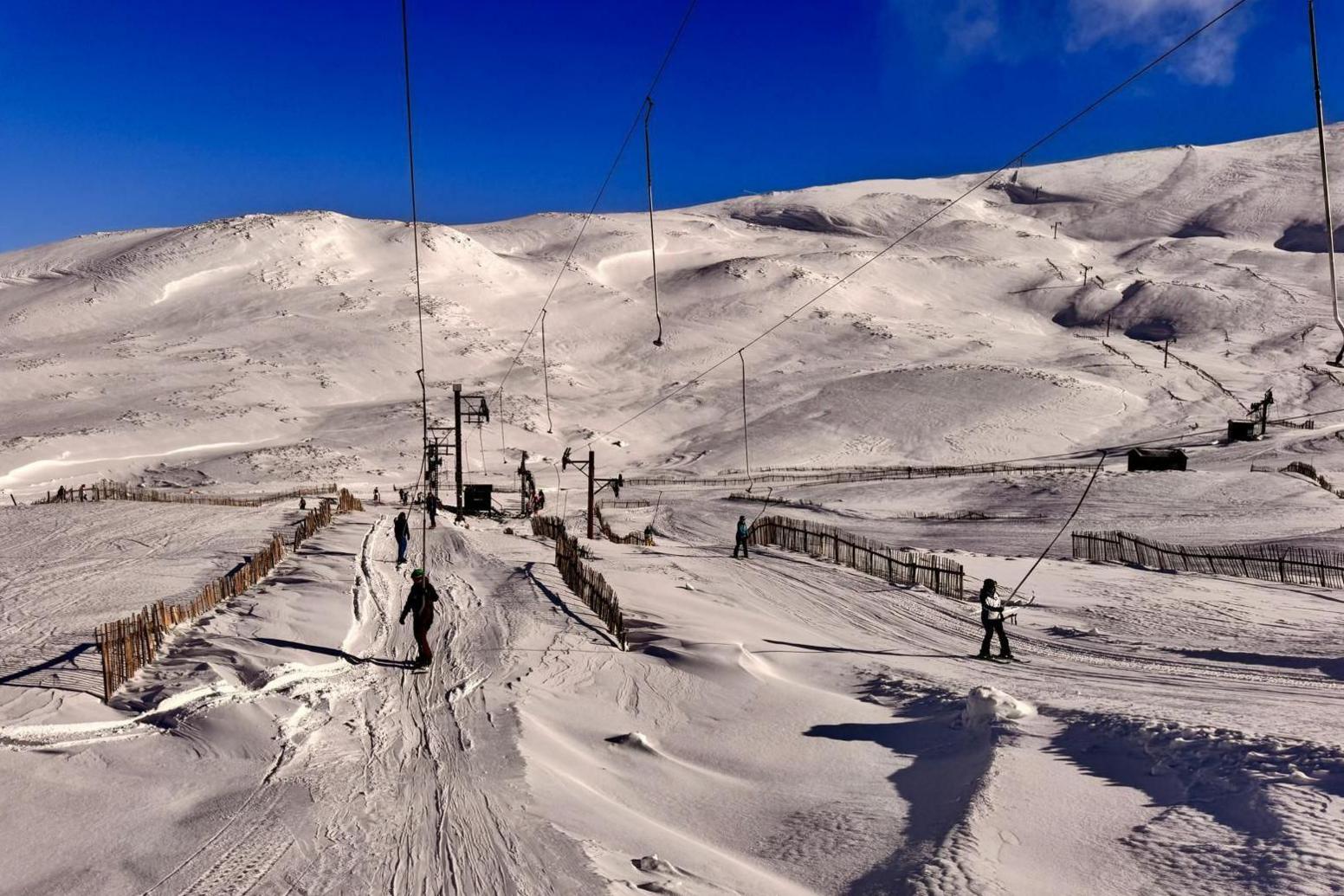
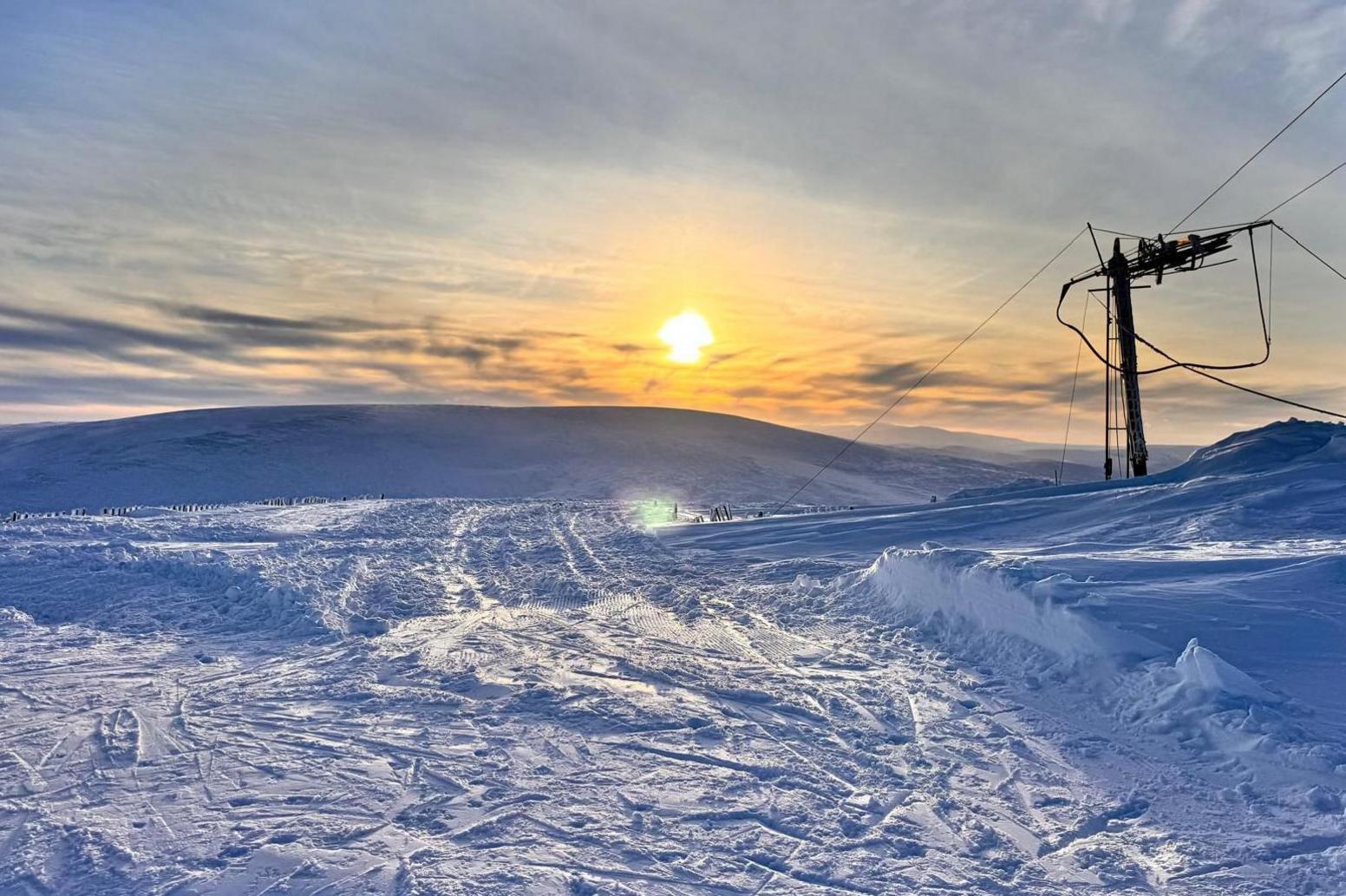
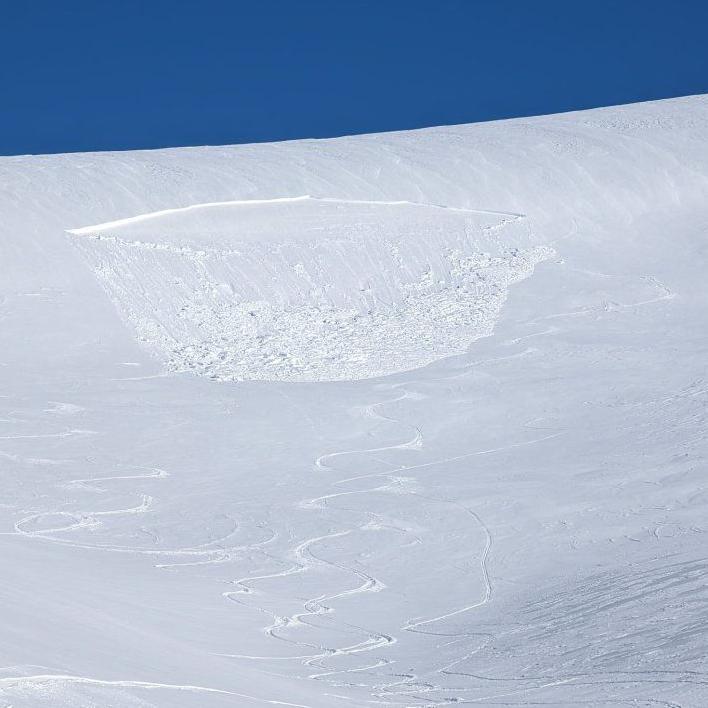
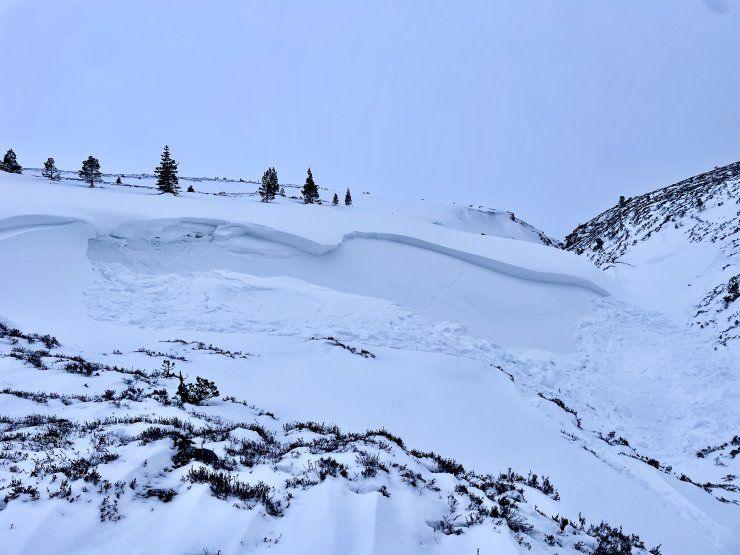
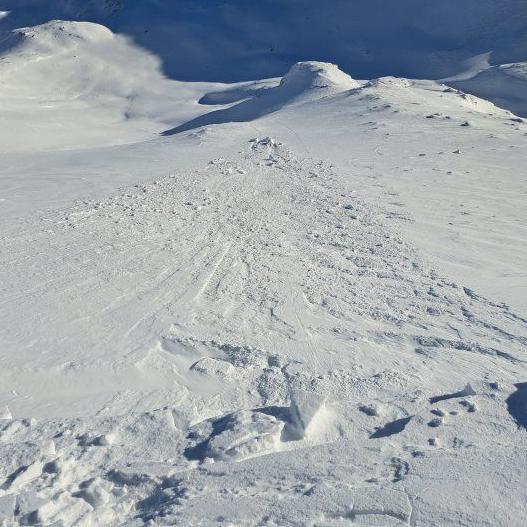
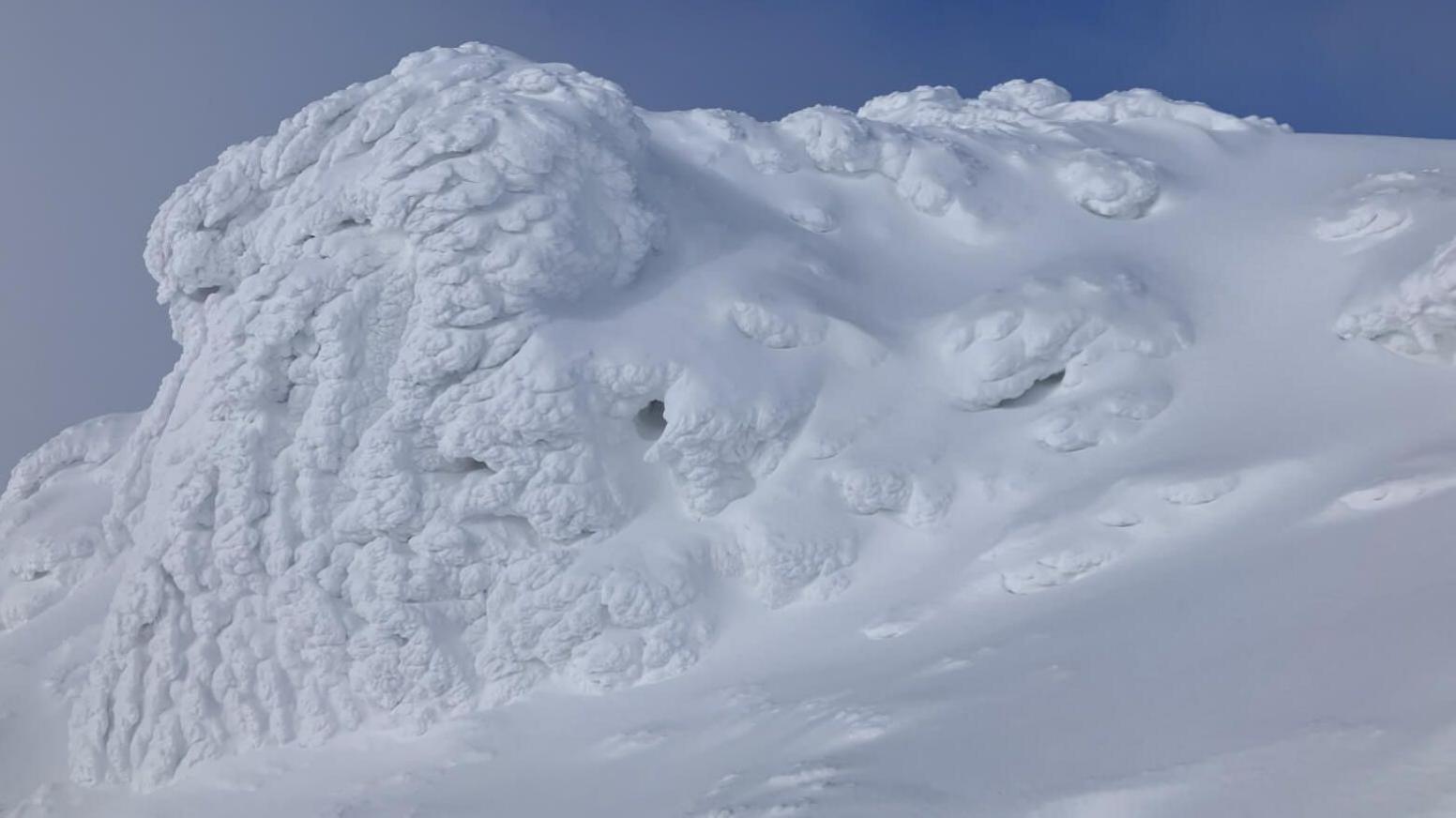
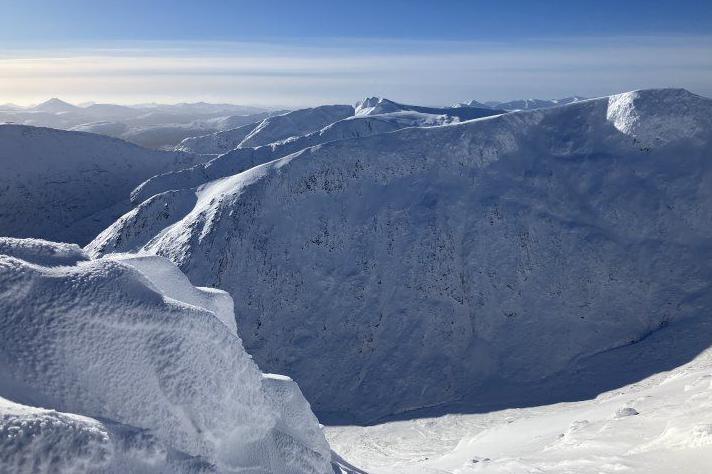
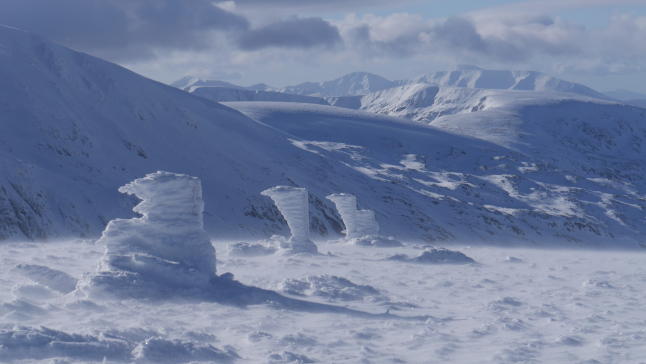
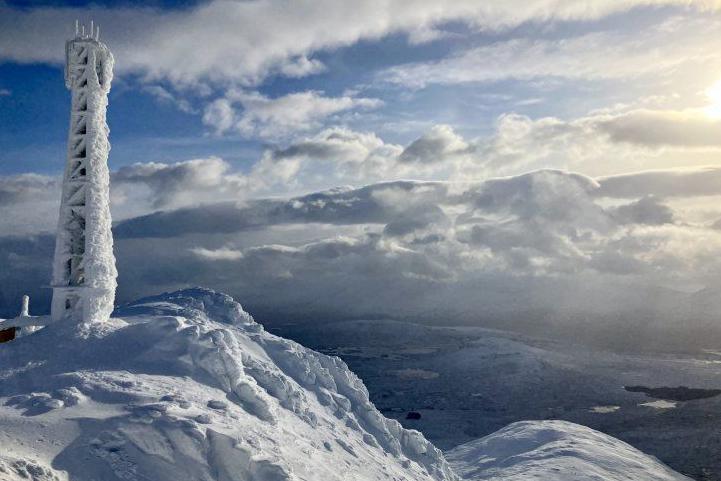
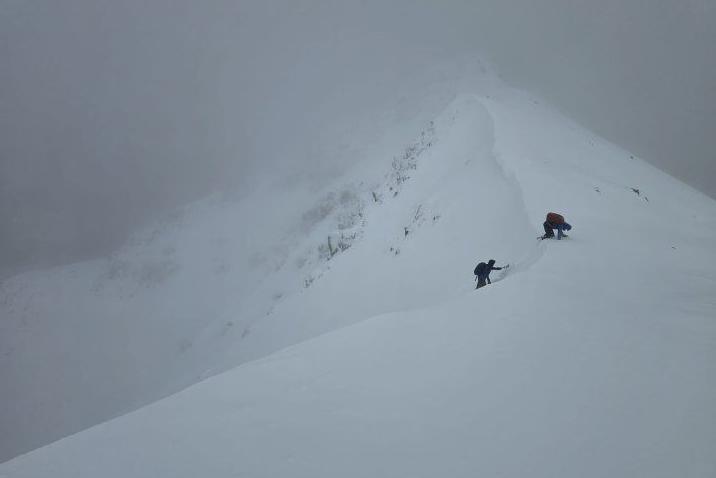
Meanwhile, Scotland's ski resorts are enjoying their best winter in six years, despite the increased avalanche risks. Glenshee and Glencoe Mountain report fantastic conditions, with high visitor numbers. However, the Scottish Avalanche Information Service has recorded a significant increase in avalanches, attributed to heavy snow and high winds.
Climate Change and Avalanche Risks
Experts suggest that climate change is contributing to these extreme weather patterns, with sharper swings between dry periods and severe storms. Simon Mason from SEI US notes that while climate change influences precipitation, it is just one of many factors affecting avalanche risks. Christoph Marthy, a climatologist, points out that the current Alpine winter contrasts with typical climate change patterns, adding complexity to the situation.
WHAT THIS MIGHT MEAN
As climate change continues to influence weather patterns, regions like California and the Alps may face more frequent and severe avalanches. This could lead to increased safety measures and preparedness efforts in affected areas. In Scotland, while the current ski season is thriving, resorts may need to adapt to changing weather conditions to maintain safety and operations. Experts will likely continue to study the multifaceted impacts of climate change on snowpack stability and avalanche risks, providing crucial insights for future mitigation strategies.
Images from the Web
Related Articles
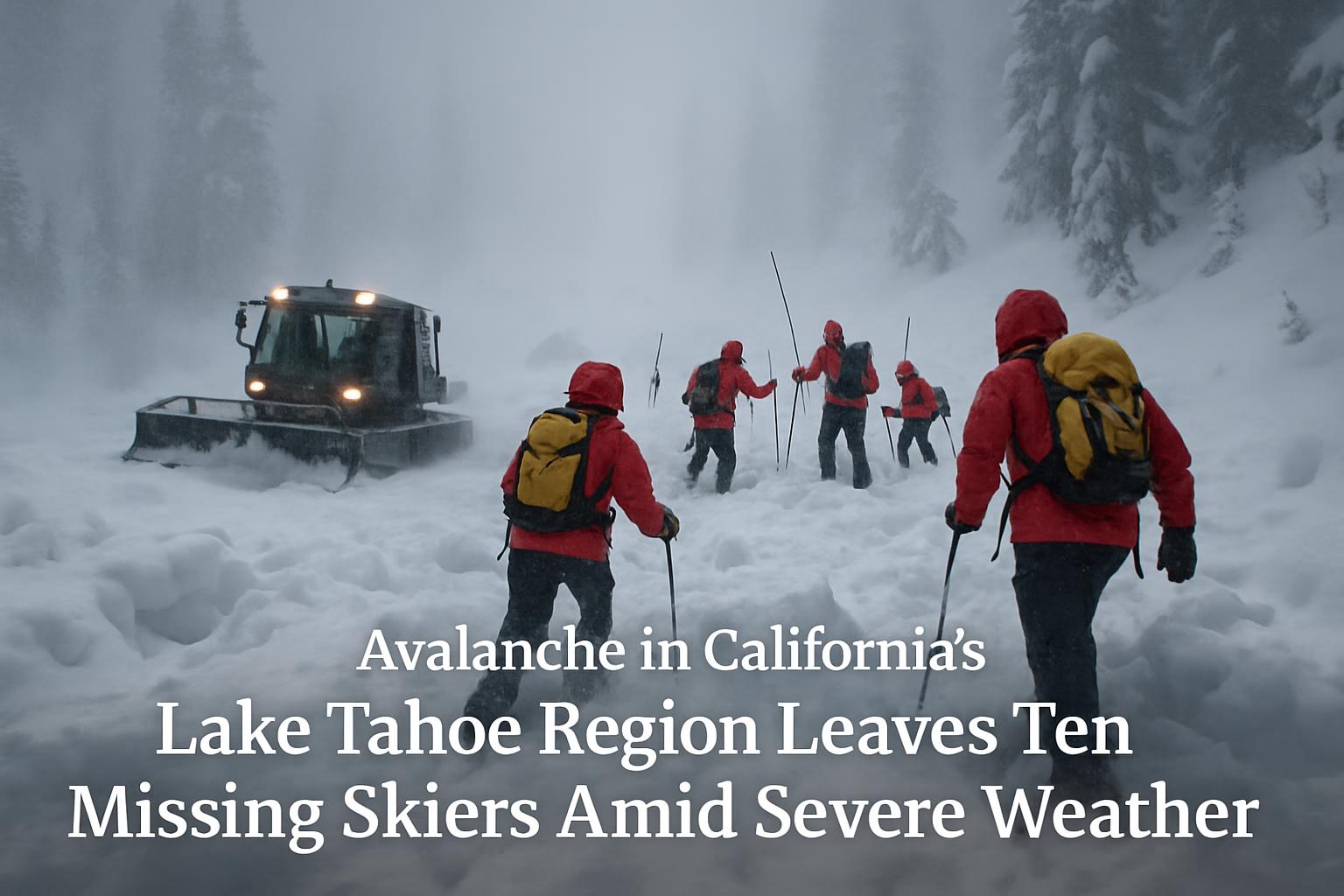
California Avalanche Leaves Ten Skiers Missing Amid Severe Weather
Saharan Dust to Illuminate UK Skies with Vivid Sunrises and Sunsets

Tragedy in the Sierra Nevada: Deadly Avalanche Claims Nine Lives
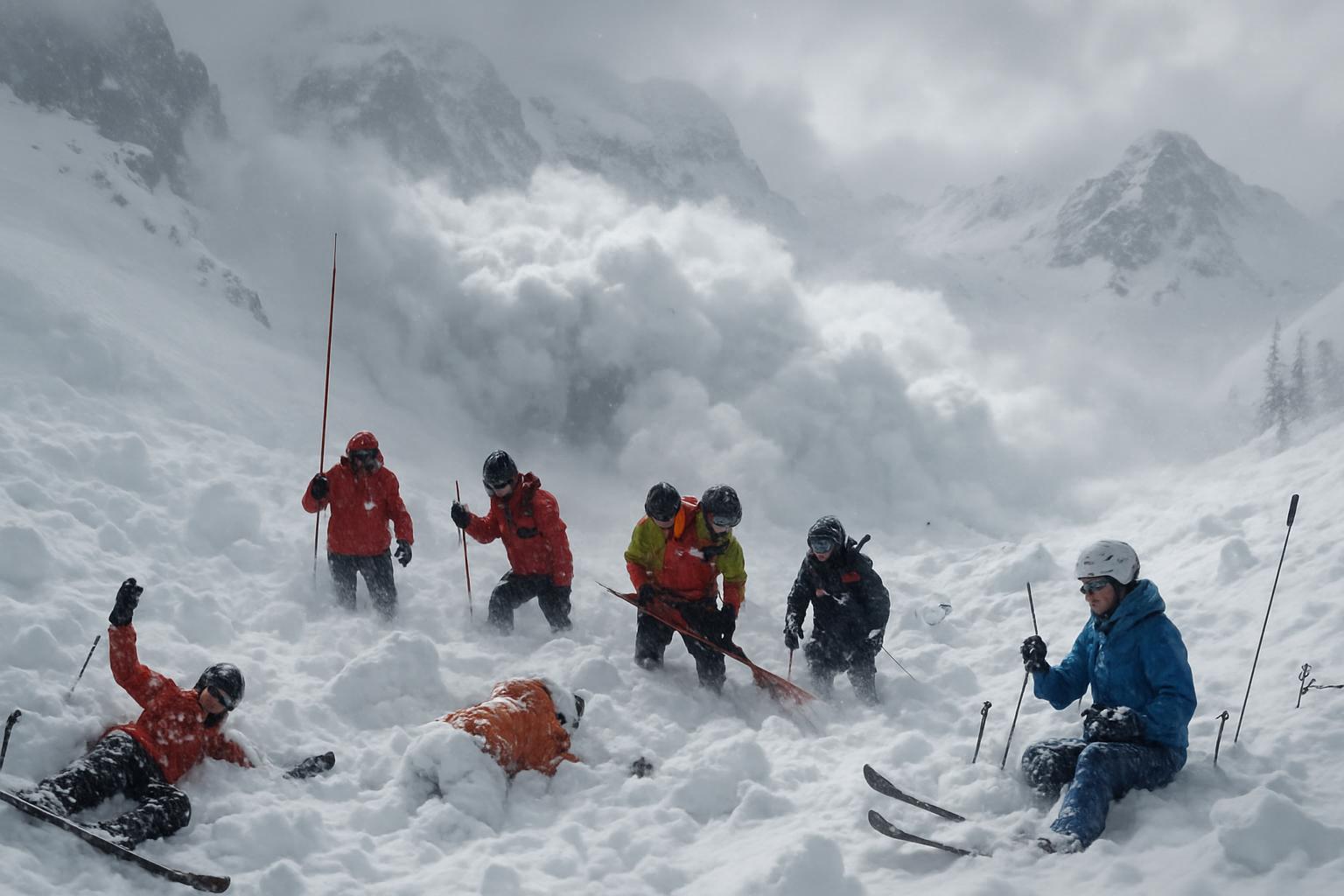
Tragic Avalanche in California's Sierra Nevada Claims Eight Lives

Tragedy Strikes as Avalanche Claims Eight Lives in California's Sierra Nevada
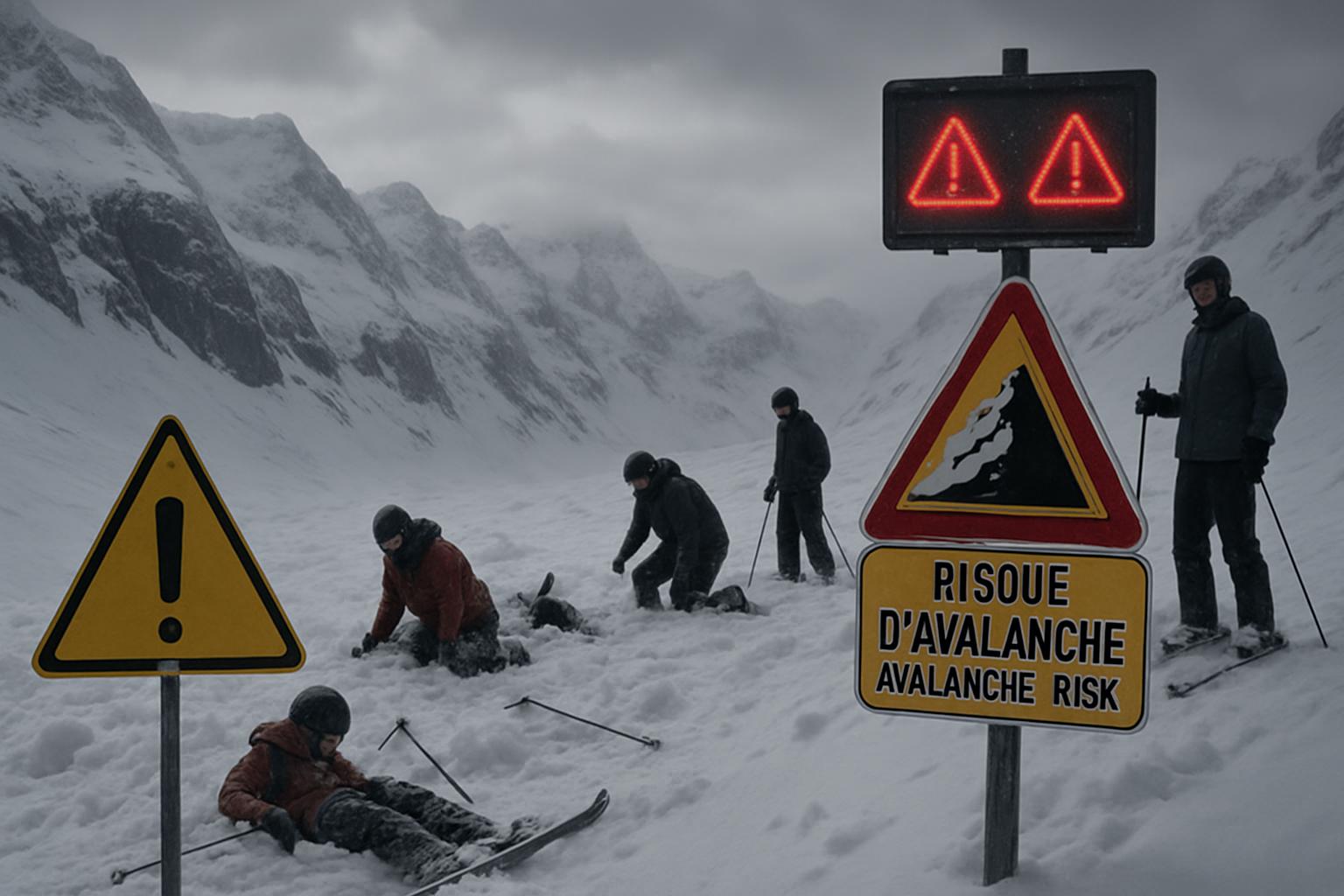
Avalanche Tragedies in the French Alps Claim Lives of British Skiers
Avalanche Risks Surge Amidst Extreme Weather Conditions in California and Europe
In This Article
 Leila Hassan| Published
 HIGHLIGHTS
- Avalanches in California and the Alps have resulted in over 90 fatalities this season, highlighting increased avalanche risks.
- California's Sierra Nevada experienced a deadly avalanche due to a snow drought followed by intense snowfall, causing unstable snowpack conditions.
- The Alps have seen severe storms and heavy snow, leading to high avalanche warnings and evacuations in Switzerland and Italy.
- Scotland's ski resorts are experiencing their best season in six years, despite increased avalanche risks due to heavy snow and high winds.
- Experts link extreme weather patterns to climate change, but note that multiple factors influence avalanche risks.
Recent avalanches in California and the Alps have claimed over 90 lives, underscoring the heightened risks associated with extreme weather patterns. The Sierra Nevada in California witnessed its deadliest avalanche in modern times, while the Alps have been battered by severe storms, leading to numerous fatalities and disruptions.
California's Deadly Avalanche
In California, the Sierra Nevada mountains have been grappling with high avalanche risks following a deadly snowslide. The region, which recently emerged from a snow drought, was hit by intense snowfall, creating unstable snowpack conditions. The Sierra Avalanche Center warned of large avalanches due to the heavy snow and strong winds. Daniel Swain, a climate scientist, described the situation as "Sierra Cement," referring to the dense, wet snow that accumulated rapidly, exacerbating avalanche risks.
Alpine Challenges
Across the Atlantic, the Alps have experienced two major storms in a week, resulting in heavy snow and strong winds. This has led to high avalanche warnings across a large part of the region. Switzerland and northern Italy have faced evacuations, power outages, and even a train derailment due to the severe weather. Experts like Benjamin Zweifel from the Swiss Federal Institute for Snow and Avalanche Research highlight the weak snowpack and persistent weak layers as key challenges this season.
Scotland's Snowy Success
Meanwhile, Scotland's ski resorts are enjoying their best winter in six years, despite the increased avalanche risks. Glenshee and Glencoe Mountain report fantastic conditions, with high visitor numbers. However, the Scottish Avalanche Information Service has recorded a significant increase in avalanches, attributed to heavy snow and high winds.
Climate Change and Avalanche Risks
Experts suggest that climate change is contributing to these extreme weather patterns, with sharper swings between dry periods and severe storms. Simon Mason from SEI US notes that while climate change influences precipitation, it is just one of many factors affecting avalanche risks. Christoph Marthy, a climatologist, points out that the current Alpine winter contrasts with typical climate change patterns, adding complexity to the situation.
WHAT THIS MIGHT MEAN
As climate change continues to influence weather patterns, regions like California and the Alps may face more frequent and severe avalanches. This could lead to increased safety measures and preparedness efforts in affected areas. In Scotland, while the current ski season is thriving, resorts may need to adapt to changing weather conditions to maintain safety and operations. Experts will likely continue to study the multifaceted impacts of climate change on snowpack stability and avalanche risks, providing crucial insights for future mitigation strategies.
Images from the Web
Related Articles
California Avalanche Leaves Ten Skiers Missing Amid Severe Weather
Saharan Dust to Illuminate UK Skies with Vivid Sunrises and Sunsets
Tragedy in the Sierra Nevada: Deadly Avalanche Claims Nine Lives
Tragic Avalanche in California's Sierra Nevada Claims Eight Lives
Tragedy Strikes as Avalanche Claims Eight Lives in California's Sierra Nevada
Avalanche Tragedies in the French Alps Claim Lives of British Skiers