
Blaise Metreweli Makes History as First Female Chief of MI6
In This Article
HIGHLIGHTS
- Blaise Metreweli has been appointed as the first female chief of MI6, marking a historic moment in the agency's 116-year history.
- Metreweli, who joined MI6 in 1999, will succeed Sir Richard Moore later this year, becoming the 18th chief of the organization.
- She currently leads MI6's Q division, focusing on technology and innovation, and has extensive experience in the Middle East and Europe.
- Prime Minister Keir Starmer emphasized the significance of her appointment amid growing global threats to UK security.
- Metreweli's appointment aligns with a broader trend of increasing female leadership within UK intelligence services.
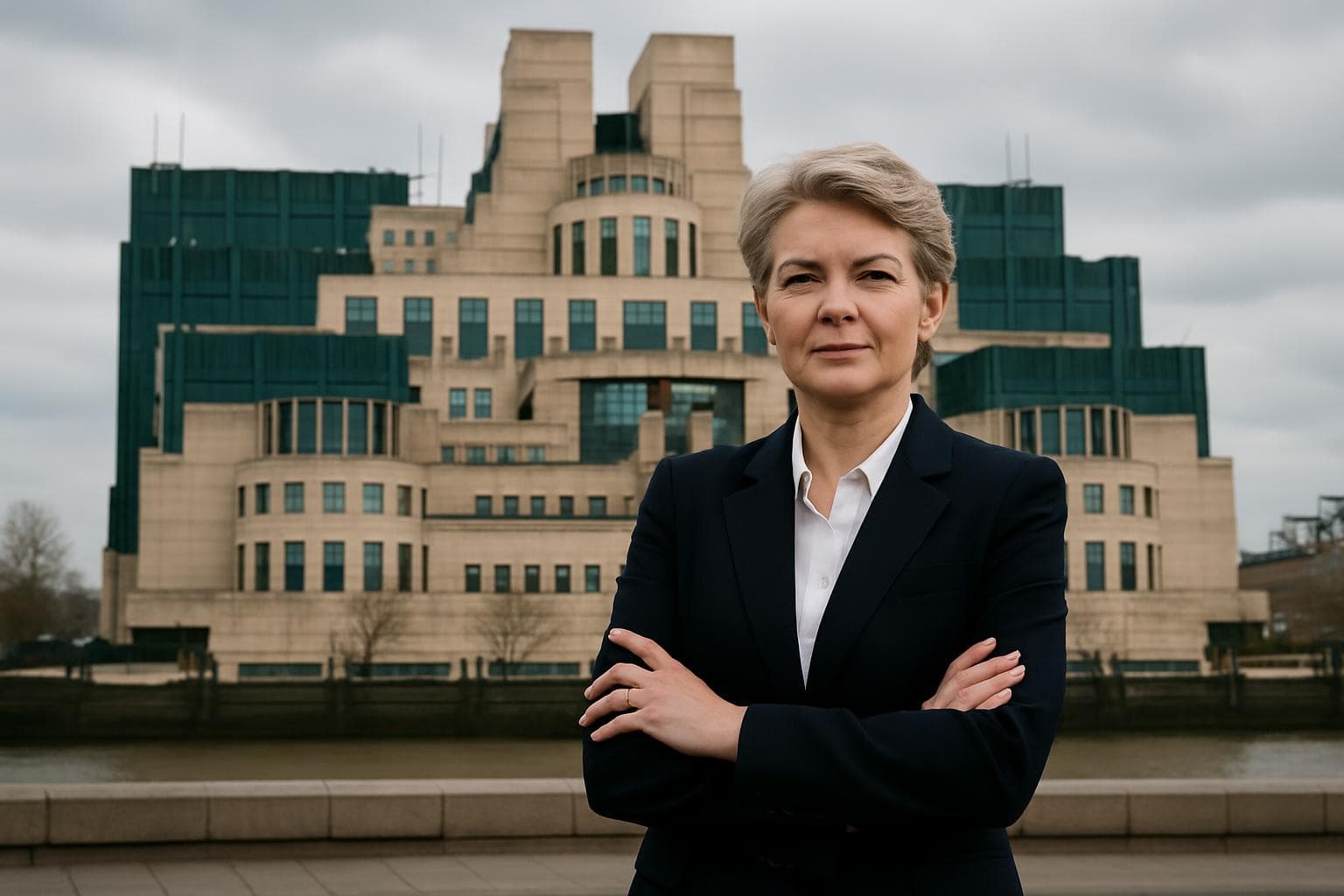
In a groundbreaking appointment, Blaise Metreweli has been named the first female chief of MI6, the UK's foreign intelligence service, in its 116-year history. Metreweli, a seasoned intelligence officer who joined the agency in 1999, will take over from Sir Richard Moore later this year, becoming the 18th chief of the organization.
A Career in Intelligence
Currently serving as the Director General of MI6's Q division, Metreweli is responsible for spearheading technology and innovation efforts within the agency. Her role involves developing strategies to protect the identities of secret agents and countering threats from adversaries like China's biometric surveillance. Metreweli's extensive career includes significant operational roles in the Middle East and Europe, and she has previously held director-level positions in MI5, the UK's domestic security agency.
Historic Appointment Amid Global Threats
Prime Minister Keir Starmer hailed Metreweli's appointment as "historic," noting its significance at a time when the UK's intelligence services face unprecedented challenges. "The United Kingdom is confronting threats on an unprecedented scale, from aggressive state actors to sophisticated cyber-attacks," Starmer stated. Metreweli echoed these sentiments, expressing her pride in leading MI6 and her commitment to working alongside the agency's officers and international partners to safeguard British security.
A New Era for MI6
Metreweli's appointment reflects a broader trend of increasing female leadership within UK intelligence services. While MI5 and GCHQ have previously been led by women, MI6 has never had a female chief until now. Her leadership is expected to bring a fresh perspective to the agency's mission of gathering foreign intelligence to protect the UK from terrorism, hostile states, and cyber threats.
The Legacy of Sir Richard Moore
Metreweli will succeed Sir Richard Moore, who has served as MI6 chief since September 2020. Moore's tenure, marked by a high-profile diplomatic background, is set to conclude after nearly five years, the typical maximum term for British spy chiefs. His successor, Metreweli, brings a wealth of experience from within the intelligence community, promising continuity and innovation in the agency's operations.
WHAT THIS MIGHT MEAN
Metreweli's appointment as MI6 chief could signal a shift towards greater emphasis on technology and innovation in intelligence operations, given her background in leading the agency's Q division. Her leadership may also enhance collaboration with international partners, particularly in addressing global security threats such as cyber-attacks and state-sponsored espionage.
As the first woman to lead MI6, Metreweli's tenure could inspire further diversification within the UK's intelligence community, potentially encouraging more women to pursue careers in this traditionally male-dominated field. Her appointment may also influence broader discussions on gender equality and leadership within national security agencies worldwide.
Looking ahead, Metreweli's strategic priorities will likely focus on strengthening the UK's defenses against emerging threats while maintaining the agency's core mission of protecting national security. Her leadership could pave the way for innovative approaches to intelligence gathering and analysis, ensuring MI6 remains at the forefront of global security efforts.
Images from the Web
Related Articles

UK Faces Dilemmas Amid Iran Conflict and China Spying Allegations

Labour MP's Husband Arrested in UK-China Espionage Probe
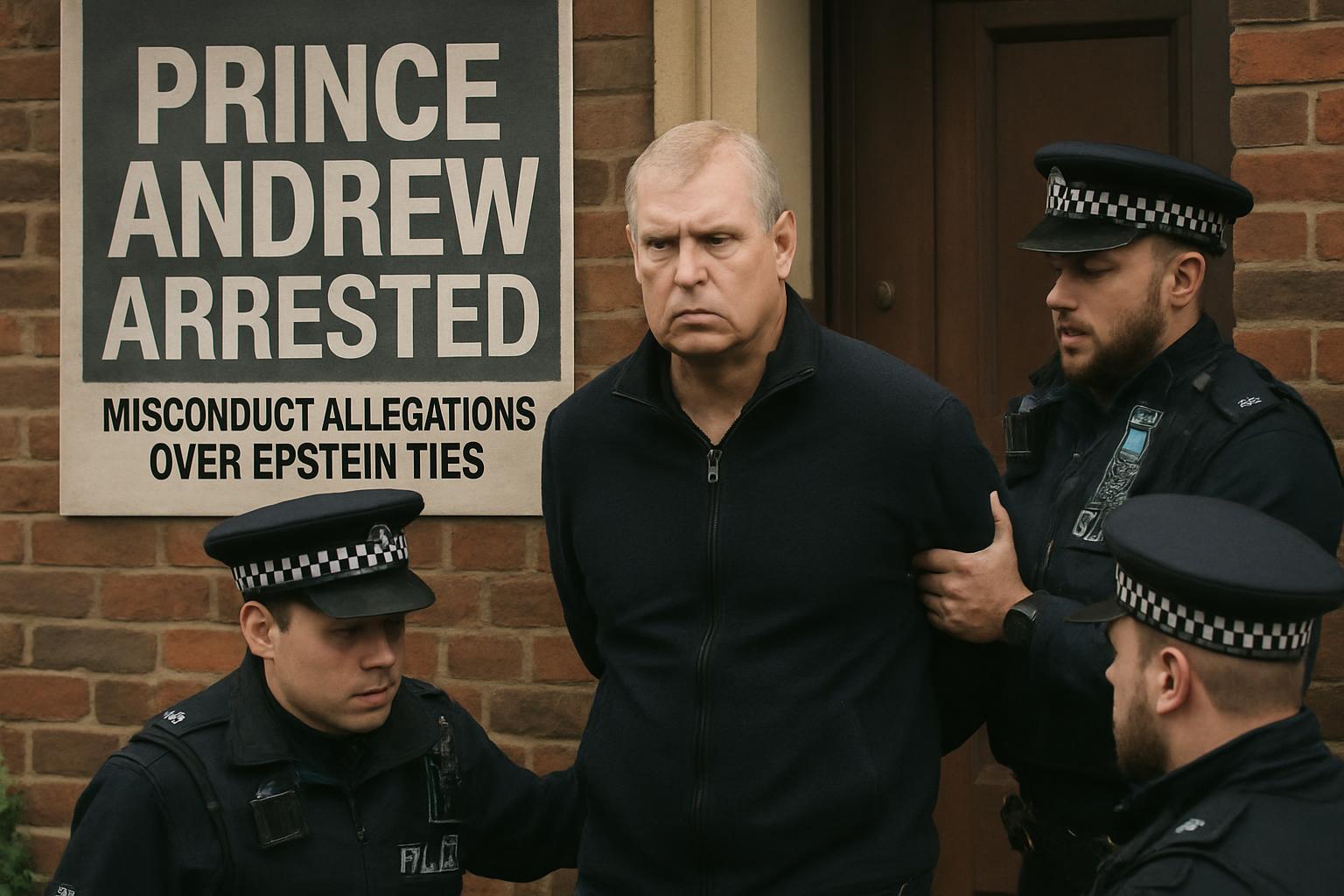
Andrew Mountbatten-Windsor Arrested Amid Misconduct Allegations

Breakthrough Drug Offers Hope for Children with Severe Epilepsy

Government Announces £4 Billion Overhaul of SEND Support in England

Arrest of Andrew Mountbatten-Windsor Captured in Iconic Photograph
Blaise Metreweli Makes History as First Female Chief of MI6
In This Article
 Ethan Brooks| Published
 HIGHLIGHTS
- Blaise Metreweli has been appointed as the first female chief of MI6, marking a historic moment in the agency's 116-year history.
- Metreweli, who joined MI6 in 1999, will succeed Sir Richard Moore later this year, becoming the 18th chief of the organization.
- She currently leads MI6's Q division, focusing on technology and innovation, and has extensive experience in the Middle East and Europe.
- Prime Minister Keir Starmer emphasized the significance of her appointment amid growing global threats to UK security.
- Metreweli's appointment aligns with a broader trend of increasing female leadership within UK intelligence services.
In a groundbreaking appointment, Blaise Metreweli has been named the first female chief of MI6, the UK's foreign intelligence service, in its 116-year history. Metreweli, a seasoned intelligence officer who joined the agency in 1999, will take over from Sir Richard Moore later this year, becoming the 18th chief of the organization.
A Career in Intelligence
Currently serving as the Director General of MI6's Q division, Metreweli is responsible for spearheading technology and innovation efforts within the agency. Her role involves developing strategies to protect the identities of secret agents and countering threats from adversaries like China's biometric surveillance. Metreweli's extensive career includes significant operational roles in the Middle East and Europe, and she has previously held director-level positions in MI5, the UK's domestic security agency.
Historic Appointment Amid Global Threats
Prime Minister Keir Starmer hailed Metreweli's appointment as "historic," noting its significance at a time when the UK's intelligence services face unprecedented challenges. "The United Kingdom is confronting threats on an unprecedented scale, from aggressive state actors to sophisticated cyber-attacks," Starmer stated. Metreweli echoed these sentiments, expressing her pride in leading MI6 and her commitment to working alongside the agency's officers and international partners to safeguard British security.
A New Era for MI6
Metreweli's appointment reflects a broader trend of increasing female leadership within UK intelligence services. While MI5 and GCHQ have previously been led by women, MI6 has never had a female chief until now. Her leadership is expected to bring a fresh perspective to the agency's mission of gathering foreign intelligence to protect the UK from terrorism, hostile states, and cyber threats.
The Legacy of Sir Richard Moore
Metreweli will succeed Sir Richard Moore, who has served as MI6 chief since September 2020. Moore's tenure, marked by a high-profile diplomatic background, is set to conclude after nearly five years, the typical maximum term for British spy chiefs. His successor, Metreweli, brings a wealth of experience from within the intelligence community, promising continuity and innovation in the agency's operations.
WHAT THIS MIGHT MEAN
Metreweli's appointment as MI6 chief could signal a shift towards greater emphasis on technology and innovation in intelligence operations, given her background in leading the agency's Q division. Her leadership may also enhance collaboration with international partners, particularly in addressing global security threats such as cyber-attacks and state-sponsored espionage.
As the first woman to lead MI6, Metreweli's tenure could inspire further diversification within the UK's intelligence community, potentially encouraging more women to pursue careers in this traditionally male-dominated field. Her appointment may also influence broader discussions on gender equality and leadership within national security agencies worldwide.
Looking ahead, Metreweli's strategic priorities will likely focus on strengthening the UK's defenses against emerging threats while maintaining the agency's core mission of protecting national security. Her leadership could pave the way for innovative approaches to intelligence gathering and analysis, ensuring MI6 remains at the forefront of global security efforts.
Images from the Web
Related Articles
UK Faces Dilemmas Amid Iran Conflict and China Spying Allegations
Labour MP's Husband Arrested in UK-China Espionage Probe
Andrew Mountbatten-Windsor Arrested Amid Misconduct Allegations
Breakthrough Drug Offers Hope for Children with Severe Epilepsy
Government Announces £4 Billion Overhaul of SEND Support in England
Arrest of Andrew Mountbatten-Windsor Captured in Iconic Photograph