
Boeing's Oversight in Engine Defect Linked to Fatal UPS Plane Crash
In This Article
HIGHLIGHTS
- A UPS MD-11F cargo plane crashed in Louisville, Kentucky, on November 4, 2025, killing 15 people, including three crew members.
- The NTSB report revealed that Boeing was aware of a defect in the engine mounting assembly, linked to previous failures on similar aircraft.
- Boeing had issued a non-mandatory service letter in 2011, advising inspections every five years, but did not classify the defect as a flight safety issue.
- The crash has led to at least one lawsuit, with claims of negligence against UPS for continuing to operate the aircraft despite known issues.
- Both Boeing and UPS have expressed condolences and are cooperating with the ongoing investigation.
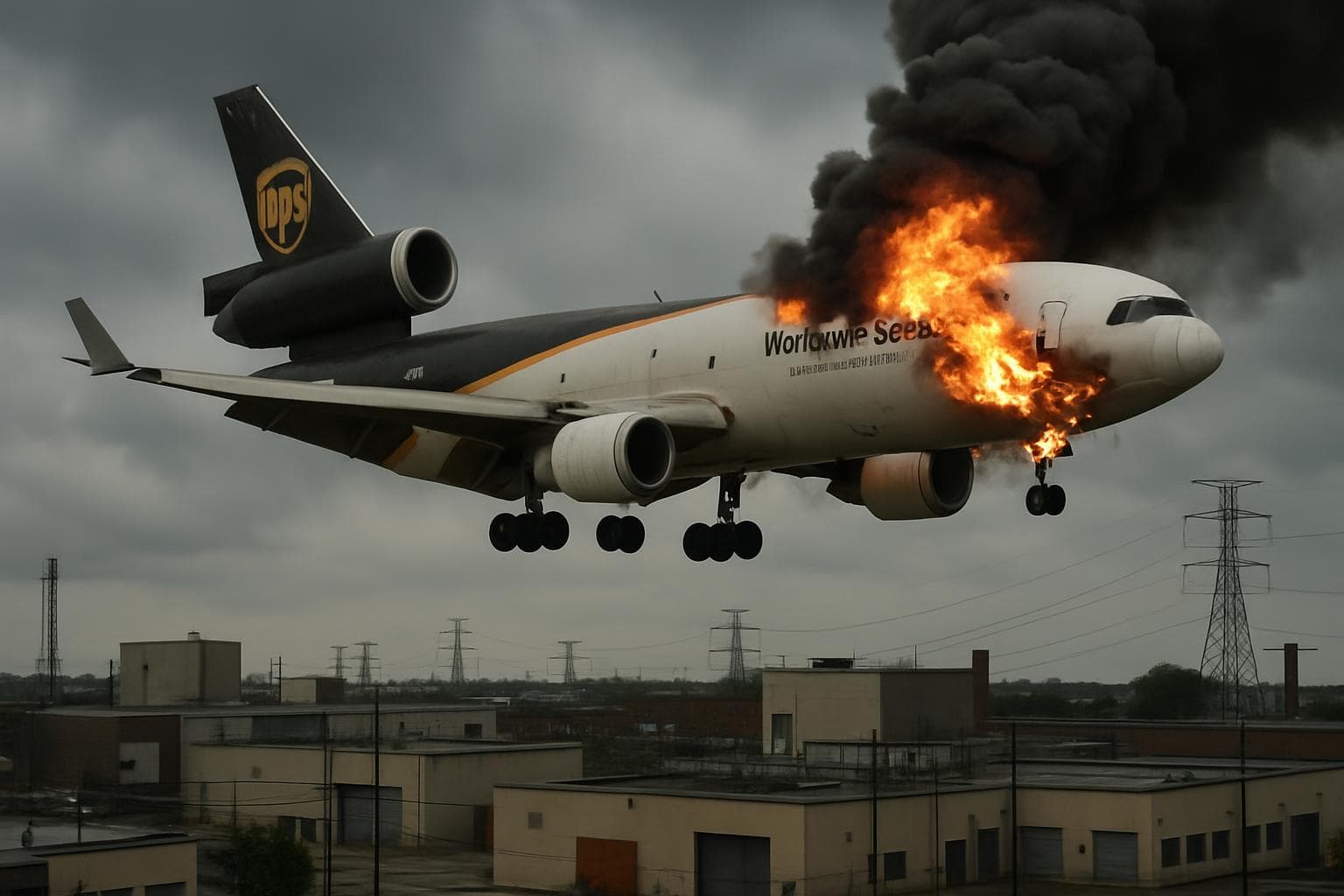
A tragic plane crash in Louisville, Kentucky, on November 4, 2025, has spotlighted Boeing's handling of a known defect in the MD-11F aircraft. The UPS cargo plane, which crashed shortly after takeoff, resulted in the deaths of 15 people, including three crew members and 12 individuals on the ground. The National Transportation Safety Board (NTSB) has since revealed that Boeing was aware of a structural flaw in the engine mounting assembly, a defect that had been identified in similar aircraft over a decade ago.
Background of the Incident
The MD-11F freighter, a model originally produced by McDonnell Douglas and later acquired by Boeing, crashed after one of its engines detached from the wing, causing the aircraft to lose control and plummet into an industrial area. Witnesses reported seeing flames on the wing as the plane attempted to gain altitude. The crash has prompted UPS and FedEx to temporarily ground their fleets of MD-11s as a precautionary measure.
NTSB Findings and Boeing's Response
The NTSB's investigative update disclosed that Boeing had documented failures of the engine mounting assembly on four occasions across three different aircraft. In 2011, Boeing issued a service letter to operators, recommending visual inspections every five years but did not mandate immediate repairs, as the defect was not considered a flight safety issue. Aviation safety consultant Tim Atkinson criticized Boeing's assessment, stating, "It's extraordinary that Boeing concluded that a failure of this part would not have safety consequences."
Legal and Corporate Reactions
The crash has already led to legal action, with at least one lawsuit filed against UPS, alleging negligence for operating the aircraft despite known maintenance problems. Boeing and UPS have both expressed their condolences to the affected families and are cooperating with the NTSB's ongoing investigation. A Boeing spokesperson reiterated the company's commitment to supporting the investigation, while UPS remains focused on recovery efforts.
WHAT THIS MIGHT MEAN
The NTSB's findings could have significant implications for Boeing, potentially leading to increased scrutiny of its safety protocols and maintenance recommendations. The revelation of Boeing's prior knowledge of the defect may also influence ongoing and future litigation, possibly resulting in substantial financial and reputational consequences for the company. Aviation experts suggest that this incident could prompt regulatory bodies to enforce stricter inspection and maintenance guidelines for aging aircraft models, ensuring enhanced safety measures are in place to prevent similar tragedies.
Related Articles
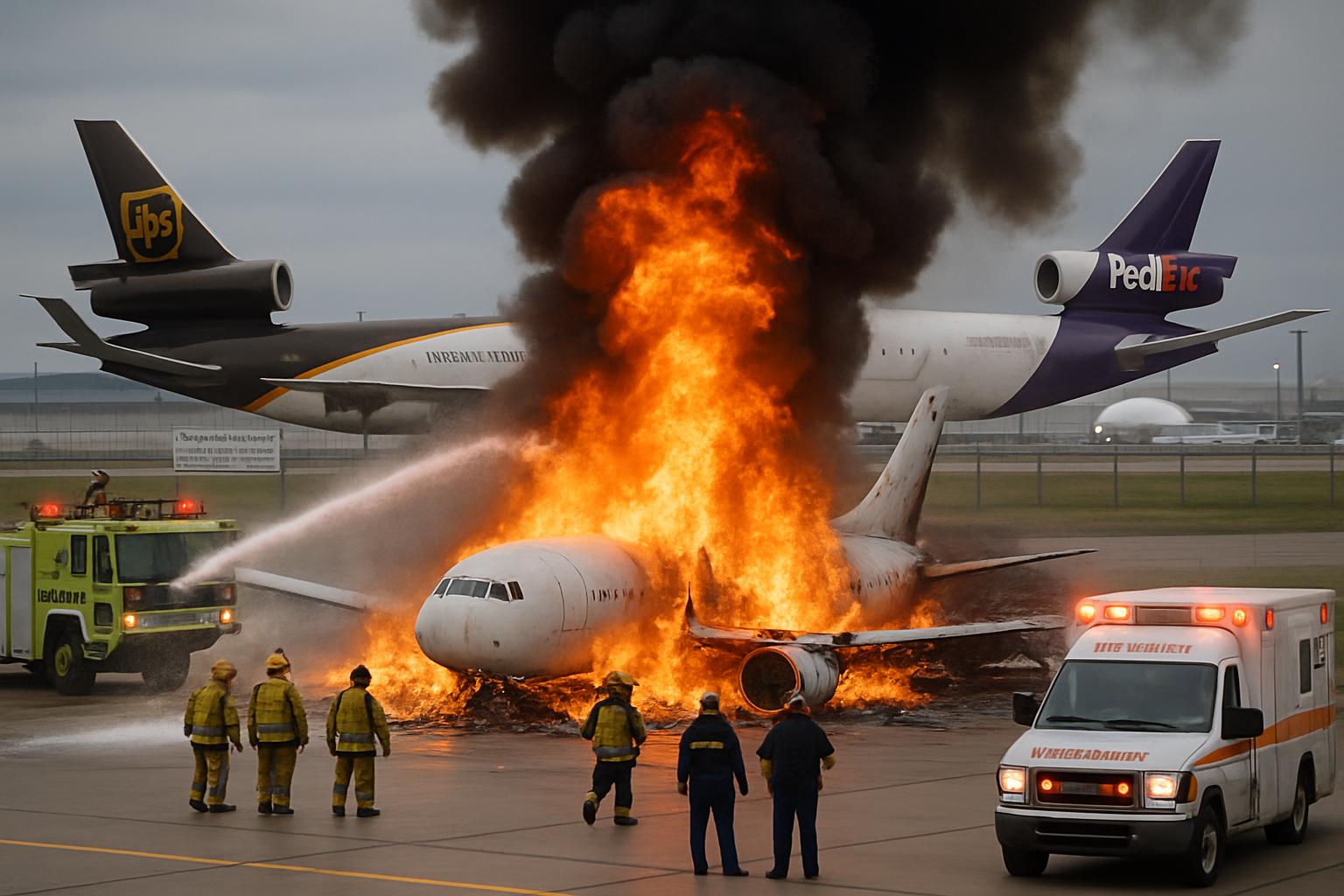
UPS and FedEx Ground MD-11 Planes After Fatal Louisville Crash
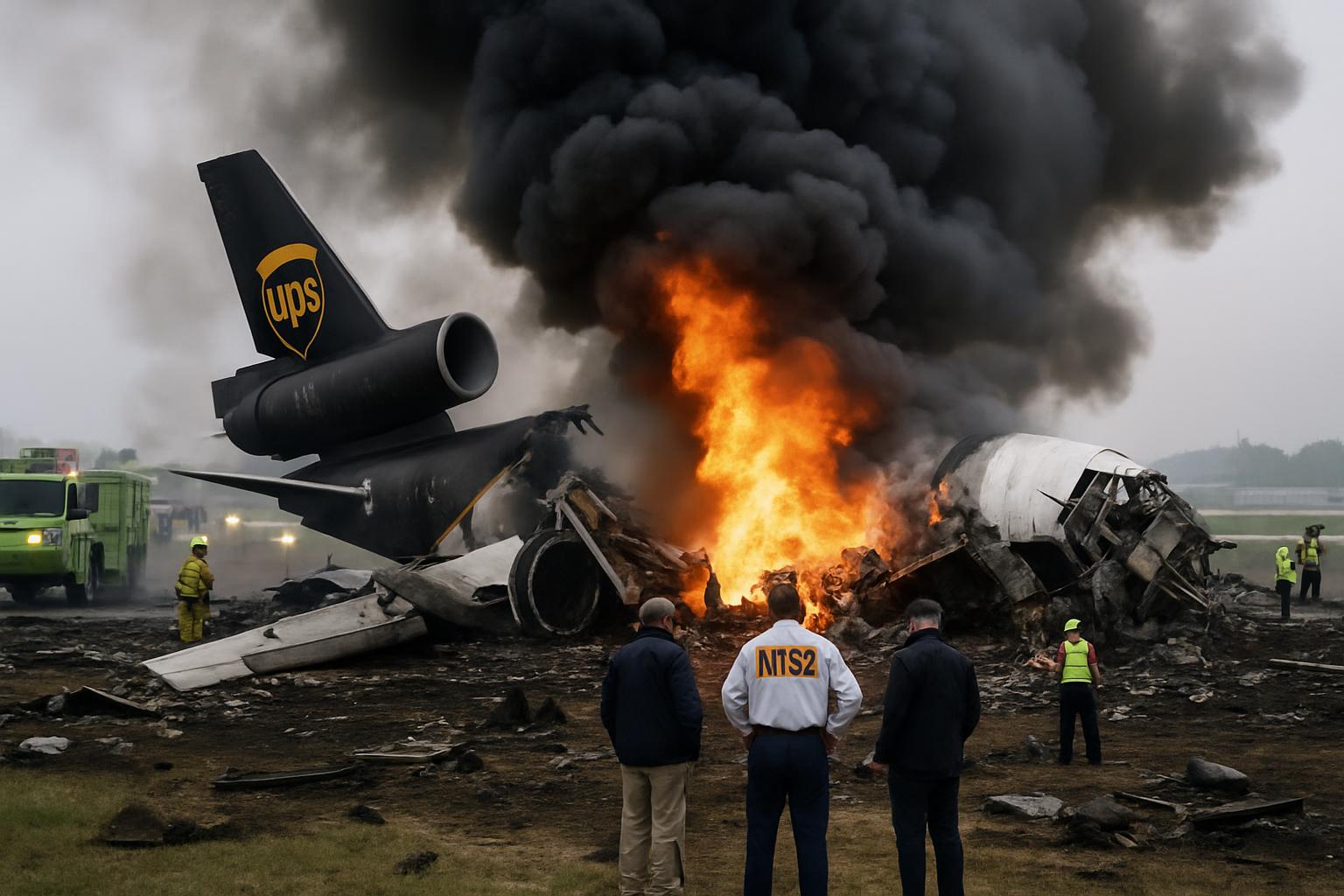
Tragic UPS Cargo Plane Crash in Kentucky Leaves Seven Dead and Sparks Major Investigation
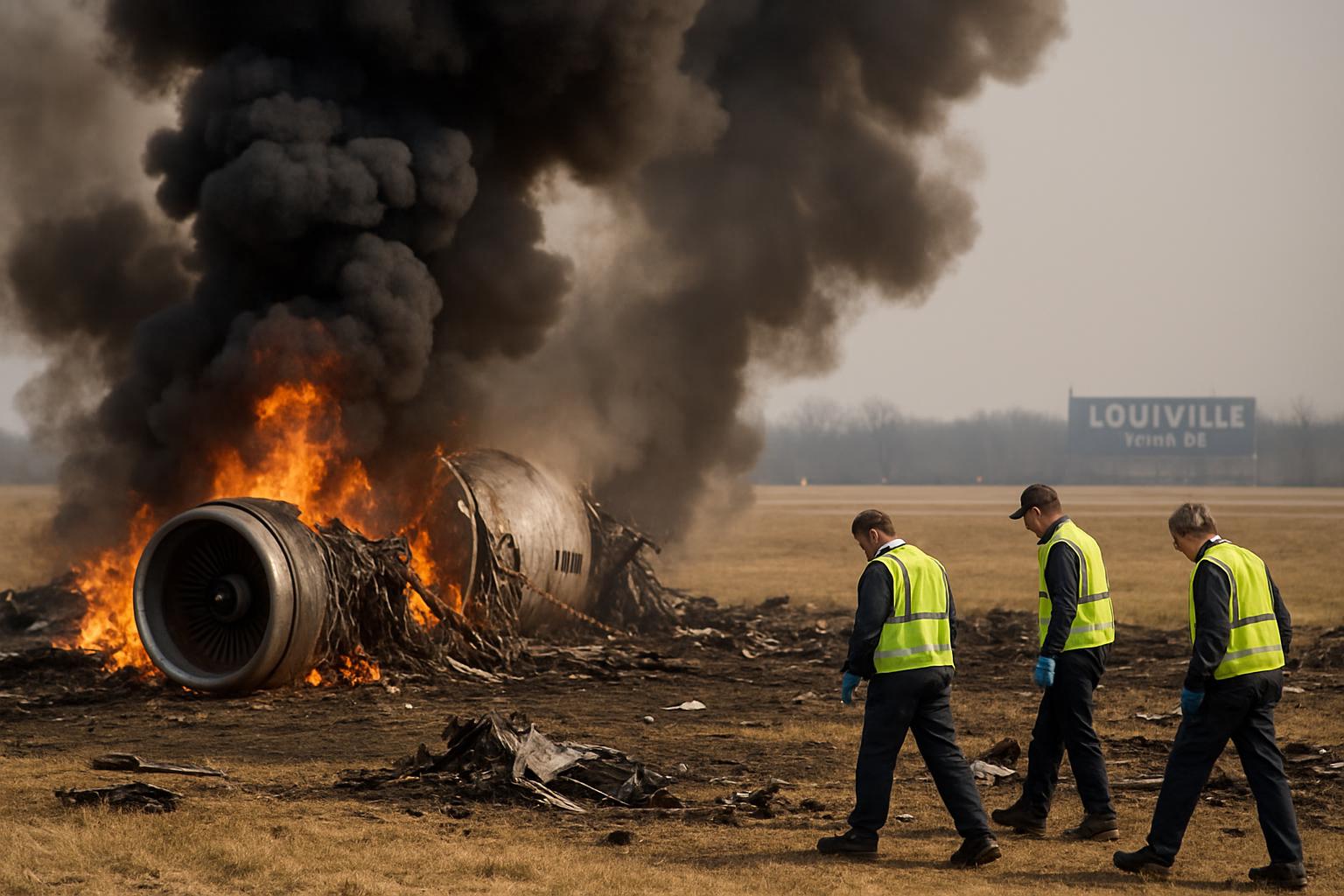
Kentucky Plane Crash Claims 12 Lives as Investigators Probe Engine Detachment

Senate Blocks Resolution to Limit Trump's Military Actions in Iran

Tragic Helicopter Collision in New Jersey Leaves One Dead, One Critically Injured
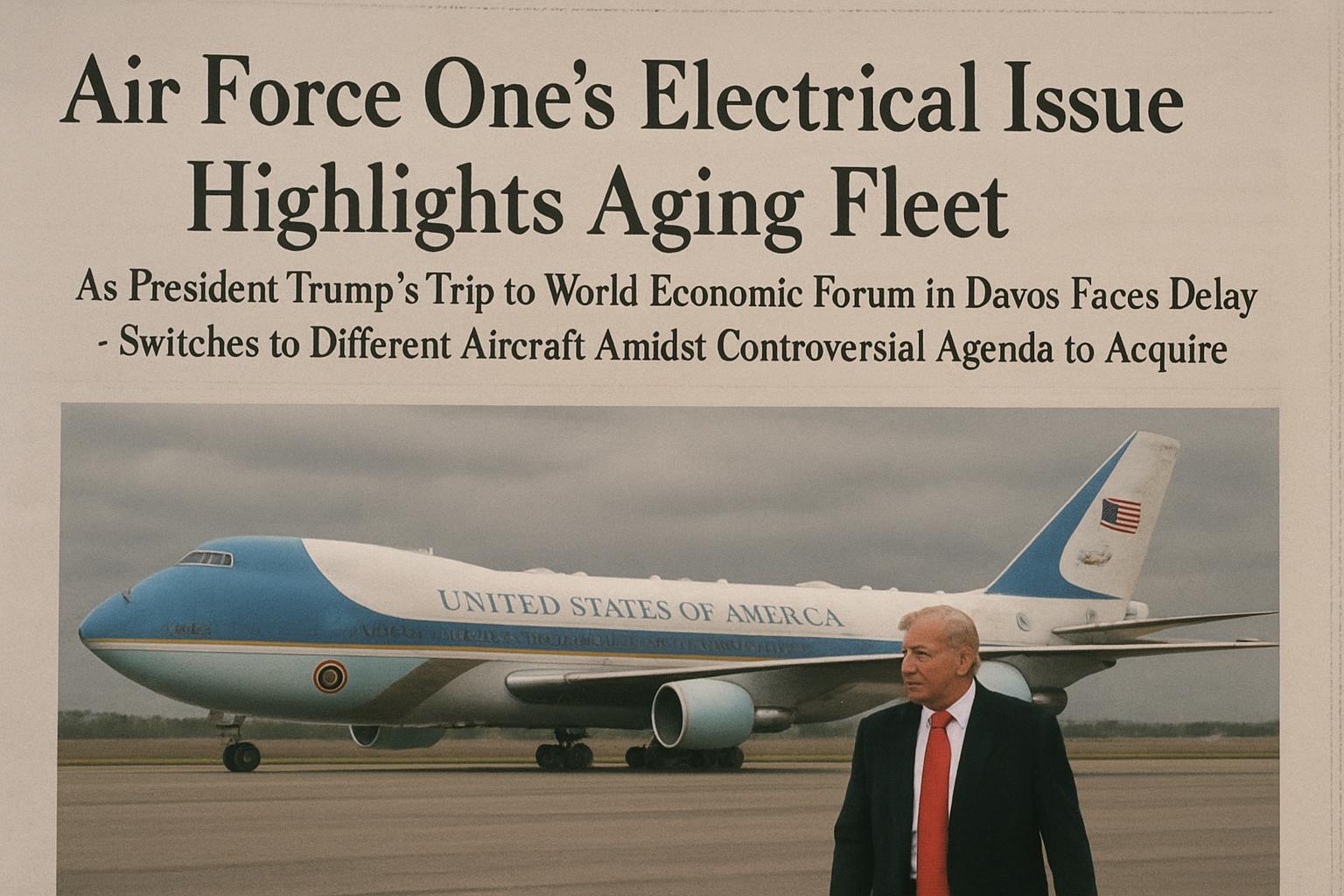
Air Force One's Electrical Issue Delays Trump's Davos Visit
Boeing's Oversight in Engine Defect Linked to Fatal UPS Plane Crash
In This Article
 Ethan Brooks| Published
 HIGHLIGHTS
- A UPS MD-11F cargo plane crashed in Louisville, Kentucky, on November 4, 2025, killing 15 people, including three crew members.
- The NTSB report revealed that Boeing was aware of a defect in the engine mounting assembly, linked to previous failures on similar aircraft.
- Boeing had issued a non-mandatory service letter in 2011, advising inspections every five years, but did not classify the defect as a flight safety issue.
- The crash has led to at least one lawsuit, with claims of negligence against UPS for continuing to operate the aircraft despite known issues.
- Both Boeing and UPS have expressed condolences and are cooperating with the ongoing investigation.
A tragic plane crash in Louisville, Kentucky, on November 4, 2025, has spotlighted Boeing's handling of a known defect in the MD-11F aircraft. The UPS cargo plane, which crashed shortly after takeoff, resulted in the deaths of 15 people, including three crew members and 12 individuals on the ground. The National Transportation Safety Board (NTSB) has since revealed that Boeing was aware of a structural flaw in the engine mounting assembly, a defect that had been identified in similar aircraft over a decade ago.
Background of the Incident
The MD-11F freighter, a model originally produced by McDonnell Douglas and later acquired by Boeing, crashed after one of its engines detached from the wing, causing the aircraft to lose control and plummet into an industrial area. Witnesses reported seeing flames on the wing as the plane attempted to gain altitude. The crash has prompted UPS and FedEx to temporarily ground their fleets of MD-11s as a precautionary measure.
NTSB Findings and Boeing's Response
The NTSB's investigative update disclosed that Boeing had documented failures of the engine mounting assembly on four occasions across three different aircraft. In 2011, Boeing issued a service letter to operators, recommending visual inspections every five years but did not mandate immediate repairs, as the defect was not considered a flight safety issue. Aviation safety consultant Tim Atkinson criticized Boeing's assessment, stating, "It's extraordinary that Boeing concluded that a failure of this part would not have safety consequences."
Legal and Corporate Reactions
The crash has already led to legal action, with at least one lawsuit filed against UPS, alleging negligence for operating the aircraft despite known maintenance problems. Boeing and UPS have both expressed their condolences to the affected families and are cooperating with the NTSB's ongoing investigation. A Boeing spokesperson reiterated the company's commitment to supporting the investigation, while UPS remains focused on recovery efforts.
WHAT THIS MIGHT MEAN
The NTSB's findings could have significant implications for Boeing, potentially leading to increased scrutiny of its safety protocols and maintenance recommendations. The revelation of Boeing's prior knowledge of the defect may also influence ongoing and future litigation, possibly resulting in substantial financial and reputational consequences for the company. Aviation experts suggest that this incident could prompt regulatory bodies to enforce stricter inspection and maintenance guidelines for aging aircraft models, ensuring enhanced safety measures are in place to prevent similar tragedies.
Related Articles
UPS and FedEx Ground MD-11 Planes After Fatal Louisville Crash
Tragic UPS Cargo Plane Crash in Kentucky Leaves Seven Dead and Sparks Major Investigation
Kentucky Plane Crash Claims 12 Lives as Investigators Probe Engine Detachment
Senate Blocks Resolution to Limit Trump's Military Actions in Iran
Tragic Helicopter Collision in New Jersey Leaves One Dead, One Critically Injured
Air Force One's Electrical Issue Delays Trump's Davos Visit