
DNA Analysis Unveils Ancient Egyptian-Mesopotamian Connection

In This Article
HIGHLIGHTS
- DNA analysis of a 4,500-year-old skeleton reveals a genetic link between Ancient Egypt and Mesopotamia, indicating historical migration.
- The skeleton, found in a pottery vessel in Nuwayrat, is the first ancient Egyptian to undergo whole genome analysis.
- The man, likely a potter, had a genetic makeup showing 20% ancestry from the Fertile Crescent, supporting theories of cultural exchange.
- The discovery provides biological evidence of early trade and idea exchange between these ancient civilizations.
- Researchers aim to expand DNA studies to further understand the extent and timing of these historical migrations.
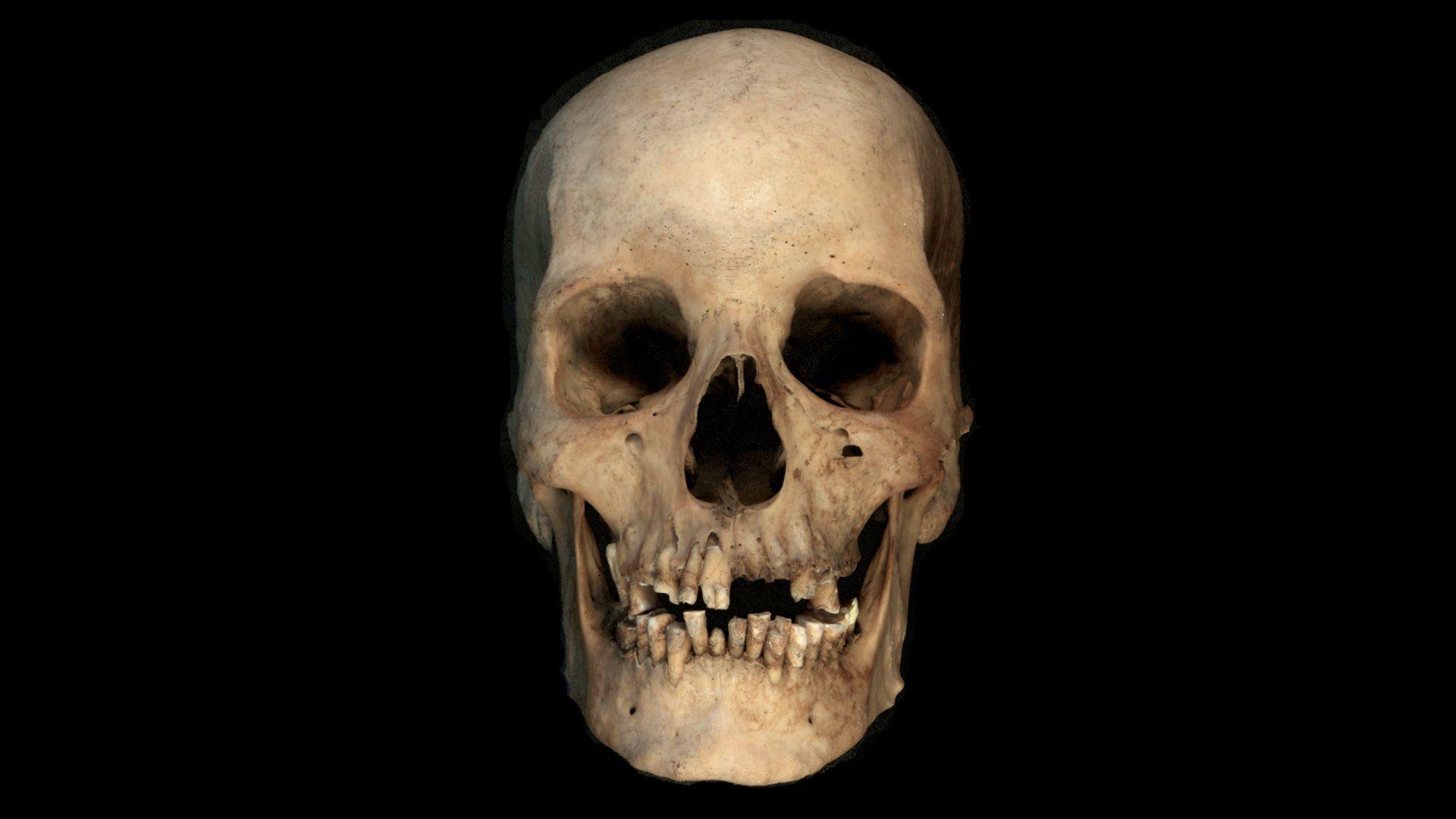
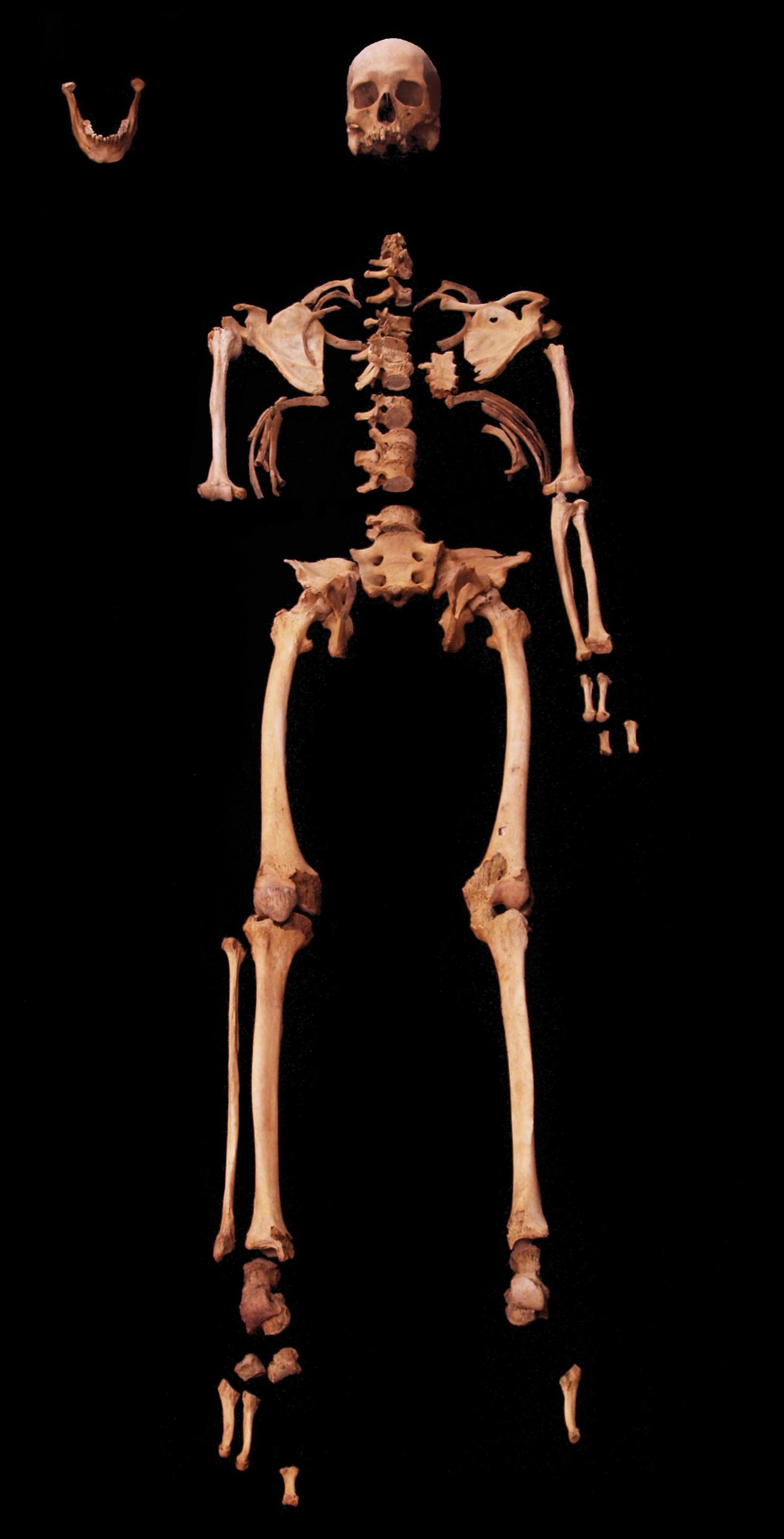
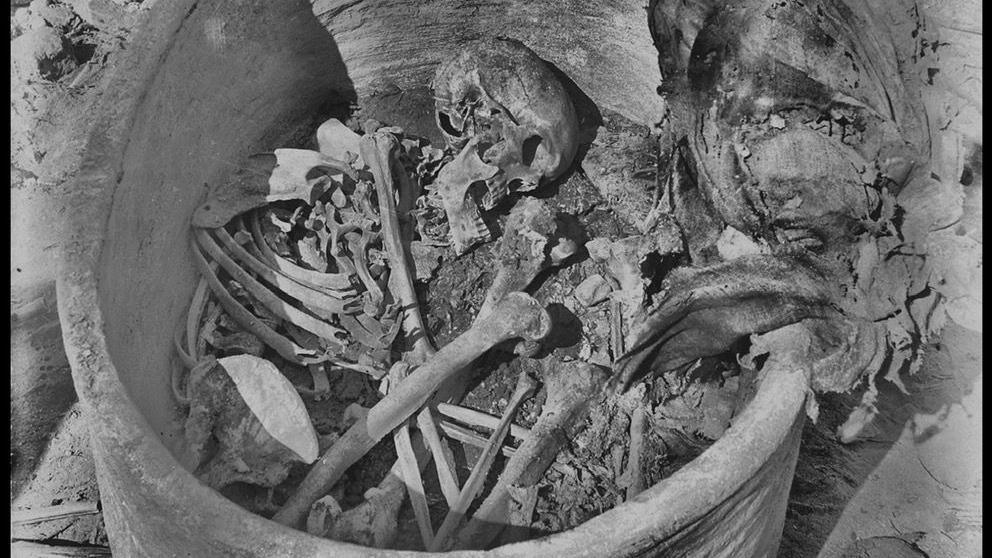
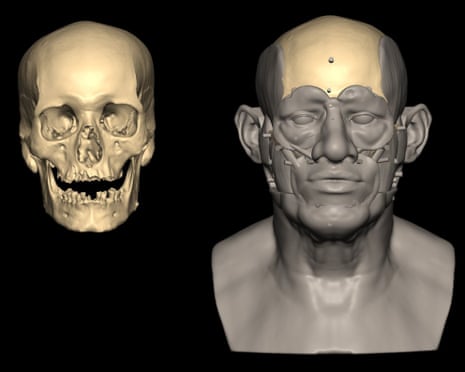
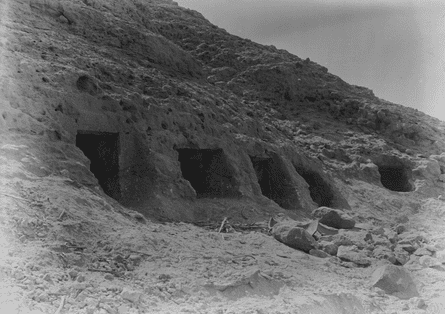
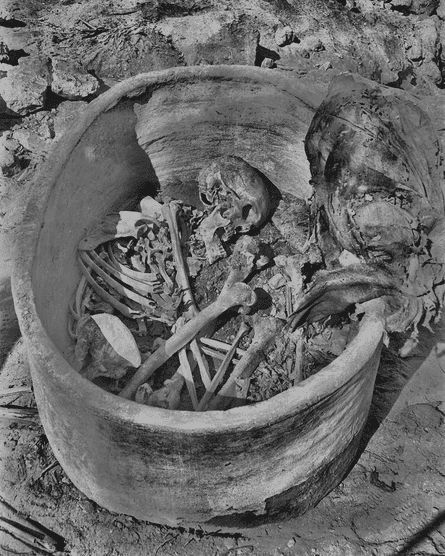
A groundbreaking DNA analysis of a 4,500-year-old skeleton has provided the first biological evidence of a historical connection between Ancient Egypt and Mesopotamia. The remains, discovered in a pottery vessel in Nuwayrat, 165 miles south of Cairo, have undergone whole genome sequencing, revealing significant insights into the ancestry and life of this ancient individual.
Unveiling Ancient Links
The skeleton belonged to a man who lived during the transformative period of the Old Kingdom, known as the Age of the Pyramids. His DNA, remarkably preserved despite the harsh climate, shows that 20% of his genetic makeup originated from the Fertile Crescent, a region in the Middle East. This finding supports longstanding archaeological theories of trade and cultural exchange between these two early civilizations.
A Glimpse into Ancient Lives
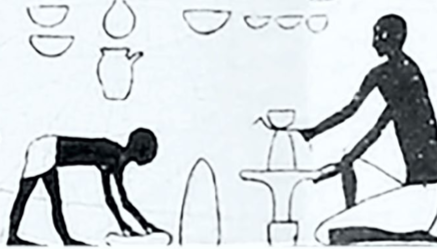
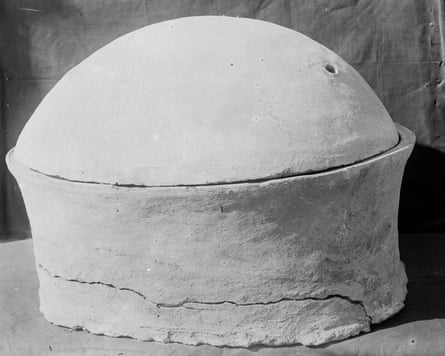
The man, believed to have been in his 60s, likely worked as a potter, a profession suggested by the wear patterns on his bones. His burial in a ceramic pot, before the advent of artificial mummification, may have contributed to the preservation of his DNA. The genetic analysis, led by Prof. Pontus Skoglund at the Francis Crick Institute, offers a rare glimpse into the ancestry of an early Egyptian, providing a new perspective on historical migration patterns.
Expanding Historical Understanding
This discovery is a significant step in understanding the movement of people and ideas in ancient times. Adeline Morez Jacobs, who conducted the analysis as part of her PhD at Liverpool John Moores University, emphasized the importance of this evidence in confirming the exchange of ideas and technologies, such as writing and agriculture, between Egypt and Mesopotamia. "Now we have the evidence that they were in contact and exchanging ideas," she stated.
WHAT THIS MIGHT MEAN
The implications of this discovery are profound, potentially rewriting parts of ancient history by providing tangible evidence of early cultural exchanges. As researchers continue to analyze DNA from other ancient Egyptian remains, they hope to map out the precise timeline and extent of these migrations. This could lead to a deeper understanding of how ancient civilizations influenced each other, shaping the course of human history. The findings also highlight the potential of genetic analysis as a tool for historians, offering a more inclusive view of the past that encompasses the lives of ordinary people, not just the elite.
Images from the Web

DNA Analysis Unveils Ancient Egyptian-Mesopotamian Connection
In This Article
 James Okoro| Published
 HIGHLIGHTS
- DNA analysis of a 4,500-year-old skeleton reveals a genetic link between Ancient Egypt and Mesopotamia, indicating historical migration.
- The skeleton, found in a pottery vessel in Nuwayrat, is the first ancient Egyptian to undergo whole genome analysis.
- The man, likely a potter, had a genetic makeup showing 20% ancestry from the Fertile Crescent, supporting theories of cultural exchange.
- The discovery provides biological evidence of early trade and idea exchange between these ancient civilizations.
- Researchers aim to expand DNA studies to further understand the extent and timing of these historical migrations.
A groundbreaking DNA analysis of a 4,500-year-old skeleton has provided the first biological evidence of a historical connection between Ancient Egypt and Mesopotamia. The remains, discovered in a pottery vessel in Nuwayrat, 165 miles south of Cairo, have undergone whole genome sequencing, revealing significant insights into the ancestry and life of this ancient individual.
Unveiling Ancient Links
The skeleton belonged to a man who lived during the transformative period of the Old Kingdom, known as the Age of the Pyramids. His DNA, remarkably preserved despite the harsh climate, shows that 20% of his genetic makeup originated from the Fertile Crescent, a region in the Middle East. This finding supports longstanding archaeological theories of trade and cultural exchange between these two early civilizations.
A Glimpse into Ancient Lives
The man, believed to have been in his 60s, likely worked as a potter, a profession suggested by the wear patterns on his bones. His burial in a ceramic pot, before the advent of artificial mummification, may have contributed to the preservation of his DNA. The genetic analysis, led by Prof. Pontus Skoglund at the Francis Crick Institute, offers a rare glimpse into the ancestry of an early Egyptian, providing a new perspective on historical migration patterns.
Expanding Historical Understanding
This discovery is a significant step in understanding the movement of people and ideas in ancient times. Adeline Morez Jacobs, who conducted the analysis as part of her PhD at Liverpool John Moores University, emphasized the importance of this evidence in confirming the exchange of ideas and technologies, such as writing and agriculture, between Egypt and Mesopotamia. "Now we have the evidence that they were in contact and exchanging ideas," she stated.
WHAT THIS MIGHT MEAN
The implications of this discovery are profound, potentially rewriting parts of ancient history by providing tangible evidence of early cultural exchanges. As researchers continue to analyze DNA from other ancient Egyptian remains, they hope to map out the precise timeline and extent of these migrations. This could lead to a deeper understanding of how ancient civilizations influenced each other, shaping the course of human history. The findings also highlight the potential of genetic analysis as a tool for historians, offering a more inclusive view of the past that encompasses the lives of ordinary people, not just the elite.
Images from the Web