
New Train Services Approved for East Coast Main Line Amid Capacity Concerns
In This Article
HIGHLIGHTS
- The Office of Rail and Road (ORR) has approved additional train services on the East Coast Main Line starting December.
- Lumo, Grand Central, and Hull Trains will expand services to Glasgow, Newcastle, and Hull, enhancing connectivity.
- A proposal for a direct London to Sheffield service by Hull Trains was rejected due to capacity concerns.
- Open-access operators, which set their own fares and take on revenue risk, remain unaffected by the UK's rail nationalization.
- The state-owned LNER will implement a major timetable change in December, aiming for faster London-Edinburgh journeys.
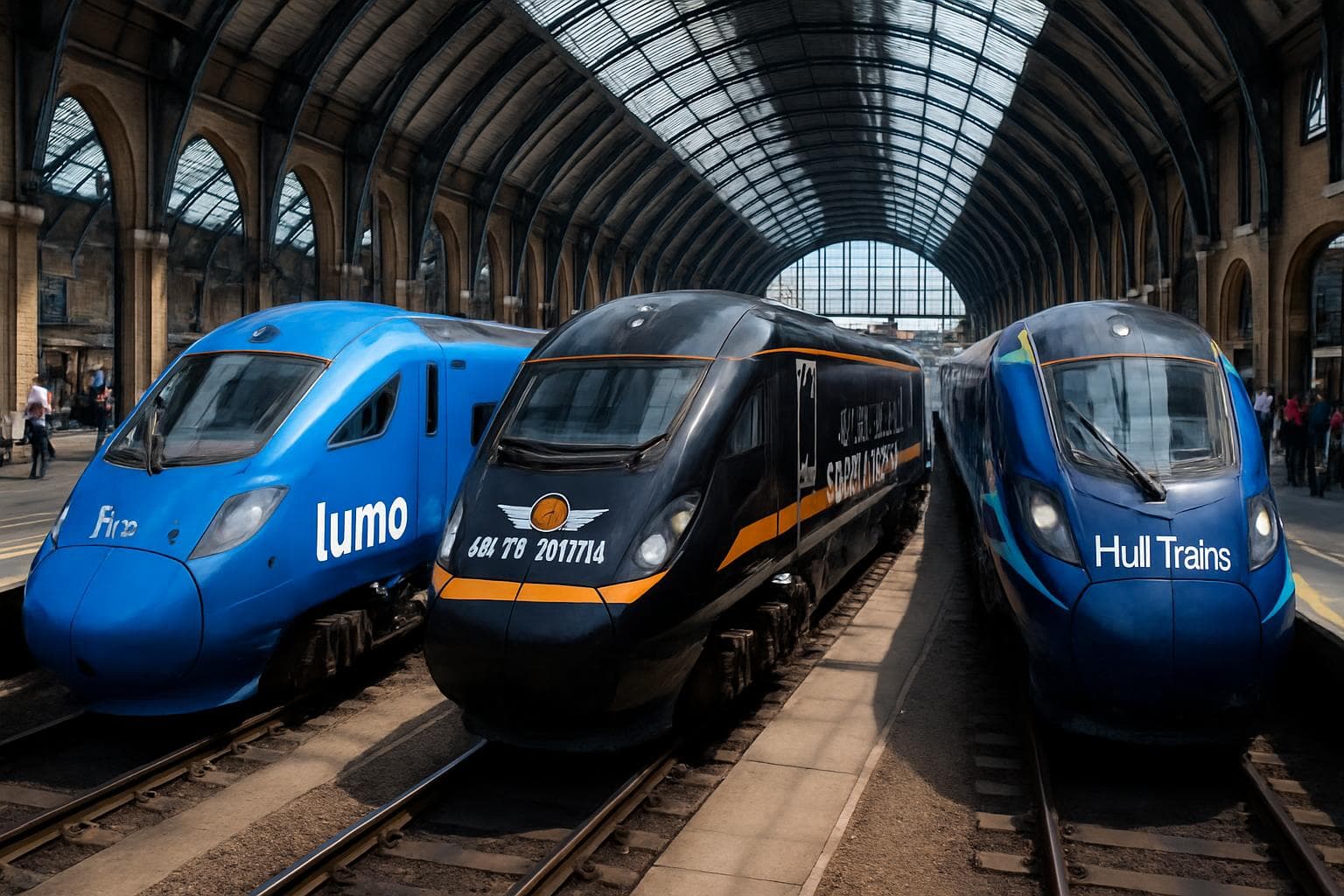
The UK's rail regulator, the Office of Rail and Road (ORR), has greenlit the expansion of train services on the East Coast Main Line, set to commence in December. This decision allows three open-access operators—Lumo, Grand Central, and Hull Trains—to increase their service offerings, enhancing connectivity between London and key cities such as Glasgow, Newcastle, and Hull.
Service Expansion Details
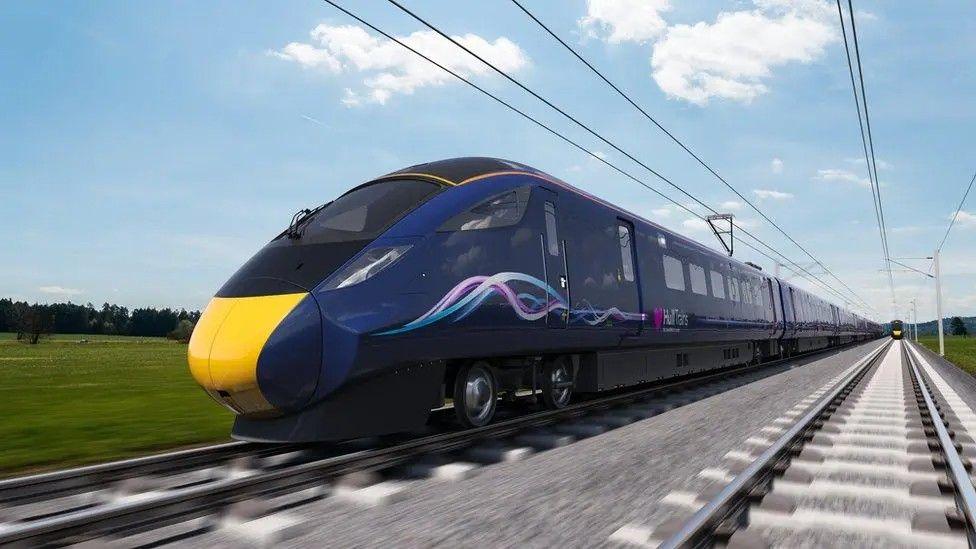
Lumo, a subsidiary of FirstGroup, will extend its London-Edinburgh service to Glasgow and add more trains between King's Cross and Newcastle. Meanwhile, Hull Trains, also owned by FirstGroup, will introduce an additional daily service from London King's Cross to Hull on weekdays and Saturdays. Arriva's Grand Central will expand its regional services with a new link to Seaham and additional trains between Wakefield and Bradford.
Despite these expansions, the ORR rejected Hull Trains' proposal for a direct service from London to Sheffield, citing insufficient capacity and potential performance impacts. This decision disappointed FirstGroup, which argued that the service would have benefited an estimated 350,000 people.
Open-Access Operators and Nationalization
Open-access operators like Lumo, Grand Central, and Hull Trains operate independently, setting their own fares and assuming all revenue risks without taxpayer-funded subsidies. These operators remain unaffected by the ongoing nationalization of the UK's rail services under the planned Great British Railways.
Transport Secretary Heidi Alexander had previously expressed concerns about potential congestion and maintenance cost shortfalls due to the open-access model. However, the ORR's approval reflects a balance between expanding services and maintaining the integrity of taxpayer-funded operations.
LNER's Upcoming Timetable Changes
The state-owned LNER, the primary operator on the East Coast Main Line, is set to implement a significant timetable change in December. This change, delayed by a year due to readiness and congestion concerns, aims to offer up to 37 daily services with quicker journeys between London King's Cross and Edinburgh.
Stephanie Tobyn, ORR's director of strategy, policy, and reform, emphasized that the approved services would increase connectivity and provide passengers and freight customers with more direct connections and greater choice.
WHAT THIS MIGHT MEAN
The expansion of train services on the East Coast Main Line could significantly enhance connectivity and passenger choice, potentially boosting regional economies. However, the rejection of the London to Sheffield service highlights ongoing capacity challenges that may require infrastructure investments or operational adjustments.
As the UK rail network continues to evolve, the balance between open-access operators and state-funded services will remain a critical issue. The upcoming timetable changes by LNER could set a precedent for future service enhancements, emphasizing the need for efficient coordination among various operators.
Experts suggest that while the expansion of services is a positive step, addressing capacity constraints and ensuring sustainable funding for maintenance will be crucial for the long-term success of the UK's rail network.
Images from the Web
Related Articles

Labour MP's Husband Arrested in UK-China Espionage Probe

Nottingham Attacks Inquiry: Families Demand Accountability and Truth

Anna Murdoch-Mann: Influential Figure in Media and Philanthropy Dies at 81

Teen Couple's Tragic Death at Yorkshire Holiday Park Sparks Investigation

Global Counsel Faces Collapse Amidst Epstein Scandal Fallout
Rising Measles Cases in the UK Spark Urgent Vaccination Campaign
New Train Services Approved for East Coast Main Line Amid Capacity Concerns
In This Article
 Ethan Brooks| Published
 HIGHLIGHTS
- The Office of Rail and Road (ORR) has approved additional train services on the East Coast Main Line starting December.
- Lumo, Grand Central, and Hull Trains will expand services to Glasgow, Newcastle, and Hull, enhancing connectivity.
- A proposal for a direct London to Sheffield service by Hull Trains was rejected due to capacity concerns.
- Open-access operators, which set their own fares and take on revenue risk, remain unaffected by the UK's rail nationalization.
- The state-owned LNER will implement a major timetable change in December, aiming for faster London-Edinburgh journeys.
The UK's rail regulator, the Office of Rail and Road (ORR), has greenlit the expansion of train services on the East Coast Main Line, set to commence in December. This decision allows three open-access operators—Lumo, Grand Central, and Hull Trains—to increase their service offerings, enhancing connectivity between London and key cities such as Glasgow, Newcastle, and Hull.
Service Expansion Details
Lumo, a subsidiary of FirstGroup, will extend its London-Edinburgh service to Glasgow and add more trains between King's Cross and Newcastle. Meanwhile, Hull Trains, also owned by FirstGroup, will introduce an additional daily service from London King's Cross to Hull on weekdays and Saturdays. Arriva's Grand Central will expand its regional services with a new link to Seaham and additional trains between Wakefield and Bradford.
Despite these expansions, the ORR rejected Hull Trains' proposal for a direct service from London to Sheffield, citing insufficient capacity and potential performance impacts. This decision disappointed FirstGroup, which argued that the service would have benefited an estimated 350,000 people.
Open-Access Operators and Nationalization
Open-access operators like Lumo, Grand Central, and Hull Trains operate independently, setting their own fares and assuming all revenue risks without taxpayer-funded subsidies. These operators remain unaffected by the ongoing nationalization of the UK's rail services under the planned Great British Railways.
Transport Secretary Heidi Alexander had previously expressed concerns about potential congestion and maintenance cost shortfalls due to the open-access model. However, the ORR's approval reflects a balance between expanding services and maintaining the integrity of taxpayer-funded operations.
LNER's Upcoming Timetable Changes
The state-owned LNER, the primary operator on the East Coast Main Line, is set to implement a significant timetable change in December. This change, delayed by a year due to readiness and congestion concerns, aims to offer up to 37 daily services with quicker journeys between London King's Cross and Edinburgh.
Stephanie Tobyn, ORR's director of strategy, policy, and reform, emphasized that the approved services would increase connectivity and provide passengers and freight customers with more direct connections and greater choice.
WHAT THIS MIGHT MEAN
The expansion of train services on the East Coast Main Line could significantly enhance connectivity and passenger choice, potentially boosting regional economies. However, the rejection of the London to Sheffield service highlights ongoing capacity challenges that may require infrastructure investments or operational adjustments.
As the UK rail network continues to evolve, the balance between open-access operators and state-funded services will remain a critical issue. The upcoming timetable changes by LNER could set a precedent for future service enhancements, emphasizing the need for efficient coordination among various operators.
Experts suggest that while the expansion of services is a positive step, addressing capacity constraints and ensuring sustainable funding for maintenance will be crucial for the long-term success of the UK's rail network.
Images from the Web
Related Articles
Labour MP's Husband Arrested in UK-China Espionage Probe
Nottingham Attacks Inquiry: Families Demand Accountability and Truth
Anna Murdoch-Mann: Influential Figure in Media and Philanthropy Dies at 81
Teen Couple's Tragic Death at Yorkshire Holiday Park Sparks Investigation
Global Counsel Faces Collapse Amidst Epstein Scandal Fallout
Rising Measles Cases in the UK Spark Urgent Vaccination Campaign