
Epping Council Calls for Closure of Asylum Hotel Amid Rising Protests

In This Article
HIGHLIGHTS
- Epping Forest District Council voted to urge the government to close the Bell Hotel, which houses asylum seekers, following protests.
- Seventeen people have been arrested since demonstrations began on July 13, with tensions fueled by far-right activists.
- Business Secretary Jonathan Reynolds acknowledged public frustration with the asylum system, emphasizing government efforts to address it.
- A dispersal order was issued by police to manage ongoing protests, with further unrest anticipated.
- The protests were sparked by charges against an Ethiopian asylum seeker, accused of sexual assault, who remains in custody.
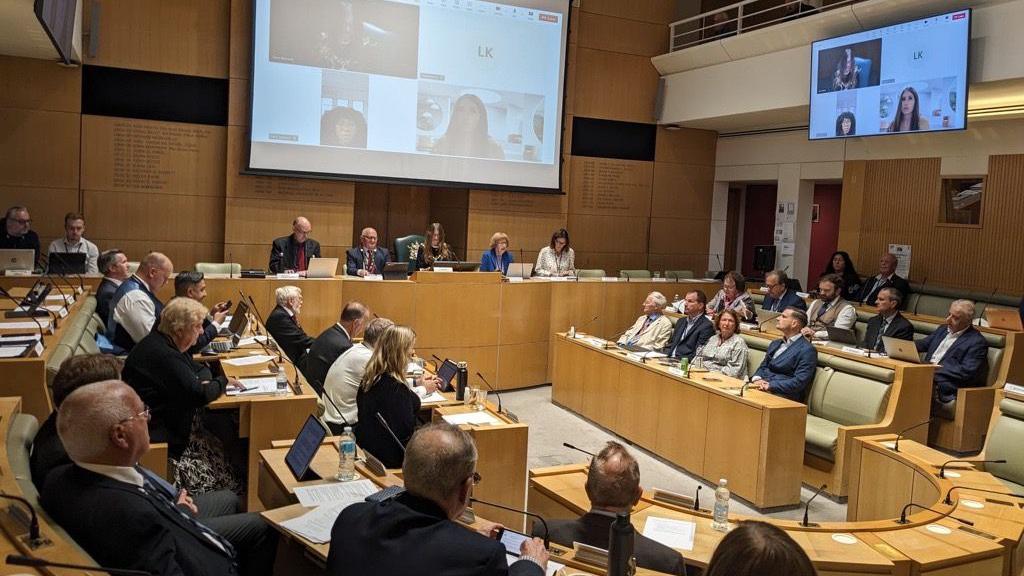
Epping Forest District Council has unanimously voted to request the closure of the Bell Hotel, which currently houses asylum seekers, following a series of public protests. The demonstrations, which began on July 13, have led to 17 arrests, with tensions exacerbated by the involvement of far-right activists.
Rising Tensions and Arrests
The protests were initially sparked by the arrest of Hadush Kebatu, a 41-year-old Ethiopian asylum seeker, who has been charged with sexual assault and other offenses. Kebatu, who denies the charges, remains in custody. The unrest has seen hundreds of local residents gather outside the Bell Hotel, with some protests turning confrontational.
Conservative leader of Epping Forest District Council, Chris Whitbread, expressed concerns about extremist groups infiltrating the protests. "I'm worried that Epping will become a battleground for extremist agendas," he stated during a heated public meeting. Despite the tensions, police have reported that most protests have remained peaceful, although one individual was arrested for wearing a face covering.
Government and Police Response
Business Secretary Jonathan Reynolds acknowledged the public's legitimate frustrations with the asylum system, which he said are shared by the government. Speaking to Sky News, Reynolds emphasized the need to address the core issues within the asylum process, noting that the number of hotels used for asylum seekers has been reduced from 400 to 200.
Essex Police have issued a dispersal order to manage the protests, with Chief Superintendent Simon Anslow warning that any attempts to incite violence will be dealt with firmly. "We won't tolerate anyone thinking they can come and cause trouble," Anslow stated.
Community Concerns and Political Implications
During the council meeting, Conservative councillor Holly Whitbread criticized colleagues who participated in the protests, highlighting the presence of far-right elements. "I would never knowingly stand next to neo-Nazis," she remarked, urging others to distance themselves from extremist groups.
The protests have drawn attention to broader issues surrounding the UK's asylum system, with Reynolds emphasizing the need for a balanced approach to immigration. He noted that while the government is committed to controlling net migration, it also values the contributions of talented individuals coming to the UK.
WHAT THIS MIGHT MEAN
The ongoing protests in Epping highlight the complex challenges facing the UK's asylum system. As the government works to address public concerns, it must balance the need for effective immigration control with the rights and welfare of asylum seekers. The situation in Epping could serve as a catalyst for broader discussions on immigration policy, potentially influencing future legislative changes.
If tensions continue to escalate, there is a risk of further unrest, which could strain local police resources. The involvement of far-right activists also raises concerns about the potential for violence, underscoring the need for careful management of public demonstrations. As the government seeks to reform the asylum system, it will be crucial to engage with local communities to address their concerns and foster understanding.
Images from the Web


Related Articles

Andrew Mountbatten-Windsor Arrested Amid Misconduct Allegations

Trump Criticizes UK Plan to Transfer Chagos Islands to Mauritius

UK Police Assess Epstein's Use of Private Flights Amid Trafficking Allegations

UK and Allies Accuse Russia of Killing Navalny with Dart Frog Toxin

Breakthrough Drug Offers Hope for Children with Severe Epilepsy

Arrest of Andrew Mountbatten-Windsor Captured in Iconic Photograph
Epping Council Calls for Closure of Asylum Hotel Amid Rising Protests
In This Article
 Ethan Brooks| Published
 HIGHLIGHTS
- Epping Forest District Council voted to urge the government to close the Bell Hotel, which houses asylum seekers, following protests.
- Seventeen people have been arrested since demonstrations began on July 13, with tensions fueled by far-right activists.
- Business Secretary Jonathan Reynolds acknowledged public frustration with the asylum system, emphasizing government efforts to address it.
- A dispersal order was issued by police to manage ongoing protests, with further unrest anticipated.
- The protests were sparked by charges against an Ethiopian asylum seeker, accused of sexual assault, who remains in custody.
Epping Forest District Council has unanimously voted to request the closure of the Bell Hotel, which currently houses asylum seekers, following a series of public protests. The demonstrations, which began on July 13, have led to 17 arrests, with tensions exacerbated by the involvement of far-right activists.
Rising Tensions and Arrests
The protests were initially sparked by the arrest of Hadush Kebatu, a 41-year-old Ethiopian asylum seeker, who has been charged with sexual assault and other offenses. Kebatu, who denies the charges, remains in custody. The unrest has seen hundreds of local residents gather outside the Bell Hotel, with some protests turning confrontational.
Conservative leader of Epping Forest District Council, Chris Whitbread, expressed concerns about extremist groups infiltrating the protests. "I'm worried that Epping will become a battleground for extremist agendas," he stated during a heated public meeting. Despite the tensions, police have reported that most protests have remained peaceful, although one individual was arrested for wearing a face covering.
Government and Police Response
Business Secretary Jonathan Reynolds acknowledged the public's legitimate frustrations with the asylum system, which he said are shared by the government. Speaking to Sky News, Reynolds emphasized the need to address the core issues within the asylum process, noting that the number of hotels used for asylum seekers has been reduced from 400 to 200.
Essex Police have issued a dispersal order to manage the protests, with Chief Superintendent Simon Anslow warning that any attempts to incite violence will be dealt with firmly. "We won't tolerate anyone thinking they can come and cause trouble," Anslow stated.
Community Concerns and Political Implications
During the council meeting, Conservative councillor Holly Whitbread criticized colleagues who participated in the protests, highlighting the presence of far-right elements. "I would never knowingly stand next to neo-Nazis," she remarked, urging others to distance themselves from extremist groups.
The protests have drawn attention to broader issues surrounding the UK's asylum system, with Reynolds emphasizing the need for a balanced approach to immigration. He noted that while the government is committed to controlling net migration, it also values the contributions of talented individuals coming to the UK.
WHAT THIS MIGHT MEAN
The ongoing protests in Epping highlight the complex challenges facing the UK's asylum system. As the government works to address public concerns, it must balance the need for effective immigration control with the rights and welfare of asylum seekers. The situation in Epping could serve as a catalyst for broader discussions on immigration policy, potentially influencing future legislative changes.
If tensions continue to escalate, there is a risk of further unrest, which could strain local police resources. The involvement of far-right activists also raises concerns about the potential for violence, underscoring the need for careful management of public demonstrations. As the government seeks to reform the asylum system, it will be crucial to engage with local communities to address their concerns and foster understanding.
Images from the Web
Related Articles
Andrew Mountbatten-Windsor Arrested Amid Misconduct Allegations
Trump Criticizes UK Plan to Transfer Chagos Islands to Mauritius
UK Police Assess Epstein's Use of Private Flights Amid Trafficking Allegations
UK and Allies Accuse Russia of Killing Navalny with Dart Frog Toxin
Breakthrough Drug Offers Hope for Children with Severe Epilepsy
Arrest of Andrew Mountbatten-Windsor Captured in Iconic Photograph