
Indore's Water Crisis: Sewage Contamination Claims Lives in India's Cleanest City
In This Article
HIGHLIGHTS
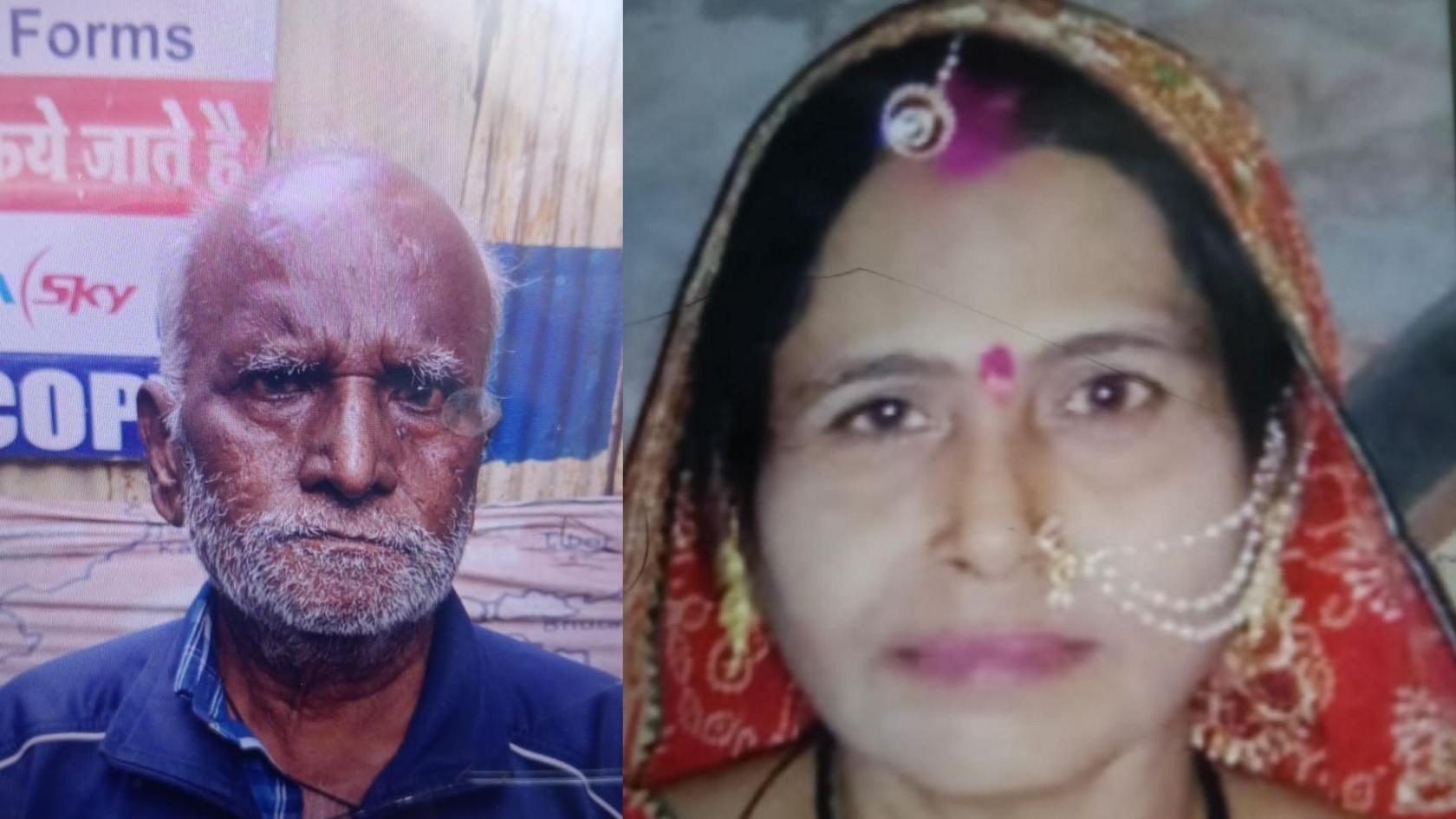
- Contaminated tap water in Indore, Madhya Pradesh, has led to at least 10 confirmed deaths, with reports suggesting the toll could be higher.
- A leak in the water pipeline allowed sewage to mix with drinking water, causing a diarrhoea outbreak affecting over 2,450 residents.
- The crisis has sparked criticism of local authorities, with accusations of negligence and calls for improved water safety measures.
- Health teams have screened around 40,000 residents, identifying numerous cases of vomiting and diarrhoea, and more than 270 people have been hospitalized.
- The incident has put the Bharatiya Janata Party (BJP) government on the defensive, with promises of new regulations to prevent future occurrences.
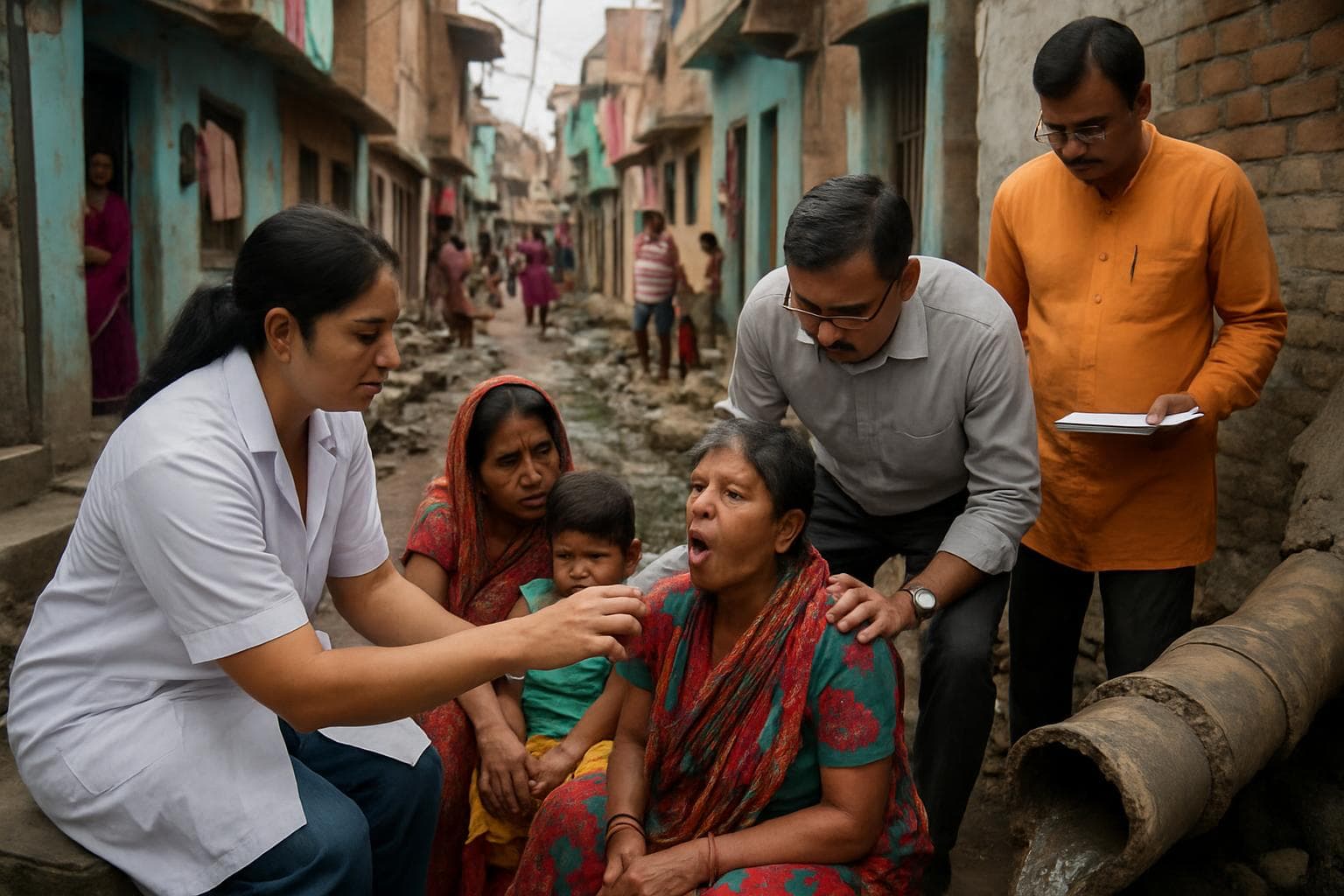
Indore, a city celebrated for its cleanliness, is grappling with a severe public health crisis as contaminated tap water has resulted in at least 10 confirmed deaths. The tragedy has unfolded in the Bhagirathpura neighborhood, where a leak in the water supply system allowed sewage to mix with drinking water, leading to a widespread diarrhoea outbreak.
The Crisis Unfolds
Residents of Bhagirathpura, a densely populated area in Indore, began experiencing symptoms of vomiting and diarrhoea in late December. Sunil Sahu, a local resident, recounted the tragic loss of his five-month-old son, who fell ill after being fed milk diluted with the contaminated tap water. Despite efforts to treat him, the infant succumbed to the illness within days.
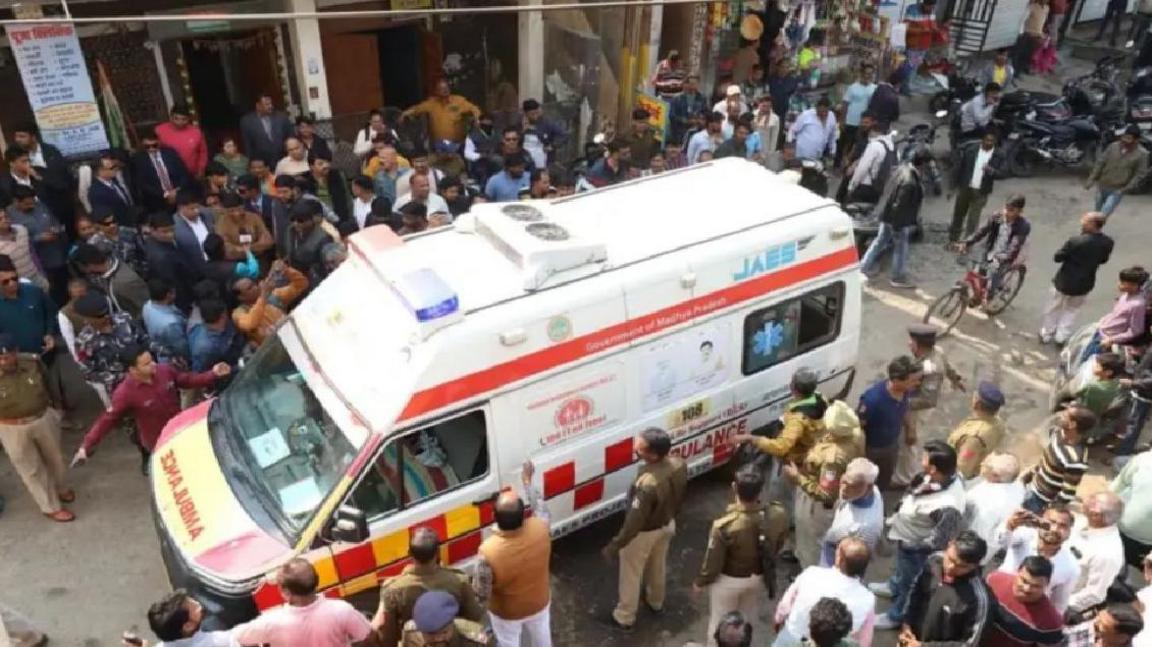
Health authorities have been working tirelessly to contain the outbreak, screening approximately 40,000 residents and identifying over 2,450 cases of diarrhoea. More than 270 individuals have been hospitalized, with 32 patients in intensive care. The situation has drawn attention to the city's water safety measures, or lack thereof.
Government Response and Public Outcry
The crisis has ignited public outrage and criticism of the local government, with accusations of negligence and calls for accountability. Indore's mayor, Pushyamitra Bhargava, confirmed the presence of sewage in the main water line, attributing the contamination to a public toilet constructed above a drinking water pipeline without a septic tank.
In response, several municipal officials have been suspended, and a committee has been established to investigate the incident. Madhya Pradesh Chief Minister Mohan Yadav assured the public that measures are being taken to prevent such occurrences in the future, stating, "No stone will be left unturned."
Broader Implications for Water Safety
The Indore water crisis highlights broader concerns about water safety across India. An editorial in The Hindu emphasized the need for stricter enforcement of water guidelines and environmental laws. The incident serves as a stark reminder of the challenges faced by rapidly urbanizing areas in maintaining safe water supplies.
Opposition leader Rahul Gandhi criticized the BJP-led state government, asserting that access to clean water is a fundamental right. The government has pledged to introduce new regulations to enhance water safety and prevent similar tragedies.
WHAT THIS MIGHT MEAN
The Indore water crisis underscores the urgent need for improved infrastructure and regulatory oversight in India's urban areas. As the investigation unfolds, it could lead to significant policy changes aimed at enhancing water safety standards nationwide. Experts warn that without robust testing and monitoring systems, similar outbreaks could occur in other cities, posing a threat to public health.
Politically, the incident may fuel criticism of the BJP government, potentially impacting its standing in upcoming elections. The crisis also highlights the broader issue of urban planning and resource management in India, as the country grapples with the challenges of rapid urbanization and population growth.
Images from the Web
Indore's Water Crisis: Sewage Contamination Claims Lives in India's Cleanest City
In This Article
 Maya Singh| Published
 HIGHLIGHTS
- Contaminated tap water in Indore, Madhya Pradesh, has led to at least 10 confirmed deaths, with reports suggesting the toll could be higher.
- A leak in the water pipeline allowed sewage to mix with drinking water, causing a diarrhoea outbreak affecting over 2,450 residents.
- The crisis has sparked criticism of local authorities, with accusations of negligence and calls for improved water safety measures.
- Health teams have screened around 40,000 residents, identifying numerous cases of vomiting and diarrhoea, and more than 270 people have been hospitalized.
- The incident has put the Bharatiya Janata Party (BJP) government on the defensive, with promises of new regulations to prevent future occurrences.
Indore, a city celebrated for its cleanliness, is grappling with a severe public health crisis as contaminated tap water has resulted in at least 10 confirmed deaths. The tragedy has unfolded in the Bhagirathpura neighborhood, where a leak in the water supply system allowed sewage to mix with drinking water, leading to a widespread diarrhoea outbreak.
The Crisis Unfolds
Residents of Bhagirathpura, a densely populated area in Indore, began experiencing symptoms of vomiting and diarrhoea in late December. Sunil Sahu, a local resident, recounted the tragic loss of his five-month-old son, who fell ill after being fed milk diluted with the contaminated tap water. Despite efforts to treat him, the infant succumbed to the illness within days.
Health authorities have been working tirelessly to contain the outbreak, screening approximately 40,000 residents and identifying over 2,450 cases of diarrhoea. More than 270 individuals have been hospitalized, with 32 patients in intensive care. The situation has drawn attention to the city's water safety measures, or lack thereof.
Government Response and Public Outcry
The crisis has ignited public outrage and criticism of the local government, with accusations of negligence and calls for accountability. Indore's mayor, Pushyamitra Bhargava, confirmed the presence of sewage in the main water line, attributing the contamination to a public toilet constructed above a drinking water pipeline without a septic tank.
In response, several municipal officials have been suspended, and a committee has been established to investigate the incident. Madhya Pradesh Chief Minister Mohan Yadav assured the public that measures are being taken to prevent such occurrences in the future, stating, "No stone will be left unturned."
Broader Implications for Water Safety
The Indore water crisis highlights broader concerns about water safety across India. An editorial in The Hindu emphasized the need for stricter enforcement of water guidelines and environmental laws. The incident serves as a stark reminder of the challenges faced by rapidly urbanizing areas in maintaining safe water supplies.
Opposition leader Rahul Gandhi criticized the BJP-led state government, asserting that access to clean water is a fundamental right. The government has pledged to introduce new regulations to enhance water safety and prevent similar tragedies.
WHAT THIS MIGHT MEAN
The Indore water crisis underscores the urgent need for improved infrastructure and regulatory oversight in India's urban areas. As the investigation unfolds, it could lead to significant policy changes aimed at enhancing water safety standards nationwide. Experts warn that without robust testing and monitoring systems, similar outbreaks could occur in other cities, posing a threat to public health.
Politically, the incident may fuel criticism of the BJP government, potentially impacting its standing in upcoming elections. The crisis also highlights the broader issue of urban planning and resource management in India, as the country grapples with the challenges of rapid urbanization and population growth.
Images from the Web