
Infrared Scans Uncover Hidden Details in Anne Boleyn Portrait
In This Article
HIGHLIGHTS
- Infrared scans reveal that the Hever Rose portrait of Anne Boleyn deviated from the standard "B" pattern to include her hands.
- The portrait, dated to 1583, serves as a visual rebuttal to rumors of Boleyn being a witch with extra fingers.
- The painting is the earliest scientifically dated panel portrait of Anne Boleyn, created during Elizabeth I's reign.
- The Hever Rose portrait will be displayed at Hever Castle from February 11, alongside other likenesses of Boleyn.
- The portrait's depiction of Boleyn's hands counters claims by 16th-century writer Nicholas Sanders, who questioned Elizabeth I's legitimacy.
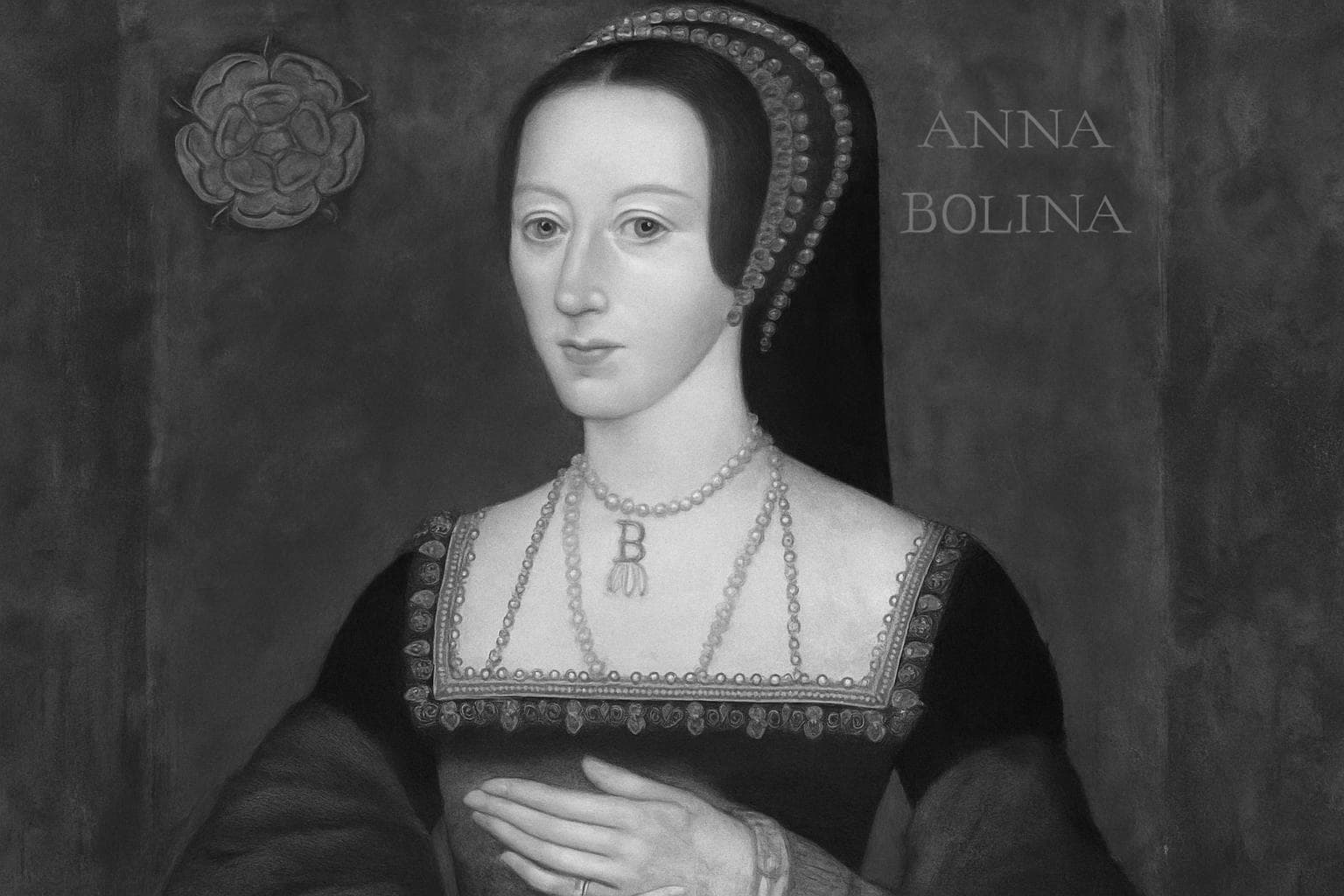
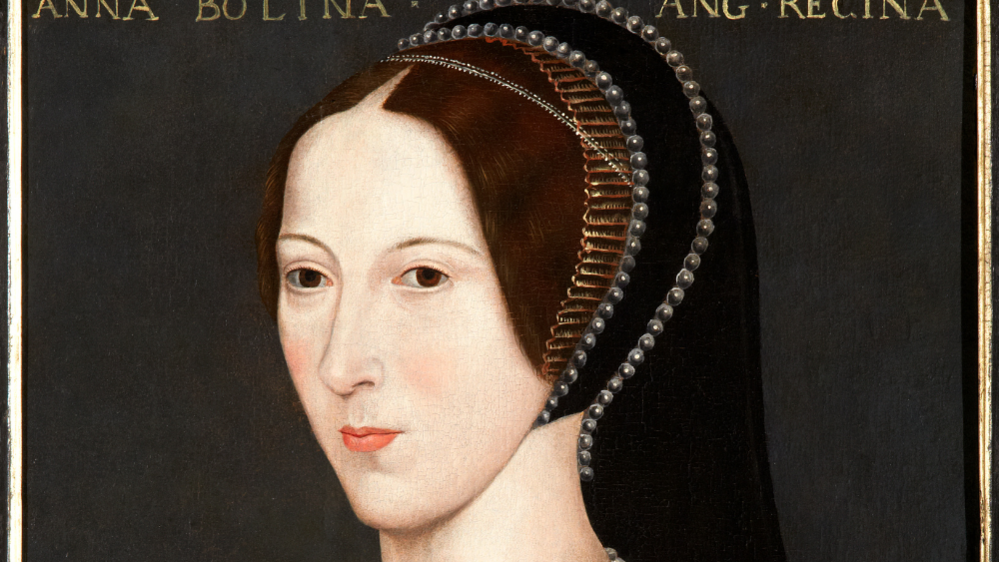
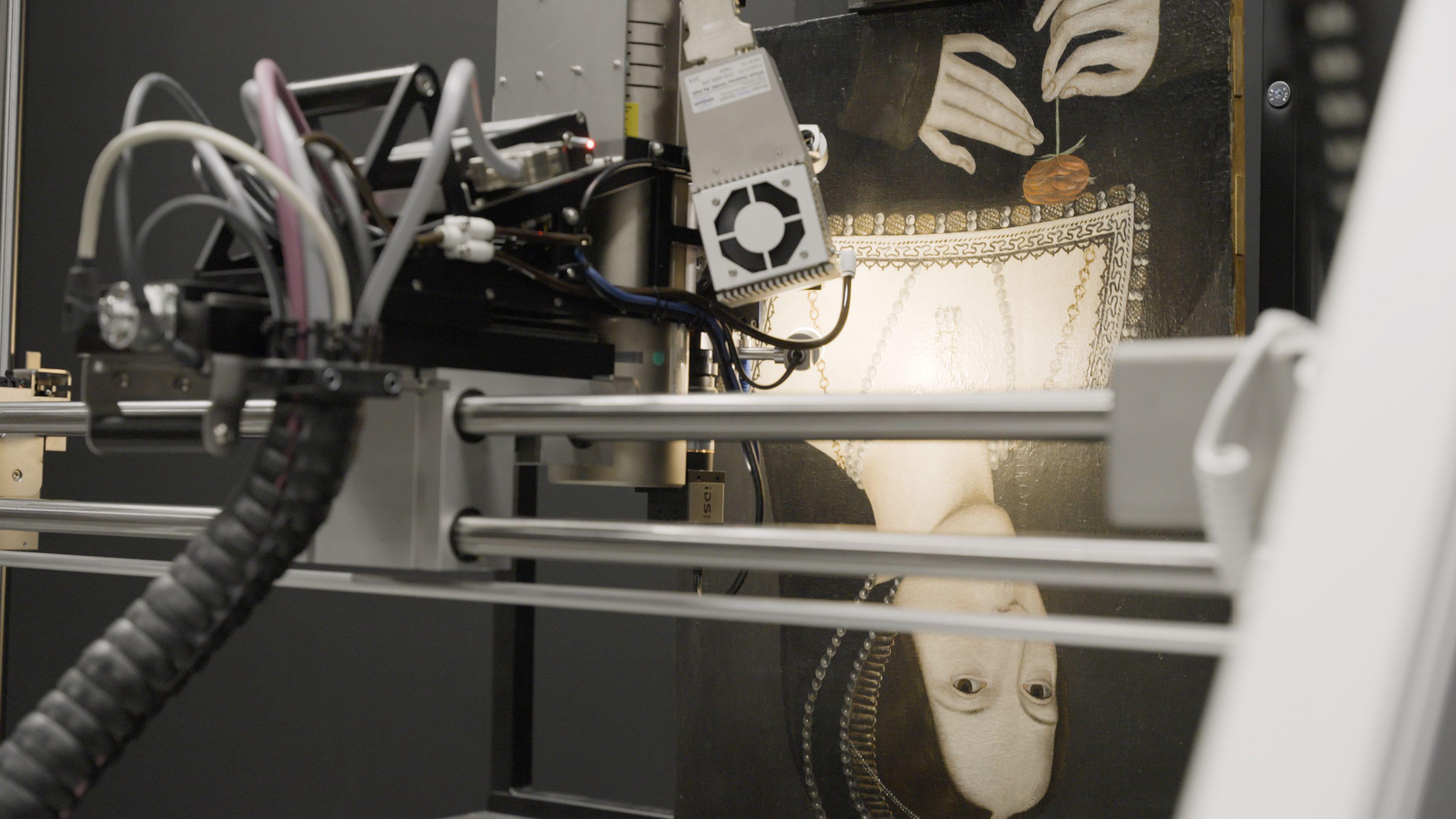
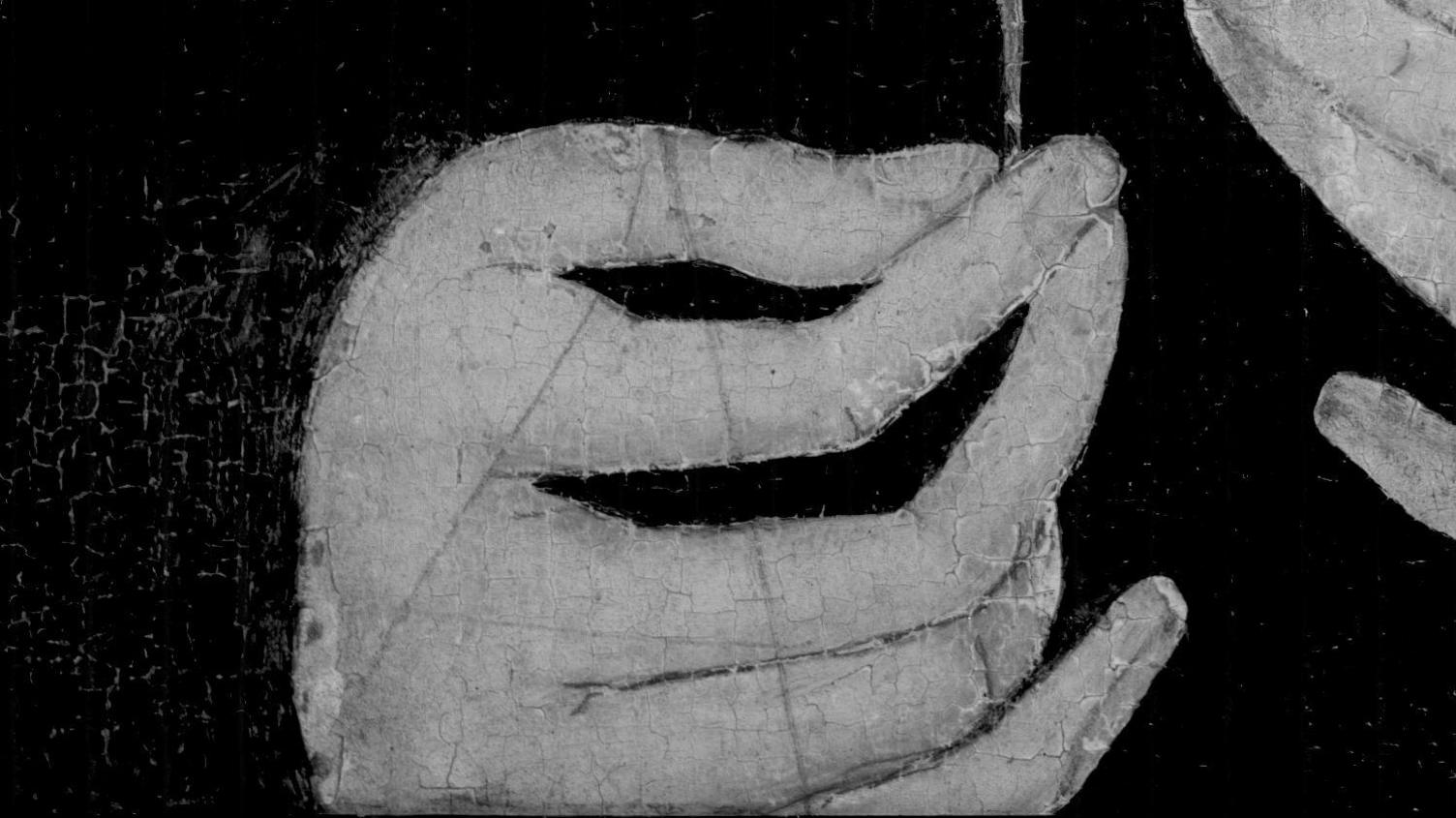
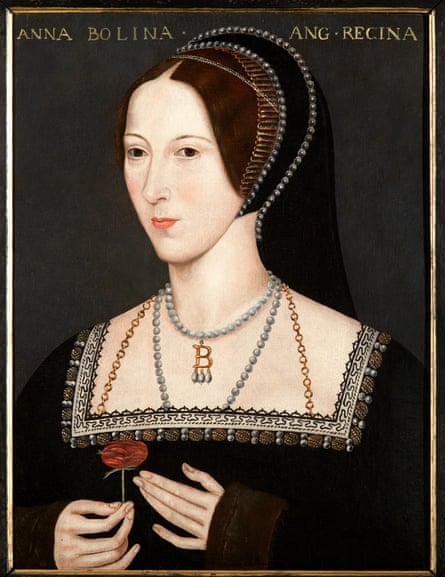
Recent scientific analysis has unveiled hidden details in the Hever Rose portrait of Anne Boleyn, offering new insights into the Tudor queen's representation. The portrait, housed at Hever Castle, Boleyn's childhood home, was found to deviate from the approved "B" pattern used for royal portraits of the time. Infrared scans revealed that the artist intentionally included Boleyn's hands, countering rumors that she was a witch with a sixth finger.
Historical Context and Artistic Intent
The portrait, dated to 1583 through dendrochronology, was painted during the reign of Elizabeth I, Anne Boleyn's daughter. This period was marked by political and religious upheaval, and the portrait's creation reflects a conscious effort to reshape Boleyn's image. Dr. Owen Emmerson, assistant curator at Hever Castle, emphasized that the depiction of Boleyn's hands was a deliberate act to refute hostile rumors and defend her legacy.
Exhibition and Scholarly Insights
The Hever Rose portrait will be featured in an exhibition at Hever Castle starting February 11, alongside other representations of Boleyn. Hever historian Kate McCaffrey noted that the portrait offers a more human impression of Boleyn, preserving an earlier idea of her image. The painting's depiction of Boleyn's hands also counters claims by Nicholas Sanders, a 16th-century writer who questioned Elizabeth I's legitimacy by attacking her mother's reputation.
The Legacy of Anne Boleyn
Anne Boleyn's life was marked by controversy and tragedy. Imprisoned and executed in 1536 on charges of adultery and treason, her marriage to Henry VIII led to the English Reformation. Despite efforts to erase her from history, the Hever Rose portrait stands as a testament to her enduring legacy and the complex narratives surrounding her life.
WHAT THIS MIGHT MEAN
The discovery of hidden details in the Hever Rose portrait could prompt further scholarly research into Tudor art and the political motivations behind royal portraits. As the exhibition at Hever Castle draws public attention, it may also spark renewed interest in Anne Boleyn's life and her impact on English history. Experts might explore how such portraits influenced public perceptions of historical figures and the role of art in shaping political narratives during the Elizabethan era.
Images from the Web
Infrared Scans Uncover Hidden Details in Anne Boleyn Portrait
In This Article
 Aya Nakamura| Published
 HIGHLIGHTS
- Infrared scans reveal that the Hever Rose portrait of Anne Boleyn deviated from the standard "B" pattern to include her hands.
- The portrait, dated to 1583, serves as a visual rebuttal to rumors of Boleyn being a witch with extra fingers.
- The painting is the earliest scientifically dated panel portrait of Anne Boleyn, created during Elizabeth I's reign.
- The Hever Rose portrait will be displayed at Hever Castle from February 11, alongside other likenesses of Boleyn.
- The portrait's depiction of Boleyn's hands counters claims by 16th-century writer Nicholas Sanders, who questioned Elizabeth I's legitimacy.
Recent scientific analysis has unveiled hidden details in the Hever Rose portrait of Anne Boleyn, offering new insights into the Tudor queen's representation. The portrait, housed at Hever Castle, Boleyn's childhood home, was found to deviate from the approved "B" pattern used for royal portraits of the time. Infrared scans revealed that the artist intentionally included Boleyn's hands, countering rumors that she was a witch with a sixth finger.
Historical Context and Artistic Intent
The portrait, dated to 1583 through dendrochronology, was painted during the reign of Elizabeth I, Anne Boleyn's daughter. This period was marked by political and religious upheaval, and the portrait's creation reflects a conscious effort to reshape Boleyn's image. Dr. Owen Emmerson, assistant curator at Hever Castle, emphasized that the depiction of Boleyn's hands was a deliberate act to refute hostile rumors and defend her legacy.
Exhibition and Scholarly Insights
The Hever Rose portrait will be featured in an exhibition at Hever Castle starting February 11, alongside other representations of Boleyn. Hever historian Kate McCaffrey noted that the portrait offers a more human impression of Boleyn, preserving an earlier idea of her image. The painting's depiction of Boleyn's hands also counters claims by Nicholas Sanders, a 16th-century writer who questioned Elizabeth I's legitimacy by attacking her mother's reputation.
The Legacy of Anne Boleyn
Anne Boleyn's life was marked by controversy and tragedy. Imprisoned and executed in 1536 on charges of adultery and treason, her marriage to Henry VIII led to the English Reformation. Despite efforts to erase her from history, the Hever Rose portrait stands as a testament to her enduring legacy and the complex narratives surrounding her life.
WHAT THIS MIGHT MEAN
The discovery of hidden details in the Hever Rose portrait could prompt further scholarly research into Tudor art and the political motivations behind royal portraits. As the exhibition at Hever Castle draws public attention, it may also spark renewed interest in Anne Boleyn's life and her impact on English history. Experts might explore how such portraits influenced public perceptions of historical figures and the role of art in shaping political narratives during the Elizabethan era.
Images from the Web