
NBA Pioneer Jason Collins Faces Aggressive Brain Cancer with Determination
In This Article
HIGHLIGHTS
- Former NBA player Jason Collins has been diagnosed with stage four glioblastoma, a highly aggressive brain cancer.
- Collins, the first openly gay male athlete in a major US sports league, is undergoing innovative treatments in Singapore.
- He likens his cancer battle to facing challenges on the basketball court, including playing against Shaquille O'Neal.
- Collins hopes his public battle with cancer will inspire others, much like his decision to come out as gay did.
- His symptoms began with memory loss and focus issues, leading to a diagnosis after a CT scan in August.
Former NBA player Jason Collins, renowned for being the first openly gay athlete in a major American professional sports league, has revealed his battle with stage four glioblastoma, an aggressive form of brain cancer. In a candid article for ESPN, Collins shared his diagnosis and the subsequent treatment journey he is undertaking to combat the inoperable tumor.
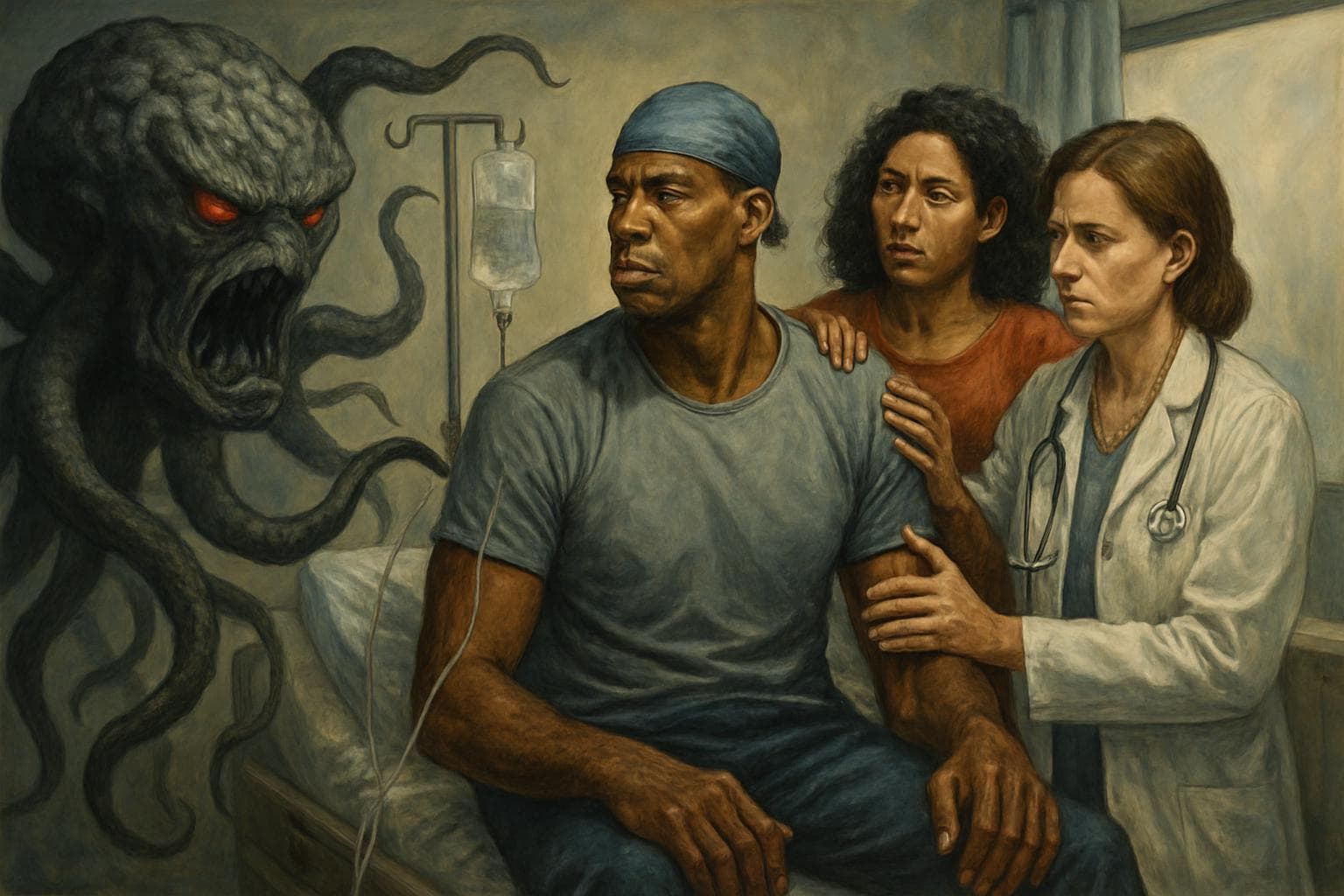
Collins, 47, described the tumor as "a monster with tentacles" spreading across his brain. Without intervention, doctors warned he could have only months to live. The former athlete is currently receiving treatment with Avastin and undergoing targeted chemotherapy in Singapore, aiming to slow the tumor's growth and explore innovative cancer therapies.
The symptoms of his illness manifested suddenly, with memory lapses and difficulty concentrating becoming apparent in August. A CT scan confirmed the severity of his condition. Collins, who played for 13 seasons in the NBA, draws parallels between his current fight and the challenges he faced on the basketball court. "As an athlete, you learn not to panic," he stated, comparing his treatment to playing against basketball legend Shaquille O'Neal.
Collins' journey is not just a personal battle but also a public one. He hopes that by sharing his story, he can inspire others facing similar challenges. Reflecting on his decision to come out as gay, Collins remarked, "Your life is so much better when you just show up as your true self." He aspires to lead by example once more, advocating for advancements in cancer treatment.
Supported by his husband, Brunson Green, and a network of family and friends, Collins remains resolute in his fight. He recalls his grandmother's battle with cancer, emphasizing his determination to confront the disease head-on. "We aren’t going to sit back and let this cancer kill me without giving it a hell of a fight," he declared.
WHAT THIS MIGHT MEAN
As Jason Collins continues his treatment, the sports community and cancer research field will be closely monitoring his progress. His openness about his diagnosis and treatment could pave the way for increased awareness and funding for glioblastoma research. If successful, Collins' innovative approach to treatment might offer new hope to others battling similar aggressive cancers. Additionally, his story underscores the importance of early detection and the potential benefits of exploring cutting-edge therapies, potentially influencing future medical protocols.
Related Articles

Jen Pawol Breaks MLB Gender Barrier as First Female Umpire in Regular-Season Game

Shannon Sharpe Parts Ways with ESPN Following Sexual Assault Settlement

Global Counsel Enters Administration Amid Epstein Link Fallout

Global Counsel Faces Collapse Amidst Epstein Scandal Fallout

Prince Andrew Under Scrutiny for Alleged Breach of Confidentiality in Epstein Scandal

Violent Protests Erupt in Bangladesh Following Youth Leader's Death
NBA Pioneer Jason Collins Faces Aggressive Brain Cancer with Determination
In This Article
 Marcus Blake| Published
 HIGHLIGHTS
- Former NBA player Jason Collins has been diagnosed with stage four glioblastoma, a highly aggressive brain cancer.
- Collins, the first openly gay male athlete in a major US sports league, is undergoing innovative treatments in Singapore.
- He likens his cancer battle to facing challenges on the basketball court, including playing against Shaquille O'Neal.
- Collins hopes his public battle with cancer will inspire others, much like his decision to come out as gay did.
- His symptoms began with memory loss and focus issues, leading to a diagnosis after a CT scan in August.
Former NBA player Jason Collins, renowned for being the first openly gay athlete in a major American professional sports league, has revealed his battle with stage four glioblastoma, an aggressive form of brain cancer. In a candid article for ESPN, Collins shared his diagnosis and the subsequent treatment journey he is undertaking to combat the inoperable tumor.
Collins, 47, described the tumor as "a monster with tentacles" spreading across his brain. Without intervention, doctors warned he could have only months to live. The former athlete is currently receiving treatment with Avastin and undergoing targeted chemotherapy in Singapore, aiming to slow the tumor's growth and explore innovative cancer therapies.
The symptoms of his illness manifested suddenly, with memory lapses and difficulty concentrating becoming apparent in August. A CT scan confirmed the severity of his condition. Collins, who played for 13 seasons in the NBA, draws parallels between his current fight and the challenges he faced on the basketball court. "As an athlete, you learn not to panic," he stated, comparing his treatment to playing against basketball legend Shaquille O'Neal.
Collins' journey is not just a personal battle but also a public one. He hopes that by sharing his story, he can inspire others facing similar challenges. Reflecting on his decision to come out as gay, Collins remarked, "Your life is so much better when you just show up as your true self." He aspires to lead by example once more, advocating for advancements in cancer treatment.
Supported by his husband, Brunson Green, and a network of family and friends, Collins remains resolute in his fight. He recalls his grandmother's battle with cancer, emphasizing his determination to confront the disease head-on. "We aren’t going to sit back and let this cancer kill me without giving it a hell of a fight," he declared.
WHAT THIS MIGHT MEAN
As Jason Collins continues his treatment, the sports community and cancer research field will be closely monitoring his progress. His openness about his diagnosis and treatment could pave the way for increased awareness and funding for glioblastoma research. If successful, Collins' innovative approach to treatment might offer new hope to others battling similar aggressive cancers. Additionally, his story underscores the importance of early detection and the potential benefits of exploring cutting-edge therapies, potentially influencing future medical protocols.
Related Articles
Jen Pawol Breaks MLB Gender Barrier as First Female Umpire in Regular-Season Game
Shannon Sharpe Parts Ways with ESPN Following Sexual Assault Settlement
Global Counsel Enters Administration Amid Epstein Link Fallout
Global Counsel Faces Collapse Amidst Epstein Scandal Fallout
Prince Andrew Under Scrutiny for Alleged Breach of Confidentiality in Epstein Scandal
Violent Protests Erupt in Bangladesh Following Youth Leader's Death