
Louvre Museum Faces Challenges Amid Water Leak and Ticket Fraud Investigation
In This Article
HIGHLIGHTS
- A water leak at the Louvre damaged a 19th-century painting by Charles Meynier, adding to recent challenges for the museum.
- French police detained nine individuals, including two Louvre staff, over a suspected €10m ticket fraud scheme.
- The Louvre has faced multiple setbacks, including a high-profile heist of French crown jewels worth €88m.
- The museum has implemented an anti-fraud plan in response to rising ticketing fraud incidents.
- Investigations reveal the ticket fraud involved tour guides reusing tickets, targeting Chinese tour groups.
The Louvre Museum in Paris, renowned as the world's most visited museum, is grappling with a series of setbacks, including a recent water leak that damaged a 19th-century ceiling painting and a significant ticket fraud investigation.
Water Leak Damages Historic Painting
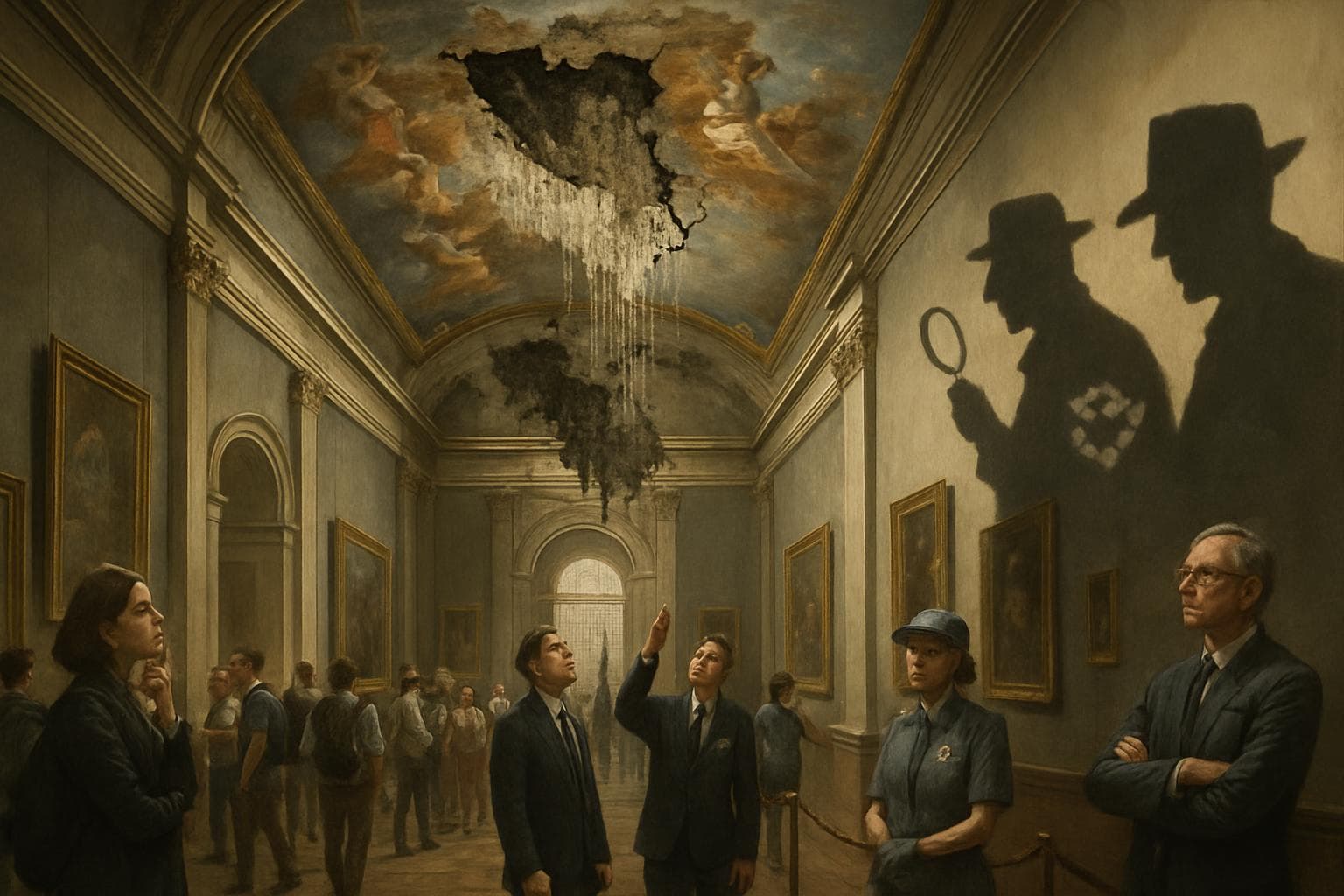
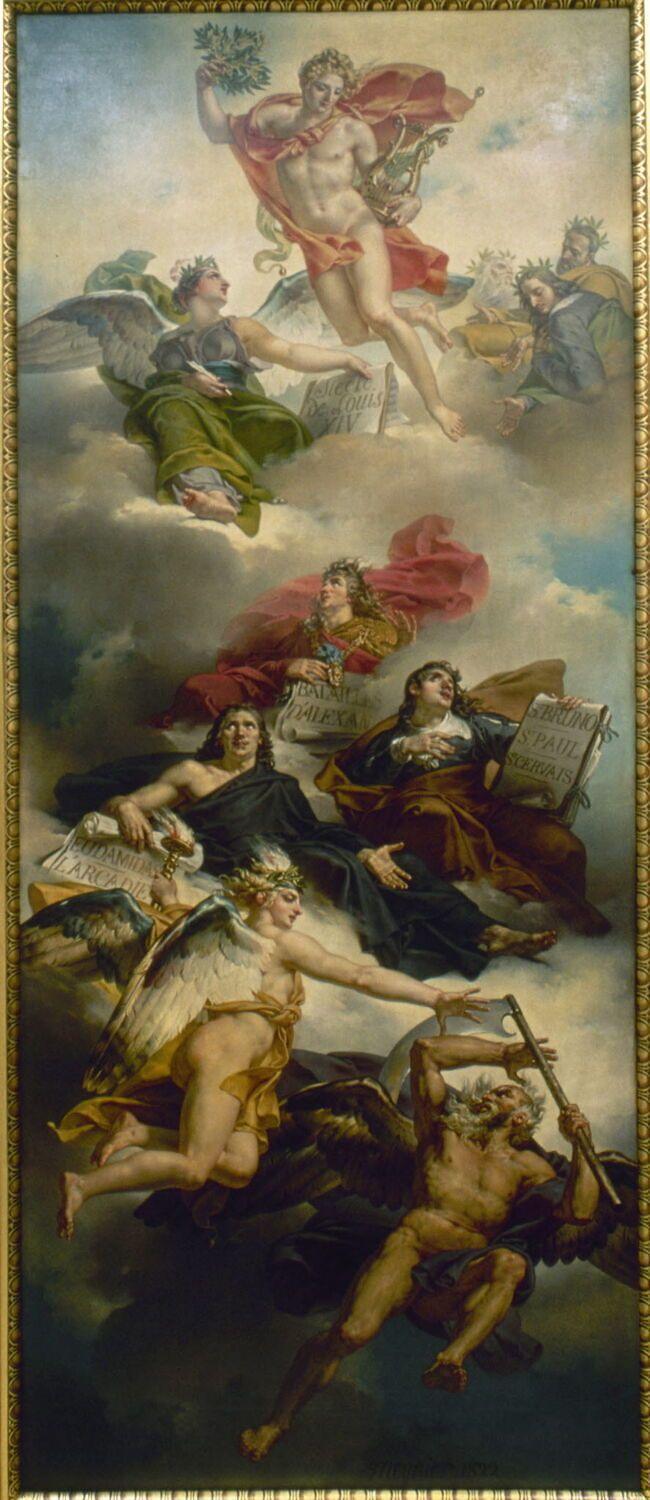
Late Thursday night, a water leak from a heating pipe in the Louvre's Denon wing caused damage to Charles Meynier's 1822 ceiling painting, "The Apotheosis of Poussin, Le Sueur and Le Brun." The leak, which occurred in room 707, was promptly addressed by firefighters, but not before causing two tears in the painting. The museum confirmed that the structural integrity of the building remains intact, though the cost of the damage is yet to be determined. This incident follows a previous leak in December that damaged hundreds of books in the Egyptian department.
Ticket Fraud Scheme Uncovered
In a separate development, French police have detained nine individuals, including two Louvre employees, in connection with a suspected €10m ticket fraud scheme. The investigation, initiated by the museum, revealed a network allegedly orchestrating large-scale fraud involving tour guides who reused tickets for multiple groups, primarily targeting Chinese visitors. The Paris prosecutors' office confirmed that surveillance and wiretaps exposed repeated ticket reuse and potential accomplices within the museum. The judicial investigation, which began last June, includes charges of organized fraud, money laundering, and corruption.
Ongoing Security Concerns
These challenges come on the heels of a daring heist in October, where thieves made off with French crown jewels valued at €88m. The theft, executed in broad daylight, highlighted significant security vulnerabilities at the museum. Although several arrests have been made, the stolen jewels remain missing. In response to these incidents, the Louvre has implemented a structured anti-fraud plan and is working closely with police to enhance security measures.
WHAT THIS MIGHT MEAN
The Louvre Museum's recent challenges underscore the need for enhanced security and operational reforms. The ongoing ticket fraud investigation could lead to further arrests and potentially uncover deeper systemic issues within the museum's operations. As the museum implements its anti-fraud measures, it may face increased scrutiny from both the public and authorities. The unresolved theft of the French crown jewels continues to pose a reputational risk, emphasizing the urgency for improved security protocols. Moving forward, the Louvre's ability to address these issues effectively will be crucial in maintaining its status as a premier cultural institution.
Images from the Web
Related Articles
Former French Senator Sentenced for Drugging MP with MDMA

Paris Court Convicts Ten for Cyber-Bullying Brigitte Macron Amidst Ongoing Defamation Battle
Tragedy Strikes Swiss Ski Resort as Fire Claims 40 Lives

Inferno at Swiss Ski Resort: New Year's Eve Celebration Turns Tragic

French and UK Authorities Intensify Investigations into Elon Musk's X and Grok AI

Valentino Garavani: Fashion World Bids Farewell to the Last Emperor of Italian Couture
Louvre Museum Faces Challenges Amid Water Leak and Ticket Fraud Investigation
In This Article
 Sofia Romano| Published
 HIGHLIGHTS
- A water leak at the Louvre damaged a 19th-century painting by Charles Meynier, adding to recent challenges for the museum.
- French police detained nine individuals, including two Louvre staff, over a suspected €10m ticket fraud scheme.
- The Louvre has faced multiple setbacks, including a high-profile heist of French crown jewels worth €88m.
- The museum has implemented an anti-fraud plan in response to rising ticketing fraud incidents.
- Investigations reveal the ticket fraud involved tour guides reusing tickets, targeting Chinese tour groups.
The Louvre Museum in Paris, renowned as the world's most visited museum, is grappling with a series of setbacks, including a recent water leak that damaged a 19th-century ceiling painting and a significant ticket fraud investigation.
Water Leak Damages Historic Painting
Late Thursday night, a water leak from a heating pipe in the Louvre's Denon wing caused damage to Charles Meynier's 1822 ceiling painting, "The Apotheosis of Poussin, Le Sueur and Le Brun." The leak, which occurred in room 707, was promptly addressed by firefighters, but not before causing two tears in the painting. The museum confirmed that the structural integrity of the building remains intact, though the cost of the damage is yet to be determined. This incident follows a previous leak in December that damaged hundreds of books in the Egyptian department.
Ticket Fraud Scheme Uncovered
In a separate development, French police have detained nine individuals, including two Louvre employees, in connection with a suspected €10m ticket fraud scheme. The investigation, initiated by the museum, revealed a network allegedly orchestrating large-scale fraud involving tour guides who reused tickets for multiple groups, primarily targeting Chinese visitors. The Paris prosecutors' office confirmed that surveillance and wiretaps exposed repeated ticket reuse and potential accomplices within the museum. The judicial investigation, which began last June, includes charges of organized fraud, money laundering, and corruption.
Ongoing Security Concerns
These challenges come on the heels of a daring heist in October, where thieves made off with French crown jewels valued at €88m. The theft, executed in broad daylight, highlighted significant security vulnerabilities at the museum. Although several arrests have been made, the stolen jewels remain missing. In response to these incidents, the Louvre has implemented a structured anti-fraud plan and is working closely with police to enhance security measures.
WHAT THIS MIGHT MEAN
The Louvre Museum's recent challenges underscore the need for enhanced security and operational reforms. The ongoing ticket fraud investigation could lead to further arrests and potentially uncover deeper systemic issues within the museum's operations. As the museum implements its anti-fraud measures, it may face increased scrutiny from both the public and authorities. The unresolved theft of the French crown jewels continues to pose a reputational risk, emphasizing the urgency for improved security protocols. Moving forward, the Louvre's ability to address these issues effectively will be crucial in maintaining its status as a premier cultural institution.
Images from the Web
Related Articles
Former French Senator Sentenced for Drugging MP with MDMA
Paris Court Convicts Ten for Cyber-Bullying Brigitte Macron Amidst Ongoing Defamation Battle
Tragedy Strikes Swiss Ski Resort as Fire Claims 40 Lives
Inferno at Swiss Ski Resort: New Year's Eve Celebration Turns Tragic
French and UK Authorities Intensify Investigations into Elon Musk's X and Grok AI
Valentino Garavani: Fashion World Bids Farewell to the Last Emperor of Italian Couture