
North Sea Oil Workers Face Weight Limit Policy to Ensure Safety
In This Article
HIGHLIGHTS
- North Sea oil workers must adhere to a new weight limit of 124.7kg by November next year to ensure safe helicopter rescues.
- The policy affects over 2,200 workers currently above the limit, with potential job losses if compliance is not met.
- Offshore Energies UK (OEUK) emphasizes the rising average weight of workers and the need for safety measures.
- Graham Skinner of OEUK highlights industry efforts to support affected workers in achieving weight loss.
- The policy follows a two-and-a-half-year review, addressing safety challenges in offshore rescue operations.
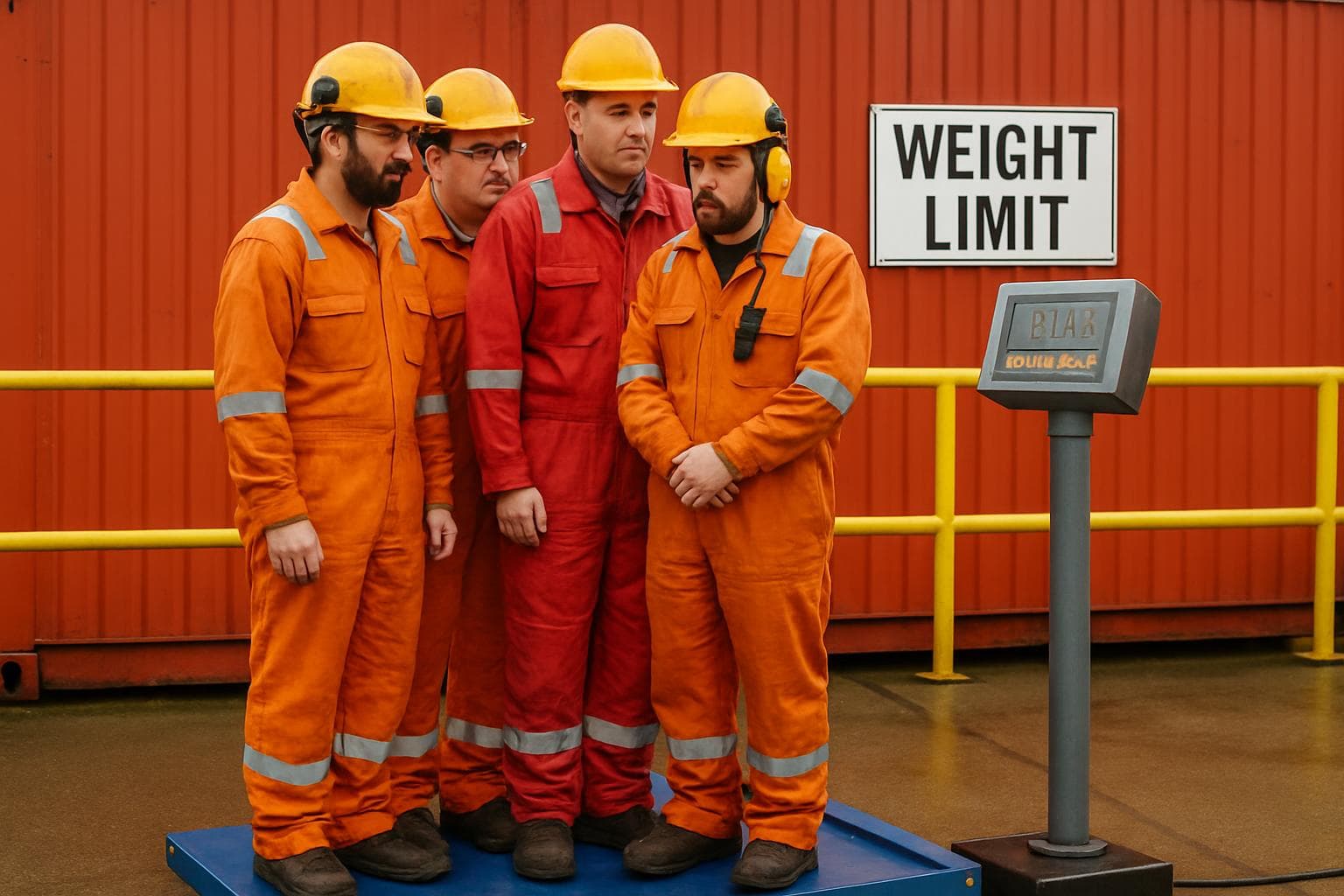
Thousands of North Sea oil workers are facing a new weight limit policy that could impact their employment if not adhered to by November next year. Offshore Energies UK (OEUK), the industry body, has announced that workers must weigh no more than 124.7kg (19.5 st) fully clothed to ensure they can be safely winched to safety by rescue helicopters in emergencies. This policy comes in response to concerns raised by the Maritime and Coastguard Agency (MCA) regarding the lifting capacity of rescue winches.
The new regulation is set to affect over 2,200 workers currently exceeding the weight limit, with the potential for job losses if they fail to comply. The decision follows a comprehensive review by industry experts over the past two and a half years, which concluded that a weight limit is essential for maintaining safety standards in offshore operations.
Graham Skinner, health and safety manager at OEUK, stated on BBC Radio Scotland that the organization is committed to supporting workers in achieving the necessary weight loss. "Our population in general is getting heavier, and that is reflected in the offshore population," Skinner noted, emphasizing the industry's collaborative efforts to address safety challenges.
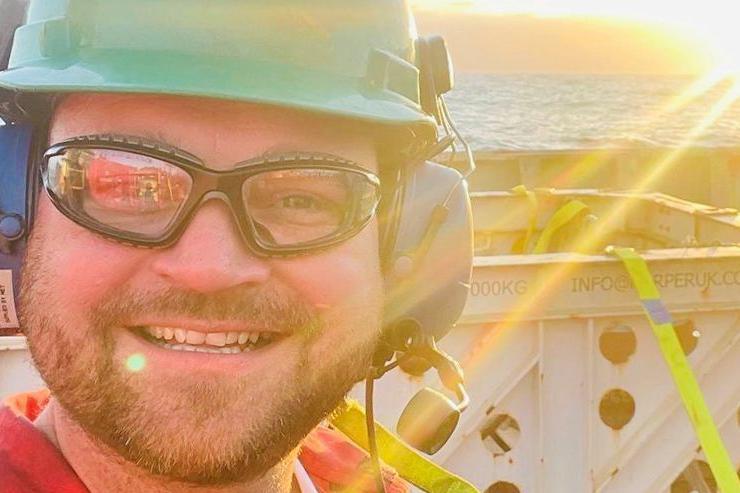
Phil Perry, an offshore worker from Aberdeen, shared his personal journey of weight loss, motivated by the fear of losing his job. "There's not a lot of people talking about it offshore yet," Perry remarked, highlighting the growing concern among workers. He emphasized the availability of healthy options and fitness facilities offshore, underscoring the importance of personal mindset in maintaining a healthy weight.
The policy also considers the broader safety systems in place, such as lifeboats and stretchers, which are affected by the increasing weight of workers. OEUK's initiative aims to ensure that all safety measures can function effectively, safeguarding workers in case of emergencies.
WHAT THIS MIGHT MEAN
Looking ahead, the implementation of the weight limit policy could set a precedent for similar safety measures in other industries where physical fitness is crucial. The policy may also prompt a broader discussion on workplace health and wellness, encouraging companies to invest in employee fitness programs. As the deadline approaches, the industry's ability to support workers in meeting the weight requirements will be critical in preventing job losses and maintaining safety standards. Experts suggest that ongoing collaboration between industry bodies and workers will be essential in navigating these changes effectively.
Images from the Web
Related Articles
UK Government to Relax North Sea Oil Exploration Rules Amid Industry and Environmental Concerns

Middle East Conflict Drives UK Energy Prices to New Highs

Aberdeen Basks in Sunshine After Record Sunless Streak Amid UK Weather Warnings

UK Faces Unrelenting Rainfall Amid Blocked Weather Patterns and Climate Crisis
UK Faces Persistent Flood Warnings Amid Record Rainfall

Russian Captain Jailed for Six Years Over Fatal North Sea Collision
North Sea Oil Workers Face Weight Limit Policy to Ensure Safety
In This Article
 Maya Singh| Published
 HIGHLIGHTS
- North Sea oil workers must adhere to a new weight limit of 124.7kg by November next year to ensure safe helicopter rescues.
- The policy affects over 2,200 workers currently above the limit, with potential job losses if compliance is not met.
- Offshore Energies UK (OEUK) emphasizes the rising average weight of workers and the need for safety measures.
- Graham Skinner of OEUK highlights industry efforts to support affected workers in achieving weight loss.
- The policy follows a two-and-a-half-year review, addressing safety challenges in offshore rescue operations.
Thousands of North Sea oil workers are facing a new weight limit policy that could impact their employment if not adhered to by November next year. Offshore Energies UK (OEUK), the industry body, has announced that workers must weigh no more than 124.7kg (19.5 st) fully clothed to ensure they can be safely winched to safety by rescue helicopters in emergencies. This policy comes in response to concerns raised by the Maritime and Coastguard Agency (MCA) regarding the lifting capacity of rescue winches.
The new regulation is set to affect over 2,200 workers currently exceeding the weight limit, with the potential for job losses if they fail to comply. The decision follows a comprehensive review by industry experts over the past two and a half years, which concluded that a weight limit is essential for maintaining safety standards in offshore operations.
Graham Skinner, health and safety manager at OEUK, stated on BBC Radio Scotland that the organization is committed to supporting workers in achieving the necessary weight loss. "Our population in general is getting heavier, and that is reflected in the offshore population," Skinner noted, emphasizing the industry's collaborative efforts to address safety challenges.
Phil Perry, an offshore worker from Aberdeen, shared his personal journey of weight loss, motivated by the fear of losing his job. "There's not a lot of people talking about it offshore yet," Perry remarked, highlighting the growing concern among workers. He emphasized the availability of healthy options and fitness facilities offshore, underscoring the importance of personal mindset in maintaining a healthy weight.
The policy also considers the broader safety systems in place, such as lifeboats and stretchers, which are affected by the increasing weight of workers. OEUK's initiative aims to ensure that all safety measures can function effectively, safeguarding workers in case of emergencies.
WHAT THIS MIGHT MEAN
Looking ahead, the implementation of the weight limit policy could set a precedent for similar safety measures in other industries where physical fitness is crucial. The policy may also prompt a broader discussion on workplace health and wellness, encouraging companies to invest in employee fitness programs. As the deadline approaches, the industry's ability to support workers in meeting the weight requirements will be critical in preventing job losses and maintaining safety standards. Experts suggest that ongoing collaboration between industry bodies and workers will be essential in navigating these changes effectively.
Images from the Web
Related Articles
UK Government to Relax North Sea Oil Exploration Rules Amid Industry and Environmental Concerns
Middle East Conflict Drives UK Energy Prices to New Highs
Aberdeen Basks in Sunshine After Record Sunless Streak Amid UK Weather Warnings
UK Faces Unrelenting Rainfall Amid Blocked Weather Patterns and Climate Crisis
UK Faces Persistent Flood Warnings Amid Record Rainfall
Russian Captain Jailed for Six Years Over Fatal North Sea Collision