
Public Inquiry into Orgreave Confrontation Seeks Long-Awaited Answers
In This Article
HIGHLIGHTS
- A public inquiry into the 1984 Orgreave confrontation between police and miners has been welcomed by former miners and campaigners.
- The clash, known as the Battle of Orgreave, involved thousands of miners and police, resulting in over 100 injuries.
- Former miner Bob Heron described the police presence as "orchestrated" and called for accountability at high levels.
- Arthur Scargill, then-president of the National Union of Mineworkers, played a significant role in organizing the miners.
- The Orgreave Truth and Justice Campaign seeks to uncover the truth behind the police's actions during the confrontation.
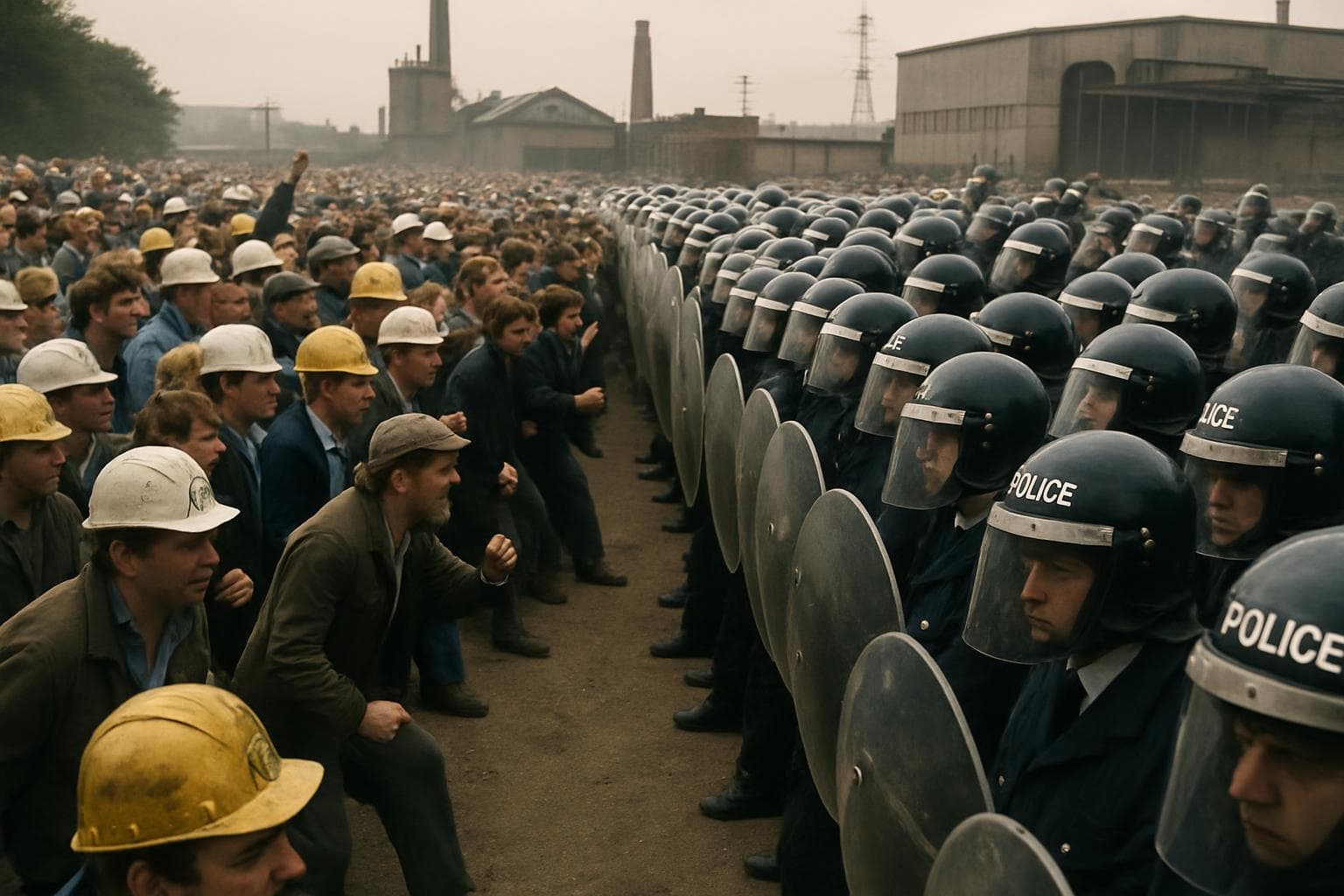
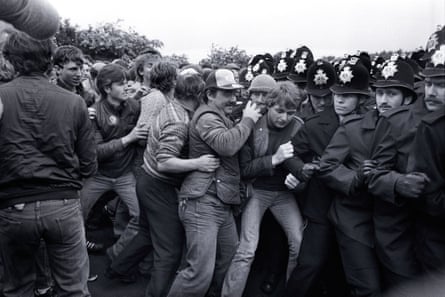
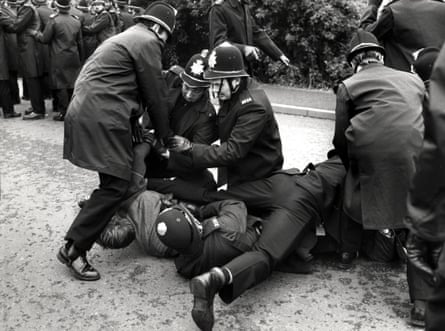
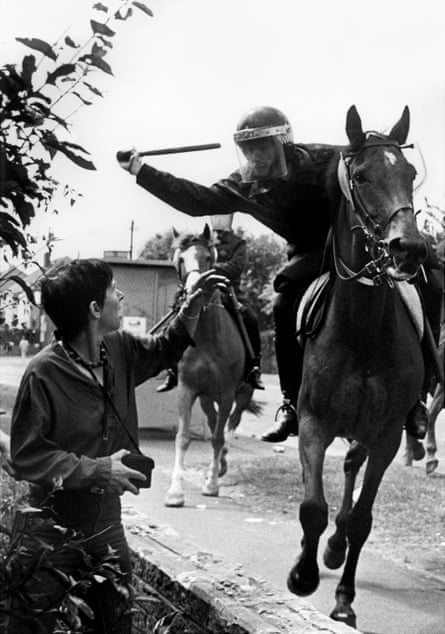
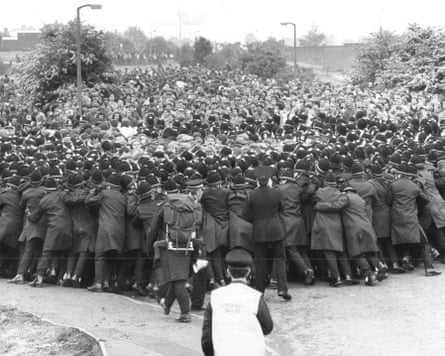
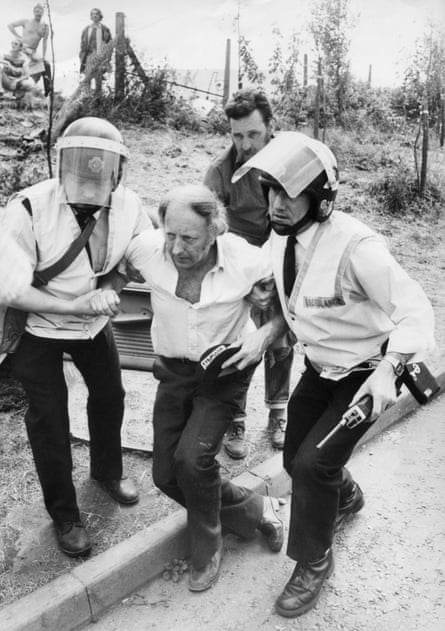
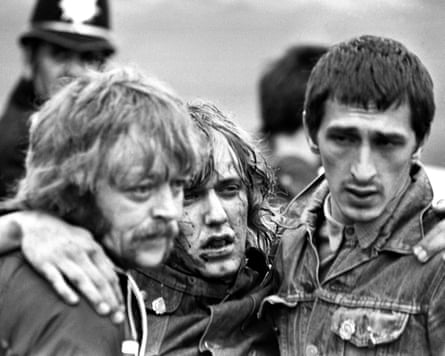
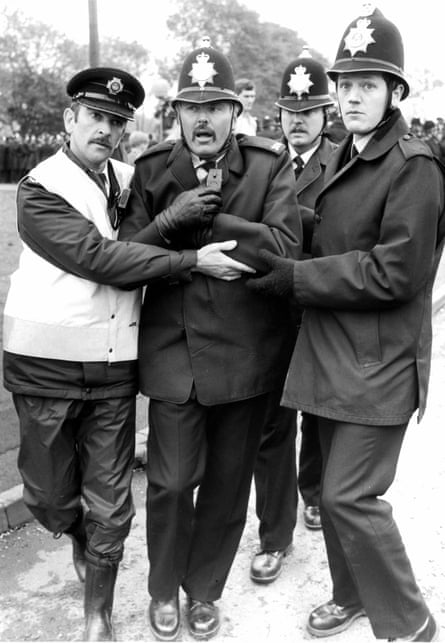
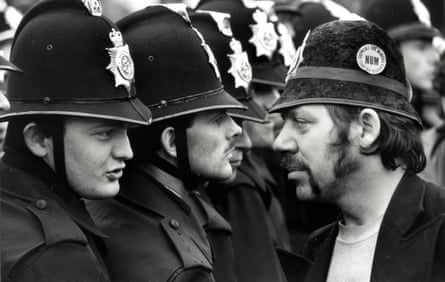
The announcement of a public inquiry into the violent 1984 confrontation at the Orgreave coking plant has been met with approval from former miners and campaigners. This pivotal event, known as the Battle of Orgreave, marked a significant moment in the year-long miners' strike, involving thousands of miners and police officers in a clash that left over 100 people injured.
Historical Context and Key Figures
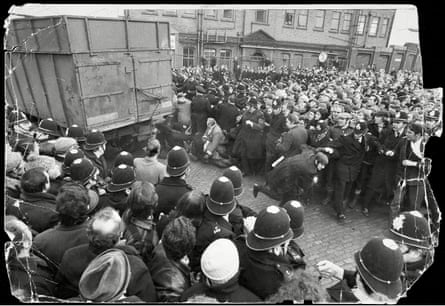
The roots of the Orgreave confrontation can be traced back to earlier industrial disputes, such as the 1972 Saltley Gate picket, which saw miners successfully challenge the government of Edward Heath. By 1984, tensions had escalated as the National Union of Mineworkers (NUM), led by Arthur Scargill, opposed plans to close 20 UK collieries. Scargill, a prominent figure in the miners' movement, rallied thousands to the Orgreave site, a critical point in the coal supply chain for British Steel.
The Day of the Clash
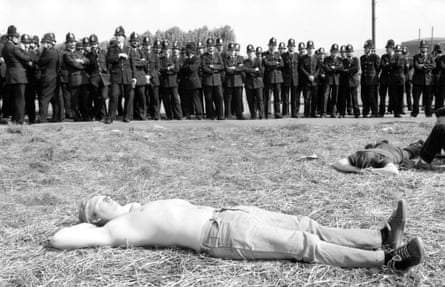
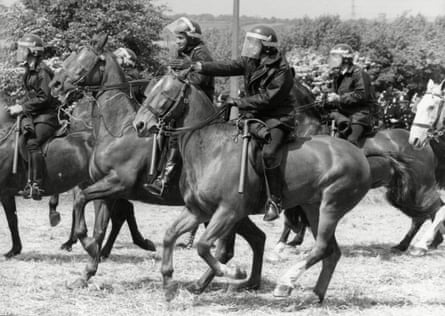
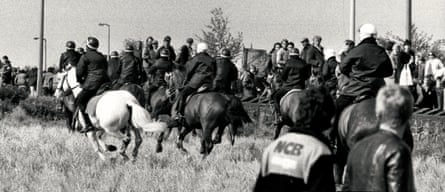
On June 18, 1984, miners gathered at Orgreave, many arriving from distant collieries and staying overnight in nearby towns. The day began with a sense of camaraderie, as miners played football and shared refreshments provided by local villagers. However, the atmosphere shifted dramatically as they encountered a formidable police presence, described by witnesses as a "trap."
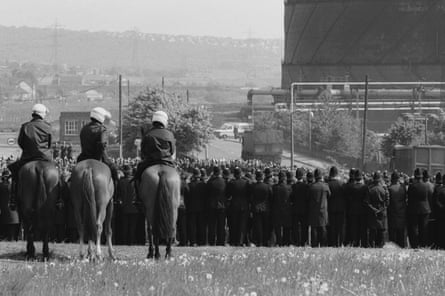
Former miner Bob Heron recounted the day's events, emphasizing the overwhelming police force equipped with riot gear, horses, and dogs. Heron, who sustained injuries from a police dog, asserted that the confrontation was orchestrated at a high level, calling for those responsible to be held accountable.
Campaign for Truth and Justice
The Orgreave Truth and Justice Campaign, represented by former miner John Dunn, has long advocated for a thorough investigation into the police's actions. Dunn questioned the rationale behind the deployment of 6,000 police officers in full riot gear, emphasizing the miners' peaceful intentions to secure their livelihoods.
WHAT THIS MIGHT MEAN
The public inquiry into the Orgreave confrontation could have significant implications for the UK’s legal and political landscape. Should the inquiry uncover evidence of misconduct or orchestration by authorities, it may lead to calls for accountability and reform within policing practices. Additionally, the findings could influence future industrial relations and the handling of public protests. As the inquiry progresses, it will be crucial to monitor its impact on the legacy of the miners' strike and the broader discourse on justice and accountability in the UK.
Images from the Web
Related Articles
Andrew Mountbatten-Windsor Arrested Amid Misconduct Allegations
Trump Criticizes UK Plan to Transfer Chagos Islands to Mauritius
UK and Allies Accuse Russia of Killing Navalny with Dart Frog Toxin

Breakthrough Drug Offers Hope for Children with Severe Epilepsy
Arrest of Andrew Mountbatten-Windsor Captured in Iconic Photograph
UK Denies US Use of Military Bases for Potential Iran Strikes Amid Chagos Islands Dispute
Public Inquiry into Orgreave Confrontation Seeks Long-Awaited Answers
In This Article
 Ethan Brooks| Published
 HIGHLIGHTS
- A public inquiry into the 1984 Orgreave confrontation between police and miners has been welcomed by former miners and campaigners.
- The clash, known as the Battle of Orgreave, involved thousands of miners and police, resulting in over 100 injuries.
- Former miner Bob Heron described the police presence as "orchestrated" and called for accountability at high levels.
- Arthur Scargill, then-president of the National Union of Mineworkers, played a significant role in organizing the miners.
- The Orgreave Truth and Justice Campaign seeks to uncover the truth behind the police's actions during the confrontation.
The announcement of a public inquiry into the violent 1984 confrontation at the Orgreave coking plant has been met with approval from former miners and campaigners. This pivotal event, known as the Battle of Orgreave, marked a significant moment in the year-long miners' strike, involving thousands of miners and police officers in a clash that left over 100 people injured.
Historical Context and Key Figures
The roots of the Orgreave confrontation can be traced back to earlier industrial disputes, such as the 1972 Saltley Gate picket, which saw miners successfully challenge the government of Edward Heath. By 1984, tensions had escalated as the National Union of Mineworkers (NUM), led by Arthur Scargill, opposed plans to close 20 UK collieries. Scargill, a prominent figure in the miners' movement, rallied thousands to the Orgreave site, a critical point in the coal supply chain for British Steel.
The Day of the Clash
On June 18, 1984, miners gathered at Orgreave, many arriving from distant collieries and staying overnight in nearby towns. The day began with a sense of camaraderie, as miners played football and shared refreshments provided by local villagers. However, the atmosphere shifted dramatically as they encountered a formidable police presence, described by witnesses as a "trap."
Former miner Bob Heron recounted the day's events, emphasizing the overwhelming police force equipped with riot gear, horses, and dogs. Heron, who sustained injuries from a police dog, asserted that the confrontation was orchestrated at a high level, calling for those responsible to be held accountable.
Campaign for Truth and Justice
The Orgreave Truth and Justice Campaign, represented by former miner John Dunn, has long advocated for a thorough investigation into the police's actions. Dunn questioned the rationale behind the deployment of 6,000 police officers in full riot gear, emphasizing the miners' peaceful intentions to secure their livelihoods.
WHAT THIS MIGHT MEAN
The public inquiry into the Orgreave confrontation could have significant implications for the UK’s legal and political landscape. Should the inquiry uncover evidence of misconduct or orchestration by authorities, it may lead to calls for accountability and reform within policing practices. Additionally, the findings could influence future industrial relations and the handling of public protests. As the inquiry progresses, it will be crucial to monitor its impact on the legacy of the miners' strike and the broader discourse on justice and accountability in the UK.
Images from the Web
Related Articles
Andrew Mountbatten-Windsor Arrested Amid Misconduct Allegations
Trump Criticizes UK Plan to Transfer Chagos Islands to Mauritius
UK and Allies Accuse Russia of Killing Navalny with Dart Frog Toxin
Breakthrough Drug Offers Hope for Children with Severe Epilepsy
Arrest of Andrew Mountbatten-Windsor Captured in Iconic Photograph
UK Denies US Use of Military Bases for Potential Iran Strikes Amid Chagos Islands Dispute