
Parents Win £20,000 Settlement After Unlawful Arrest Over School Complaints
In This Article
HIGHLIGHTS
- Hertfordshire Police paid £20,000 in damages to Rosalind Levine and Maxie Allen after admitting to their unlawful arrest.
- The couple was detained for 11 hours over complaints made about their daughter's primary school on WhatsApp.
- The arrests were initially defended by the police but later deemed unlawful due to insufficient evidence.
- The couple was banned from Cowley Hill Primary School after criticizing its leadership, leading to police involvement.
- The incident has raised concerns about police handling of disputes between parents and schools.
In a significant legal development, Hertfordshire Police have agreed to pay £20,000 in damages to a couple following their unlawful arrest over complaints made about their daughter's primary school on WhatsApp. Rosalind Levine and Maxie Allen, who were detained for 11 hours, have expressed relief at the resolution, describing the experience as deeply distressing.
Background of the Dispute
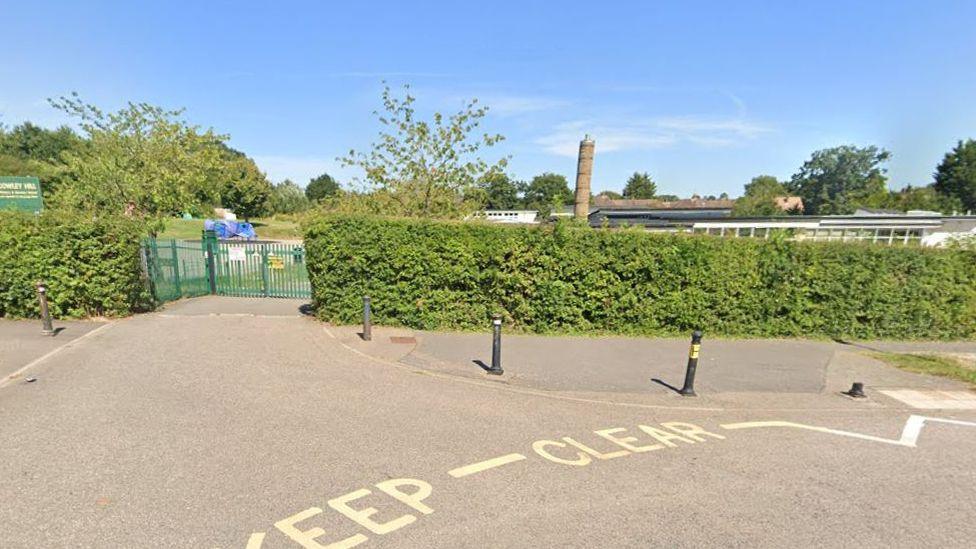
The controversy began when Levine and Allen, parents of a child with epilepsy and registered disabilities, raised concerns about the leadership at Cowley Hill Primary School in Borehamwood. Their criticisms, shared in a parents' WhatsApp group, led to their ban from the school premises. The school, citing a high volume of upsetting correspondence and social media posts, sought police intervention.
The Arrest and Legal Proceedings
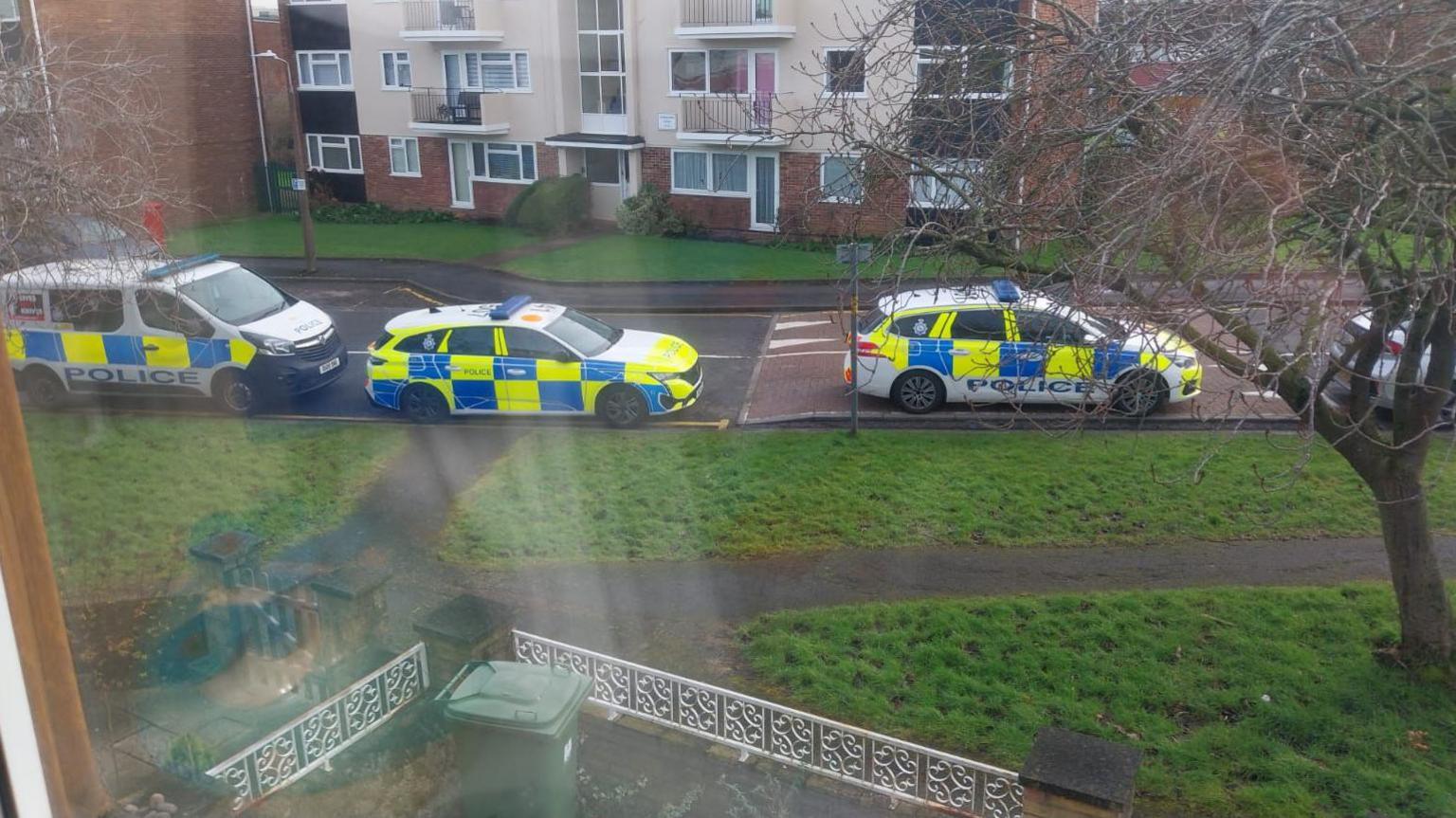
On January 29, six police officers arrested the couple on suspicion of harassment and malicious communications. Initially, Hertfordshire Police defended the arrests as necessary for a thorough investigation. However, after reviewing the case, the force admitted that the criteria for arrest under the Police and Criminal Evidence Act 1984 were not met, rendering the arrests unlawful.
Impact and Reactions
The incident has had a profound impact on the family, with Levine recounting the traumatic experience of losing her freedom in her own home. Allen, a Times Radio producer, noted the distress caused to their three-year-old child who witnessed the arrest. The couple's legal victory has been seen as a vindication, highlighting potential failings within the police force.
School's Response and Future Implications
The school had previously warned parents about inflammatory comments on social media, emphasizing its commitment to maintaining harmony. Despite the legal settlement, the case underscores the delicate balance between parental advocacy and school governance, raising questions about the role of police in such disputes.
WHAT THIS MIGHT MEAN
This case may prompt a broader review of how police handle disputes between parents and educational institutions, potentially leading to policy changes. Legal experts suggest that the settlement could encourage other parents to challenge similar actions by authorities. The incident also highlights the need for clearer guidelines on the use of social media in school-related communications, ensuring that parental concerns are addressed without escalating to legal confrontations.
Images from the Web




Parents Win £20,000 Settlement After Unlawful Arrest Over School Complaints
In This Article
 Sofia Romano| Published
 HIGHLIGHTS
- Hertfordshire Police paid £20,000 in damages to Rosalind Levine and Maxie Allen after admitting to their unlawful arrest.
- The couple was detained for 11 hours over complaints made about their daughter's primary school on WhatsApp.
- The arrests were initially defended by the police but later deemed unlawful due to insufficient evidence.
- The couple was banned from Cowley Hill Primary School after criticizing its leadership, leading to police involvement.
- The incident has raised concerns about police handling of disputes between parents and schools.
In a significant legal development, Hertfordshire Police have agreed to pay £20,000 in damages to a couple following their unlawful arrest over complaints made about their daughter's primary school on WhatsApp. Rosalind Levine and Maxie Allen, who were detained for 11 hours, have expressed relief at the resolution, describing the experience as deeply distressing.
Background of the Dispute
The controversy began when Levine and Allen, parents of a child with epilepsy and registered disabilities, raised concerns about the leadership at Cowley Hill Primary School in Borehamwood. Their criticisms, shared in a parents' WhatsApp group, led to their ban from the school premises. The school, citing a high volume of upsetting correspondence and social media posts, sought police intervention.
The Arrest and Legal Proceedings
On January 29, six police officers arrested the couple on suspicion of harassment and malicious communications. Initially, Hertfordshire Police defended the arrests as necessary for a thorough investigation. However, after reviewing the case, the force admitted that the criteria for arrest under the Police and Criminal Evidence Act 1984 were not met, rendering the arrests unlawful.
Impact and Reactions
The incident has had a profound impact on the family, with Levine recounting the traumatic experience of losing her freedom in her own home. Allen, a Times Radio producer, noted the distress caused to their three-year-old child who witnessed the arrest. The couple's legal victory has been seen as a vindication, highlighting potential failings within the police force.
School's Response and Future Implications
The school had previously warned parents about inflammatory comments on social media, emphasizing its commitment to maintaining harmony. Despite the legal settlement, the case underscores the delicate balance between parental advocacy and school governance, raising questions about the role of police in such disputes.
WHAT THIS MIGHT MEAN
This case may prompt a broader review of how police handle disputes between parents and educational institutions, potentially leading to policy changes. Legal experts suggest that the settlement could encourage other parents to challenge similar actions by authorities. The incident also highlights the need for clearer guidelines on the use of social media in school-related communications, ensuring that parental concerns are addressed without escalating to legal confrontations.
Images from the Web