
Polar Bears Show DNA Adaptations to Climate Change, Study Finds
In This Article
HIGHLIGHTS
- Polar bears in southeastern Greenland are showing DNA changes that may help them adapt to warmer climates.
- Researchers from the University of East Anglia found genes related to heat stress and metabolism behaving differently in these bears.
- The study highlights the potential for polar bears to adapt genetically, but emphasizes the need for continued climate action.
- Two-thirds of the polar bear population is projected to disappear by 2050 due to melting ice habitats.
- The findings could guide future conservation efforts by providing a genetic blueprint for adaptation.
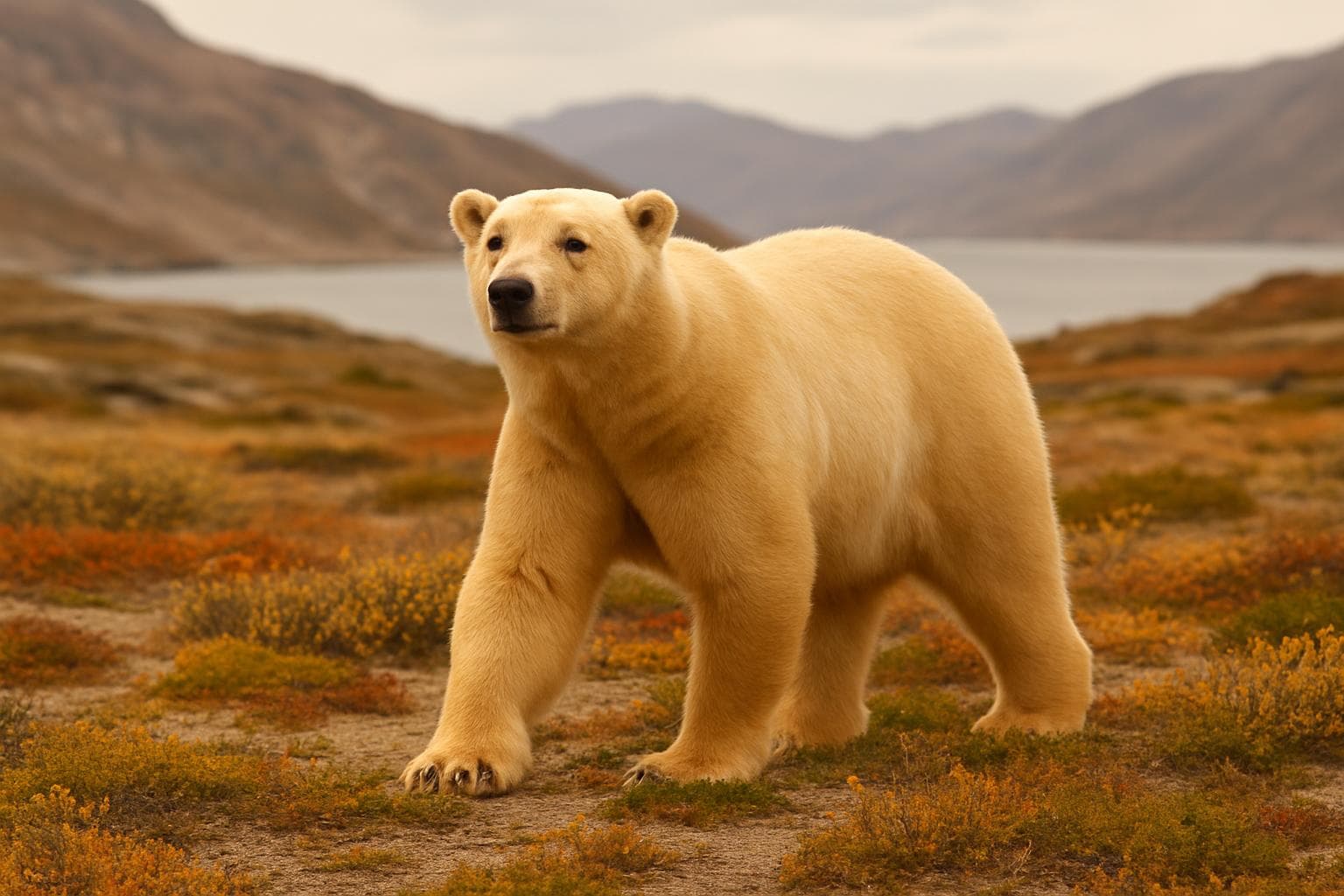
New research from the University of East Anglia has revealed that polar bears in southeastern Greenland are exhibiting DNA changes that could aid their survival in warmer climates. This groundbreaking study, published in the journal Mobile DNA, marks the first time a statistically significant link has been established between rising temperatures and DNA changes in a wild mammal species.
Genetic Adaptation to Warmer Climates
The research team, led by Dr. Alice Godden, discovered that genes related to heat stress, ageing, and metabolism are behaving differently in polar bears living in the warmer regions of southeastern Greenland. These changes suggest that the bears may be adjusting to their evolving environment. "DNA is the instruction book inside every cell, guiding how an organism grows and develops," Dr. Godden explained. By analyzing blood samples and comparing gene activity to local climate data, the researchers found that rising temperatures are driving a significant increase in the activity of "jumping genes" within the bears' DNA.
Implications for Conservation Efforts
Despite these promising signs of genetic adaptation, the study underscores the urgent need for continued efforts to combat global warming. Polar bears were granted protective status under the U.S. Endangered Species Act in 2008, yet two-thirds of the population is expected to vanish by 2050 as their icy habitats melt. Dr. Godden emphasized the importance of these findings, stating, "As the rest of the species faces extinction, these specific bears provide a genetic blueprint for how polar bears might be able to adapt quickly to climate change."
Dietary Changes and Survival
The study also noted changes in gene expression related to fat processing, which could be crucial for survival when food is scarce. Bears in southeastern Greenland are adapting to rougher, plant-based diets as opposed to the fatty, seal-based diets of their northern counterparts. This dietary shift is a response to the melting sea ice platforms that polar bears traditionally use for hunting.
WHAT THIS MIGHT MEAN
The discovery of genetic adaptations in polar bears offers a glimmer of hope for their survival in a warming world. However, experts caution that these changes alone are not enough to ensure the species' long-term survival. Continued global efforts to mitigate climate change remain essential to preserving polar bear habitats. The study's findings could inform future conservation strategies by identifying which polar bear populations are most at risk and guiding efforts to protect these unique genetic blueprints. As climate change continues to reshape ecosystems, understanding the genetic mechanisms behind adaptation will be crucial for the conservation of not only polar bears but other vulnerable species as well.

Polar Bears Show DNA Adaptations to Climate Change, Study Finds
In This Article
 Himanshu Kaushik| Published
 HIGHLIGHTS
- Polar bears in southeastern Greenland are showing DNA changes that may help them adapt to warmer climates.
- Researchers from the University of East Anglia found genes related to heat stress and metabolism behaving differently in these bears.
- The study highlights the potential for polar bears to adapt genetically, but emphasizes the need for continued climate action.
- Two-thirds of the polar bear population is projected to disappear by 2050 due to melting ice habitats.
- The findings could guide future conservation efforts by providing a genetic blueprint for adaptation.
New research from the University of East Anglia has revealed that polar bears in southeastern Greenland are exhibiting DNA changes that could aid their survival in warmer climates. This groundbreaking study, published in the journal Mobile DNA, marks the first time a statistically significant link has been established between rising temperatures and DNA changes in a wild mammal species.
Genetic Adaptation to Warmer Climates
The research team, led by Dr. Alice Godden, discovered that genes related to heat stress, ageing, and metabolism are behaving differently in polar bears living in the warmer regions of southeastern Greenland. These changes suggest that the bears may be adjusting to their evolving environment. "DNA is the instruction book inside every cell, guiding how an organism grows and develops," Dr. Godden explained. By analyzing blood samples and comparing gene activity to local climate data, the researchers found that rising temperatures are driving a significant increase in the activity of "jumping genes" within the bears' DNA.
Implications for Conservation Efforts
Despite these promising signs of genetic adaptation, the study underscores the urgent need for continued efforts to combat global warming. Polar bears were granted protective status under the U.S. Endangered Species Act in 2008, yet two-thirds of the population is expected to vanish by 2050 as their icy habitats melt. Dr. Godden emphasized the importance of these findings, stating, "As the rest of the species faces extinction, these specific bears provide a genetic blueprint for how polar bears might be able to adapt quickly to climate change."
Dietary Changes and Survival
The study also noted changes in gene expression related to fat processing, which could be crucial for survival when food is scarce. Bears in southeastern Greenland are adapting to rougher, plant-based diets as opposed to the fatty, seal-based diets of their northern counterparts. This dietary shift is a response to the melting sea ice platforms that polar bears traditionally use for hunting.
WHAT THIS MIGHT MEAN
The discovery of genetic adaptations in polar bears offers a glimmer of hope for their survival in a warming world. However, experts caution that these changes alone are not enough to ensure the species' long-term survival. Continued global efforts to mitigate climate change remain essential to preserving polar bear habitats. The study's findings could inform future conservation strategies by identifying which polar bear populations are most at risk and guiding efforts to protect these unique genetic blueprints. As climate change continues to reshape ecosystems, understanding the genetic mechanisms behind adaptation will be crucial for the conservation of not only polar bears but other vulnerable species as well.