
Inquiry Reveals Preventable Failures in 2021 Channel Tragedy
In This Article
HIGHLIGHTS
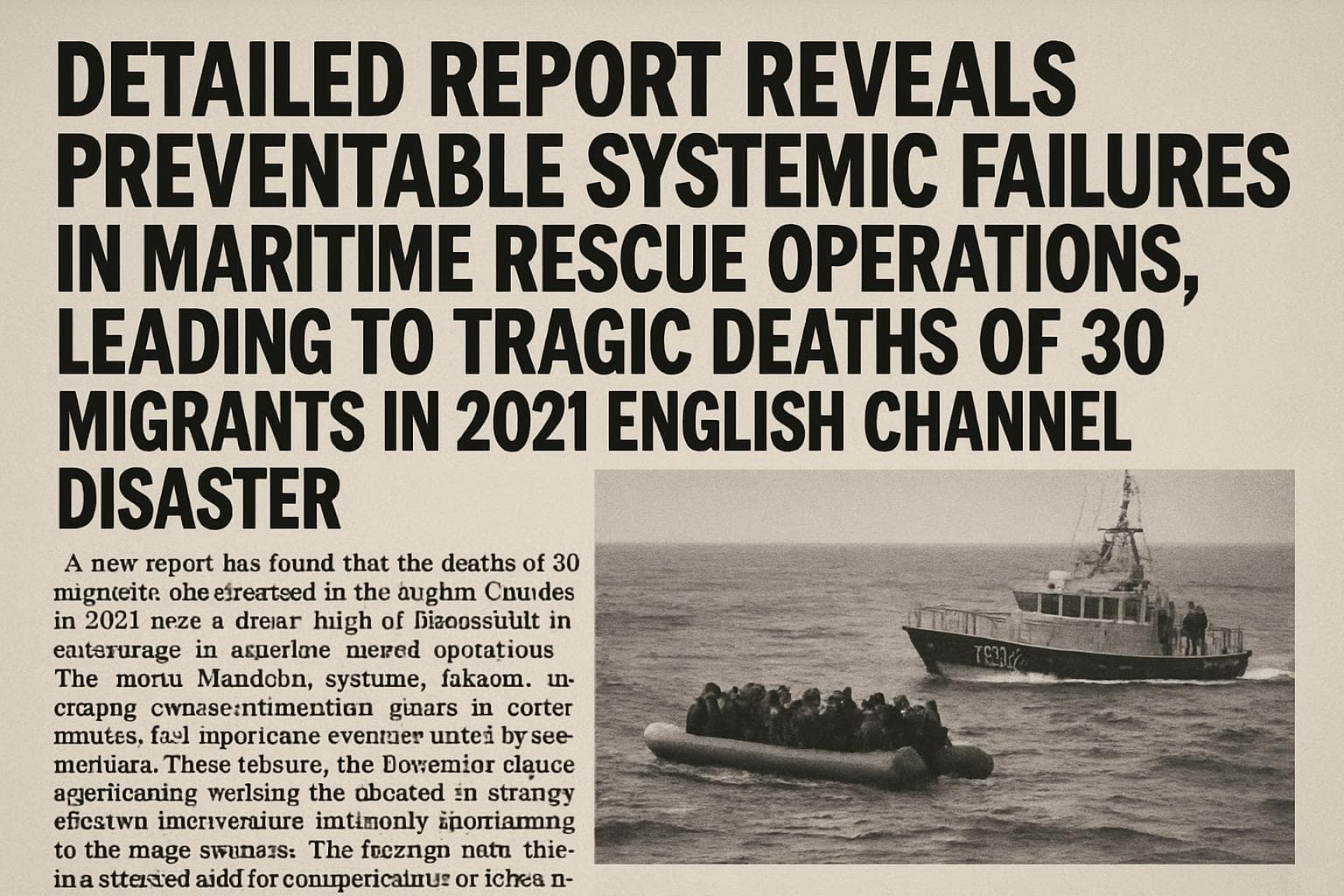
- An inquiry found that the deaths of at least 30 people in a 2021 Channel crossing were preventable due to systemic failures.
- The report criticized HM Coastguard's response, citing staff shortages and missed distress signals.
- The overloaded dinghy capsized on November 24, 2021, with only two survivors found nearly 12 hours later.
- People smugglers provided unsafe vessels, and the French naval vessel Flamant failed to respond promptly.
- The inquiry cost £7.5 million and highlighted the human cost of small boat crossings, urging for their cessation.
In a damning report, a public inquiry has concluded that the tragic deaths of at least 30 migrants attempting to cross the English Channel in November 2021 could have been avoided. The incident, which remains the deadliest small boat disaster in the Channel's history, has been attributed to significant systemic failures in the UK's maritime search and rescue operations.
Systemic Failures and Missed Opportunities
The 454-page report, led by former high court judge Sir Ross Cranston, highlights critical lapses in the response by HM Coastguard. Chronic staff shortages and inadequate operational capacity were cited as direct contributors to the failure to rescue those in distress. The inquiry found that distress calls from the capsized dinghy were either missed or not adequately followed up, and search operations were prematurely terminated despite survivors remaining in the water for hours.
Unsafe Vessels and Delayed Responses
The report also criticized the role of people smugglers who overloaded the dinghy with inadequate safety equipment. The French naval vessel Flamant, which was closest to the scene, failed to respond promptly to a UK mayday call. The inquiry revealed that the UK Border Force's HMC Valiant was delayed in its response, mistakenly identifying another vessel as the one in distress, leading to a stand-down of the rescue operation.
Human Cost and Calls for Change
The tragedy claimed the lives of 27 men, women, and children, with four still missing. The youngest victim was seven-year-old Hasti Rizghar Hussein. Survivors and families of the deceased shared harrowing testimonies during the inquiry, emphasizing the profound human impact of the disaster. Sir Ross Cranston called for an end to small boat crossings, describing them as inherently dangerous and urging for measures to prevent further loss of life.
WHAT THIS MIGHT MEAN
The findings of this inquiry could lead to significant changes in how maritime search and rescue operations are conducted in the English Channel. The UK government may face increased pressure to address staffing shortages and improve coordination with French authorities. Additionally, the report's emphasis on the dangers of small boat crossings could influence future immigration policies and bilateral agreements aimed at curbing people smuggling. As the international community grapples with the refugee crisis, this tragedy serves as a stark reminder of the urgent need for comprehensive solutions to ensure the safety and dignity of those seeking asylum.
Related Articles

Tragedy Strikes as Two Young Men Found Dead on Snowdon
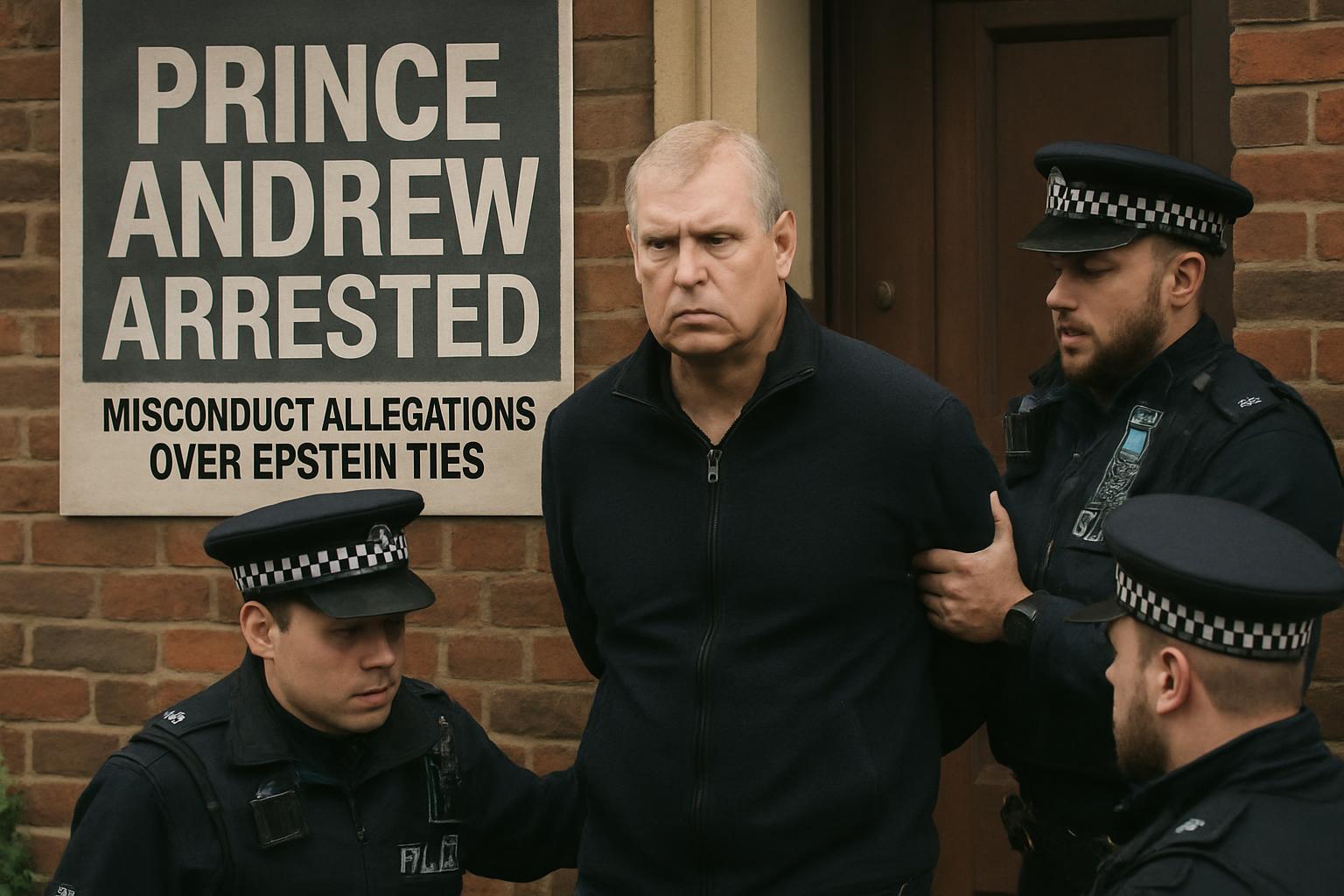
Andrew Mountbatten-Windsor Arrested Amid Misconduct Allegations
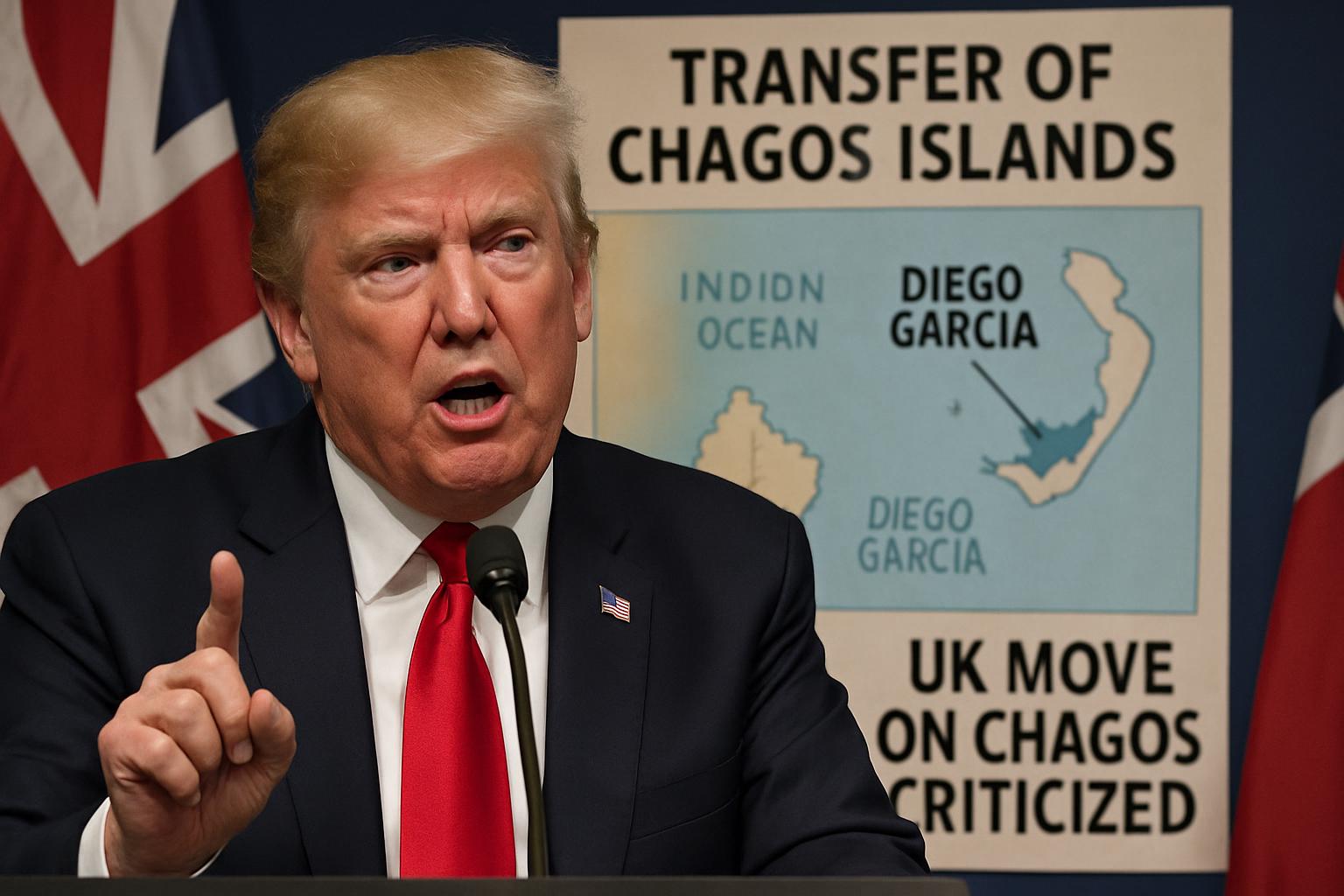
Trump Criticizes UK Plan to Transfer Chagos Islands to Mauritius

UK and Allies Accuse Russia of Killing Navalny with Dart Frog Toxin

Breakthrough Drug Offers Hope for Children with Severe Epilepsy
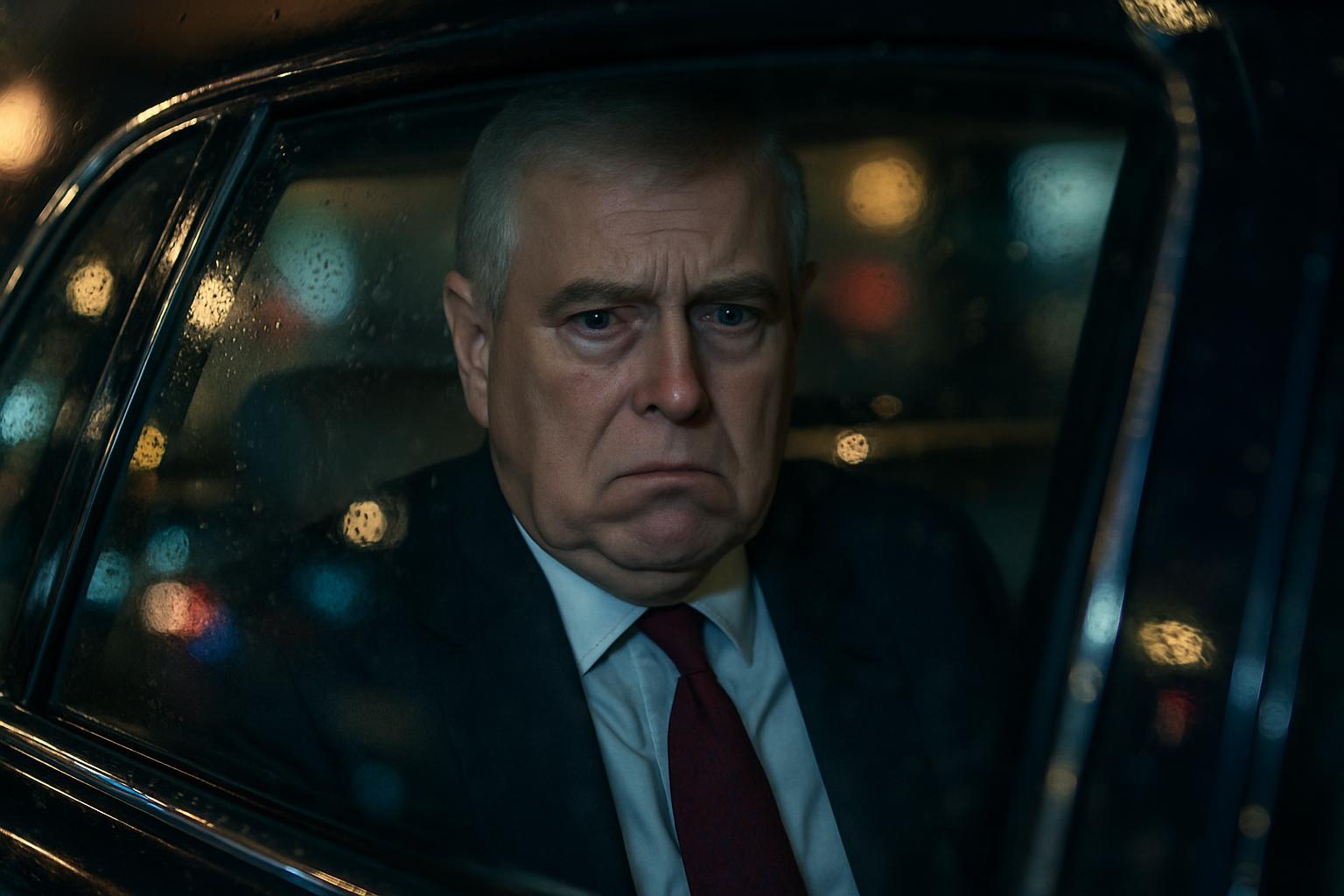
Arrest of Andrew Mountbatten-Windsor Captured in Iconic Photograph
Inquiry Reveals Preventable Failures in 2021 Channel Tragedy
In This Article
 Ethan Brooks| Published
 HIGHLIGHTS
- An inquiry found that the deaths of at least 30 people in a 2021 Channel crossing were preventable due to systemic failures.
- The report criticized HM Coastguard's response, citing staff shortages and missed distress signals.
- The overloaded dinghy capsized on November 24, 2021, with only two survivors found nearly 12 hours later.
- People smugglers provided unsafe vessels, and the French naval vessel Flamant failed to respond promptly.
- The inquiry cost £7.5 million and highlighted the human cost of small boat crossings, urging for their cessation.
In a damning report, a public inquiry has concluded that the tragic deaths of at least 30 migrants attempting to cross the English Channel in November 2021 could have been avoided. The incident, which remains the deadliest small boat disaster in the Channel's history, has been attributed to significant systemic failures in the UK's maritime search and rescue operations.
Systemic Failures and Missed Opportunities
The 454-page report, led by former high court judge Sir Ross Cranston, highlights critical lapses in the response by HM Coastguard. Chronic staff shortages and inadequate operational capacity were cited as direct contributors to the failure to rescue those in distress. The inquiry found that distress calls from the capsized dinghy were either missed or not adequately followed up, and search operations were prematurely terminated despite survivors remaining in the water for hours.
Unsafe Vessels and Delayed Responses
The report also criticized the role of people smugglers who overloaded the dinghy with inadequate safety equipment. The French naval vessel Flamant, which was closest to the scene, failed to respond promptly to a UK mayday call. The inquiry revealed that the UK Border Force's HMC Valiant was delayed in its response, mistakenly identifying another vessel as the one in distress, leading to a stand-down of the rescue operation.
Human Cost and Calls for Change
The tragedy claimed the lives of 27 men, women, and children, with four still missing. The youngest victim was seven-year-old Hasti Rizghar Hussein. Survivors and families of the deceased shared harrowing testimonies during the inquiry, emphasizing the profound human impact of the disaster. Sir Ross Cranston called for an end to small boat crossings, describing them as inherently dangerous and urging for measures to prevent further loss of life.
WHAT THIS MIGHT MEAN
The findings of this inquiry could lead to significant changes in how maritime search and rescue operations are conducted in the English Channel. The UK government may face increased pressure to address staffing shortages and improve coordination with French authorities. Additionally, the report's emphasis on the dangers of small boat crossings could influence future immigration policies and bilateral agreements aimed at curbing people smuggling. As the international community grapples with the refugee crisis, this tragedy serves as a stark reminder of the urgent need for comprehensive solutions to ensure the safety and dignity of those seeking asylum.
Related Articles
Tragedy Strikes as Two Young Men Found Dead on Snowdon
Andrew Mountbatten-Windsor Arrested Amid Misconduct Allegations
Trump Criticizes UK Plan to Transfer Chagos Islands to Mauritius
UK and Allies Accuse Russia of Killing Navalny with Dart Frog Toxin
Breakthrough Drug Offers Hope for Children with Severe Epilepsy
Arrest of Andrew Mountbatten-Windsor Captured in Iconic Photograph