
Prince Andrew's Arrest Intensifies Scrutiny on Royal Succession and Prince William's Future Role
In This Article
HIGHLIGHTS
- Prince Andrew's recent arrest has intensified scrutiny on the Royal Family, affecting Prince William's future role as king.
- Buckingham Palace will not oppose legislative moves to remove Andrew from the royal line of succession.
- Andrew remains eighth in line to the throne despite losing royal titles and duties due to his association with Jeffrey Epstein.
- Removing Andrew from succession requires new legislation, supported by the UK Parliament and Commonwealth nations.
- The government is coordinating with the palace on potential legal changes, pending the conclusion of the police investigation.
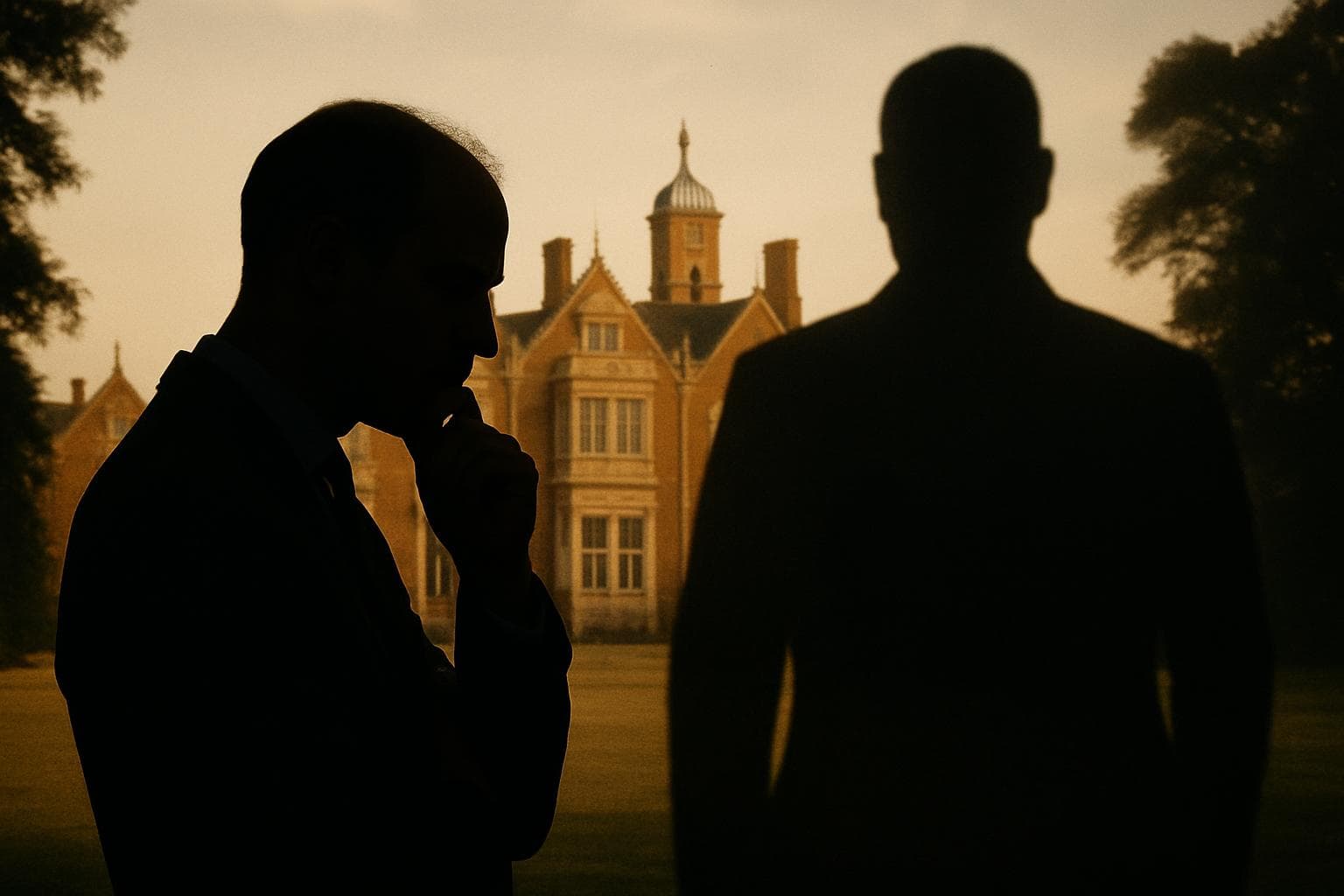
The recent arrest of Andrew Mountbatten-Windsor has cast a long shadow over the Royal Family, particularly affecting Prince William as he prepares for his future role as king. The arrest, which took place at Wood Farm on the Sandringham estate, has brought renewed attention to Andrew's controversial past, including his ties to the convicted sex offender Jeffrey Epstein.
Impact on Prince William
Prince William, who was enjoying a private family retreat in Norfolk, finds himself uncomfortably close to the unfolding drama. Although he has maintained a distance from his uncle's controversies, the implications of Andrew's actions are now unavoidable. As William seeks to modernize the monarchy, the public's demand for transparency and accountability grows louder.
Royal Succession and Legislative Moves
Buckingham Palace has indicated it will not oppose efforts to remove Andrew from the royal line of succession. Despite being stripped of his royal titles and duties, Andrew remains eighth in line to the throne. His removal would require new legislation, which must gain the support of UK Parliament and the 14 Commonwealth countries where the king is head of state.
Government and Palace Coordination
The UK government is reportedly working with the palace on plans to prevent Andrew from potentially ascending to the throne. Defence Minister Luke Pollard expressed hope for cross-party support for such legislation, emphasizing that any action will await the conclusion of the ongoing police investigation.
Public and Political Reactions
The situation has sparked varied reactions, with some royal supporters urging perspective, noting that one individual's actions should not overshadow the Royal Family's contributions. However, the appetite for change within the monarchy is undeniable, as the public and political figures alike call for greater accountability.
WHAT THIS MIGHT MEAN
As the police investigation into Andrew Mountbatten-Windsor continues, the Royal Family faces mounting pressure to address the implications of his actions. Should legislation to remove Andrew from the line of succession proceed, it could set a precedent for how the monarchy handles internal controversies. Experts suggest that Prince William's approach to modernizing the monarchy will be closely scrutinized, as he balances tradition with the public's call for reform. The outcome of this situation could significantly influence the future of the UK monarchy and its global perception.
Related Articles
MPs Weigh Inquiry into Andrew Mountbatten-Windsor's Trade Envoy Role Amid Arrest
Prince Andrew's Ties to Epstein Under Scrutiny Amid Calls for Inquiry
UK Police Intensify Investigation into Andrew Mountbatten-Windsor Amid Misconduct Allegations
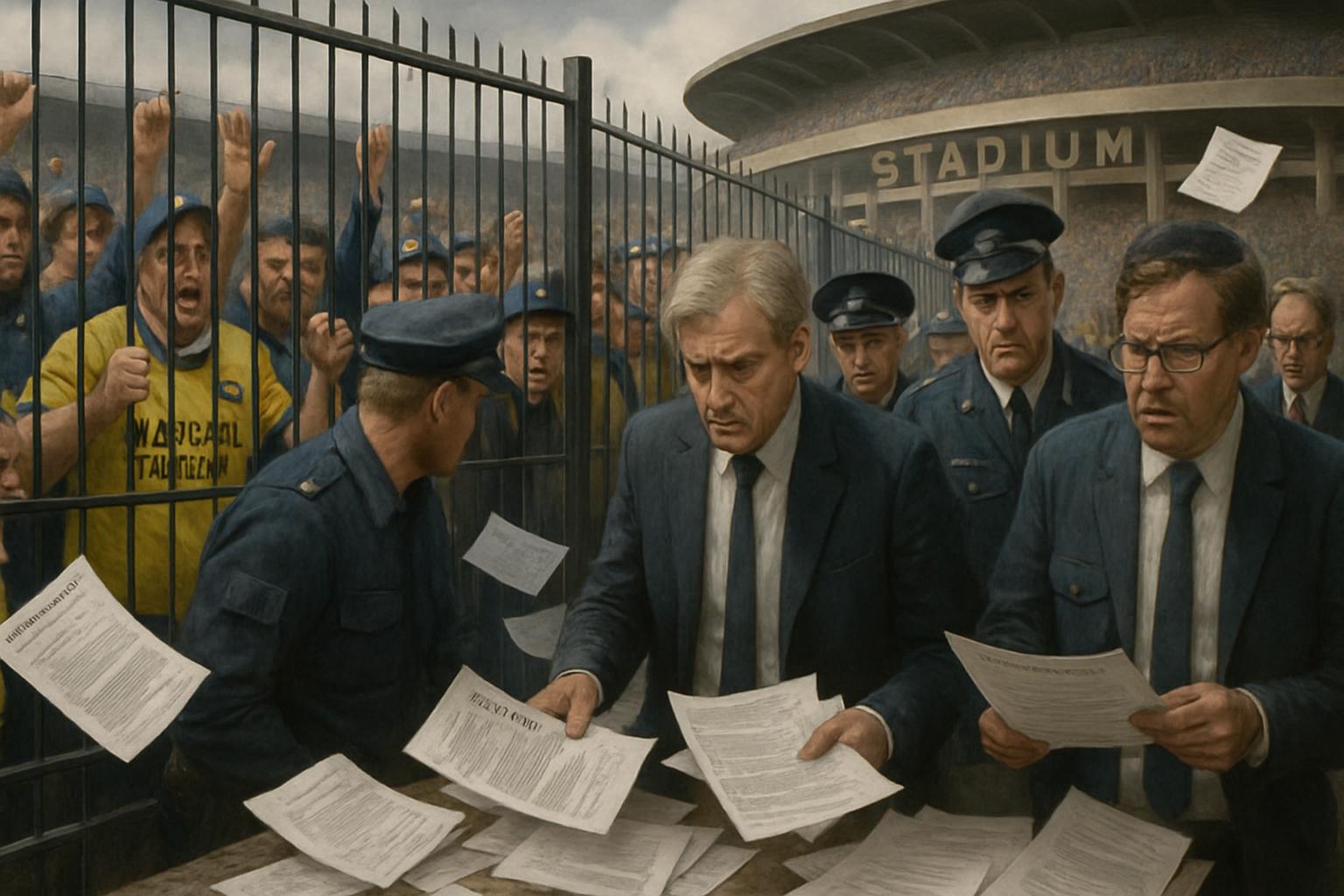
Government Criticized for Mishandling Maccabi Tel Aviv Fan Ban

Arrest of Andrew Mountbatten-Windsor Captured in Iconic Photograph

Robert Aramayo's Stunning Bafta Win and Royal Appearances Highlight 2026 Ceremony
Prince Andrew's Arrest Intensifies Scrutiny on Royal Succession and Prince William's Future Role
In This Article
 Ethan Brooks| Published
 HIGHLIGHTS
- Prince Andrew's recent arrest has intensified scrutiny on the Royal Family, affecting Prince William's future role as king.
- Buckingham Palace will not oppose legislative moves to remove Andrew from the royal line of succession.
- Andrew remains eighth in line to the throne despite losing royal titles and duties due to his association with Jeffrey Epstein.
- Removing Andrew from succession requires new legislation, supported by the UK Parliament and Commonwealth nations.
- The government is coordinating with the palace on potential legal changes, pending the conclusion of the police investigation.
The recent arrest of Andrew Mountbatten-Windsor has cast a long shadow over the Royal Family, particularly affecting Prince William as he prepares for his future role as king. The arrest, which took place at Wood Farm on the Sandringham estate, has brought renewed attention to Andrew's controversial past, including his ties to the convicted sex offender Jeffrey Epstein.
Impact on Prince William
Prince William, who was enjoying a private family retreat in Norfolk, finds himself uncomfortably close to the unfolding drama. Although he has maintained a distance from his uncle's controversies, the implications of Andrew's actions are now unavoidable. As William seeks to modernize the monarchy, the public's demand for transparency and accountability grows louder.
Royal Succession and Legislative Moves
Buckingham Palace has indicated it will not oppose efforts to remove Andrew from the royal line of succession. Despite being stripped of his royal titles and duties, Andrew remains eighth in line to the throne. His removal would require new legislation, which must gain the support of UK Parliament and the 14 Commonwealth countries where the king is head of state.
Government and Palace Coordination
The UK government is reportedly working with the palace on plans to prevent Andrew from potentially ascending to the throne. Defence Minister Luke Pollard expressed hope for cross-party support for such legislation, emphasizing that any action will await the conclusion of the ongoing police investigation.
Public and Political Reactions
The situation has sparked varied reactions, with some royal supporters urging perspective, noting that one individual's actions should not overshadow the Royal Family's contributions. However, the appetite for change within the monarchy is undeniable, as the public and political figures alike call for greater accountability.
WHAT THIS MIGHT MEAN
As the police investigation into Andrew Mountbatten-Windsor continues, the Royal Family faces mounting pressure to address the implications of his actions. Should legislation to remove Andrew from the line of succession proceed, it could set a precedent for how the monarchy handles internal controversies. Experts suggest that Prince William's approach to modernizing the monarchy will be closely scrutinized, as he balances tradition with the public's call for reform. The outcome of this situation could significantly influence the future of the UK monarchy and its global perception.
Related Articles
MPs Weigh Inquiry into Andrew Mountbatten-Windsor's Trade Envoy Role Amid Arrest
Prince Andrew's Ties to Epstein Under Scrutiny Amid Calls for Inquiry
UK Police Intensify Investigation into Andrew Mountbatten-Windsor Amid Misconduct Allegations
Government Criticized for Mishandling Maccabi Tel Aviv Fan Ban
Arrest of Andrew Mountbatten-Windsor Captured in Iconic Photograph
Robert Aramayo's Stunning Bafta Win and Royal Appearances Highlight 2026 Ceremony