
Rachel Reeves Unveils £26bn Tax Hike to Address UK Cost of Living Crisis
In This Article
HIGHLIGHTS
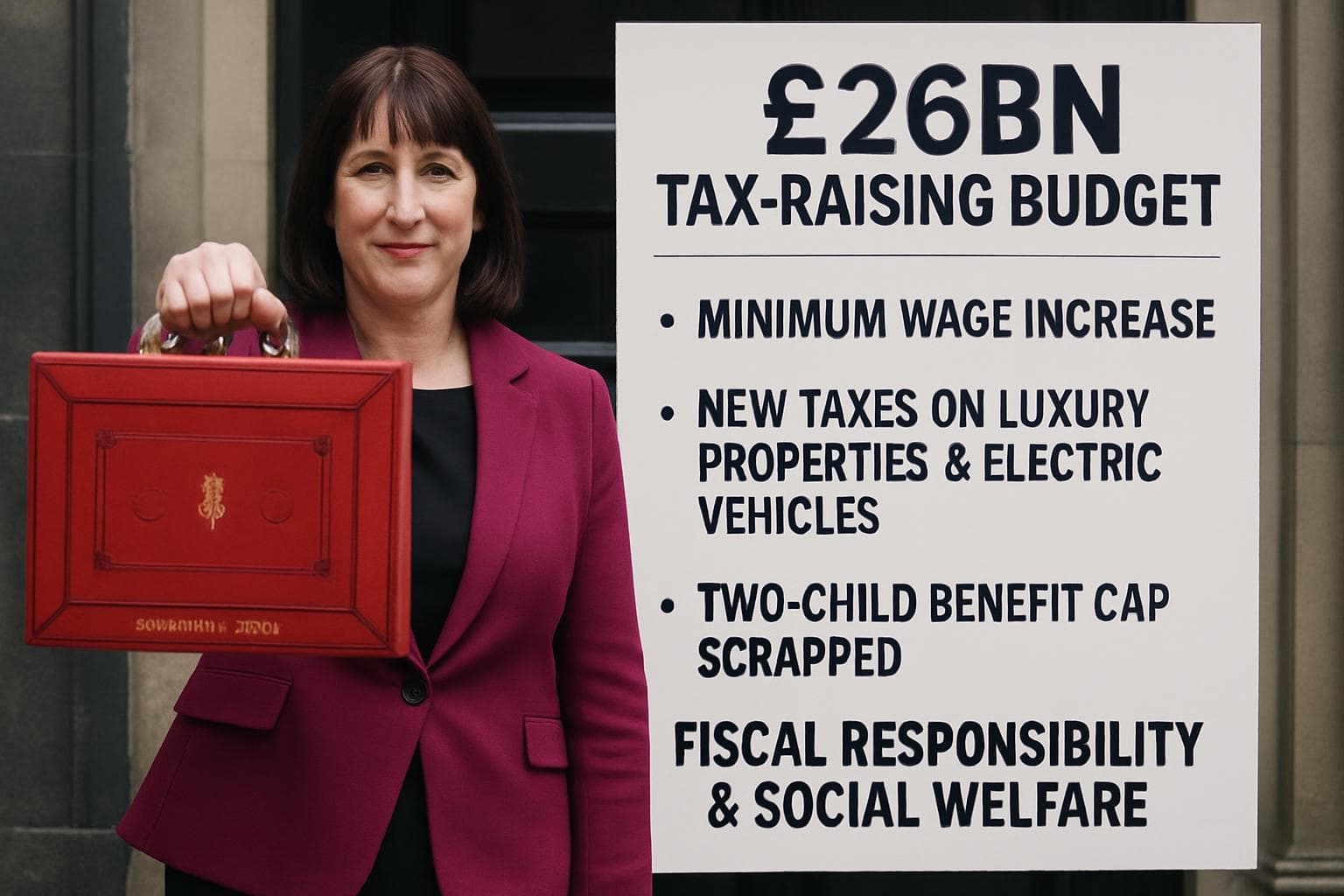
- Chancellor Rachel Reeves announced a £26bn tax increase to tackle the cost of living and fund public services, raising the UK's tax take to 38% of GDP by 2030.
- The budget includes a rise in the national minimum wage, with over-21s earning £12.71 per hour, benefiting approximately 153,200 minimum wage workers in London.
- A new council tax surcharge targets properties worth over £2m, while electric vehicles face a new mileage tax, sparking concerns among businesses about increased operational costs.
- The two-child benefit cap will be scrapped, lifting 450,000 children out of poverty, despite criticism that the budget disproportionately affects the middle class.
- The Office for Budget Responsibility's early leak of budget details caused market reactions, highlighting the budget's impact on public finances and borrowing costs.
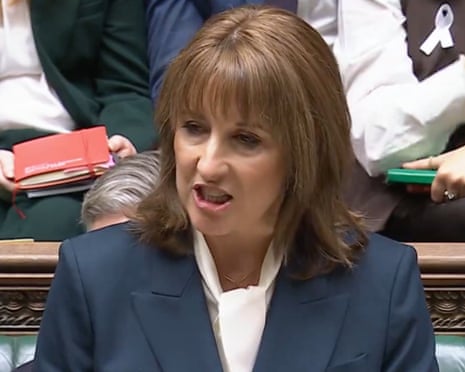
Chancellor Rachel Reeves has introduced a sweeping £26bn tax-raising budget aimed at addressing the UK's cost of living crisis while maintaining fiscal responsibility. The budget, which was partially leaked by the Office for Budget Responsibility (OBR) ahead of its official announcement, includes significant changes impacting both individuals and businesses.
Minimum Wage and Business Impact
One of the key measures is an increase in the national minimum wage, set to benefit over 153,200 workers in London alone. From April, workers aged 21 and over will see their hourly rate rise to £12.71, while those aged 18-20 will earn £10.85. The move has been welcomed by many, including London's Mayor, Sir Sadiq Khan, who called it "great news" for young workers. However, business leaders have expressed concerns about the financial strain on sectors like hospitality, with some warning of potential hiring freezes.
Tax Increases and Economic Implications
The budget introduces a new council tax surcharge for properties valued over £2m, alongside a mileage tax for electric vehicles. These measures are part of Reeves's strategy to ensure that those "with the broadest shoulders" contribute more to public finances. Despite the chancellor's assurances of avoiding reckless borrowing, the budget has sparked debate over its impact on the middle class, with critics arguing it could exacerbate financial pressures on working families.
Social Welfare and Public Reaction
In a significant policy shift, Reeves announced the abolition of the two-child benefit cap, a move expected to lift 450,000 children out of poverty. This decision has been praised by Labour MPs and social advocates, though it has also fueled discussions about the budget's broader economic implications. The OBR's analysis suggests that the tax measures will result in a slower growth rate for the UK economy, with millions of workers facing higher tax burdens due to frozen income tax thresholds.
Market Reactions and Fiscal Strategy
The premature release of budget details by the OBR led to immediate reactions in financial markets, underscoring the budget's potential impact on government borrowing costs. Despite these challenges, Reeves emphasized her commitment to building a "fairer, stronger, and more secure Britain," with investments in infrastructure and public services at the forefront of her fiscal strategy.
WHAT THIS MIGHT MEAN
As the UK grapples with the implications of Reeves's budget, several potential outcomes emerge. The increased tax burden on higher-income households and businesses could lead to shifts in economic behavior, potentially affecting investment and employment rates. Politically, the budget may bolster Labour's standing among lower-income voters, while drawing criticism from those affected by the tax hikes. Economists will closely monitor the budget's impact on inflation and economic growth, as the government seeks to balance fiscal responsibility with social welfare commitments. The coming months will reveal whether Reeves's approach successfully navigates the complex landscape of public finance and economic recovery.
Images from the Web
Related Articles

Global Counsel Faces Collapse Amidst Epstein Scandal Fallout

Labour MP's Husband Arrested in UK-China Espionage Probe
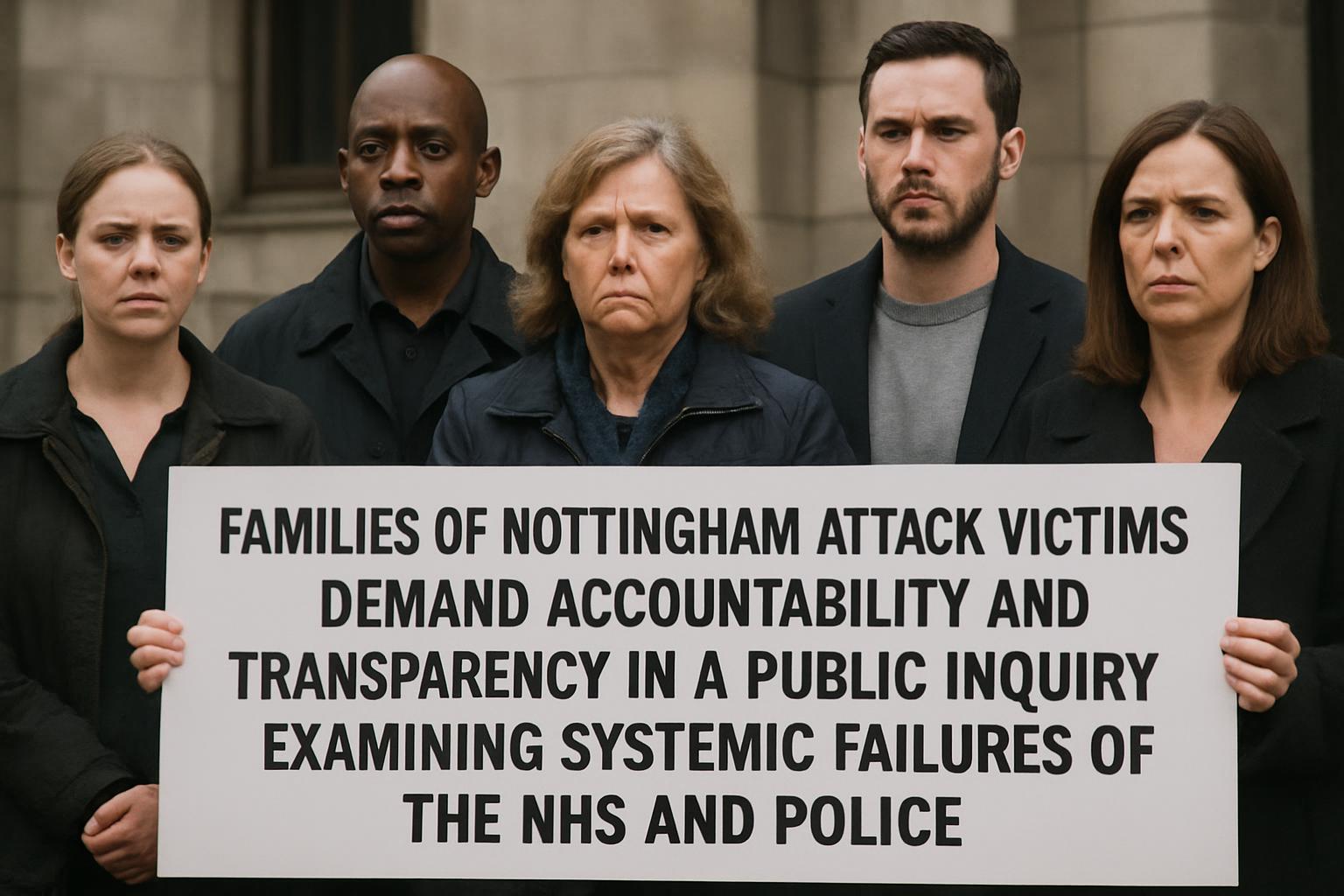
Nottingham Attacks Inquiry: Families Demand Accountability and Truth
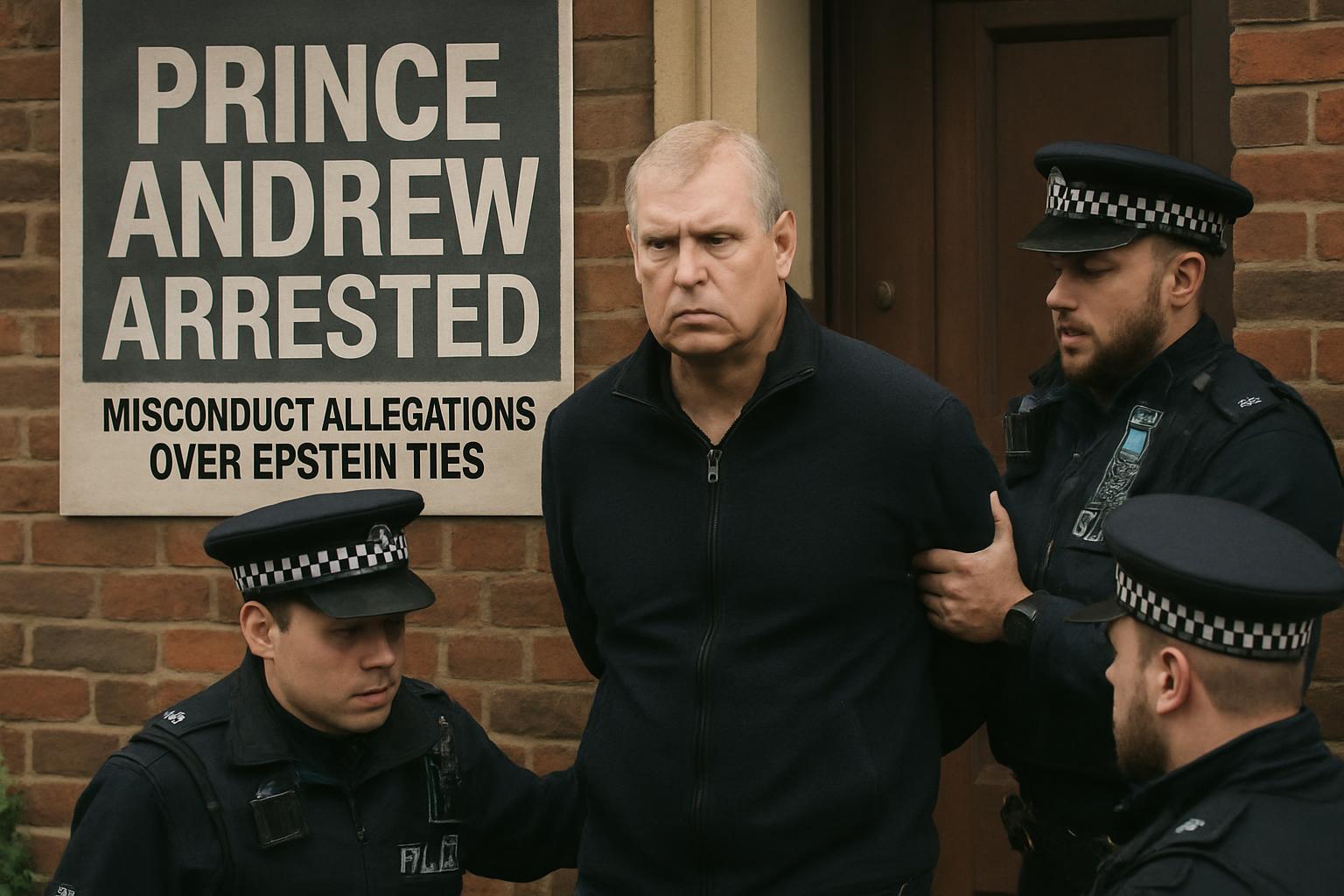
Andrew Mountbatten-Windsor Arrested Amid Misconduct Allegations

Breakthrough Drug Offers Hope for Children with Severe Epilepsy

Bafta Film Awards 2026: A Night of Glamour and Identity Challenges
Rachel Reeves Unveils £26bn Tax Hike to Address UK Cost of Living Crisis
In This Article
 Ethan Brooks| Published
 HIGHLIGHTS
- Chancellor Rachel Reeves announced a £26bn tax increase to tackle the cost of living and fund public services, raising the UK's tax take to 38% of GDP by 2030.
- The budget includes a rise in the national minimum wage, with over-21s earning £12.71 per hour, benefiting approximately 153,200 minimum wage workers in London.
- A new council tax surcharge targets properties worth over £2m, while electric vehicles face a new mileage tax, sparking concerns among businesses about increased operational costs.
- The two-child benefit cap will be scrapped, lifting 450,000 children out of poverty, despite criticism that the budget disproportionately affects the middle class.
- The Office for Budget Responsibility's early leak of budget details caused market reactions, highlighting the budget's impact on public finances and borrowing costs.
Chancellor Rachel Reeves has introduced a sweeping £26bn tax-raising budget aimed at addressing the UK's cost of living crisis while maintaining fiscal responsibility. The budget, which was partially leaked by the Office for Budget Responsibility (OBR) ahead of its official announcement, includes significant changes impacting both individuals and businesses.
Minimum Wage and Business Impact
One of the key measures is an increase in the national minimum wage, set to benefit over 153,200 workers in London alone. From April, workers aged 21 and over will see their hourly rate rise to £12.71, while those aged 18-20 will earn £10.85. The move has been welcomed by many, including London's Mayor, Sir Sadiq Khan, who called it "great news" for young workers. However, business leaders have expressed concerns about the financial strain on sectors like hospitality, with some warning of potential hiring freezes.
Tax Increases and Economic Implications
The budget introduces a new council tax surcharge for properties valued over £2m, alongside a mileage tax for electric vehicles. These measures are part of Reeves's strategy to ensure that those "with the broadest shoulders" contribute more to public finances. Despite the chancellor's assurances of avoiding reckless borrowing, the budget has sparked debate over its impact on the middle class, with critics arguing it could exacerbate financial pressures on working families.
Social Welfare and Public Reaction
In a significant policy shift, Reeves announced the abolition of the two-child benefit cap, a move expected to lift 450,000 children out of poverty. This decision has been praised by Labour MPs and social advocates, though it has also fueled discussions about the budget's broader economic implications. The OBR's analysis suggests that the tax measures will result in a slower growth rate for the UK economy, with millions of workers facing higher tax burdens due to frozen income tax thresholds.
Market Reactions and Fiscal Strategy
The premature release of budget details by the OBR led to immediate reactions in financial markets, underscoring the budget's potential impact on government borrowing costs. Despite these challenges, Reeves emphasized her commitment to building a "fairer, stronger, and more secure Britain," with investments in infrastructure and public services at the forefront of her fiscal strategy.
WHAT THIS MIGHT MEAN
As the UK grapples with the implications of Reeves's budget, several potential outcomes emerge. The increased tax burden on higher-income households and businesses could lead to shifts in economic behavior, potentially affecting investment and employment rates. Politically, the budget may bolster Labour's standing among lower-income voters, while drawing criticism from those affected by the tax hikes. Economists will closely monitor the budget's impact on inflation and economic growth, as the government seeks to balance fiscal responsibility with social welfare commitments. The coming months will reveal whether Reeves's approach successfully navigates the complex landscape of public finance and economic recovery.
Images from the Web
Related Articles
Global Counsel Faces Collapse Amidst Epstein Scandal Fallout
Labour MP's Husband Arrested in UK-China Espionage Probe
Nottingham Attacks Inquiry: Families Demand Accountability and Truth
Andrew Mountbatten-Windsor Arrested Amid Misconduct Allegations
Breakthrough Drug Offers Hope for Children with Severe Epilepsy
Bafta Film Awards 2026: A Night of Glamour and Identity Challenges