
António José Seguro Secures Landslide Victory in Portuguese Presidential Election
In This Article
HIGHLIGHTS
- António José Seguro, a centre-left candidate, won the Portuguese presidency with 66% of the vote, defeating far-right rival André Ventura.
- The election was marked by severe weather, with Storm Leonardo causing voting delays in some areas.
- Despite his loss, Ventura's Chega party continues to grow, becoming the second-largest in Portugal's parliament.
- Seguro's victory was supported by politicians across the political spectrum, including some conservatives.
- The Portuguese presidency is largely ceremonial but holds significant powers, such as dissolving parliament and vetoing legislation.
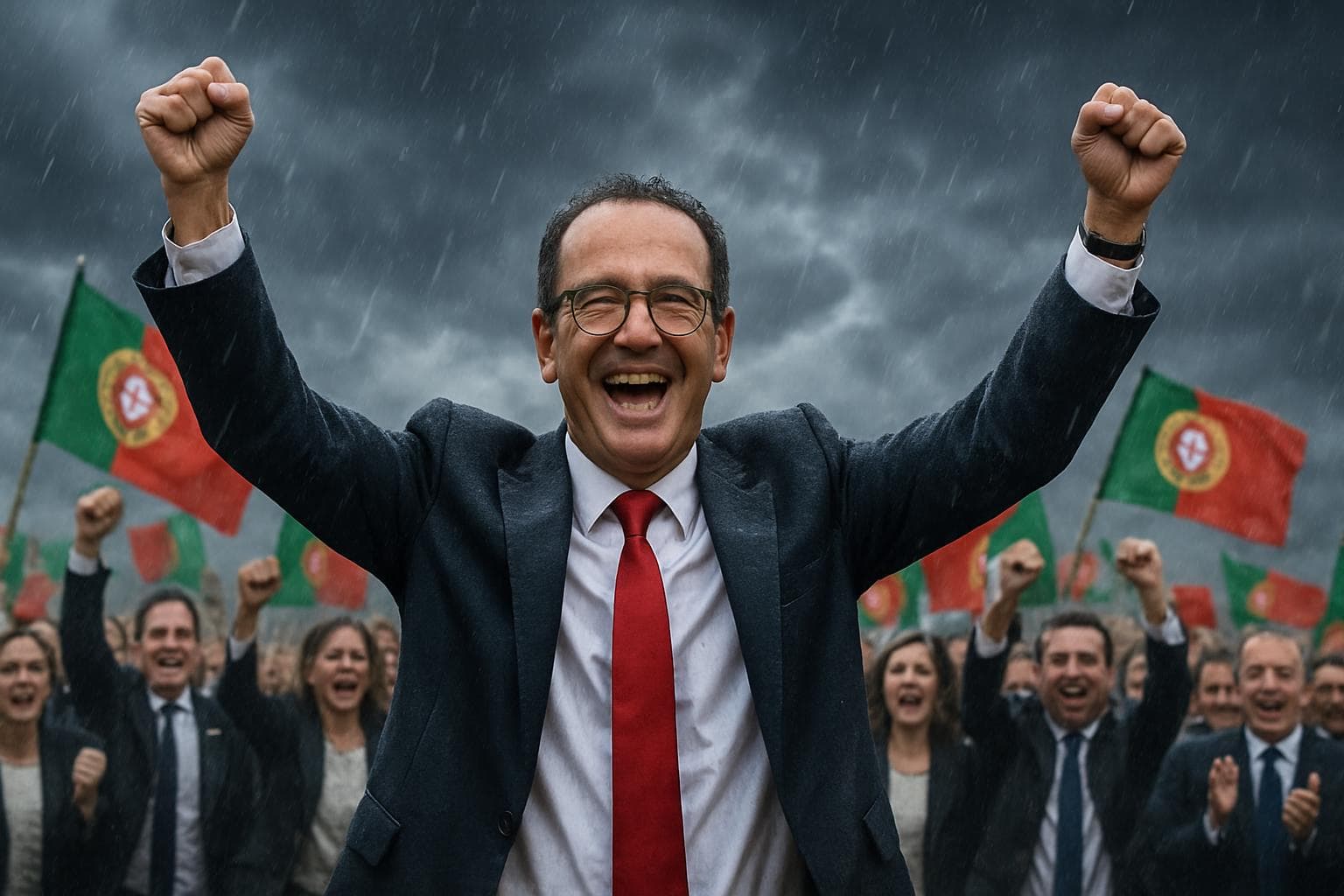
António José Seguro, a moderate socialist, has decisively won the Portuguese presidential election, securing a five-year term after defeating far-right contender André Ventura. With 95% of the votes counted, Seguro garnered 66%, while Ventura, leader of the Chega party, trailed with 34%. This victory marks a significant moment in Portugal's political landscape, reflecting a broad coalition of support for Seguro from both sides of the political aisle.
Election Amidst Adversity
The election took place under challenging conditions, as Storm Leonardo battered the Iberian Peninsula, causing flooding and forcing the postponement of voting in some areas. Despite these disruptions, voter turnout remained consistent with the first round held on January 18. Seguro expressed his gratitude to the Portuguese people, stating, "The response the Portuguese people gave today, their commitment to freedom, democracy, and the future of our country, leaves me naturally moved and proud of our nation."
Ventura's Rising Influence
Although Ventura did not win the presidency, his performance underscores the growing influence of the far-right in Portugal. The Chega party, founded in 2019, has rapidly ascended to become the second-largest force in the Portuguese parliament. Ventura, a former TV sports commentator, has positioned himself as a charismatic leader of the right, despite criticism for his populist and anti-immigrant rhetoric.
A Unified Front Against Populism
Seguro's campaign was bolstered by endorsements from across the political spectrum, including prominent conservative figures, who were concerned about Ventura's authoritarian tendencies. Seguro has positioned himself as a candidate of a "modern and moderate" left, committed to mediating political crises and upholding democratic values. His presidency, while largely ceremonial, carries the power to dissolve parliament and veto legislation, making his role pivotal in Portugal's political stability.
WHAT THIS MIGHT MEAN
Seguro's victory may signal a temporary halt to the rising populist tide in Portugal, but the continued growth of Ventura's Chega party suggests that far-right politics remain a potent force. As Seguro assumes office, his ability to mediate and collaborate with the centre-right minority government will be crucial in maintaining political stability. The election also highlights the resilience of Portuguese democracy, as voters turned out in significant numbers despite adverse weather conditions. Looking ahead, Seguro's presidency will likely focus on bridging political divides and addressing the challenges posed by the far-right's growing influence.
Related Articles

UK Faces Unrelenting Rainfall Amid Blocked Weather Patterns and Climate Crisis

Swiss Bar Fire Death Toll Rises to 41 as Investigations Continue
Swiss Bar Fire: All 40 Victims Identified as Investigation Continues

Tragic Death of British Teen in Portugal Sparks Investigation
Trump Suspends US Green Card Lottery After Brown University Shooting

Brown University Shooting Suspect Found Dead After Multi-State Manhunt
António José Seguro Secures Landslide Victory in Portuguese Presidential Election
In This Article
 Alex Carter| Published
 HIGHLIGHTS
- António José Seguro, a centre-left candidate, won the Portuguese presidency with 66% of the vote, defeating far-right rival André Ventura.
- The election was marked by severe weather, with Storm Leonardo causing voting delays in some areas.
- Despite his loss, Ventura's Chega party continues to grow, becoming the second-largest in Portugal's parliament.
- Seguro's victory was supported by politicians across the political spectrum, including some conservatives.
- The Portuguese presidency is largely ceremonial but holds significant powers, such as dissolving parliament and vetoing legislation.
António José Seguro, a moderate socialist, has decisively won the Portuguese presidential election, securing a five-year term after defeating far-right contender André Ventura. With 95% of the votes counted, Seguro garnered 66%, while Ventura, leader of the Chega party, trailed with 34%. This victory marks a significant moment in Portugal's political landscape, reflecting a broad coalition of support for Seguro from both sides of the political aisle.
Election Amidst Adversity
The election took place under challenging conditions, as Storm Leonardo battered the Iberian Peninsula, causing flooding and forcing the postponement of voting in some areas. Despite these disruptions, voter turnout remained consistent with the first round held on January 18. Seguro expressed his gratitude to the Portuguese people, stating, "The response the Portuguese people gave today, their commitment to freedom, democracy, and the future of our country, leaves me naturally moved and proud of our nation."
Ventura's Rising Influence
Although Ventura did not win the presidency, his performance underscores the growing influence of the far-right in Portugal. The Chega party, founded in 2019, has rapidly ascended to become the second-largest force in the Portuguese parliament. Ventura, a former TV sports commentator, has positioned himself as a charismatic leader of the right, despite criticism for his populist and anti-immigrant rhetoric.
A Unified Front Against Populism
Seguro's campaign was bolstered by endorsements from across the political spectrum, including prominent conservative figures, who were concerned about Ventura's authoritarian tendencies. Seguro has positioned himself as a candidate of a "modern and moderate" left, committed to mediating political crises and upholding democratic values. His presidency, while largely ceremonial, carries the power to dissolve parliament and veto legislation, making his role pivotal in Portugal's political stability.
WHAT THIS MIGHT MEAN
Seguro's victory may signal a temporary halt to the rising populist tide in Portugal, but the continued growth of Ventura's Chega party suggests that far-right politics remain a potent force. As Seguro assumes office, his ability to mediate and collaborate with the centre-right minority government will be crucial in maintaining political stability. The election also highlights the resilience of Portuguese democracy, as voters turned out in significant numbers despite adverse weather conditions. Looking ahead, Seguro's presidency will likely focus on bridging political divides and addressing the challenges posed by the far-right's growing influence.
Related Articles
UK Faces Unrelenting Rainfall Amid Blocked Weather Patterns and Climate Crisis
Swiss Bar Fire Death Toll Rises to 41 as Investigations Continue
Swiss Bar Fire: All 40 Victims Identified as Investigation Continues
Tragic Death of British Teen in Portugal Sparks Investigation
Trump Suspends US Green Card Lottery After Brown University Shooting
Brown University Shooting Suspect Found Dead After Multi-State Manhunt