
UK Asylum System Faces Criticism Amid Calls for Comprehensive Reform
In This Article
HIGHLIGHTS
- The UK's asylum system faces inefficiencies and rising costs, with over half of asylum claims from January 2023 still unresolved.
- The National Audit Office (NAO) criticizes the government's short-term, reactive policies, which have shifted problems within the system.
- Proposed reforms by Home Secretary Shabana Mahmood could lead to increased homelessness and backlogs if not effectively managed.
- The NAO highlights a lack of comprehensive data on asylum seekers, complicating efforts to streamline the system.
- Accommodation costs for asylum seekers are projected to reach £4.9 billion in 2024-25, emphasizing the need for sustainable reform.
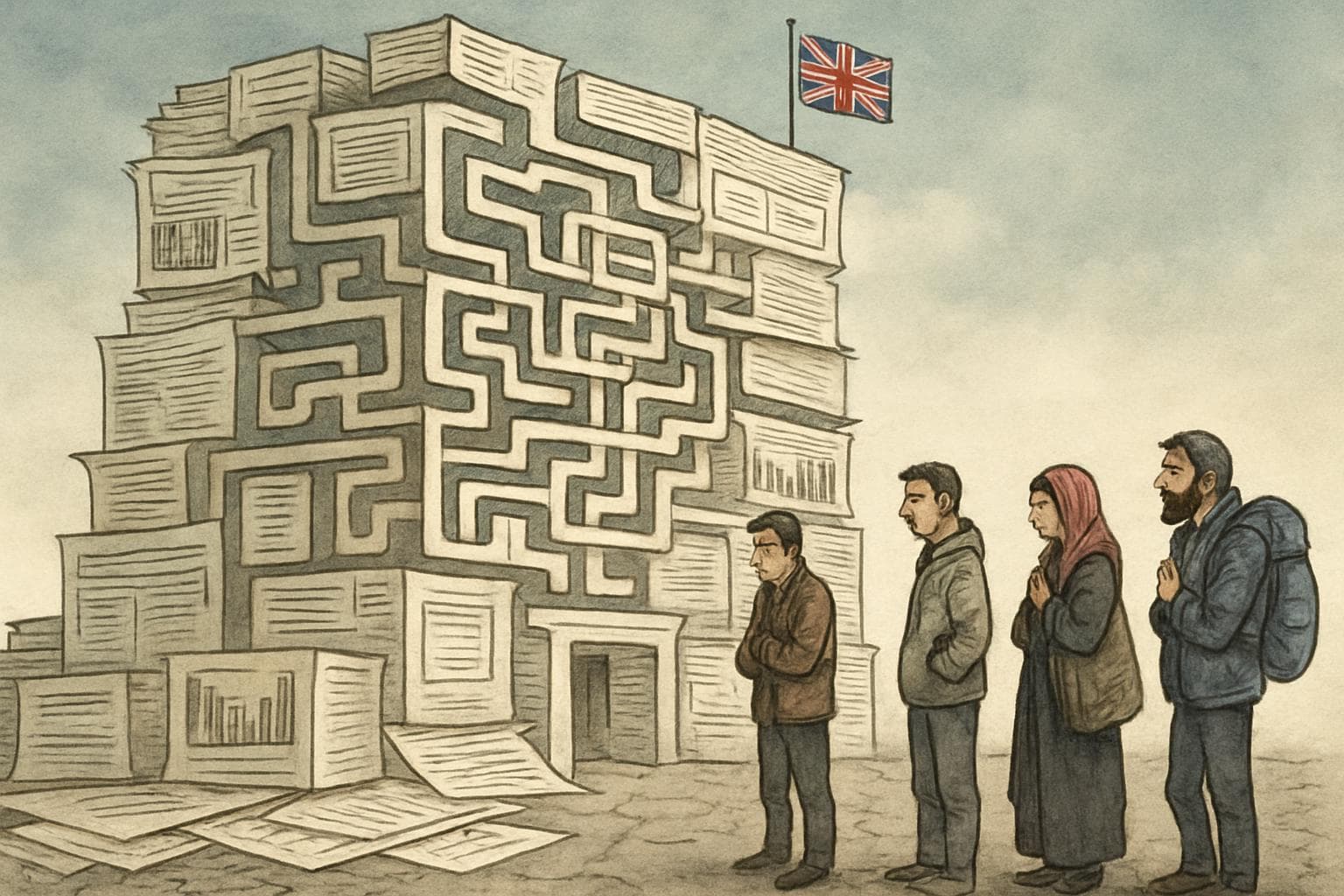
The UK's asylum system is under scrutiny following a report by the National Audit Office (NAO) that highlights significant inefficiencies and escalating costs. The watchdog's analysis reveals that over half of the asylum claims lodged in January 2023 remain unresolved, underscoring the system's struggles with backlogs and reactive policy measures.
Systemic Challenges and Rising Costs
The NAO's report paints a grim picture of the current state of the UK's asylum system, where 56% of claims from early 2023 are still pending. The Home Office has acknowledged these findings, emphasizing the need for fundamental reform. Accommodation costs for asylum seekers are expected to soar to £4.9 billion by 2024-25, with £3.4 billion allocated for housing alone. The report criticizes the government's tendency to implement short-term fixes, which have often exacerbated existing issues rather than resolving them.
Proposed Reforms and Potential Risks
Home Secretary Shabana Mahmood's recent proposals aim to accelerate asylum decisions and reduce appeals, drawing inspiration from Denmark's stringent immigration policies. However, the NAO warns that without addressing systemic bottlenecks, these reforms could inadvertently increase homelessness and deepen case backlogs. The report stresses the importance of using high-quality data to inform decision-making and streamline processes within the asylum system.
Data Gaps and Systemic Inefficiencies
A significant challenge identified by the NAO is the lack of comprehensive data on asylum seekers, including those not receiving state support or who have absconded. This data gap hampers efforts to improve the system's efficiency and effectiveness. The Ministry of Justice also lacks complete information on immigration tribunal cases, complicating the management of appeals and enforcement actions.
Calls for Sustainable Reform
The NAO recommends that the government develop a strategic plan by the end of 2026 to implement the proposed asylum model effectively. This plan should address current inefficiencies and ensure that reforms do not lead to unintended consequences, such as increased homelessness or further backlogs.
WHAT THIS MIGHT MEAN
The NAO's findings and recommendations highlight the urgent need for a comprehensive overhaul of the UK's asylum system. If the government fails to address systemic bottlenecks and data deficiencies, the proposed reforms could exacerbate existing challenges, leading to increased homelessness and prolonged case backlogs. Experts suggest that a sustainable, whole-system approach is essential to ensure that the asylum process is both efficient and humane. As the government considers its next steps, the focus will likely be on balancing the need for swift decision-making with the protection of asylum seekers' rights and well-being.
Related Articles

UK Government to Reform Asylum Seeker Support and Employment Policies

Antonia Romeo Appointed as First Female UK Cabinet Secretary Amid Controversy

Government Criticized for Mishandling Maccabi Tel Aviv Fan Ban

Andrew Mountbatten-Windsor Arrested Amid Misconduct Allegations

Trump Criticizes UK Plan to Transfer Chagos Islands to Mauritius

Breakthrough Drug Offers Hope for Children with Severe Epilepsy
UK Asylum System Faces Criticism Amid Calls for Comprehensive Reform
In This Article
 Ethan Brooks| Published
 HIGHLIGHTS
- The UK's asylum system faces inefficiencies and rising costs, with over half of asylum claims from January 2023 still unresolved.
- The National Audit Office (NAO) criticizes the government's short-term, reactive policies, which have shifted problems within the system.
- Proposed reforms by Home Secretary Shabana Mahmood could lead to increased homelessness and backlogs if not effectively managed.
- The NAO highlights a lack of comprehensive data on asylum seekers, complicating efforts to streamline the system.
- Accommodation costs for asylum seekers are projected to reach £4.9 billion in 2024-25, emphasizing the need for sustainable reform.
The UK's asylum system is under scrutiny following a report by the National Audit Office (NAO) that highlights significant inefficiencies and escalating costs. The watchdog's analysis reveals that over half of the asylum claims lodged in January 2023 remain unresolved, underscoring the system's struggles with backlogs and reactive policy measures.
Systemic Challenges and Rising Costs
The NAO's report paints a grim picture of the current state of the UK's asylum system, where 56% of claims from early 2023 are still pending. The Home Office has acknowledged these findings, emphasizing the need for fundamental reform. Accommodation costs for asylum seekers are expected to soar to £4.9 billion by 2024-25, with £3.4 billion allocated for housing alone. The report criticizes the government's tendency to implement short-term fixes, which have often exacerbated existing issues rather than resolving them.
Proposed Reforms and Potential Risks
Home Secretary Shabana Mahmood's recent proposals aim to accelerate asylum decisions and reduce appeals, drawing inspiration from Denmark's stringent immigration policies. However, the NAO warns that without addressing systemic bottlenecks, these reforms could inadvertently increase homelessness and deepen case backlogs. The report stresses the importance of using high-quality data to inform decision-making and streamline processes within the asylum system.
Data Gaps and Systemic Inefficiencies
A significant challenge identified by the NAO is the lack of comprehensive data on asylum seekers, including those not receiving state support or who have absconded. This data gap hampers efforts to improve the system's efficiency and effectiveness. The Ministry of Justice also lacks complete information on immigration tribunal cases, complicating the management of appeals and enforcement actions.
Calls for Sustainable Reform
The NAO recommends that the government develop a strategic plan by the end of 2026 to implement the proposed asylum model effectively. This plan should address current inefficiencies and ensure that reforms do not lead to unintended consequences, such as increased homelessness or further backlogs.
WHAT THIS MIGHT MEAN
The NAO's findings and recommendations highlight the urgent need for a comprehensive overhaul of the UK's asylum system. If the government fails to address systemic bottlenecks and data deficiencies, the proposed reforms could exacerbate existing challenges, leading to increased homelessness and prolonged case backlogs. Experts suggest that a sustainable, whole-system approach is essential to ensure that the asylum process is both efficient and humane. As the government considers its next steps, the focus will likely be on balancing the need for swift decision-making with the protection of asylum seekers' rights and well-being.
Related Articles
UK Government to Reform Asylum Seeker Support and Employment Policies
Antonia Romeo Appointed as First Female UK Cabinet Secretary Amid Controversy
Government Criticized for Mishandling Maccabi Tel Aviv Fan Ban
Andrew Mountbatten-Windsor Arrested Amid Misconduct Allegations
Trump Criticizes UK Plan to Transfer Chagos Islands to Mauritius
Breakthrough Drug Offers Hope for Children with Severe Epilepsy