
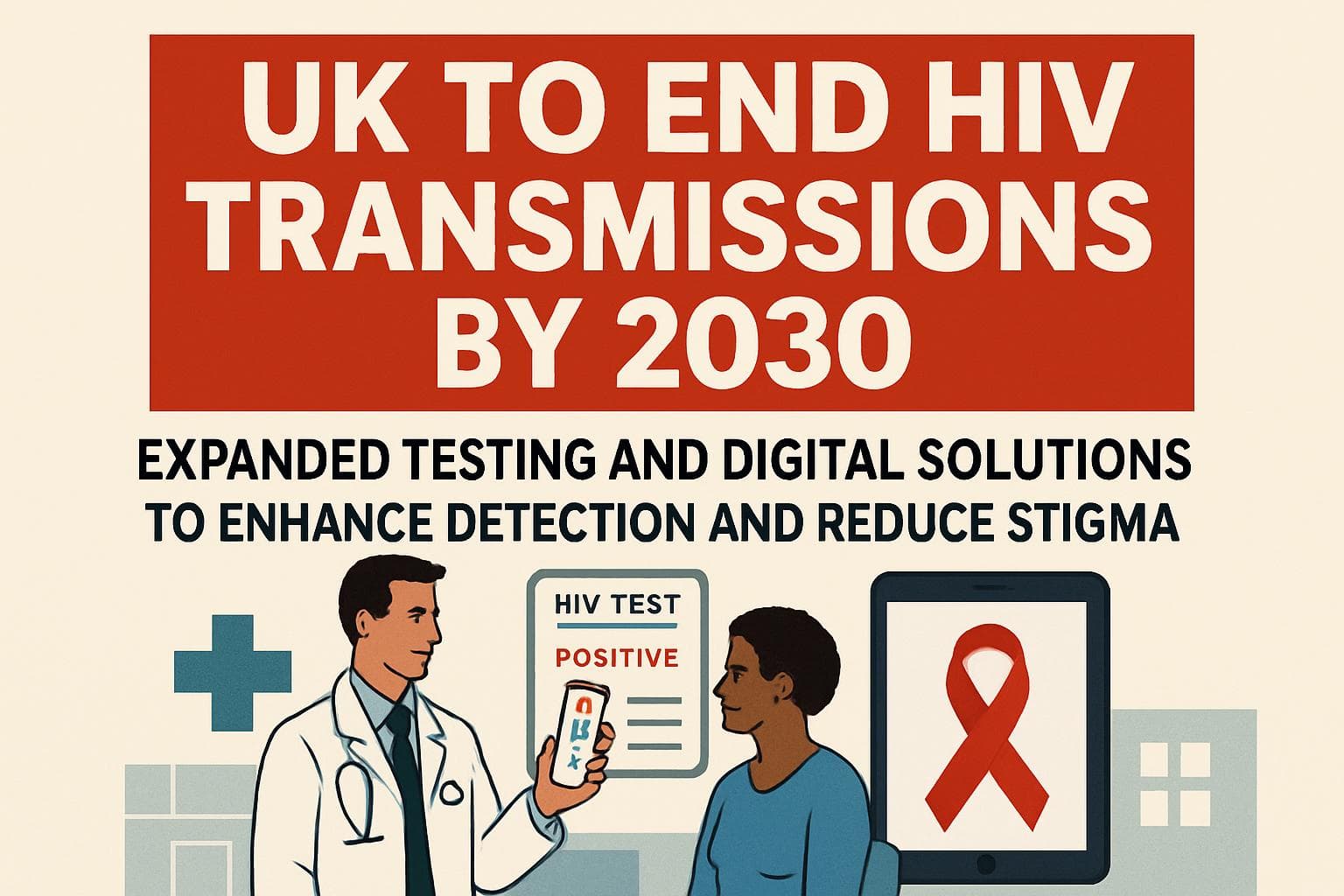
UK Ramps Up Efforts to End HIV Transmissions by 2030 with Expanded Testing Initiatives
In This Article
HIGHLIGHTS
- Routine HIV testing in A&E departments across the Midlands has diagnosed hundreds with HIV and hepatitis, potentially saving lives.
- The UK government has allocated £170m for an HIV Action Plan, aiming to end new HIV transmissions by 2030.
- Walk-in HIV testing clinics are being offered in Guernsey to raise awareness and provide early detection opportunities.
- The plan includes opt-out testing in high-prevalence areas and a £5m trial for home HIV tests via the NHS app.
- Approximately 5,000 people living with HIV in England are not under medical care, highlighting the need for re-engagement efforts.
In a significant push towards eradicating new HIV transmissions by 2030, the UK government has unveiled an ambitious HIV Action Plan, backed by a £170 million investment. This initiative, announced on World AIDS Day, aims to enhance testing and re-engage individuals who have fallen out of HIV care.
Routine Testing in A&E Departments
Across the Midlands, routine HIV testing in A&E departments has led to the diagnosis of hundreds of individuals with HIV and hepatitis, a move described as "quite literally saving lives" by Steve Taylor, clinical service and research lead at Birmingham Heartlands HIV Service. The opt-out testing, implemented in hospitals in cities such as Birmingham and Nottingham, has identified 102 new HIV cases and 716 cases of hepatitis B or C. This initiative targets individuals who might not otherwise seek testing, addressing the issue of late diagnoses that can lead to severe health complications.
Expanding Access to Testing
In Guernsey, a sexual health clinic is offering free, confidential walk-in HIV testing to mark World AIDS Day. Dr. Nicola Brink, Director of Public Health, emphasized the importance of early detection for better health outcomes and preventing the virus's spread. The clinic provides not only testing but also information on preventative treatments and safe sex practices.
Government's Comprehensive Action Plan
The government's comprehensive plan includes opt-out testing in high-prevalence areas like London and Manchester, and a £5 million trial for home HIV tests through the NHS app. Health Secretary Wes Streeting highlighted the progress made in HIV treatment, noting that individuals on effective treatment cannot transmit the virus. The plan also addresses the needs of approximately 5,000 people living with HIV who are not currently receiving medical care, due to factors such as mental health issues and fear of stigma.
Addressing Stigma and Increasing Awareness
To combat stigma, hospital staff in areas with the opt-out scheme will receive anti-stigma training, ensuring patients can access care without fear of judgment. The plan also includes funding for formula milk for babies born to mothers with HIV, as part of prevention measures.
WHAT THIS MIGHT MEAN
The UK's HIV Action Plan represents a pivotal step towards achieving zero new HIV transmissions by 2030. If successful, this initiative could serve as a model for other countries aiming to tackle HIV. However, the challenge remains in reaching those who are undiagnosed or not engaged in care. Continued efforts to reduce stigma and increase awareness are crucial for the plan's success. Experts suggest that integrating digital solutions, like the NHS app for home testing, could significantly enhance accessibility and encourage more individuals to know their status. As the plan unfolds, monitoring its impact on HIV transmission rates will be essential to ensure that the ambitious 2030 target is met.
Related Articles

Persistent Safety Concerns in Nottingham Maternity Services Amidst Calls for Systemic Reform

Nottingham Attacks Inquiry: Families Demand Accountability and Truth

UK Government to Reform Asylum Seeker Support and Employment Policies

Canada and Australia Forge Strategic Partnership Amid Global Uncertainty

Middle East Conflict Drives UK Energy Prices to New Highs

UK Faces Dilemmas Amid Iran Conflict and China Spying Allegations
UK Ramps Up Efforts to End HIV Transmissions by 2030 with Expanded Testing Initiatives
In This Article
 Maya Singh| Published
 HIGHLIGHTS
- Routine HIV testing in A&E departments across the Midlands has diagnosed hundreds with HIV and hepatitis, potentially saving lives.
- The UK government has allocated £170m for an HIV Action Plan, aiming to end new HIV transmissions by 2030.
- Walk-in HIV testing clinics are being offered in Guernsey to raise awareness and provide early detection opportunities.
- The plan includes opt-out testing in high-prevalence areas and a £5m trial for home HIV tests via the NHS app.
- Approximately 5,000 people living with HIV in England are not under medical care, highlighting the need for re-engagement efforts.
In a significant push towards eradicating new HIV transmissions by 2030, the UK government has unveiled an ambitious HIV Action Plan, backed by a £170 million investment. This initiative, announced on World AIDS Day, aims to enhance testing and re-engage individuals who have fallen out of HIV care.
Routine Testing in A&E Departments
Across the Midlands, routine HIV testing in A&E departments has led to the diagnosis of hundreds of individuals with HIV and hepatitis, a move described as "quite literally saving lives" by Steve Taylor, clinical service and research lead at Birmingham Heartlands HIV Service. The opt-out testing, implemented in hospitals in cities such as Birmingham and Nottingham, has identified 102 new HIV cases and 716 cases of hepatitis B or C. This initiative targets individuals who might not otherwise seek testing, addressing the issue of late diagnoses that can lead to severe health complications.
Expanding Access to Testing
In Guernsey, a sexual health clinic is offering free, confidential walk-in HIV testing to mark World AIDS Day. Dr. Nicola Brink, Director of Public Health, emphasized the importance of early detection for better health outcomes and preventing the virus's spread. The clinic provides not only testing but also information on preventative treatments and safe sex practices.
Government's Comprehensive Action Plan
The government's comprehensive plan includes opt-out testing in high-prevalence areas like London and Manchester, and a £5 million trial for home HIV tests through the NHS app. Health Secretary Wes Streeting highlighted the progress made in HIV treatment, noting that individuals on effective treatment cannot transmit the virus. The plan also addresses the needs of approximately 5,000 people living with HIV who are not currently receiving medical care, due to factors such as mental health issues and fear of stigma.
Addressing Stigma and Increasing Awareness
To combat stigma, hospital staff in areas with the opt-out scheme will receive anti-stigma training, ensuring patients can access care without fear of judgment. The plan also includes funding for formula milk for babies born to mothers with HIV, as part of prevention measures.
WHAT THIS MIGHT MEAN
The UK's HIV Action Plan represents a pivotal step towards achieving zero new HIV transmissions by 2030. If successful, this initiative could serve as a model for other countries aiming to tackle HIV. However, the challenge remains in reaching those who are undiagnosed or not engaged in care. Continued efforts to reduce stigma and increase awareness are crucial for the plan's success. Experts suggest that integrating digital solutions, like the NHS app for home testing, could significantly enhance accessibility and encourage more individuals to know their status. As the plan unfolds, monitoring its impact on HIV transmission rates will be essential to ensure that the ambitious 2030 target is met.
Related Articles
Persistent Safety Concerns in Nottingham Maternity Services Amidst Calls for Systemic Reform
Nottingham Attacks Inquiry: Families Demand Accountability and Truth
UK Government to Reform Asylum Seeker Support and Employment Policies
Canada and Australia Forge Strategic Partnership Amid Global Uncertainty
Middle East Conflict Drives UK Energy Prices to New Highs
UK Faces Dilemmas Amid Iran Conflict and China Spying Allegations