
Nearly 3,000 Species in Wales Face Extinction Threat, New Report Warns
In This Article
HIGHLIGHTS
- A groundbreaking report by Natural Resources Wales reveals nearly 3,000 species in Wales are at risk of extinction due to limited geographic distribution.
- Since 2000, Wales has lost 11 species, including the European turtle dove and belted beauty moth, highlighting the urgent need for conservation.
- The report emphasizes simple, low-cost conservation measures, such as altering grazing regimes, to protect endangered species.
- Conservation hotspots like Newborough Warren on Anglesey are crucial, supporting 130 at-risk species through targeted environmental projects.
- Experts express cautious optimism, noting that improved management could lead to the return of species currently extinct in Wales.
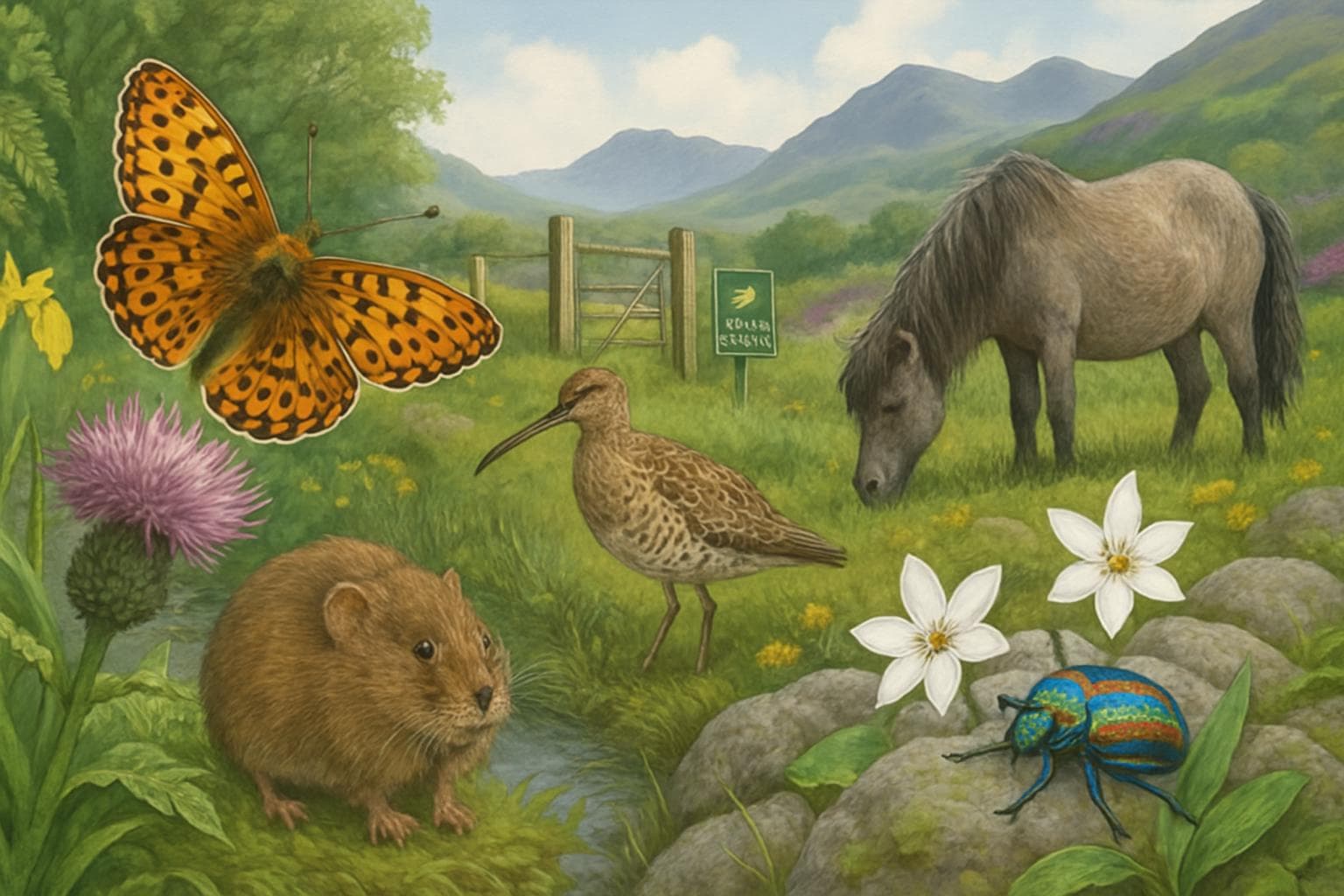
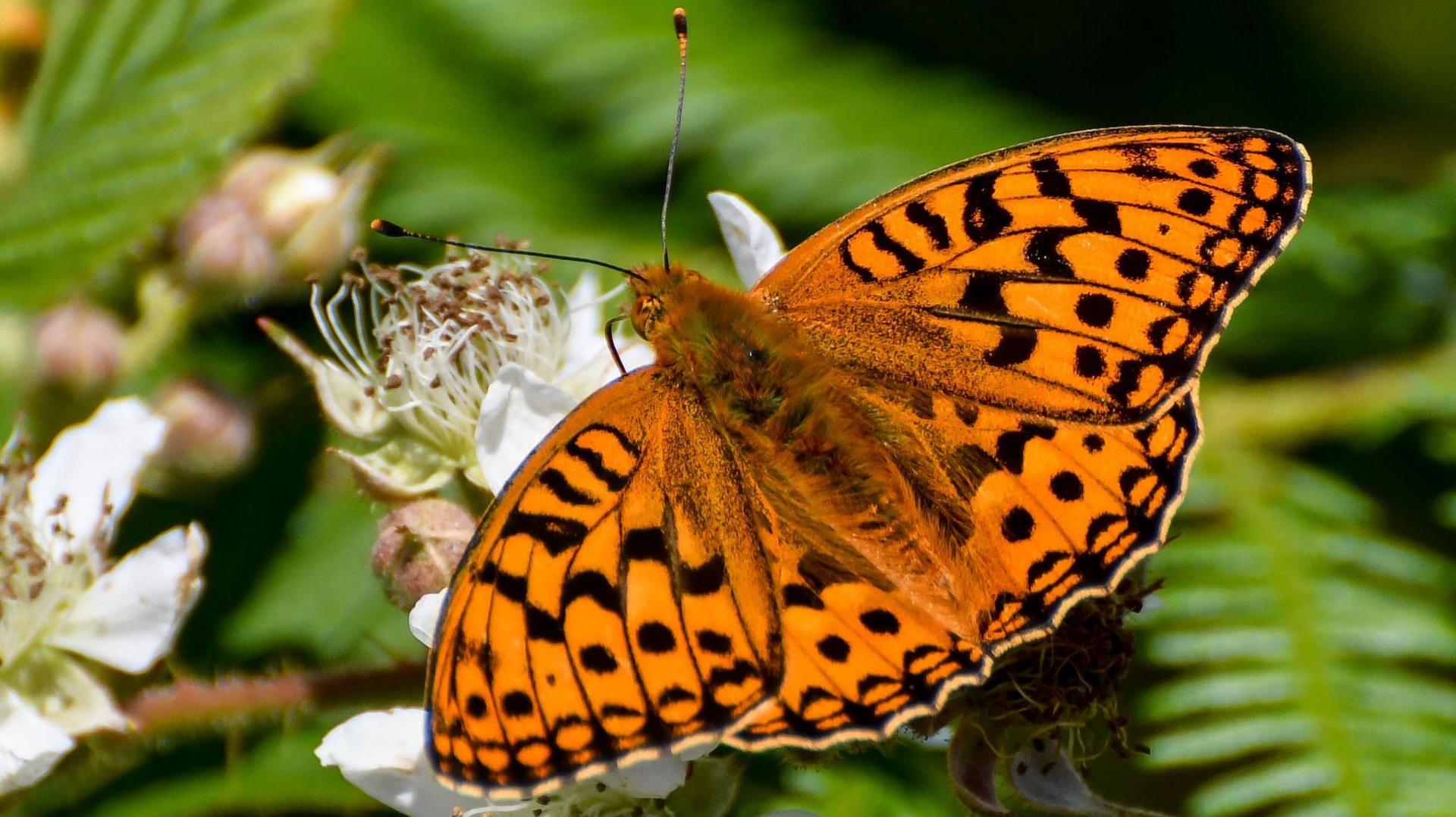
A pioneering report by Natural Resources Wales (NRW) has unveiled a concerning reality: nearly 3,000 species in Wales are teetering on the brink of extinction. This comprehensive study, the first of its kind in the UK, highlights the precarious situation of species such as the high brown fritillary butterfly and the Snowdon leaf beetle, which are now confined to five locations or fewer.
Species at Risk
Since the turn of the millennium, Wales has witnessed the extinction of 11 species, including the European turtle dove and the belted beauty moth. The "Species in Peril" report warns that 2,955 other terrestrial and freshwater species face a similar fate due to their restricted geographic distribution. Among these are 25 bird species, five fishes, six mammals, and one amphibian, the natterjack toad.
Conservation Strategies
Despite the grim statistics, the report offers a glimmer of hope. Mannon Lewis, strategic projects lead at NRW, emphasizes that many conservation solutions are simple and cost-effective. "Changing grazing regimes, adjusting grass-cutting schedules, and modifying hedge trimming practices can make a significant difference," Lewis stated. These measures are already being implemented in conservation hotspots like Newborough Warren on Anglesey, where projects have successfully reintroduced species not seen in years.
The Role of Nature Reserves
Nature reserves and Sites of Special Scientific Interest (SSSI) play a pivotal role in safeguarding these species. Newborough Warren, a national nature reserve, supports 130 at-risk species through initiatives like introducing grazing ponies and opening sand dunes to natural elements. Ecologist Mike Howe noted the rapid positive impact of these efforts, with previously absent beetle species reappearing in large numbers.
Optimism Amidst Crisis
Conservationist Tyler Hallman expressed optimism about the potential for species recovery. "Linking networks of special sites and nature reserves offers a positive way forward," Hallman said. He highlighted the possibility of species like the European turtle dove returning to Wales as conditions improve.
WHAT THIS MIGHT MEAN
The findings of the NRW report underscore the urgent need for targeted conservation efforts to prevent further biodiversity loss in Wales. If the recommended low-cost measures are widely adopted, there is potential for significant positive outcomes, including the return of species currently extinct in the region. However, the success of these initiatives will depend on sustained commitment from both governmental bodies and local communities.
The broader implications of this report extend beyond Wales, serving as a cautionary tale for other regions facing similar biodiversity crises. As climate change and habitat loss continue to threaten wildlife globally, the strategies outlined in this report could serve as a model for conservation efforts worldwide.
Images from the Web
Related Articles

Breakthrough Drug Offers Hope for Children with Severe Epilepsy

Sisters Tragically Drown at Eryri National Park's Watkin Path

Labour MP's Husband Arrested in UK-China Espionage Probe

Police Federation Chief Arrested Amid Fraud Investigation

Saharan Dust to Illuminate UK Skies with Vivid Sunrises and Sunsets

Trump Raises Import Tariffs to 15% After Supreme Court Setback
Nearly 3,000 Species in Wales Face Extinction Threat, New Report Warns
In This Article
 Leila Hassan| Published
 HIGHLIGHTS
- A groundbreaking report by Natural Resources Wales reveals nearly 3,000 species in Wales are at risk of extinction due to limited geographic distribution.
- Since 2000, Wales has lost 11 species, including the European turtle dove and belted beauty moth, highlighting the urgent need for conservation.
- The report emphasizes simple, low-cost conservation measures, such as altering grazing regimes, to protect endangered species.
- Conservation hotspots like Newborough Warren on Anglesey are crucial, supporting 130 at-risk species through targeted environmental projects.
- Experts express cautious optimism, noting that improved management could lead to the return of species currently extinct in Wales.
A pioneering report by Natural Resources Wales (NRW) has unveiled a concerning reality: nearly 3,000 species in Wales are teetering on the brink of extinction. This comprehensive study, the first of its kind in the UK, highlights the precarious situation of species such as the high brown fritillary butterfly and the Snowdon leaf beetle, which are now confined to five locations or fewer.
Species at Risk
Since the turn of the millennium, Wales has witnessed the extinction of 11 species, including the European turtle dove and the belted beauty moth. The "Species in Peril" report warns that 2,955 other terrestrial and freshwater species face a similar fate due to their restricted geographic distribution. Among these are 25 bird species, five fishes, six mammals, and one amphibian, the natterjack toad.
Conservation Strategies
Despite the grim statistics, the report offers a glimmer of hope. Mannon Lewis, strategic projects lead at NRW, emphasizes that many conservation solutions are simple and cost-effective. "Changing grazing regimes, adjusting grass-cutting schedules, and modifying hedge trimming practices can make a significant difference," Lewis stated. These measures are already being implemented in conservation hotspots like Newborough Warren on Anglesey, where projects have successfully reintroduced species not seen in years.
The Role of Nature Reserves
Nature reserves and Sites of Special Scientific Interest (SSSI) play a pivotal role in safeguarding these species. Newborough Warren, a national nature reserve, supports 130 at-risk species through initiatives like introducing grazing ponies and opening sand dunes to natural elements. Ecologist Mike Howe noted the rapid positive impact of these efforts, with previously absent beetle species reappearing in large numbers.
Optimism Amidst Crisis
Conservationist Tyler Hallman expressed optimism about the potential for species recovery. "Linking networks of special sites and nature reserves offers a positive way forward," Hallman said. He highlighted the possibility of species like the European turtle dove returning to Wales as conditions improve.
WHAT THIS MIGHT MEAN
The findings of the NRW report underscore the urgent need for targeted conservation efforts to prevent further biodiversity loss in Wales. If the recommended low-cost measures are widely adopted, there is potential for significant positive outcomes, including the return of species currently extinct in the region. However, the success of these initiatives will depend on sustained commitment from both governmental bodies and local communities.
The broader implications of this report extend beyond Wales, serving as a cautionary tale for other regions facing similar biodiversity crises. As climate change and habitat loss continue to threaten wildlife globally, the strategies outlined in this report could serve as a model for conservation efforts worldwide.
Images from the Web
Related Articles
Breakthrough Drug Offers Hope for Children with Severe Epilepsy
Sisters Tragically Drown at Eryri National Park's Watkin Path
Labour MP's Husband Arrested in UK-China Espionage Probe
Police Federation Chief Arrested Amid Fraud Investigation
Saharan Dust to Illuminate UK Skies with Vivid Sunrises and Sunsets
Trump Raises Import Tariffs to 15% After Supreme Court Setback