
Trump Raises Import Tariffs to 15% After Supreme Court Setback
In This Article
HIGHLIGHTS
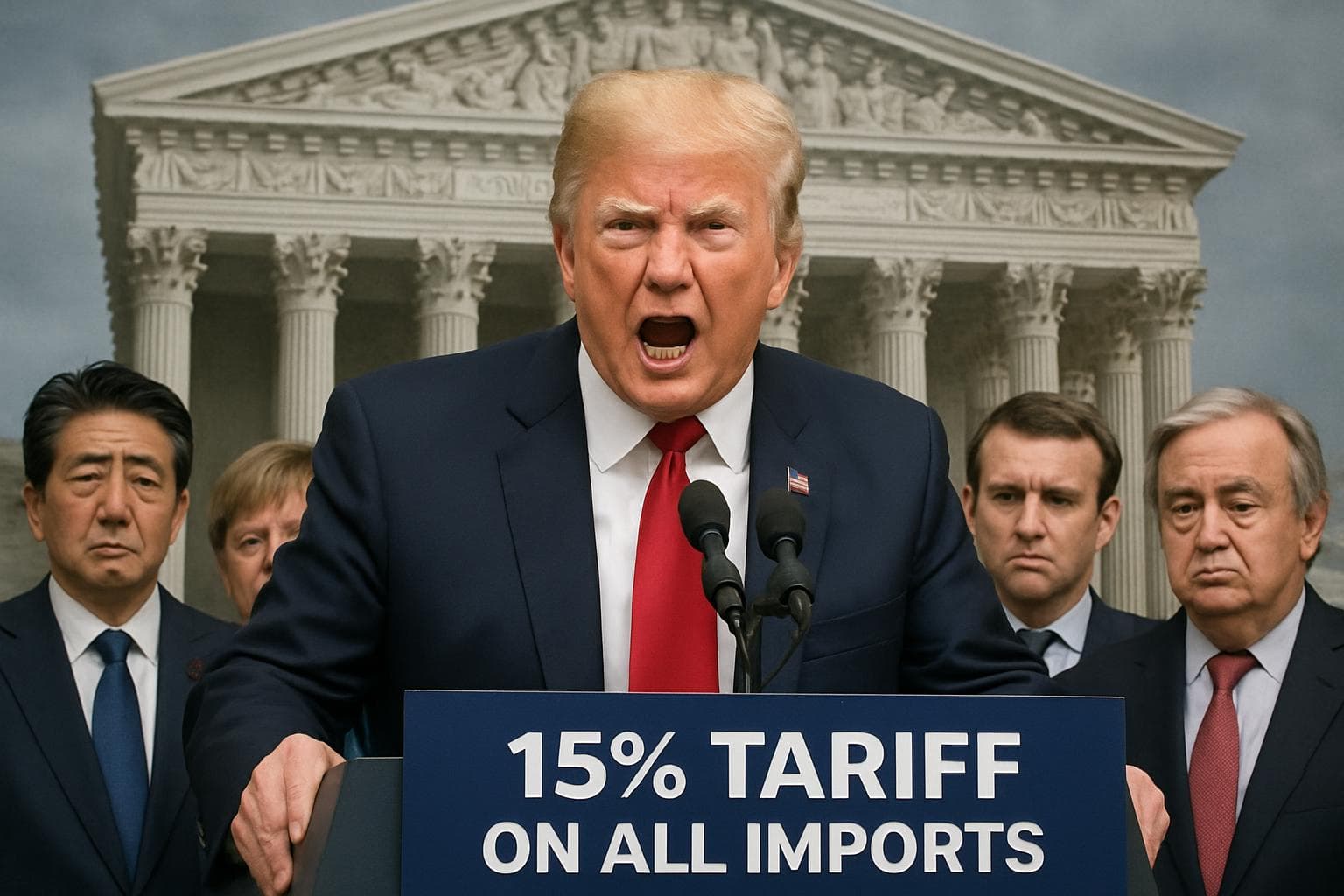
- Donald Trump announced a 15% tariff on all US imports following a Supreme Court ruling against his previous tariff policy.
- The Supreme Court ruled 6-3 that Trump exceeded his authority under the International Emergency Economic Powers Act.
- The new tariffs, under the Trade Act of 1974, can last 150 days without congressional approval.
- Countries like the UK and Australia, which had agreed to a 10% tariff, are now reconsidering their trade strategies.
- Business leaders and international figures have expressed concern over the economic impact and uncertainty of the new tariffs.
In a swift response to a Supreme Court ruling, former US President Donald Trump has announced an increase in tariffs on all imports to 15%. This decision comes less than a day after the court deemed his previous tariff policy illegal, citing an overreach of presidential authority under the International Emergency Economic Powers Act (IEEPA).
Supreme Court Ruling and Immediate Reaction
On Friday, the Supreme Court ruled 6-3 against Trump's use of the IEEPA to impose sweeping global tariffs, a cornerstone of his economic policy aimed at reducing the US trade deficit. The court's decision was supported by three liberal justices, Chief Justice John Roberts, and two of Trump's own appointees, Amy Coney Barrett and Neil Gorsuch. In response, Trump criticized the ruling as "extraordinarily anti-American" and promptly announced a new 10% tariff, later increasing it to 15% under the Trade Act of 1974.
Legal Framework and International Response
The Trade Act of 1974 allows for a temporary tariff of up to 15% for 150 days without congressional approval. This move has sparked concerns among international leaders and businesses. German Chancellor Friedrich Merz and French President Emmanuel Macron have both voiced their apprehensions, emphasizing the need for stability and reciprocity in global trade relations. Australia's Trade Minister Don Farrell stated that his country would explore all options to mitigate the impact of these tariffs.
Economic Implications and Business Reactions
The new tariffs have raised questions about their economic impact, particularly on countries like the UK and Australia, which had previously negotiated a 10% tariff. Business leaders in the US have expressed disappointment, with some calling for refunds of the $133 billion collected under the now-invalidated tariffs. Drew Greenblatt, a Baltimore steel manufacturer, lamented the decision as a setback for American manufacturing jobs, while John Boyd, a Virginia soybean farmer, hailed the ruling as a victory for fair trade.
WHAT THIS MIGHT MEAN
The imposition of a 15% tariff could lead to significant shifts in global trade dynamics, potentially prompting retaliatory measures from affected countries. Economists warn that such tariffs may exacerbate inflationary pressures, impacting consumers and businesses alike. As the 150-day period progresses, the Trump administration will need to navigate complex legal and diplomatic challenges to establish a sustainable tariff policy. The situation underscores the delicate balance between national economic strategies and international trade obligations, with potential long-term implications for US trade relations and economic stability.
Related Articles
Trump's New Tariff Strategy Sparks Global Trade Uncertainty

Tech Giants Pledge to Cover AI Data Center Energy Costs Amid Rising Electricity Concerns
Canada and Australia Forge Strategic Partnership Amid Global Uncertainty

Breakthrough Drug Offers Hope for Children with Severe Epilepsy
Congress Subpoenas Attorney General Bondi in Epstein Investigation
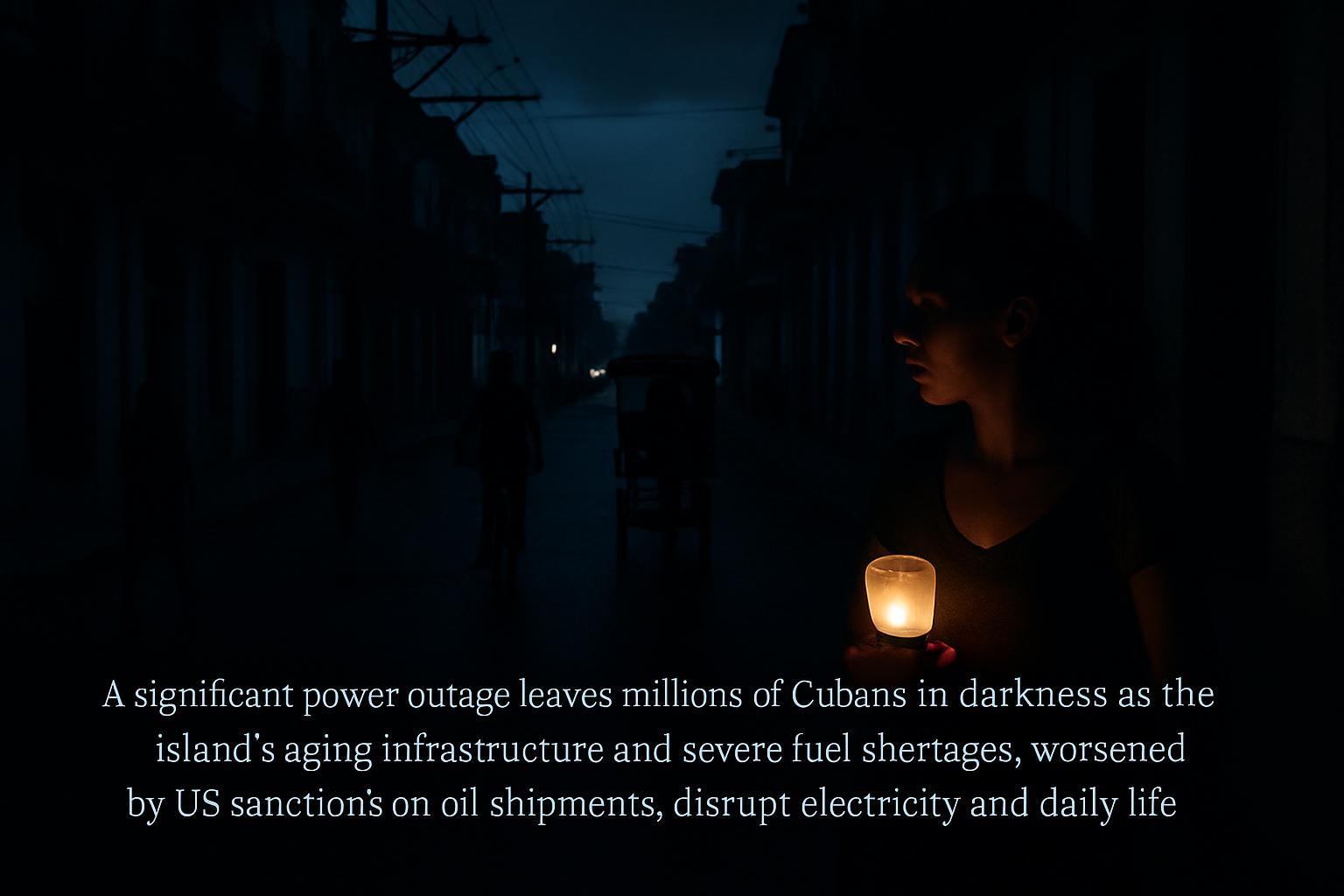
Cuba Faces Widespread Blackout Amid Deepening Fuel Crisis
Trump Raises Import Tariffs to 15% After Supreme Court Setback
In This Article
 Daniel Rivera| Published
 HIGHLIGHTS
- Donald Trump announced a 15% tariff on all US imports following a Supreme Court ruling against his previous tariff policy.
- The Supreme Court ruled 6-3 that Trump exceeded his authority under the International Emergency Economic Powers Act.
- The new tariffs, under the Trade Act of 1974, can last 150 days without congressional approval.
- Countries like the UK and Australia, which had agreed to a 10% tariff, are now reconsidering their trade strategies.
- Business leaders and international figures have expressed concern over the economic impact and uncertainty of the new tariffs.
In a swift response to a Supreme Court ruling, former US President Donald Trump has announced an increase in tariffs on all imports to 15%. This decision comes less than a day after the court deemed his previous tariff policy illegal, citing an overreach of presidential authority under the International Emergency Economic Powers Act (IEEPA).
Supreme Court Ruling and Immediate Reaction
On Friday, the Supreme Court ruled 6-3 against Trump's use of the IEEPA to impose sweeping global tariffs, a cornerstone of his economic policy aimed at reducing the US trade deficit. The court's decision was supported by three liberal justices, Chief Justice John Roberts, and two of Trump's own appointees, Amy Coney Barrett and Neil Gorsuch. In response, Trump criticized the ruling as "extraordinarily anti-American" and promptly announced a new 10% tariff, later increasing it to 15% under the Trade Act of 1974.
Legal Framework and International Response
The Trade Act of 1974 allows for a temporary tariff of up to 15% for 150 days without congressional approval. This move has sparked concerns among international leaders and businesses. German Chancellor Friedrich Merz and French President Emmanuel Macron have both voiced their apprehensions, emphasizing the need for stability and reciprocity in global trade relations. Australia's Trade Minister Don Farrell stated that his country would explore all options to mitigate the impact of these tariffs.
Economic Implications and Business Reactions
The new tariffs have raised questions about their economic impact, particularly on countries like the UK and Australia, which had previously negotiated a 10% tariff. Business leaders in the US have expressed disappointment, with some calling for refunds of the $133 billion collected under the now-invalidated tariffs. Drew Greenblatt, a Baltimore steel manufacturer, lamented the decision as a setback for American manufacturing jobs, while John Boyd, a Virginia soybean farmer, hailed the ruling as a victory for fair trade.
WHAT THIS MIGHT MEAN
The imposition of a 15% tariff could lead to significant shifts in global trade dynamics, potentially prompting retaliatory measures from affected countries. Economists warn that such tariffs may exacerbate inflationary pressures, impacting consumers and businesses alike. As the 150-day period progresses, the Trump administration will need to navigate complex legal and diplomatic challenges to establish a sustainable tariff policy. The situation underscores the delicate balance between national economic strategies and international trade obligations, with potential long-term implications for US trade relations and economic stability.
Related Articles
Trump's New Tariff Strategy Sparks Global Trade Uncertainty
Tech Giants Pledge to Cover AI Data Center Energy Costs Amid Rising Electricity Concerns
Canada and Australia Forge Strategic Partnership Amid Global Uncertainty
Breakthrough Drug Offers Hope for Children with Severe Epilepsy
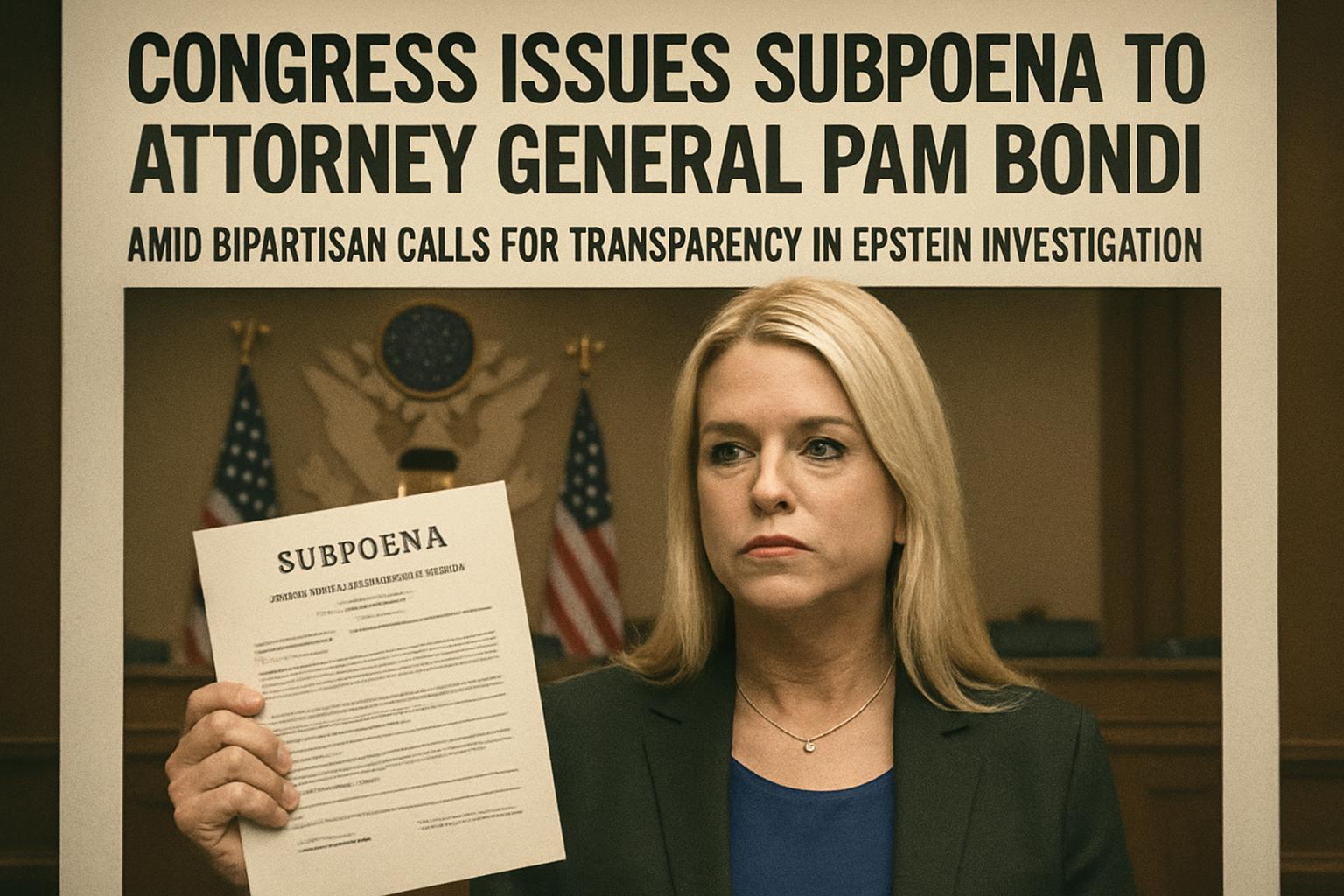
Congress Subpoenas Attorney General Bondi in Epstein Investigation
Cuba Faces Widespread Blackout Amid Deepening Fuel Crisis