
Trump Criticizes Supreme Court After Tariff Ruling, Imposes New Global Tariff
In This Article
HIGHLIGHTS
- The US Supreme Court struck down President Trump's global tariffs, ruling them illegal under a 1977 law.
- Trump criticized the six justices who ruled against him, including two he appointed, calling them "fools" and "lapdogs."
- Despite the ruling, Trump signed a new order imposing a 10% tariff on all countries, effective February 24.
- The decision marks a significant setback for Trump's economic agenda, which heavily relied on tariffs.
- Trump accused the court of being influenced by "foreign interests," though he provided no evidence.
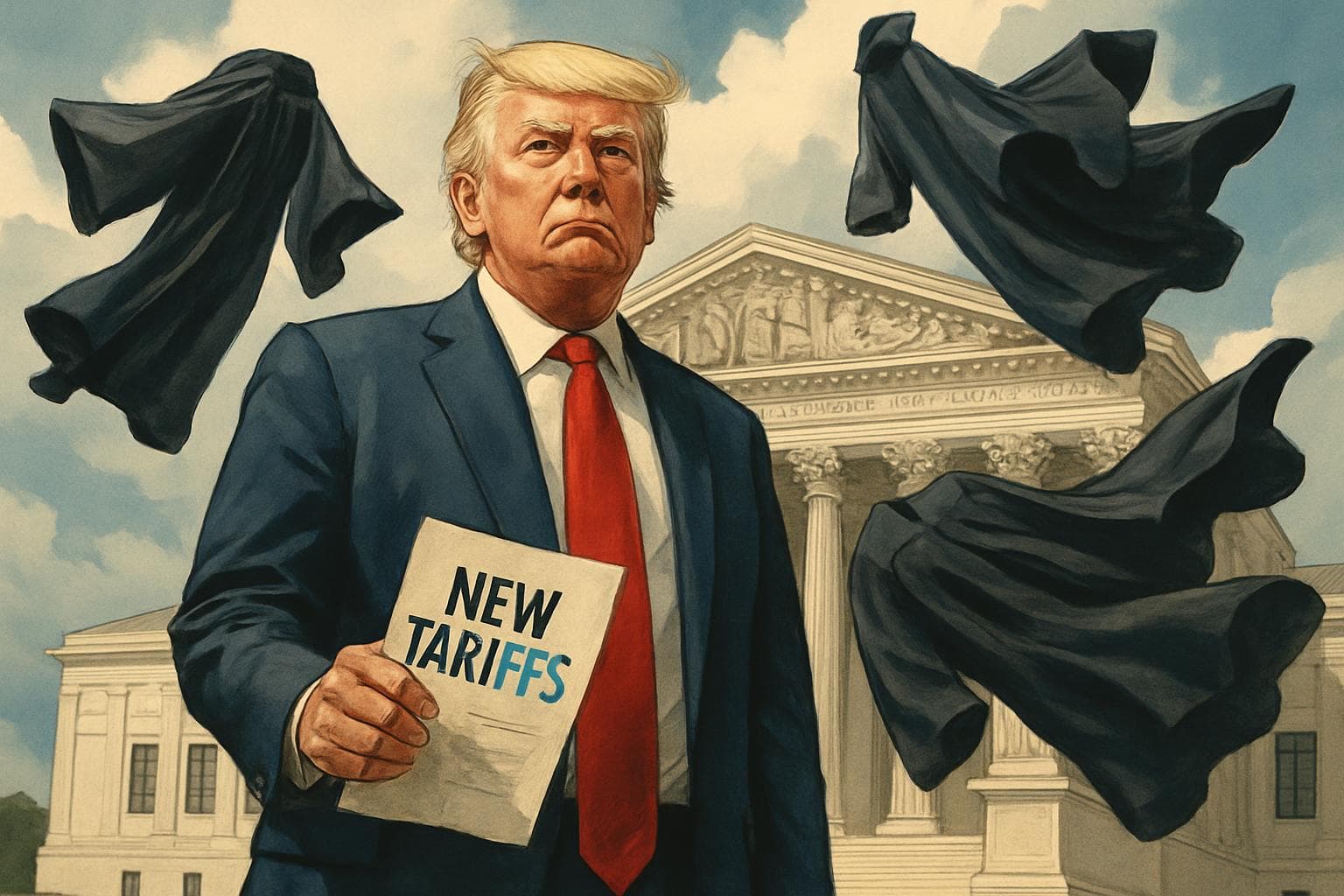
In a significant legal and political setback, the US Supreme Court has struck down President Donald Trump's global tariffs, ruling them illegal under a 1977 law intended for national emergencies. The 6-3 decision, delivered on Friday, marks the first time the court has overruled a policy from Trump's second term, dealing a blow to a key component of his economic strategy.
Supreme Court Ruling
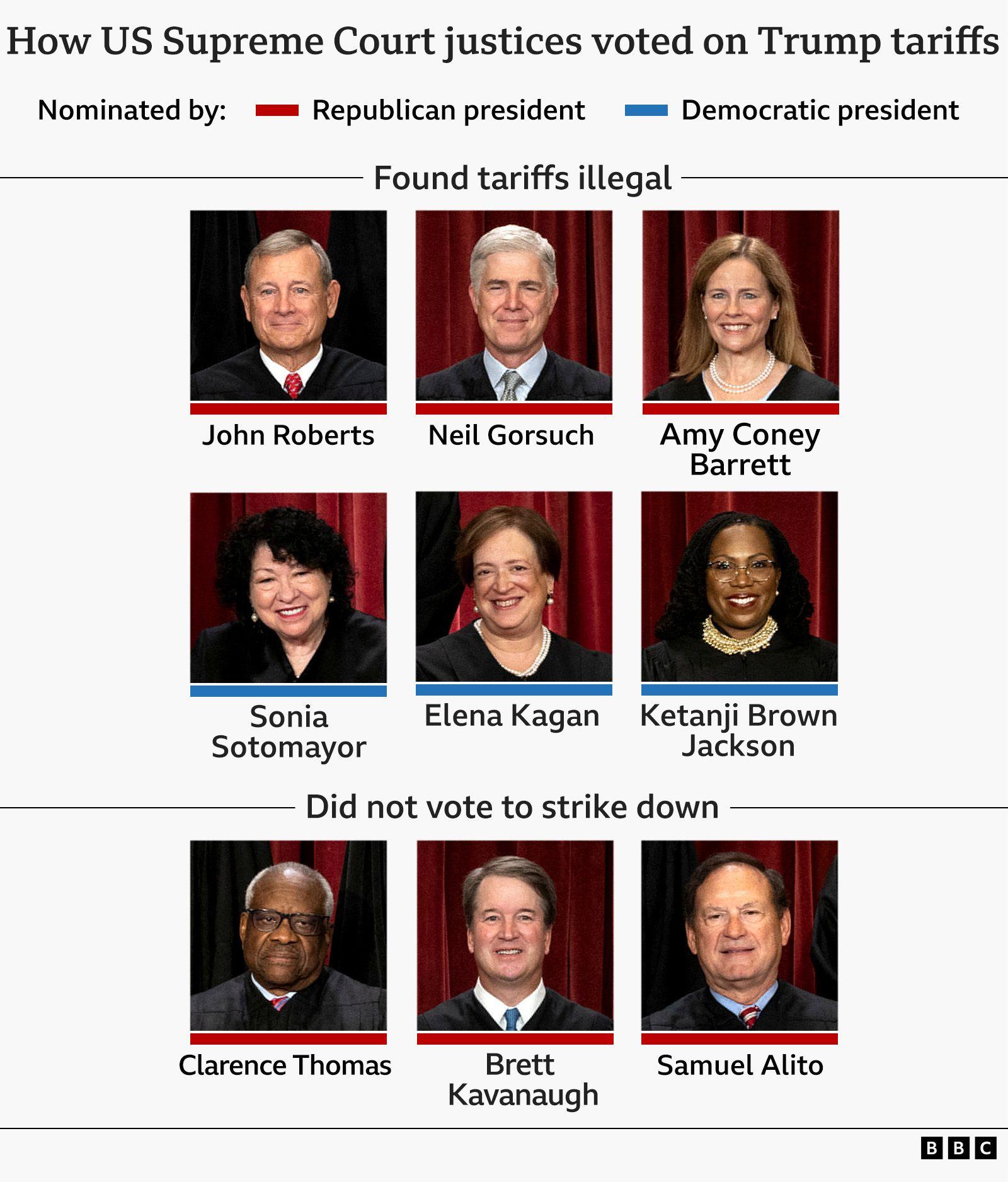
The ruling declared that the Trump administration's tariffs lacked legal justification, as the 1977 law cited did not support such sweeping measures. The decision was supported by a mix of liberal and conservative justices, including Chief Justice John Roberts, who authored the majority opinion. Justices Neil Gorsuch and Amy Coney Barrett, both appointed by Trump, also sided with the majority.
Trump's Reaction
President Trump responded with characteristic fervor, launching a verbal attack on the justices who opposed him. At a White House press conference, he labeled them "fools" and "lapdogs," accusing them of disloyalty to the Constitution and suggesting, without evidence, that they were swayed by "foreign interests." Despite his disappointment, Trump praised the three dissenting justices—Clarence Thomas, Samuel Alito, and Brett Kavanaugh—for their support.
New Tariff Measures
Undeterred by the court's decision, Trump swiftly signed an order imposing a new 10% tariff on all countries, set to take effect on February 24. This move underscores his commitment to maintaining a robust trade policy, despite legal challenges. The White House released a fact sheet outlining the new tariff's implementation, signaling Trump's determination to pursue alternative economic strategies.
WHAT THIS MIGHT MEAN
The Supreme Court's ruling against Trump's tariffs could have far-reaching implications for US trade policy and the balance of power between the executive and judicial branches. Legal experts suggest that this decision may set a precedent, limiting presidential authority in imposing tariffs without clear legislative backing. Politically, Trump's new tariff order may face further legal challenges, potentially leading to prolonged disputes in the courts. As the administration navigates these complexities, the future of US economic policy remains uncertain, with potential impacts on international trade relations and domestic economic stability.
Images from the Web
Related Articles
Trump Raises Import Tariffs to 15% After Supreme Court Setback
Spain's Sánchez Stands Firm Against Trump's Trade Threat Over Iran Stance
Senate Blocks Resolution to Limit Trump's Military Actions in Iran
US Supreme Court Ruling Sparks Trade Uncertainty in Asia and Beyond

US-Iran Tensions Escalate Amid Renewed Nuclear Talks and Protests

Greenland Politely Declines Trump's Hospital Ship Offer Amid Healthcare Debate
Trump Criticizes Supreme Court After Tariff Ruling, Imposes New Global Tariff
In This Article
 Ethan Brooks| Published
 HIGHLIGHTS
- The US Supreme Court struck down President Trump's global tariffs, ruling them illegal under a 1977 law.
- Trump criticized the six justices who ruled against him, including two he appointed, calling them "fools" and "lapdogs."
- Despite the ruling, Trump signed a new order imposing a 10% tariff on all countries, effective February 24.
- The decision marks a significant setback for Trump's economic agenda, which heavily relied on tariffs.
- Trump accused the court of being influenced by "foreign interests," though he provided no evidence.
In a significant legal and political setback, the US Supreme Court has struck down President Donald Trump's global tariffs, ruling them illegal under a 1977 law intended for national emergencies. The 6-3 decision, delivered on Friday, marks the first time the court has overruled a policy from Trump's second term, dealing a blow to a key component of his economic strategy.
Supreme Court Ruling
The ruling declared that the Trump administration's tariffs lacked legal justification, as the 1977 law cited did not support such sweeping measures. The decision was supported by a mix of liberal and conservative justices, including Chief Justice John Roberts, who authored the majority opinion. Justices Neil Gorsuch and Amy Coney Barrett, both appointed by Trump, also sided with the majority.
Trump's Reaction
President Trump responded with characteristic fervor, launching a verbal attack on the justices who opposed him. At a White House press conference, he labeled them "fools" and "lapdogs," accusing them of disloyalty to the Constitution and suggesting, without evidence, that they were swayed by "foreign interests." Despite his disappointment, Trump praised the three dissenting justices—Clarence Thomas, Samuel Alito, and Brett Kavanaugh—for their support.
New Tariff Measures
Undeterred by the court's decision, Trump swiftly signed an order imposing a new 10% tariff on all countries, set to take effect on February 24. This move underscores his commitment to maintaining a robust trade policy, despite legal challenges. The White House released a fact sheet outlining the new tariff's implementation, signaling Trump's determination to pursue alternative economic strategies.
WHAT THIS MIGHT MEAN
The Supreme Court's ruling against Trump's tariffs could have far-reaching implications for US trade policy and the balance of power between the executive and judicial branches. Legal experts suggest that this decision may set a precedent, limiting presidential authority in imposing tariffs without clear legislative backing. Politically, Trump's new tariff order may face further legal challenges, potentially leading to prolonged disputes in the courts. As the administration navigates these complexities, the future of US economic policy remains uncertain, with potential impacts on international trade relations and domestic economic stability.
Images from the Web
Related Articles
Trump Raises Import Tariffs to 15% After Supreme Court Setback
Spain's Sánchez Stands Firm Against Trump's Trade Threat Over Iran Stance
Senate Blocks Resolution to Limit Trump's Military Actions in Iran
US Supreme Court Ruling Sparks Trade Uncertainty in Asia and Beyond
US-Iran Tensions Escalate Amid Renewed Nuclear Talks and Protests
Greenland Politely Declines Trump's Hospital Ship Offer Amid Healthcare Debate