
US-Iran Tensions Escalate Amid Military Buildup and Diplomatic Talks

In This Article
HIGHLIGHTS
- The US is considering military action against Iran, with President Trump yet to make a final decision.
- Diplomatic talks in Geneva showed some progress, but significant differences remain between the US and Iran.
- The US is increasing its military presence in the Middle East, deploying additional aircraft carriers and fighter jets.
- The US plans to withdraw troops from Syria, as the Syrian government assumes more responsibility for counter-terrorism.
- Iran is expected to submit a proposal to resolve nuclear program disputes by the end of February.
As tensions mount between the United States and Iran, the White House has issued a stern warning to Tehran, urging it to reach a diplomatic agreement over its nuclear program. This comes as President Donald Trump considers military options, with US forces poised for potential strikes. White House Press Secretary Karoline Leavitt emphasized that Iran would be "very wise" to negotiate, highlighting the administration's preference for diplomacy despite the military readiness.
Military Buildup in the Middle East
The US has significantly increased its military presence in the Middle East, deploying the USS Abraham Lincoln and the USS Gerald Ford aircraft carriers, along with dozens of fighter jets and refueling tankers. This strategic positioning underscores the seriousness of the situation, as Trump has not yet decided on military action. Reports suggest that a strike could occur as early as this weekend, although timelines remain fluid.
Diplomatic Efforts in Geneva
Recent talks in Geneva between US and Iranian representatives have shown limited progress. Both sides acknowledged steps in the right direction, yet substantial disagreements persist. Iran's Foreign Minister Abbas Araghchi noted that while guiding principles have been agreed upon, further work is needed. The US, along with European allies, remains concerned about Iran's potential development of nuclear weapons, a claim Tehran denies.
US Troop Withdrawal from Syria
In a related development, the US plans to withdraw its remaining troops from Syria, transitioning responsibility for counter-terrorism to the Syrian government. This move aligns with improved security conditions and the collapse of the Assad government. The decision reflects a broader strategy to recalibrate US military commitments in the region while maintaining readiness to respond to threats.
Iran's Next Steps
Iran is expected to present a written proposal by the end of February to address the nuclear standoff. The outcome of these negotiations could significantly impact regional stability and US-Iran relations. As the deadline approaches, the international community watches closely, hoping for a peaceful resolution.
WHAT THIS MIGHT MEAN
The unfolding situation between the US and Iran holds significant implications for regional and global stability. Should diplomatic efforts fail, a military confrontation could have far-reaching consequences, potentially disrupting global oil markets and exacerbating tensions in the Middle East. Conversely, a successful negotiation could pave the way for easing sanctions on Iran and improving bilateral relations. Experts suggest that the coming weeks will be crucial in determining the trajectory of US-Iran relations, with the potential for either escalation or resolution.
Related Articles
Spain's Sánchez Stands Firm Against Trump's Trade Threat Over Iran Stance
Intensified US-Israel Strikes on Iran Spark Global Outcry
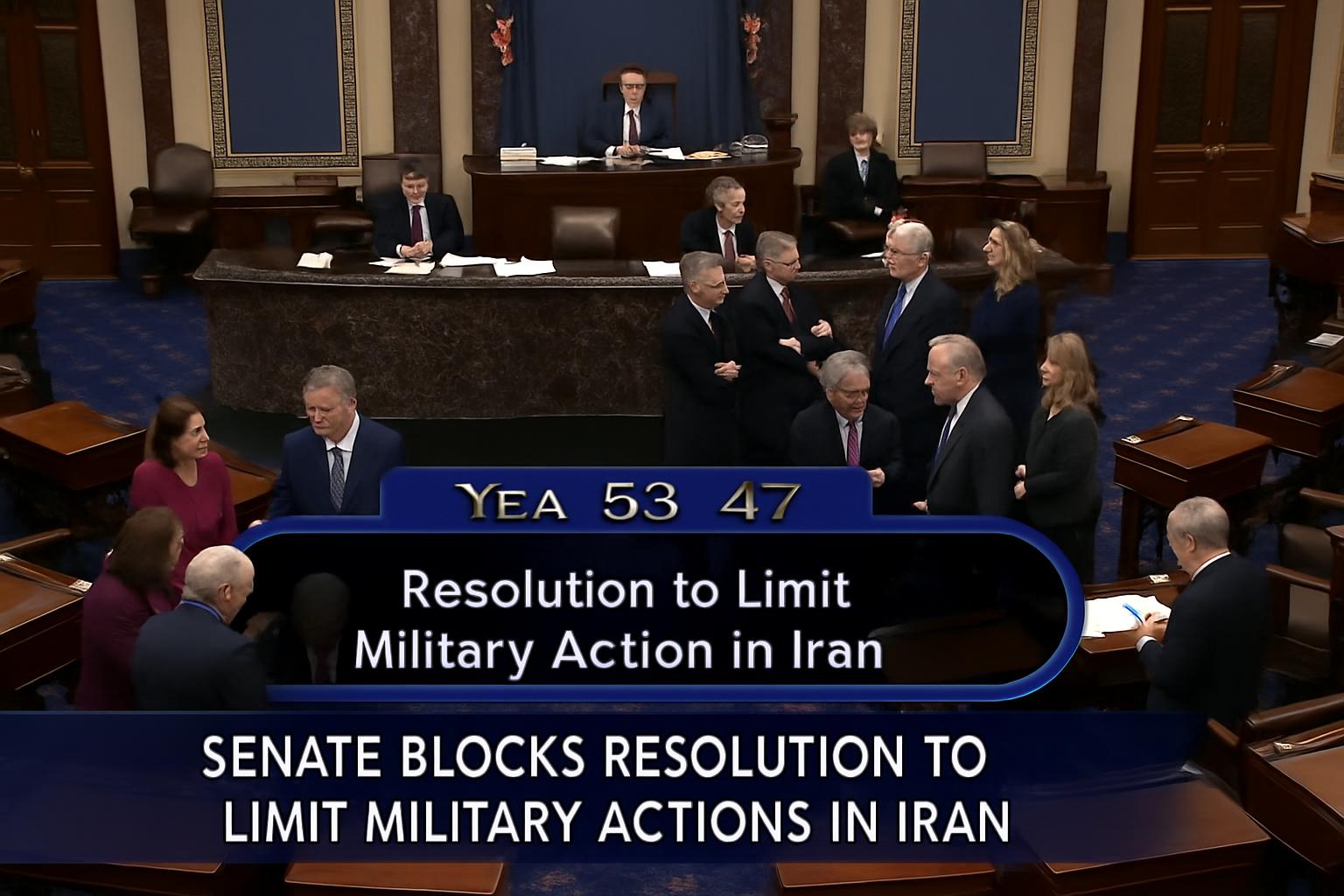
Senate Blocks Resolution to Limit Trump's Military Actions in Iran

UK-Iran Tensions: Starmer Defends Cautious Approach Amid Trump Criticism
Iran Postpones Khamenei Funeral Amid Escalating US-Israeli Strikes

UK Faces Dilemmas Amid Iran Conflict and China Spying Allegations
US-Iran Tensions Escalate Amid Military Buildup and Diplomatic Talks
In This Article
 Ethan Brooks| Published
 HIGHLIGHTS
- The US is considering military action against Iran, with President Trump yet to make a final decision.
- Diplomatic talks in Geneva showed some progress, but significant differences remain between the US and Iran.
- The US is increasing its military presence in the Middle East, deploying additional aircraft carriers and fighter jets.
- The US plans to withdraw troops from Syria, as the Syrian government assumes more responsibility for counter-terrorism.
- Iran is expected to submit a proposal to resolve nuclear program disputes by the end of February.
As tensions mount between the United States and Iran, the White House has issued a stern warning to Tehran, urging it to reach a diplomatic agreement over its nuclear program. This comes as President Donald Trump considers military options, with US forces poised for potential strikes. White House Press Secretary Karoline Leavitt emphasized that Iran would be "very wise" to negotiate, highlighting the administration's preference for diplomacy despite the military readiness.
Military Buildup in the Middle East
The US has significantly increased its military presence in the Middle East, deploying the USS Abraham Lincoln and the USS Gerald Ford aircraft carriers, along with dozens of fighter jets and refueling tankers. This strategic positioning underscores the seriousness of the situation, as Trump has not yet decided on military action. Reports suggest that a strike could occur as early as this weekend, although timelines remain fluid.
Diplomatic Efforts in Geneva
Recent talks in Geneva between US and Iranian representatives have shown limited progress. Both sides acknowledged steps in the right direction, yet substantial disagreements persist. Iran's Foreign Minister Abbas Araghchi noted that while guiding principles have been agreed upon, further work is needed. The US, along with European allies, remains concerned about Iran's potential development of nuclear weapons, a claim Tehran denies.
US Troop Withdrawal from Syria
In a related development, the US plans to withdraw its remaining troops from Syria, transitioning responsibility for counter-terrorism to the Syrian government. This move aligns with improved security conditions and the collapse of the Assad government. The decision reflects a broader strategy to recalibrate US military commitments in the region while maintaining readiness to respond to threats.
Iran's Next Steps
Iran is expected to present a written proposal by the end of February to address the nuclear standoff. The outcome of these negotiations could significantly impact regional stability and US-Iran relations. As the deadline approaches, the international community watches closely, hoping for a peaceful resolution.
WHAT THIS MIGHT MEAN
The unfolding situation between the US and Iran holds significant implications for regional and global stability. Should diplomatic efforts fail, a military confrontation could have far-reaching consequences, potentially disrupting global oil markets and exacerbating tensions in the Middle East. Conversely, a successful negotiation could pave the way for easing sanctions on Iran and improving bilateral relations. Experts suggest that the coming weeks will be crucial in determining the trajectory of US-Iran relations, with the potential for either escalation or resolution.
Related Articles
Spain's Sánchez Stands Firm Against Trump's Trade Threat Over Iran Stance
Intensified US-Israel Strikes on Iran Spark Global Outcry
Senate Blocks Resolution to Limit Trump's Military Actions in Iran
UK-Iran Tensions: Starmer Defends Cautious Approach Amid Trump Criticism
Iran Postpones Khamenei Funeral Amid Escalating US-Israeli Strikes
UK Faces Dilemmas Amid Iran Conflict and China Spying Allegations