
Intensified US-Israel Strikes on Iran Spark Global Outcry
In This Article
HIGHLIGHTS
- US and Israeli strikes on Iran have intensified since February 28, targeting military and political sites.
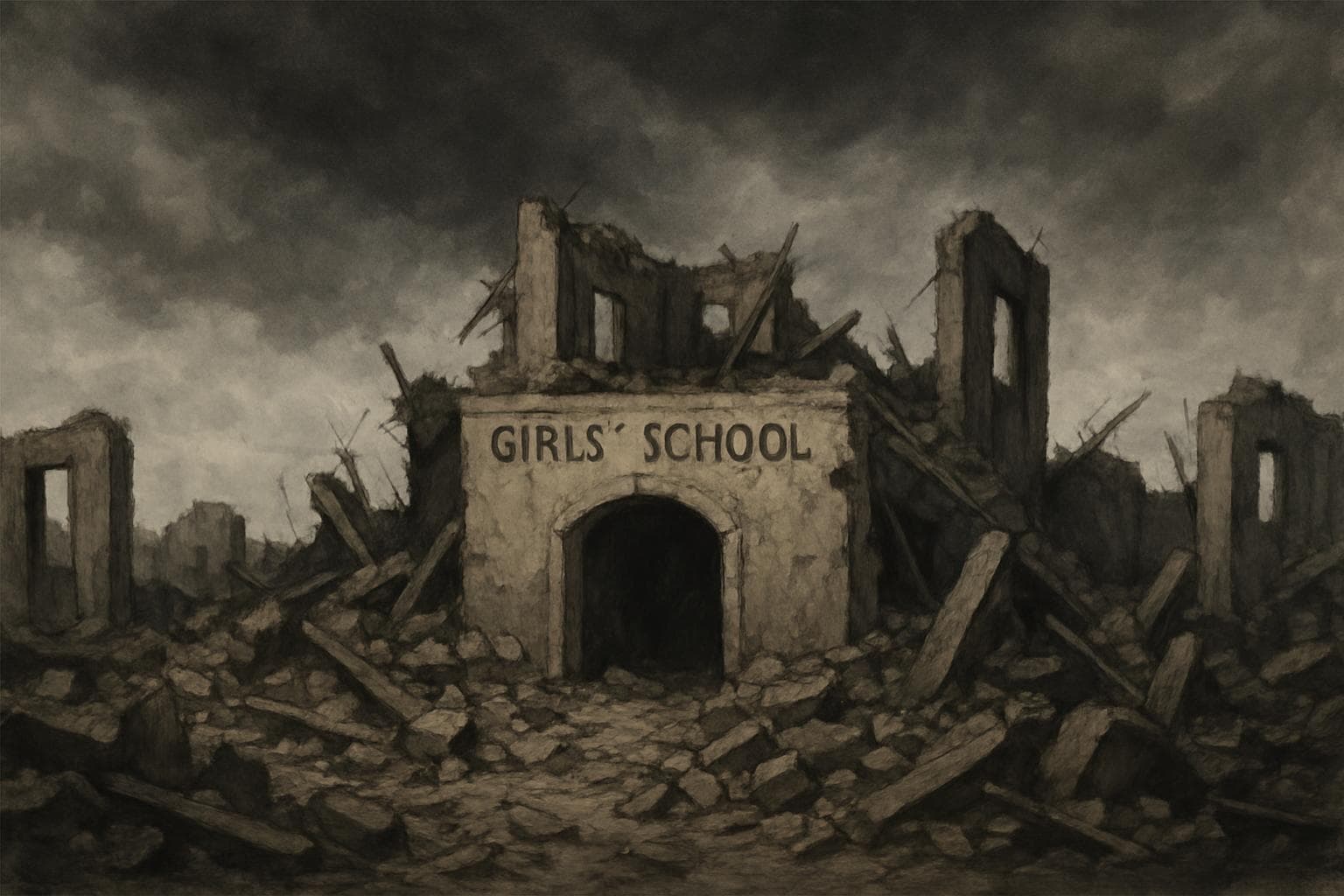
- A deadly airstrike on a girls' school in Minab killed at least 165 students, prompting a US investigation.
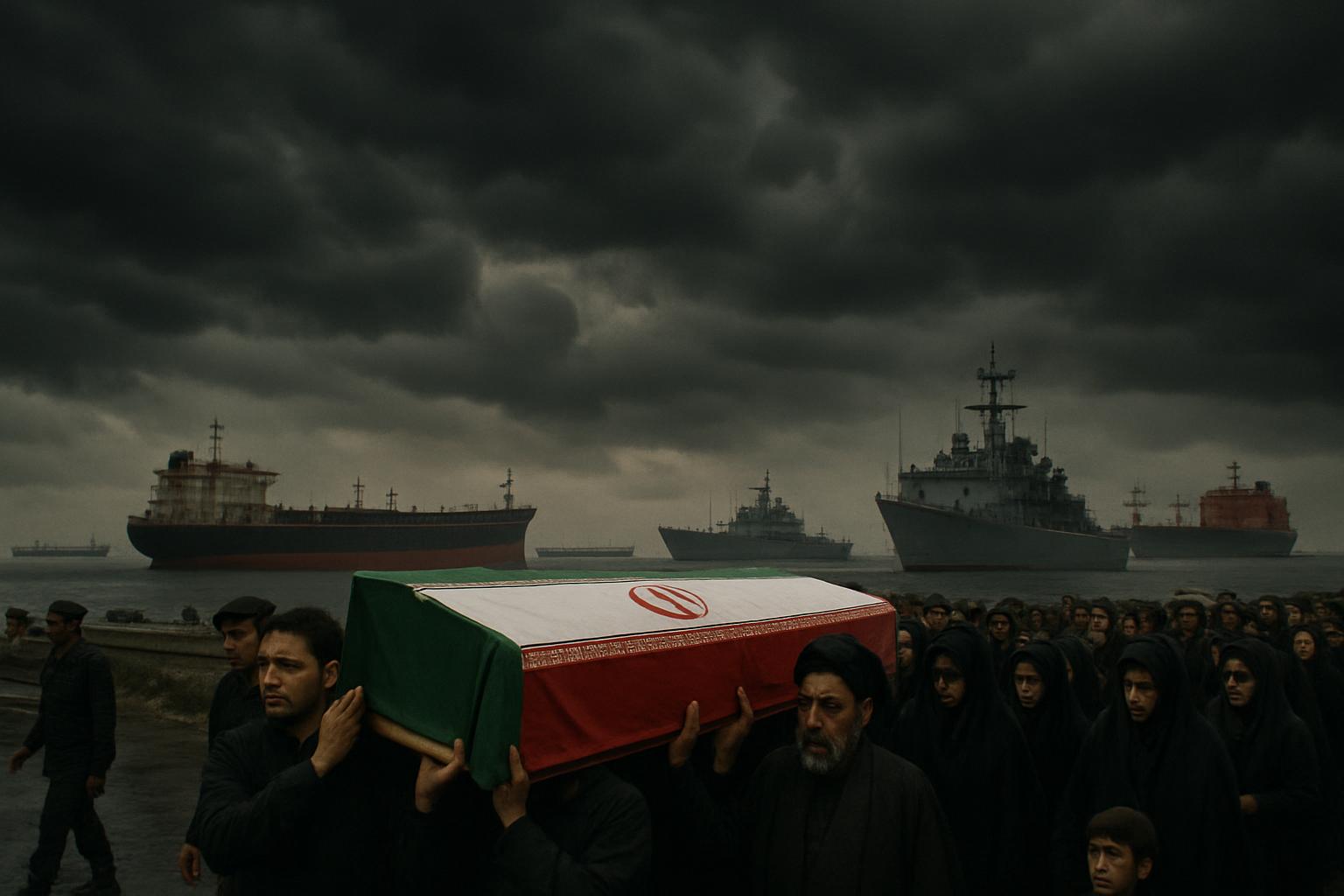
- Iran's Supreme Leader Ayatollah Ali Khamenei was killed in the initial wave of attacks.
- The UN has called for an investigation into the attack on civilian infrastructure, including schools.
- The conflict has resulted in over 800 deaths across the Middle East, escalating regional tensions.
The conflict between the US, Israel, and Iran has escalated dramatically since February 28, with a series of airstrikes targeting military and political sites across Iran. The strikes have resulted in significant civilian casualties, including a devastating attack on a girls' school in Minab, which killed at least 165 students and injured 96 others. This incident has drawn international condemnation and calls for an investigation.
Civilian Casualties and Global Reactions
The attack on the Shajareh Tayyebeh girls' school has become a focal point of international concern. US Defense Secretary Pete Hegseth confirmed that the US is investigating the incident, emphasizing that civilian targets are not intended. The United Nations has urged those responsible to provide clarity and accountability, highlighting the need to protect children and civilian infrastructure during conflicts.
Impact on Iranian Society
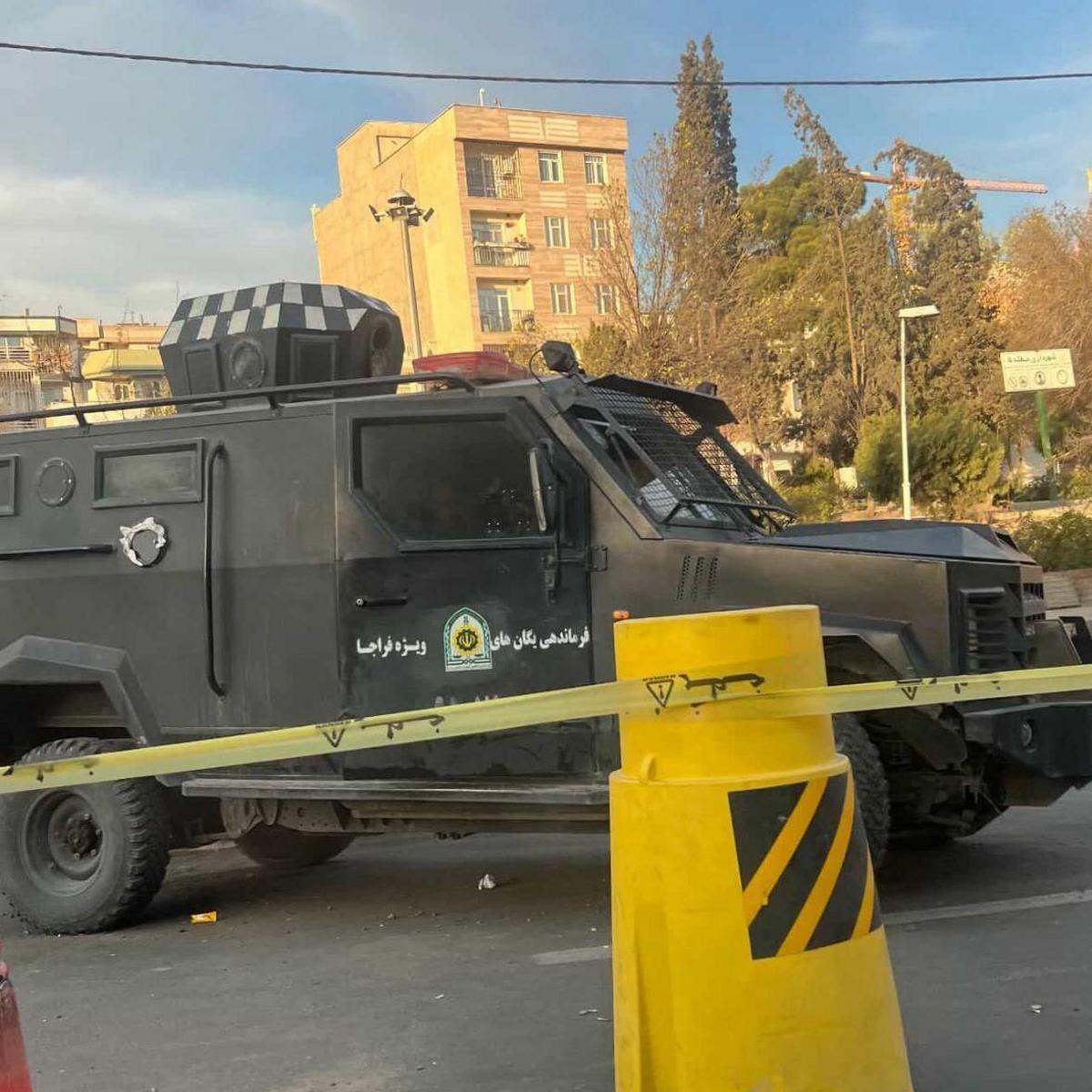
The strikes have left a profound impact on Iranian society, with Tehran residents describing life under constant threat. "Every day feels like a month," says Salar, a local resident, reflecting the heightened fear and uncertainty. The death of Iran's Supreme Leader Ayatollah Ali Khamenei in the initial strikes has further destabilized the regime, leading to increased security measures and widespread dissent among the population.
Regional and Political Implications
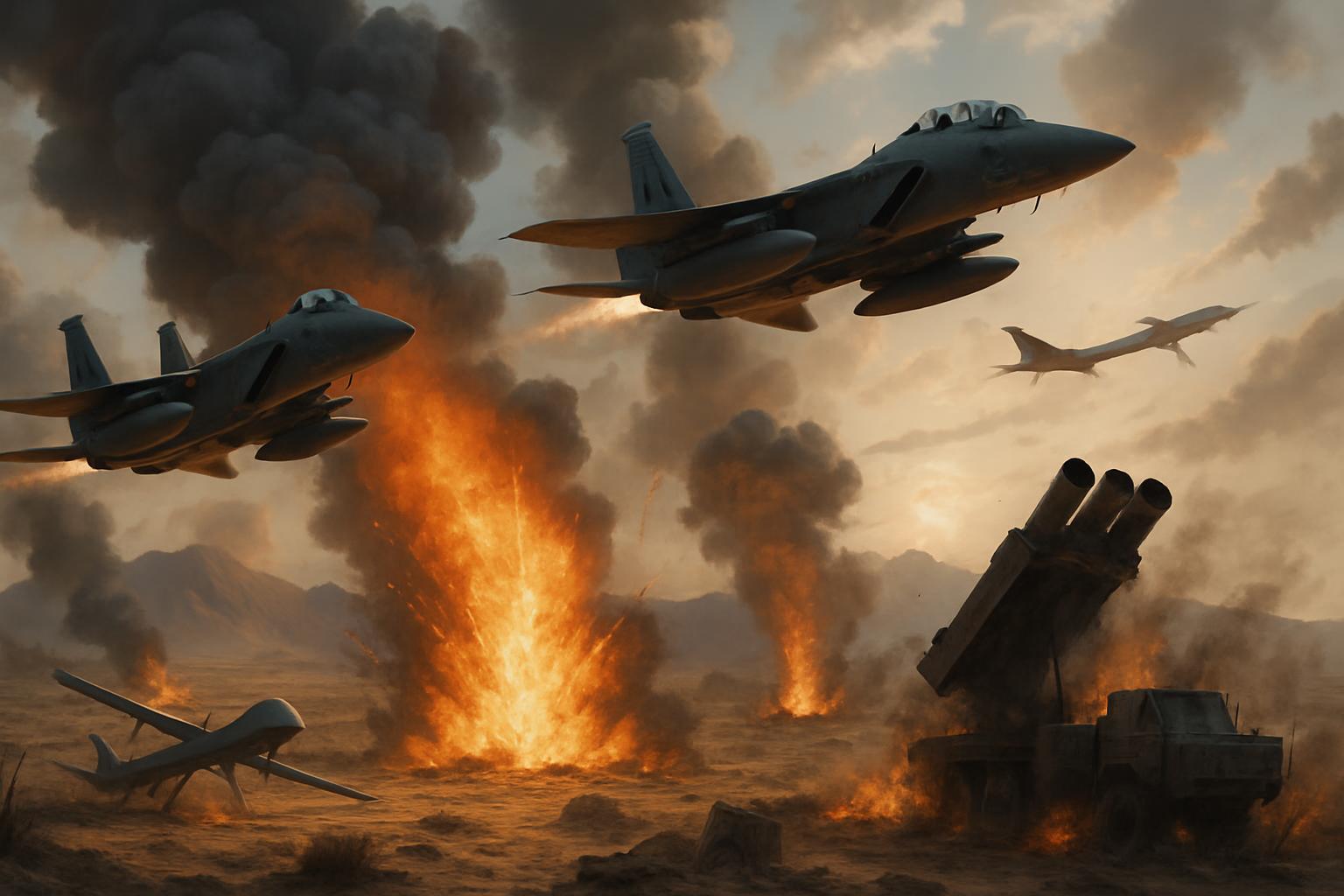
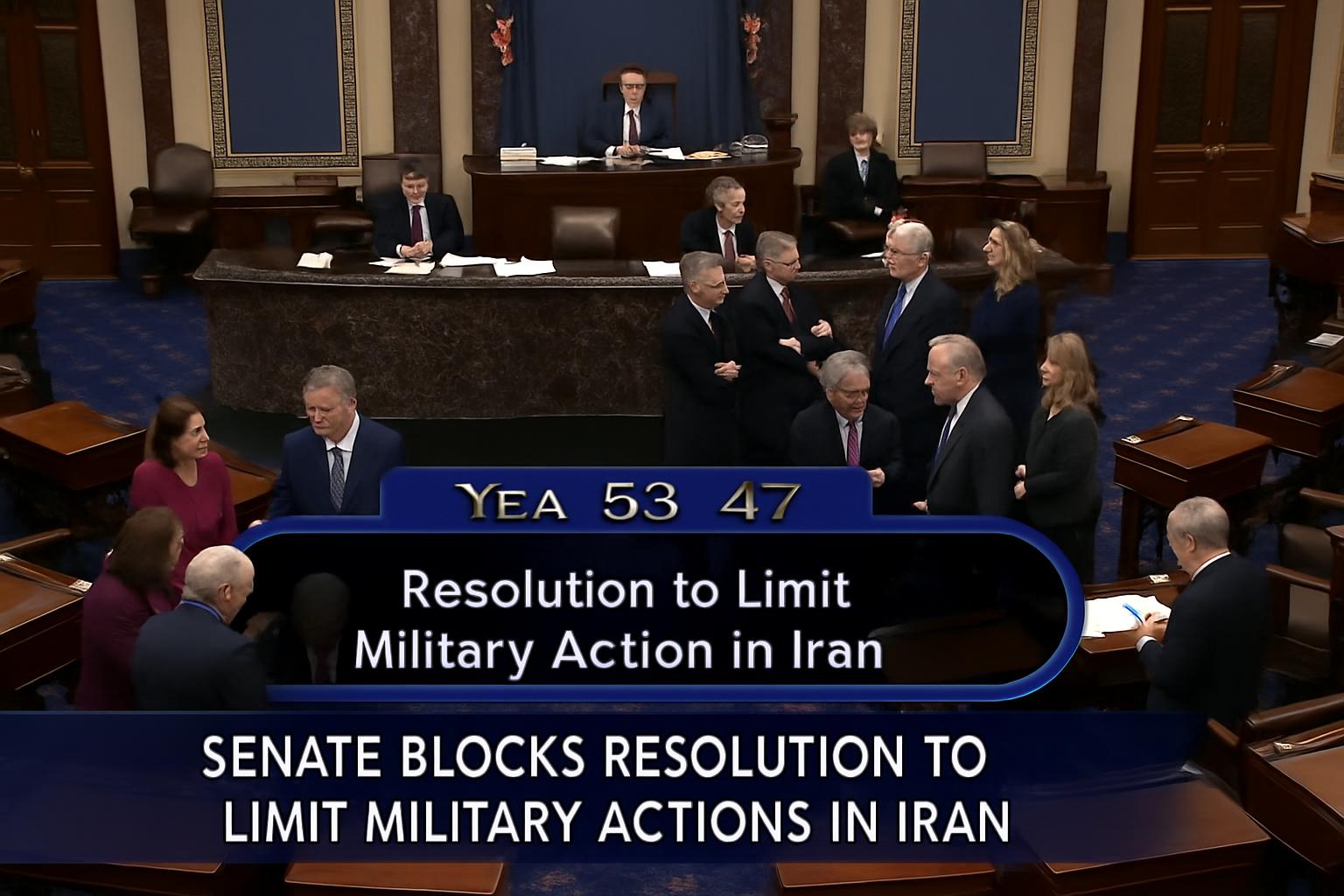
The conflict has claimed over 800 lives across the Middle East, with Iran launching retaliatory attacks against several countries. The US military has reported nearly 2,000 targets hit in Iran, surpassing the intensity of the 2003 Iraq invasion. The situation has sparked political debates in the US, with Senate Republicans blocking a resolution requiring congressional approval for continued military action against Iran.
WHAT THIS MIGHT MEAN
The ongoing conflict between the US, Israel, and Iran could lead to further destabilization in the Middle East, with potential for increased civilian casualties and regional tensions. The international community's response, particularly the UN's call for investigations, may pressure involved parties to address humanitarian concerns. Politically, the US administration faces scrutiny over its military strategy and the legal implications of its actions, which could influence future foreign policy decisions. As the situation evolves, the potential for diplomatic resolutions or escalations remains uncertain, with significant implications for global security and stability.
Images from the Web
Related Articles
US and Israel Intensify Military Campaign as Iran's Capabilities Dwindle
Iran Postpones Khamenei Funeral Amid Escalating US-Israeli Strikes
Senate Blocks Resolution to Limit Trump's Military Actions in Iran
US-Iran Tensions Escalate Amid Renewed Nuclear Talks and Protests
Middle East Conflict Drives UK Energy Prices to New Highs
UK-Iran Tensions: Starmer Defends Cautious Approach Amid Trump Criticism
Intensified US-Israel Strikes on Iran Spark Global Outcry
In This Article
 Ethan Brooks| Published
 HIGHLIGHTS
- US and Israeli strikes on Iran have intensified since February 28, targeting military and political sites.
- A deadly airstrike on a girls' school in Minab killed at least 165 students, prompting a US investigation.
- Iran's Supreme Leader Ayatollah Ali Khamenei was killed in the initial wave of attacks.
- The UN has called for an investigation into the attack on civilian infrastructure, including schools.
- The conflict has resulted in over 800 deaths across the Middle East, escalating regional tensions.
The conflict between the US, Israel, and Iran has escalated dramatically since February 28, with a series of airstrikes targeting military and political sites across Iran. The strikes have resulted in significant civilian casualties, including a devastating attack on a girls' school in Minab, which killed at least 165 students and injured 96 others. This incident has drawn international condemnation and calls for an investigation.
Civilian Casualties and Global Reactions
The attack on the Shajareh Tayyebeh girls' school has become a focal point of international concern. US Defense Secretary Pete Hegseth confirmed that the US is investigating the incident, emphasizing that civilian targets are not intended. The United Nations has urged those responsible to provide clarity and accountability, highlighting the need to protect children and civilian infrastructure during conflicts.
Impact on Iranian Society
The strikes have left a profound impact on Iranian society, with Tehran residents describing life under constant threat. "Every day feels like a month," says Salar, a local resident, reflecting the heightened fear and uncertainty. The death of Iran's Supreme Leader Ayatollah Ali Khamenei in the initial strikes has further destabilized the regime, leading to increased security measures and widespread dissent among the population.
Regional and Political Implications
The conflict has claimed over 800 lives across the Middle East, with Iran launching retaliatory attacks against several countries. The US military has reported nearly 2,000 targets hit in Iran, surpassing the intensity of the 2003 Iraq invasion. The situation has sparked political debates in the US, with Senate Republicans blocking a resolution requiring congressional approval for continued military action against Iran.
WHAT THIS MIGHT MEAN
The ongoing conflict between the US, Israel, and Iran could lead to further destabilization in the Middle East, with potential for increased civilian casualties and regional tensions. The international community's response, particularly the UN's call for investigations, may pressure involved parties to address humanitarian concerns. Politically, the US administration faces scrutiny over its military strategy and the legal implications of its actions, which could influence future foreign policy decisions. As the situation evolves, the potential for diplomatic resolutions or escalations remains uncertain, with significant implications for global security and stability.
Images from the Web
Related Articles
US and Israel Intensify Military Campaign as Iran's Capabilities Dwindle
Iran Postpones Khamenei Funeral Amid Escalating US-Israeli Strikes
Senate Blocks Resolution to Limit Trump's Military Actions in Iran
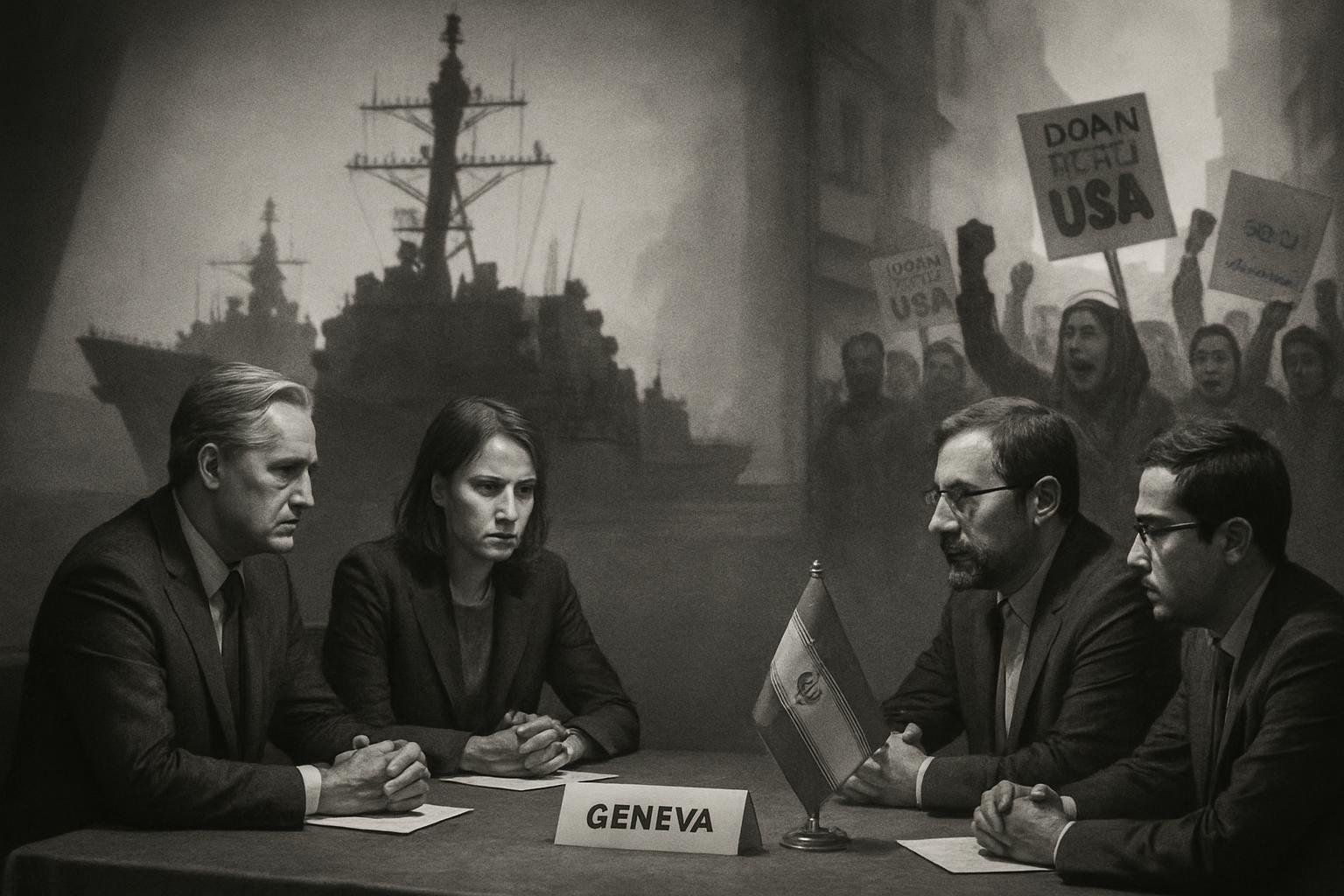
US-Iran Tensions Escalate Amid Renewed Nuclear Talks and Protests
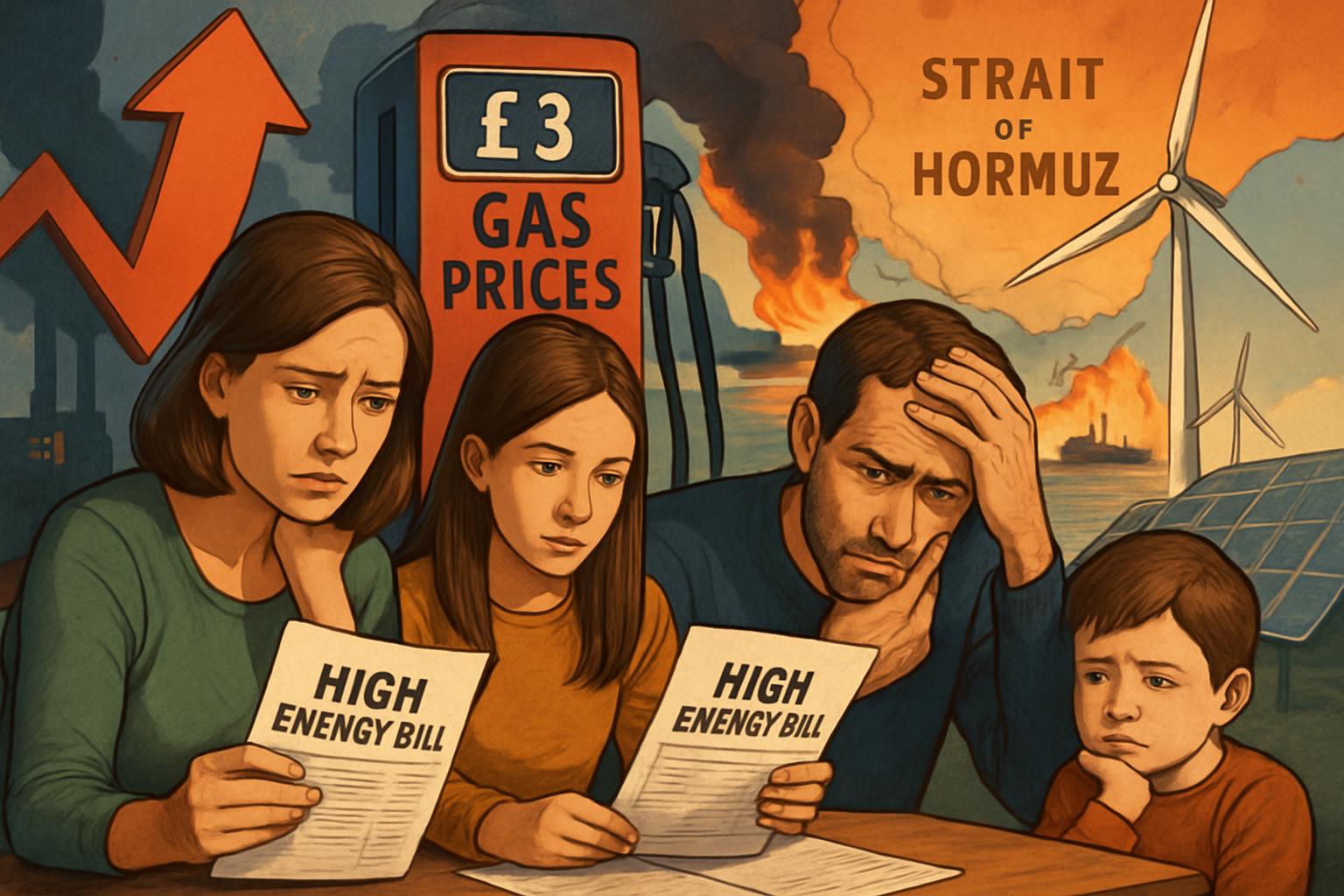
Middle East Conflict Drives UK Energy Prices to New Highs
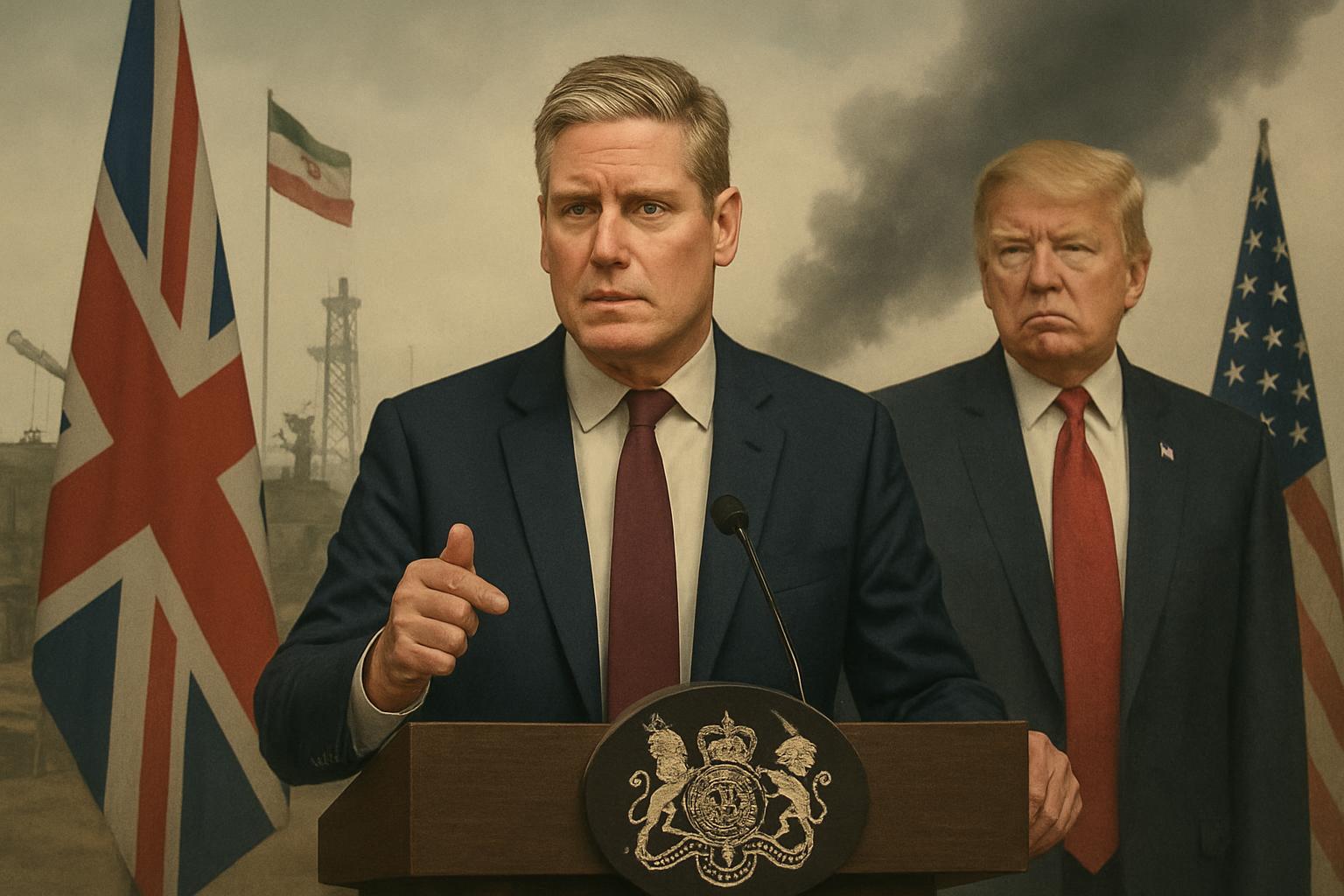
UK-Iran Tensions: Starmer Defends Cautious Approach Amid Trump Criticism