
Middle East Conflict Drives UK Energy Prices to New Highs
In This Article
HIGHLIGHTS
- Energy firms are monitoring fuel prices closely due to volatility from the Middle East conflict, impacting the UK gas market.
- Shropshire Council is concerned about rising fuel costs affecting its budget, despite efforts to stabilize finances.
- UK household energy bills could increase by £160 annually as gas prices hit a three-year high following the Iran conflict.
- The Strait of Hormuz closure could further pressure global energy prices, affecting UK energy security.
- Government officials emphasize the need for energy independence through renewable sources amid ongoing market instability.
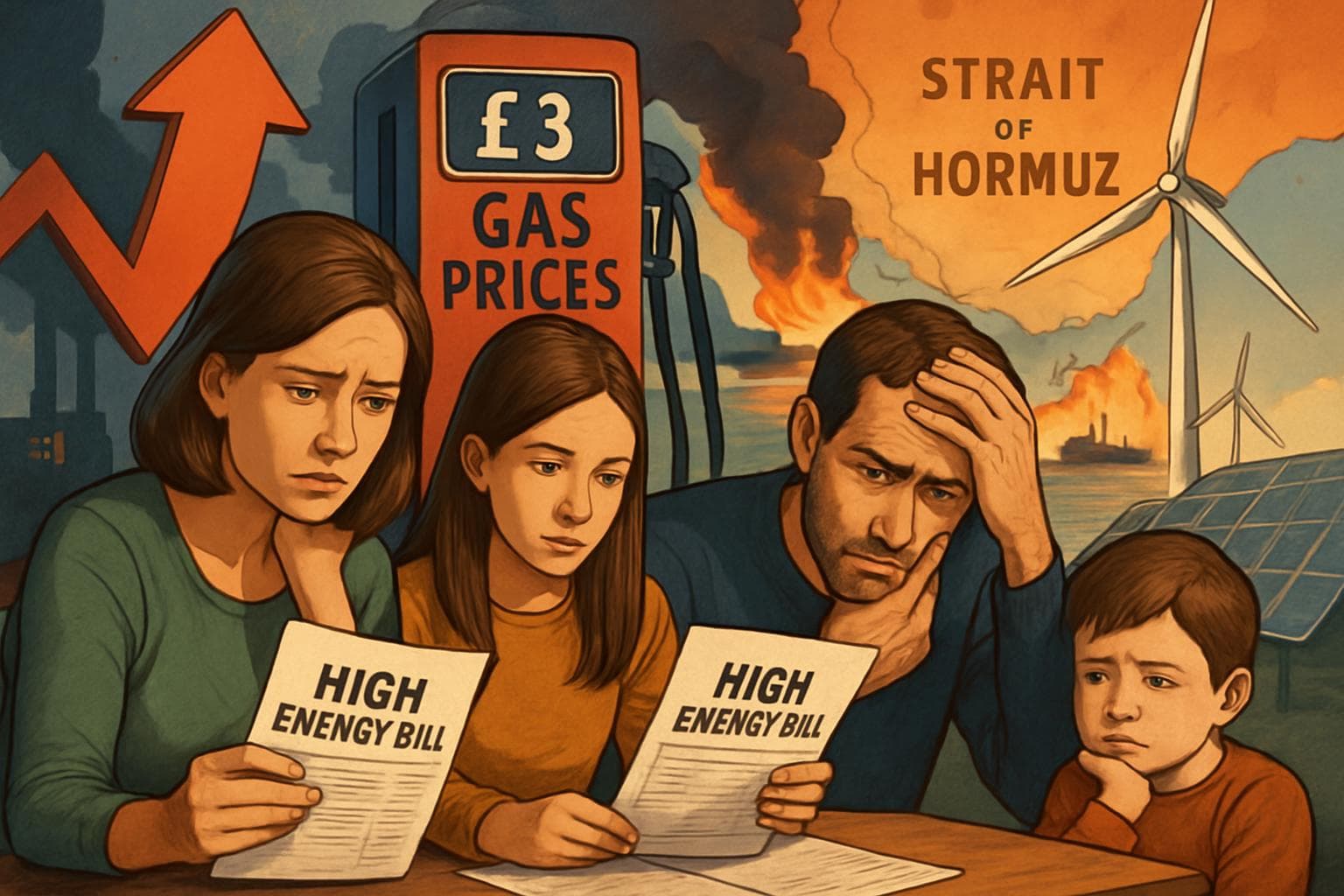
The ongoing conflict in the Middle East has sent ripples through global energy markets, causing significant concern in the UK as fuel prices soar. Energy firms are keeping a vigilant eye on the situation, with the Strait of Hormuz—a vital passage for 20% of the world's oil and gas—at the center of geopolitical tensions. Iran's warning to vessels following US and Israeli airstrikes has exacerbated fears of prolonged market volatility.
Impact on Energy Firms and Households
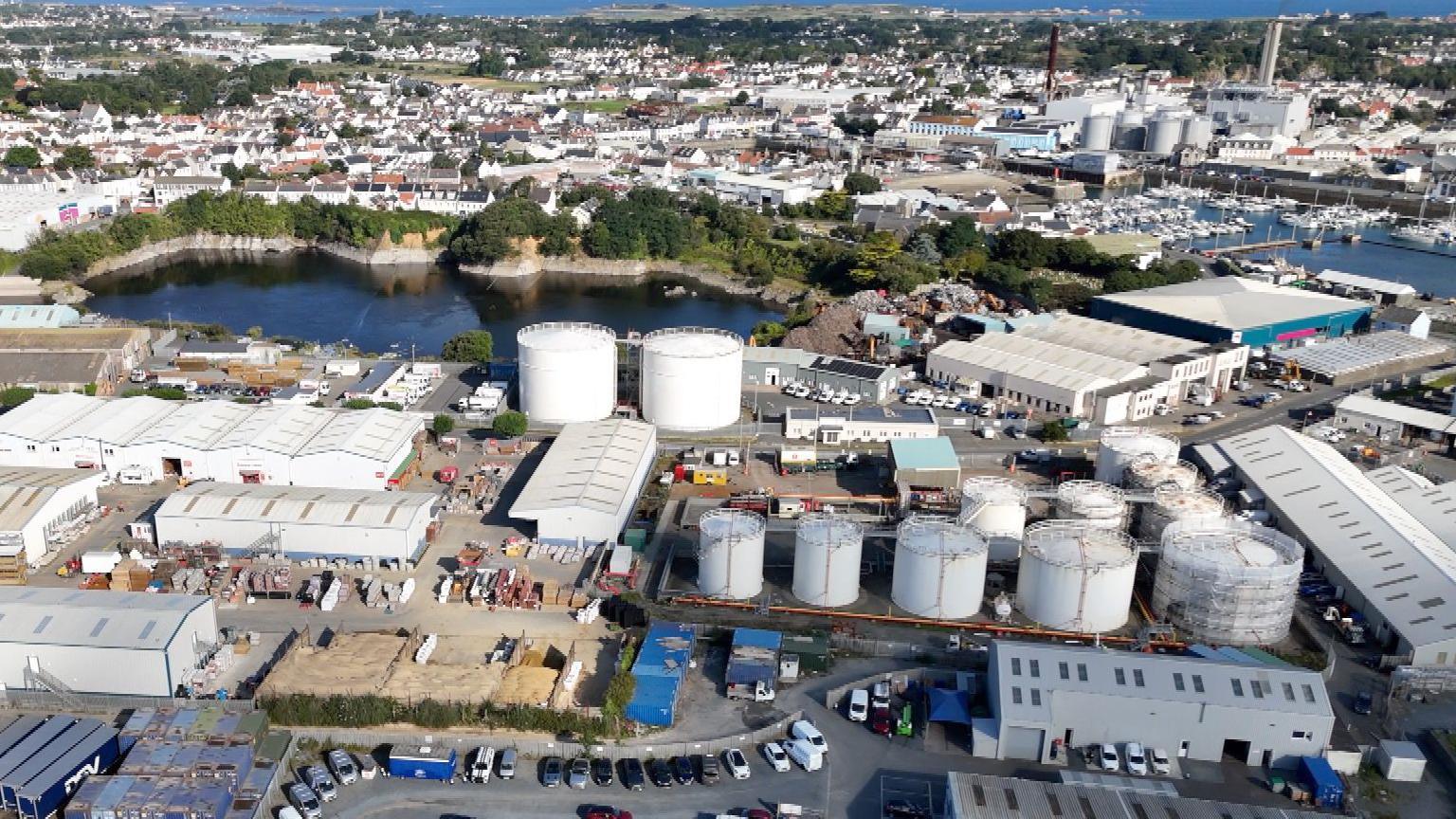
Energy companies, such as Islands Energy Group, report a substantial rise in gas prices, prompting a review of pricing structures. The UK gas market has reached its highest level in three years, with potential implications for household energy bills. According to Cornwall Insight, a typical household could see an increase of £160 annually, pushing bills to £1,800 under the government's price cap from July.
Local Government Concerns
Shropshire Council faces financial strain as fuel inflation threatens to undermine recent fiscal recovery efforts. The council, already grappling with a £49.9 million projected overspend for 2025-26, is worried that rising energy costs will further deplete its resources. "The Iran war is really worrying for us," stated council leader Kidd, highlighting the rural county's heavy reliance on energy.
National Energy Security and Policy
The UK government is closely monitoring the situation, with Energy Secretary Ed Miliband emphasizing the importance of transitioning to renewable energy to ensure long-term energy security. The closure of the Strait of Hormuz could lead to further price hikes, underscoring the UK's vulnerability due to its dependence on fossil fuels. Ofgem's chief executive, Jonathan Brearley, noted that the duration of elevated wholesale prices remains uncertain.
Industry and Government Response
In response to the crisis, Chancellor Rachel Reeves met with North Sea energy executives to discuss strategies for stabilizing the market. While new North Sea licenses are being considered, experts argue that they may not significantly reduce consumer bills due to the global nature of oil and gas markets.
WHAT THIS MIGHT MEAN
The ongoing conflict in the Middle East poses significant challenges for global energy markets, with potential long-term implications for the UK's energy security. If the Strait of Hormuz remains closed, energy prices could continue to rise, placing additional pressure on households and local governments. Experts suggest that the UK must accelerate its transition to renewable energy sources to reduce dependency on volatile fossil fuel markets. In the short term, government intervention may be necessary to mitigate the impact on consumers and stabilize the economy. As the situation develops, close monitoring and strategic planning will be crucial to navigating these turbulent times.
Images from the Web
Related Articles

Canada and Australia Forge Strategic Partnership Amid Global Uncertainty

Intensified US-Israel Strikes on Iran Spark Global Outcry
UK Reinforces Military Presence in Cyprus Amid Middle East Tensions

UK-Iran Tensions: Starmer Defends Cautious Approach Amid Trump Criticism

UK Faces Dilemmas Amid Iran Conflict and China Spying Allegations

US and Israel Intensify Military Campaign as Iran's Capabilities Dwindle
Middle East Conflict Drives UK Energy Prices to New Highs
In This Article
 Daniel Rivera| Published
 HIGHLIGHTS
- Energy firms are monitoring fuel prices closely due to volatility from the Middle East conflict, impacting the UK gas market.
- Shropshire Council is concerned about rising fuel costs affecting its budget, despite efforts to stabilize finances.
- UK household energy bills could increase by £160 annually as gas prices hit a three-year high following the Iran conflict.
- The Strait of Hormuz closure could further pressure global energy prices, affecting UK energy security.
- Government officials emphasize the need for energy independence through renewable sources amid ongoing market instability.
The ongoing conflict in the Middle East has sent ripples through global energy markets, causing significant concern in the UK as fuel prices soar. Energy firms are keeping a vigilant eye on the situation, with the Strait of Hormuz—a vital passage for 20% of the world's oil and gas—at the center of geopolitical tensions. Iran's warning to vessels following US and Israeli airstrikes has exacerbated fears of prolonged market volatility.
Impact on Energy Firms and Households
Energy companies, such as Islands Energy Group, report a substantial rise in gas prices, prompting a review of pricing structures. The UK gas market has reached its highest level in three years, with potential implications for household energy bills. According to Cornwall Insight, a typical household could see an increase of £160 annually, pushing bills to £1,800 under the government's price cap from July.
Local Government Concerns
Shropshire Council faces financial strain as fuel inflation threatens to undermine recent fiscal recovery efforts. The council, already grappling with a £49.9 million projected overspend for 2025-26, is worried that rising energy costs will further deplete its resources. "The Iran war is really worrying for us," stated council leader Kidd, highlighting the rural county's heavy reliance on energy.
National Energy Security and Policy
The UK government is closely monitoring the situation, with Energy Secretary Ed Miliband emphasizing the importance of transitioning to renewable energy to ensure long-term energy security. The closure of the Strait of Hormuz could lead to further price hikes, underscoring the UK's vulnerability due to its dependence on fossil fuels. Ofgem's chief executive, Jonathan Brearley, noted that the duration of elevated wholesale prices remains uncertain.
Industry and Government Response
In response to the crisis, Chancellor Rachel Reeves met with North Sea energy executives to discuss strategies for stabilizing the market. While new North Sea licenses are being considered, experts argue that they may not significantly reduce consumer bills due to the global nature of oil and gas markets.
WHAT THIS MIGHT MEAN
The ongoing conflict in the Middle East poses significant challenges for global energy markets, with potential long-term implications for the UK's energy security. If the Strait of Hormuz remains closed, energy prices could continue to rise, placing additional pressure on households and local governments. Experts suggest that the UK must accelerate its transition to renewable energy sources to reduce dependency on volatile fossil fuel markets. In the short term, government intervention may be necessary to mitigate the impact on consumers and stabilize the economy. As the situation develops, close monitoring and strategic planning will be crucial to navigating these turbulent times.
Images from the Web
Related Articles
Canada and Australia Forge Strategic Partnership Amid Global Uncertainty
Intensified US-Israel Strikes on Iran Spark Global Outcry
UK Reinforces Military Presence in Cyprus Amid Middle East Tensions
UK-Iran Tensions: Starmer Defends Cautious Approach Amid Trump Criticism
UK Faces Dilemmas Amid Iran Conflict and China Spying Allegations
US and Israel Intensify Military Campaign as Iran's Capabilities Dwindle