
Iran Postpones Khamenei Funeral Amid Escalating US-Israeli Strikes
In This Article
HIGHLIGHTS
- Iran postponed Ayatollah Ali Khamenei's funeral amid ongoing US-Israeli military strikes.
- The Iranian navy frigate Iris Dena was sunk by a US submarine, with 80 bodies recovered and 32 rescued.
- Israel threatened to assassinate any successor to Khamenei, escalating tensions further.
- The Strait of Hormuz remains closed, jeopardizing India's energy security due to halted oil shipments.
- Protests erupted in Iran, with both supporters and opponents of the regime taking to the streets.
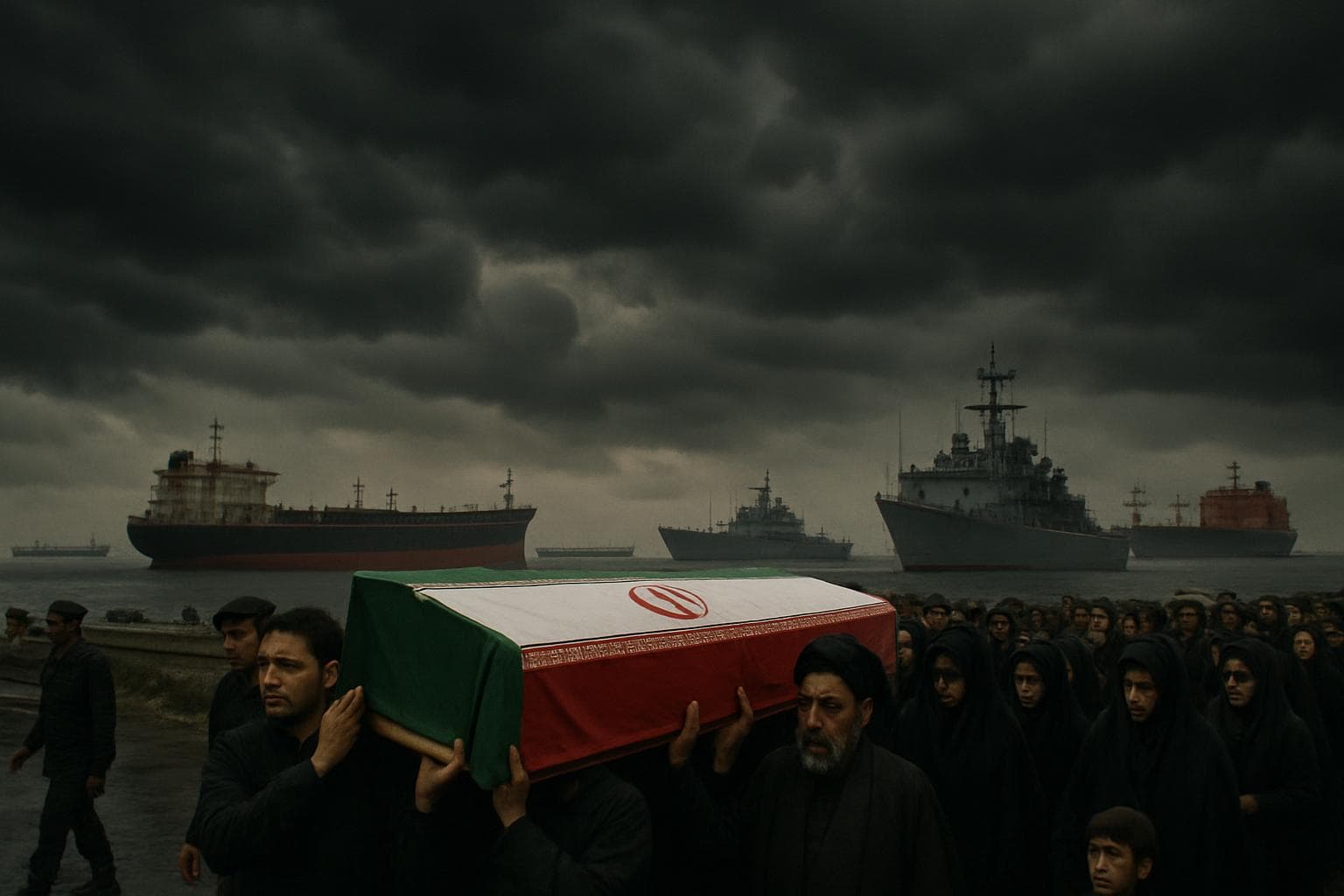
Iran has delayed the funeral of its late Supreme Leader, Ayatollah Ali Khamenei, as the country grapples with intense military strikes from US and Israeli forces. Originally scheduled to begin on Wednesday night, the ceremony was postponed due to overwhelming public interest and the need for adequate infrastructure, according to Seyyed Mohsen Mahmoudi of Tehran's Islamic Propaganda Co-ordination Council.
Military Tensions and Naval Incident
The conflict has intensified with the sinking of the Iranian navy frigate Iris Dena by a US submarine in the Indian Ocean. US Secretary of Defence Pete Hegseth confirmed the incident, stating that the frigate was targeted while in international waters. Sri Lankan authorities have recovered 80 bodies and rescued 32 crew members, with dozens still missing.
Political Ramifications and Threats
The death of Khamenei, who was killed in the initial wave of strikes alongside his family and top officials, has left a leadership vacuum. Israel's Defence Minister, Israel Katz, has openly threatened to assassinate any successor chosen by Iran, further escalating the already volatile situation. This threat underscores the ongoing Iran-Israel conflict and its potential to destabilize the region further.
Impact on Global Energy Security
The closure of the Strait of Hormuz, a critical oil shipping route, has raised alarms over global energy security. India, heavily reliant on Middle Eastern oil, faces a precarious situation with its energy reserves dwindling. The blockade has halted oil traffic, prompting concerns about rising crude prices and potential shifts in India's energy sourcing strategies.
Public Reaction and Protests
In Iran, the public response has been polarized. State media showcased protests against US and Israeli actions, while social media captured celebrations by regime opponents. The internal divide highlights the complex socio-political landscape in Iran following Khamenei's assassination.
WHAT THIS MIGHT MEAN
The postponement of Ayatollah Khamenei's funeral and the ongoing military strikes could lead to further instability in the Middle East. The potential for escalated conflict remains high, especially with Israel's threats against Khamenei's successor. This situation could prompt international diplomatic interventions to prevent a broader regional war.
The closure of the Strait of Hormuz poses significant risks to global oil markets, particularly for countries like India that depend heavily on Middle Eastern oil. If the blockade persists, it could force nations to seek alternative energy sources, potentially reshaping global energy alliances.
As the situation unfolds, the international community will closely monitor Iran's response and the potential for further retaliatory actions, which could have far-reaching implications for regional and global stability.
Related Articles
Intensified US-Israel Strikes on Iran Spark Global Outcry
US and Israel Intensify Military Campaign as Iran's Capabilities Dwindle
Canada Calls for De-escalation Amid US-Israel Strikes on Iran

UK Faces Dilemmas Amid Iran Conflict and China Spying Allegations
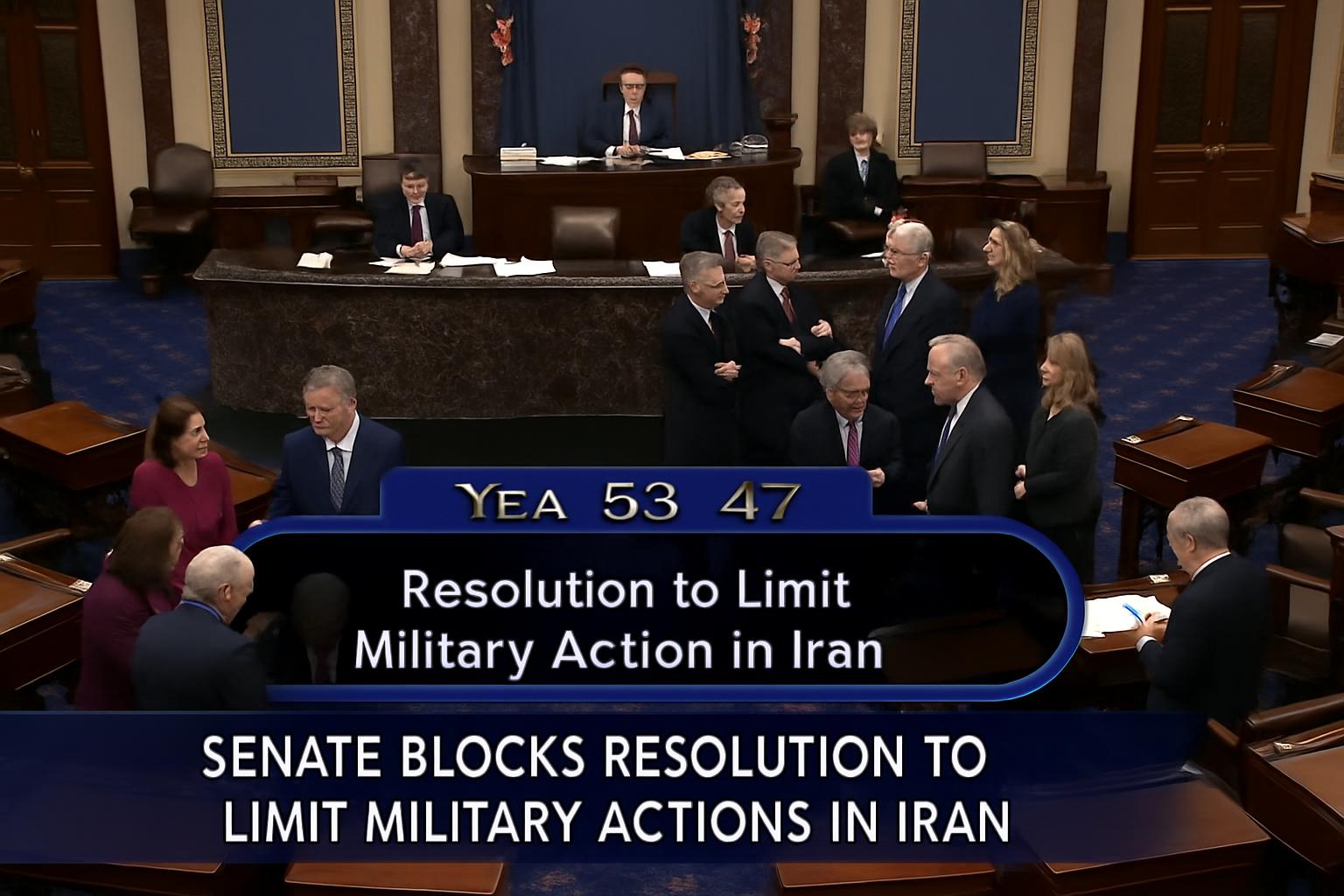
Senate Blocks Resolution to Limit Trump's Military Actions in Iran
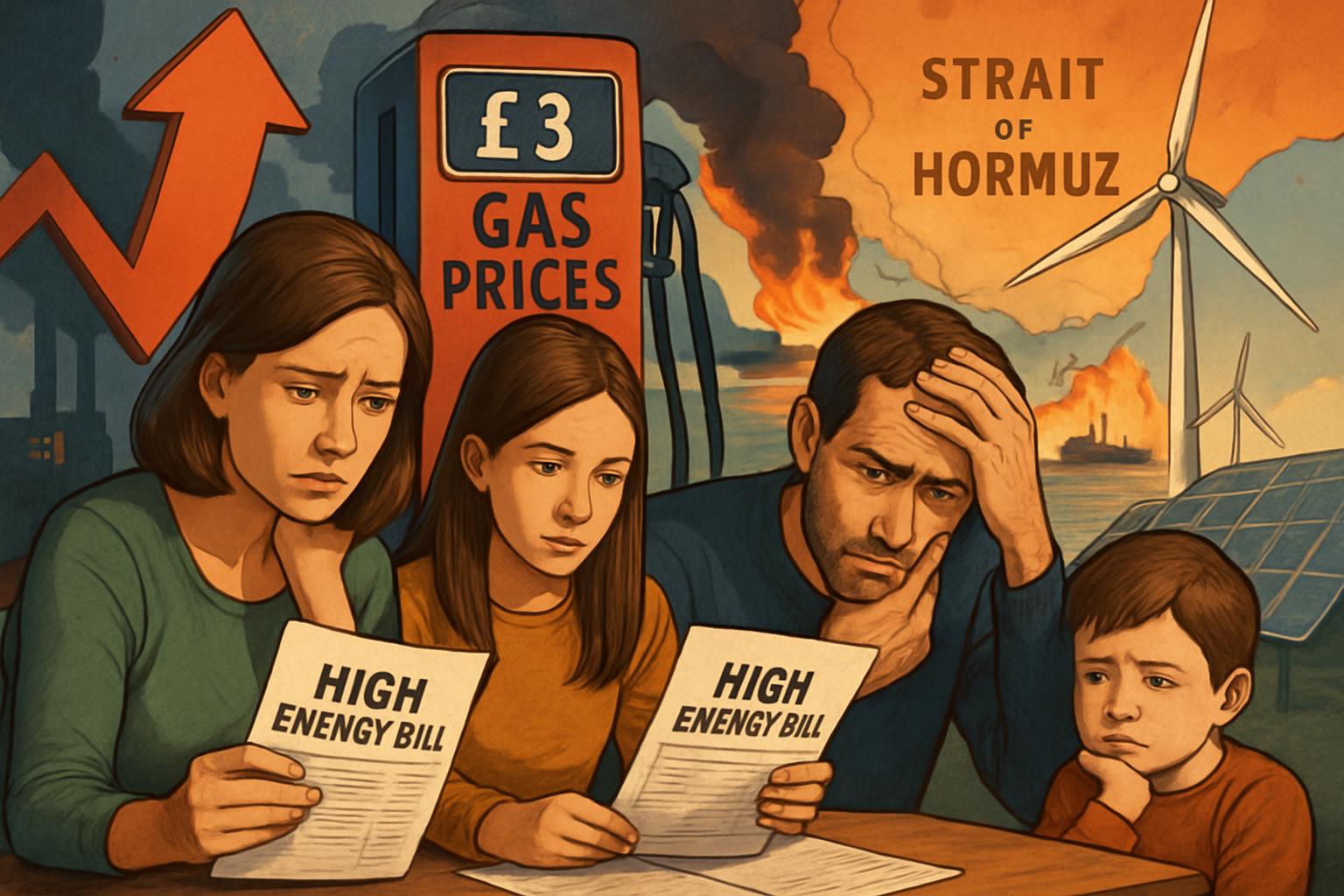
Middle East Conflict Drives UK Energy Prices to New Highs
Iran Postpones Khamenei Funeral Amid Escalating US-Israeli Strikes
In This Article
 Ethan Brooks| Published
 HIGHLIGHTS
- Iran postponed Ayatollah Ali Khamenei's funeral amid ongoing US-Israeli military strikes.
- The Iranian navy frigate Iris Dena was sunk by a US submarine, with 80 bodies recovered and 32 rescued.
- Israel threatened to assassinate any successor to Khamenei, escalating tensions further.
- The Strait of Hormuz remains closed, jeopardizing India's energy security due to halted oil shipments.
- Protests erupted in Iran, with both supporters and opponents of the regime taking to the streets.
Iran has delayed the funeral of its late Supreme Leader, Ayatollah Ali Khamenei, as the country grapples with intense military strikes from US and Israeli forces. Originally scheduled to begin on Wednesday night, the ceremony was postponed due to overwhelming public interest and the need for adequate infrastructure, according to Seyyed Mohsen Mahmoudi of Tehran's Islamic Propaganda Co-ordination Council.
Military Tensions and Naval Incident
The conflict has intensified with the sinking of the Iranian navy frigate Iris Dena by a US submarine in the Indian Ocean. US Secretary of Defence Pete Hegseth confirmed the incident, stating that the frigate was targeted while in international waters. Sri Lankan authorities have recovered 80 bodies and rescued 32 crew members, with dozens still missing.
Political Ramifications and Threats
The death of Khamenei, who was killed in the initial wave of strikes alongside his family and top officials, has left a leadership vacuum. Israel's Defence Minister, Israel Katz, has openly threatened to assassinate any successor chosen by Iran, further escalating the already volatile situation. This threat underscores the ongoing Iran-Israel conflict and its potential to destabilize the region further.
Impact on Global Energy Security
The closure of the Strait of Hormuz, a critical oil shipping route, has raised alarms over global energy security. India, heavily reliant on Middle Eastern oil, faces a precarious situation with its energy reserves dwindling. The blockade has halted oil traffic, prompting concerns about rising crude prices and potential shifts in India's energy sourcing strategies.
Public Reaction and Protests
In Iran, the public response has been polarized. State media showcased protests against US and Israeli actions, while social media captured celebrations by regime opponents. The internal divide highlights the complex socio-political landscape in Iran following Khamenei's assassination.
WHAT THIS MIGHT MEAN
The postponement of Ayatollah Khamenei's funeral and the ongoing military strikes could lead to further instability in the Middle East. The potential for escalated conflict remains high, especially with Israel's threats against Khamenei's successor. This situation could prompt international diplomatic interventions to prevent a broader regional war.
The closure of the Strait of Hormuz poses significant risks to global oil markets, particularly for countries like India that depend heavily on Middle Eastern oil. If the blockade persists, it could force nations to seek alternative energy sources, potentially reshaping global energy alliances.
As the situation unfolds, the international community will closely monitor Iran's response and the potential for further retaliatory actions, which could have far-reaching implications for regional and global stability.
Related Articles
Intensified US-Israel Strikes on Iran Spark Global Outcry
US and Israel Intensify Military Campaign as Iran's Capabilities Dwindle
Canada Calls for De-escalation Amid US-Israel Strikes on Iran
UK Faces Dilemmas Amid Iran Conflict and China Spying Allegations
Senate Blocks Resolution to Limit Trump's Military Actions in Iran
Middle East Conflict Drives UK Energy Prices to New Highs