
US-Iran Tensions Escalate Amid Renewed Nuclear Talks and Protests
In This Article
HIGHLIGHTS
- US President Donald Trump is questioning Iran's resistance amid increased US military presence in the Middle East.
- Iran and the US are set to continue nuclear talks in Geneva, with both sides expressing cautious optimism for a diplomatic resolution.
- Anti-government protests have erupted in Iran, with students clashing with state-backed forces at universities.
- Iran's Foreign Minister Abbas Araghchi remains hopeful for a "win-win" diplomatic solution, despite tensions.
- The US military has deployed significant naval assets to the region, including the USS Gerald R Ford and USS Abraham Lincoln.
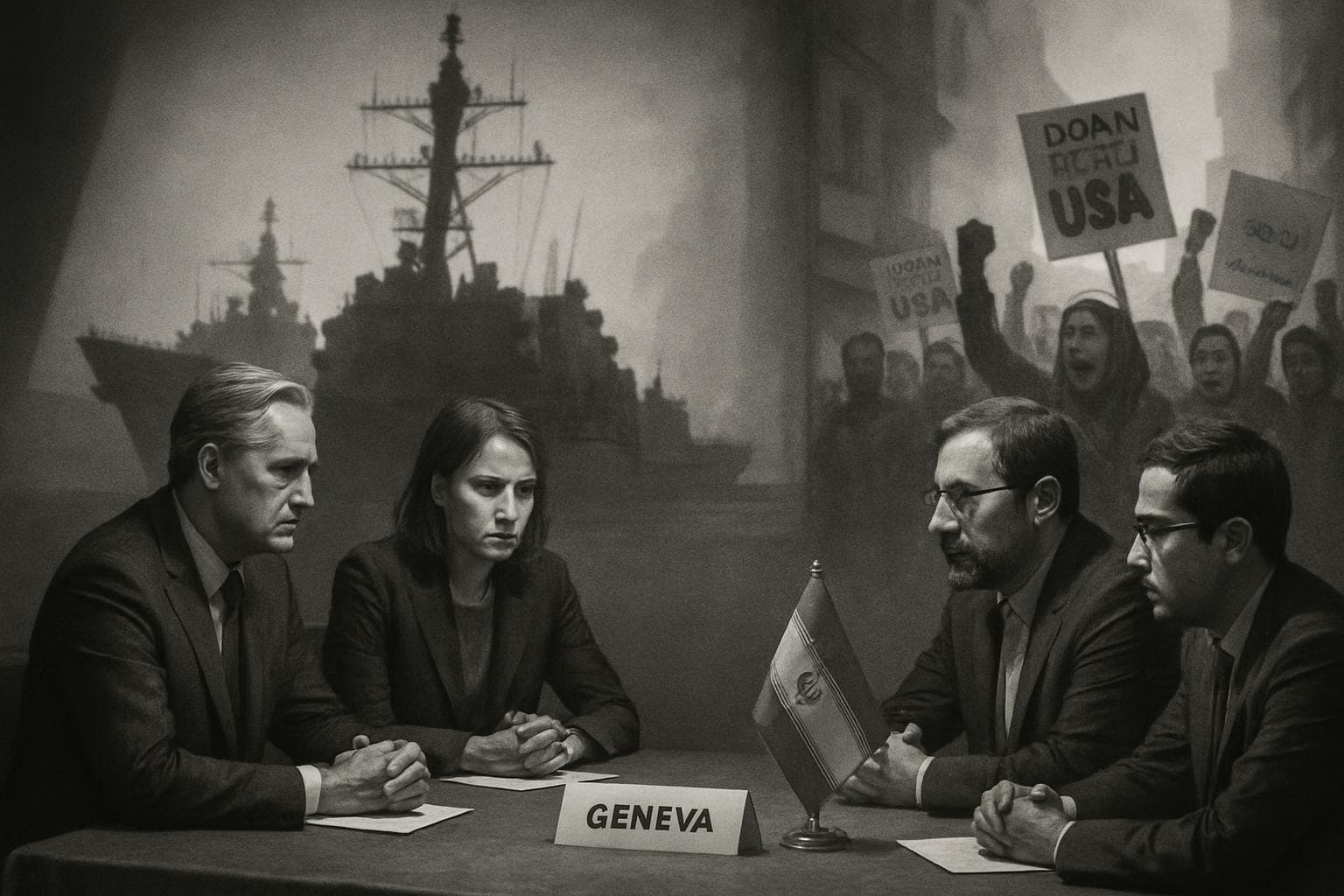
As tensions between the United States and Iran continue to simmer, President Donald Trump has expressed curiosity over Iran's steadfastness in the face of a significant US military buildup in the Middle East. This comes as both nations prepare for another round of nuclear negotiations in Geneva, aiming to address concerns over Iran's nuclear ambitions.
Military Buildup and Diplomatic Efforts
The US has significantly increased its military presence in the region, deploying major naval assets such as the USS Gerald R Ford and USS Abraham Lincoln. Despite this show of force, Trump's special envoy, Steve Witkoff, conveyed the President's puzzlement over Iran's resistance to US pressure. "He's curious as to why they haven't capitulated," Witkoff stated in a Fox News interview, highlighting the ongoing diplomatic stalemate.
Meanwhile, Iran's Foreign Minister Abbas Araghchi remains optimistic about a diplomatic resolution, suggesting that a "win-win" solution is still possible. Negotiators from both countries are expected to meet in Geneva, with hopes of reaching a swift agreement to dilute Iran's uranium stockpile and ensure it is not pursuing nuclear weapons.
Protests and Domestic Unrest in Iran
Within Iran, anti-government protests have reignited, particularly at universities in Tehran and Mashhad. These demonstrations mark the first significant unrest since a deadly crackdown earlier in the year, which resulted in thousands of deaths. Videos from the protests show students clashing with the state-backed Basij militia, underscoring the growing domestic pressure on the Iranian government.
The Iranian government has resisted international scrutiny, refusing to allow a UN-led fact-finding mission to investigate the previous unrest. Instead, it insists on conducting its own internal inquiry, a stance that has drawn criticism from human rights groups.
The Path Forward
As the situation unfolds, the world watches closely to see if the upcoming Geneva talks will yield a breakthrough. Trump's administration has indicated that a decision on military action could be made within the next ten days if diplomatic efforts falter. The outcome of these negotiations could have significant implications for regional stability and US-Iran relations.
WHAT THIS MIGHT MEAN
The upcoming Geneva talks represent a critical juncture for US-Iran relations. Should a diplomatic agreement be reached, it could pave the way for reduced tensions and a more stable Middle East. However, failure to reach a consensus may lead to increased military confrontations, with the US poised to take further action.
Domestically, Iran faces mounting pressure from its citizens, as protests continue to challenge the government's authority. The outcome of the nuclear talks could influence the Iranian public's perception of their leadership, potentially impacting future political dynamics within the country.
Experts suggest that a successful diplomatic resolution would require concessions from both sides, with Iran agreeing to stringent verification measures and the US potentially easing some sanctions. The international community remains hopeful that diplomacy will prevail, averting further conflict in the region.
Related Articles
Intensified US-Israel Strikes on Iran Spark Global Outcry
Senate Blocks Resolution to Limit Trump's Military Actions in Iran
Spain's Sánchez Stands Firm Against Trump's Trade Threat Over Iran Stance

UK-Iran Tensions: Starmer Defends Cautious Approach Amid Trump Criticism
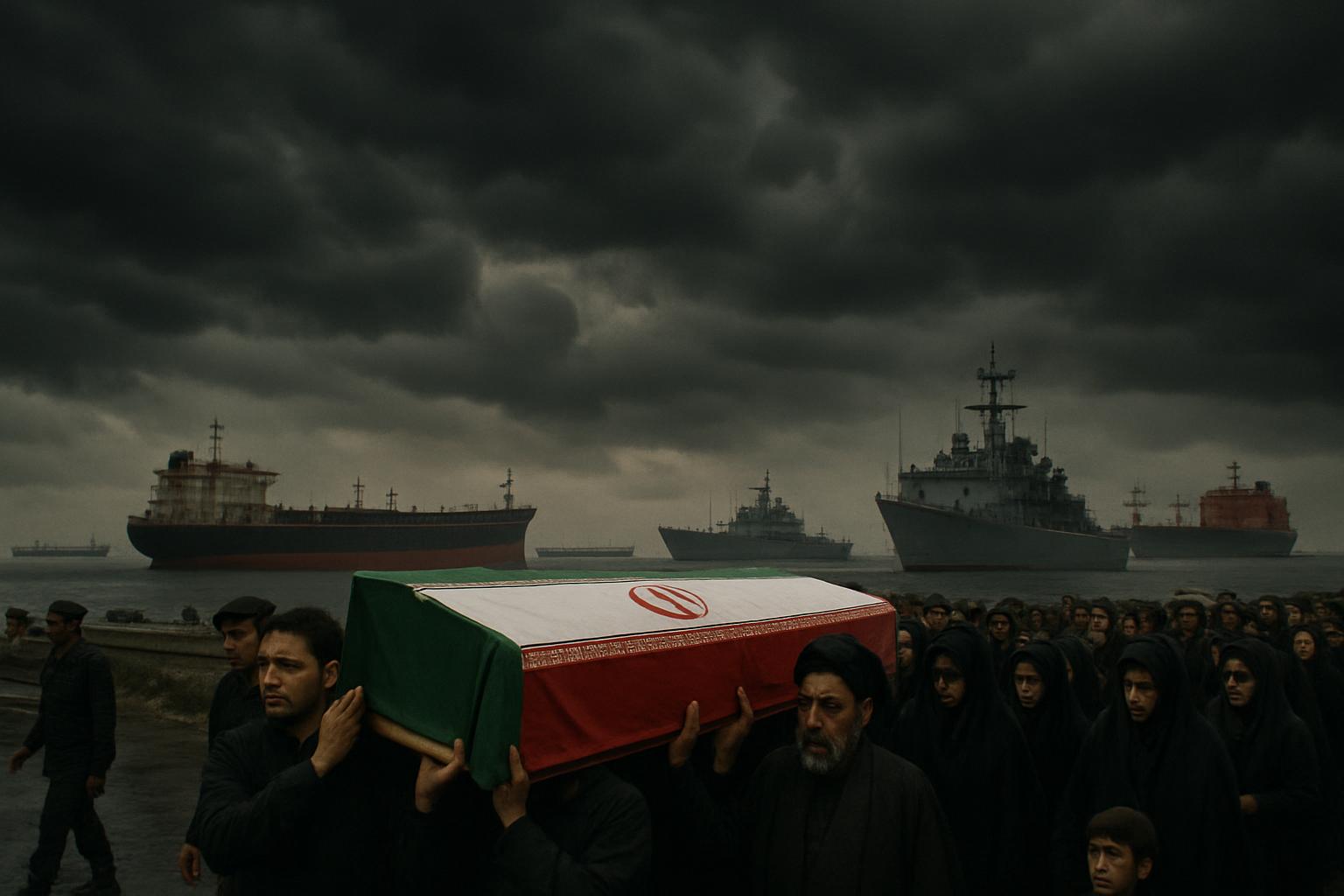
Iran Postpones Khamenei Funeral Amid Escalating US-Israeli Strikes

UK Faces Dilemmas Amid Iran Conflict and China Spying Allegations
US-Iran Tensions Escalate Amid Renewed Nuclear Talks and Protests
In This Article
 Ethan Brooks| Published
 HIGHLIGHTS
- US President Donald Trump is questioning Iran's resistance amid increased US military presence in the Middle East.
- Iran and the US are set to continue nuclear talks in Geneva, with both sides expressing cautious optimism for a diplomatic resolution.
- Anti-government protests have erupted in Iran, with students clashing with state-backed forces at universities.
- Iran's Foreign Minister Abbas Araghchi remains hopeful for a "win-win" diplomatic solution, despite tensions.
- The US military has deployed significant naval assets to the region, including the USS Gerald R Ford and USS Abraham Lincoln.
As tensions between the United States and Iran continue to simmer, President Donald Trump has expressed curiosity over Iran's steadfastness in the face of a significant US military buildup in the Middle East. This comes as both nations prepare for another round of nuclear negotiations in Geneva, aiming to address concerns over Iran's nuclear ambitions.
Military Buildup and Diplomatic Efforts
The US has significantly increased its military presence in the region, deploying major naval assets such as the USS Gerald R Ford and USS Abraham Lincoln. Despite this show of force, Trump's special envoy, Steve Witkoff, conveyed the President's puzzlement over Iran's resistance to US pressure. "He's curious as to why they haven't capitulated," Witkoff stated in a Fox News interview, highlighting the ongoing diplomatic stalemate.
Meanwhile, Iran's Foreign Minister Abbas Araghchi remains optimistic about a diplomatic resolution, suggesting that a "win-win" solution is still possible. Negotiators from both countries are expected to meet in Geneva, with hopes of reaching a swift agreement to dilute Iran's uranium stockpile and ensure it is not pursuing nuclear weapons.
Protests and Domestic Unrest in Iran
Within Iran, anti-government protests have reignited, particularly at universities in Tehran and Mashhad. These demonstrations mark the first significant unrest since a deadly crackdown earlier in the year, which resulted in thousands of deaths. Videos from the protests show students clashing with the state-backed Basij militia, underscoring the growing domestic pressure on the Iranian government.
The Iranian government has resisted international scrutiny, refusing to allow a UN-led fact-finding mission to investigate the previous unrest. Instead, it insists on conducting its own internal inquiry, a stance that has drawn criticism from human rights groups.
The Path Forward
As the situation unfolds, the world watches closely to see if the upcoming Geneva talks will yield a breakthrough. Trump's administration has indicated that a decision on military action could be made within the next ten days if diplomatic efforts falter. The outcome of these negotiations could have significant implications for regional stability and US-Iran relations.
WHAT THIS MIGHT MEAN
The upcoming Geneva talks represent a critical juncture for US-Iran relations. Should a diplomatic agreement be reached, it could pave the way for reduced tensions and a more stable Middle East. However, failure to reach a consensus may lead to increased military confrontations, with the US poised to take further action.
Domestically, Iran faces mounting pressure from its citizens, as protests continue to challenge the government's authority. The outcome of the nuclear talks could influence the Iranian public's perception of their leadership, potentially impacting future political dynamics within the country.
Experts suggest that a successful diplomatic resolution would require concessions from both sides, with Iran agreeing to stringent verification measures and the US potentially easing some sanctions. The international community remains hopeful that diplomacy will prevail, averting further conflict in the region.
Related Articles
Intensified US-Israel Strikes on Iran Spark Global Outcry
Senate Blocks Resolution to Limit Trump's Military Actions in Iran
Spain's Sánchez Stands Firm Against Trump's Trade Threat Over Iran Stance
UK-Iran Tensions: Starmer Defends Cautious Approach Amid Trump Criticism
Iran Postpones Khamenei Funeral Amid Escalating US-Israeli Strikes
UK Faces Dilemmas Amid Iran Conflict and China Spying Allegations