
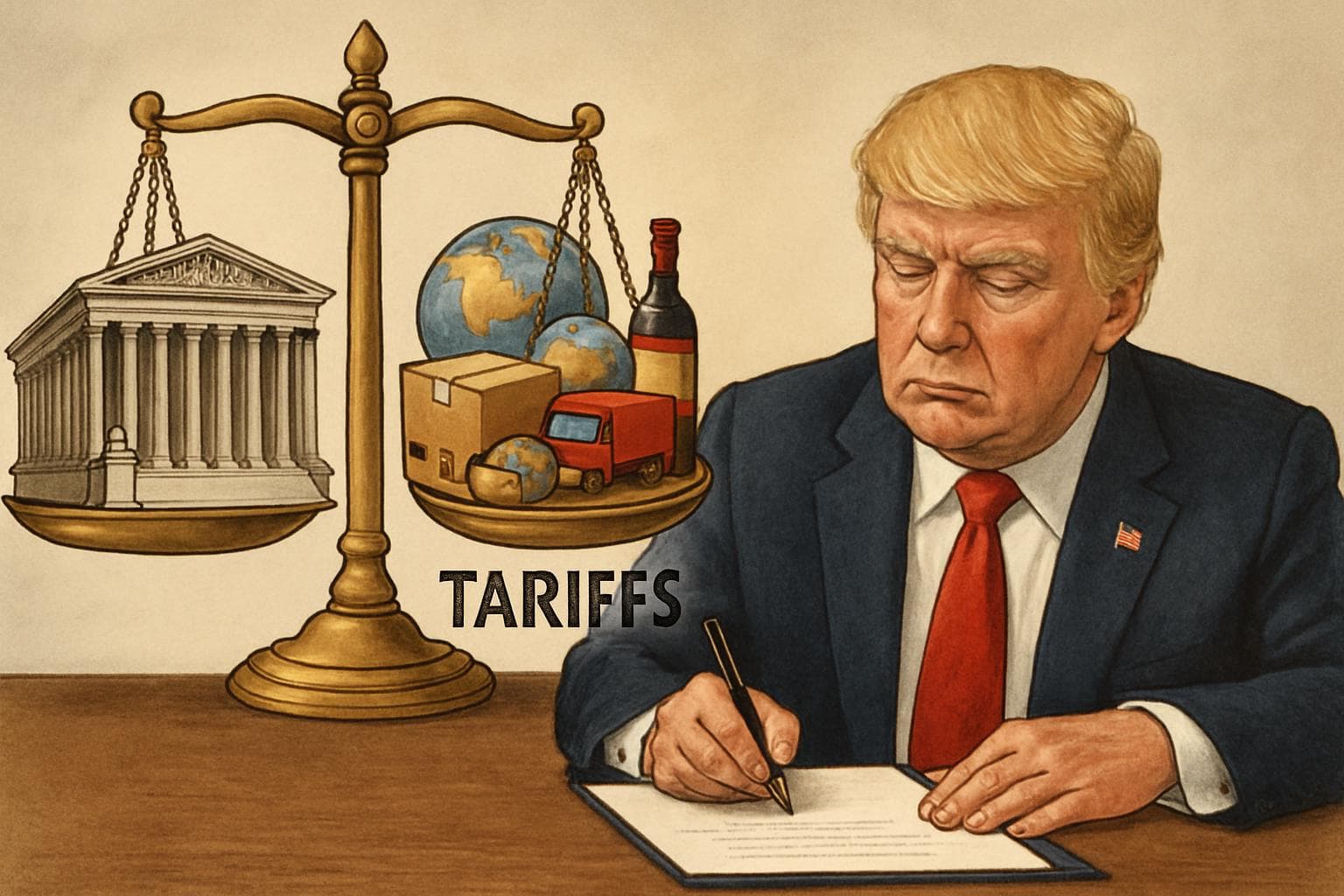
Trump's Tariff Strategy Faces Supreme Court Setback, New Measures Announced
In This Article
HIGHLIGHTS
- The US Supreme Court ruled 6-3 that President Trump overstepped his authority by using the IEEPA to impose global tariffs.
- Trump responded by signing a proclamation for a 10% global tariff under Section 122 of the Trade Act of 1974.
- The new tariff is temporary, lasting up to 150 days, and exempts Canada, Mexico, and certain food products.
- The ruling opens the possibility of refunds for the $130 billion collected under the invalidated tariffs.
- Trump plans further investigations into unfair trade practices to justify additional tariffs.
In a significant legal setback for President Donald Trump, the US Supreme Court has ruled that his administration exceeded its authority by imposing sweeping global tariffs under the International Emergency Economic Powers Act (IEEPA). The 6-3 decision, delivered on February 20, 2025, invalidates tariffs that were part of Trump's aggressive trade strategy aimed at revitalizing American manufacturing.
Supreme Court Decision
The court's ruling emphasized that the IEEPA does not grant the president the power to impose tariffs, a function reserved for Congress. This decision affects tariffs that Trump had enacted on goods from countries including China, Mexico, and Canada, citing emergencies such as fentanyl trafficking. The ruling potentially paves the way for consumers and businesses to seek refunds for the $130 billion collected under these tariffs.
Trump's Immediate Response
Undeterred, President Trump swiftly signed a proclamation to impose a new 10% global tariff under Section 122 of the Trade Act of 1974. This section allows for temporary tariffs to address "fundamental international payments problems" and can last up to 150 days. While the new tariff exempts Canada, Mexico, and certain food products, it reflects Trump's determination to continue his trade war despite legal challenges.
Legal and Economic Implications
The Supreme Court's decision underscores the limitations of presidential power in trade regulation, reaffirming Congress's role in tariff imposition. Trump's use of Section 122, a rarely invoked provision, highlights his administration's resolve to maintain tariff revenues, which reached $240 billion last year. The temporary nature of the new tariff raises questions about its long-term impact on global trade and the US economy.
Future Trade Strategies
President Trump has indicated plans to conduct further investigations into unfair trade practices, potentially leading to additional tariffs. His administration's reliance on alternative legal avenues, such as the Trade Act of 1974, suggests a continued focus on addressing trade imbalances and protecting domestic industries.
WHAT THIS MIGHT MEAN
The Supreme Court's ruling could lead to a complex legal battle over potential refunds for tariffs deemed illegal. Businesses and consumers may seek compensation, adding pressure on the administration. Meanwhile, Trump's new 10% tariff, though temporary, could strain international relations and provoke retaliatory measures from trading partners. As the administration explores further trade actions, the balance between executive power and legislative oversight will remain a critical issue, potentially influencing future trade policies and economic strategies.
Related Articles
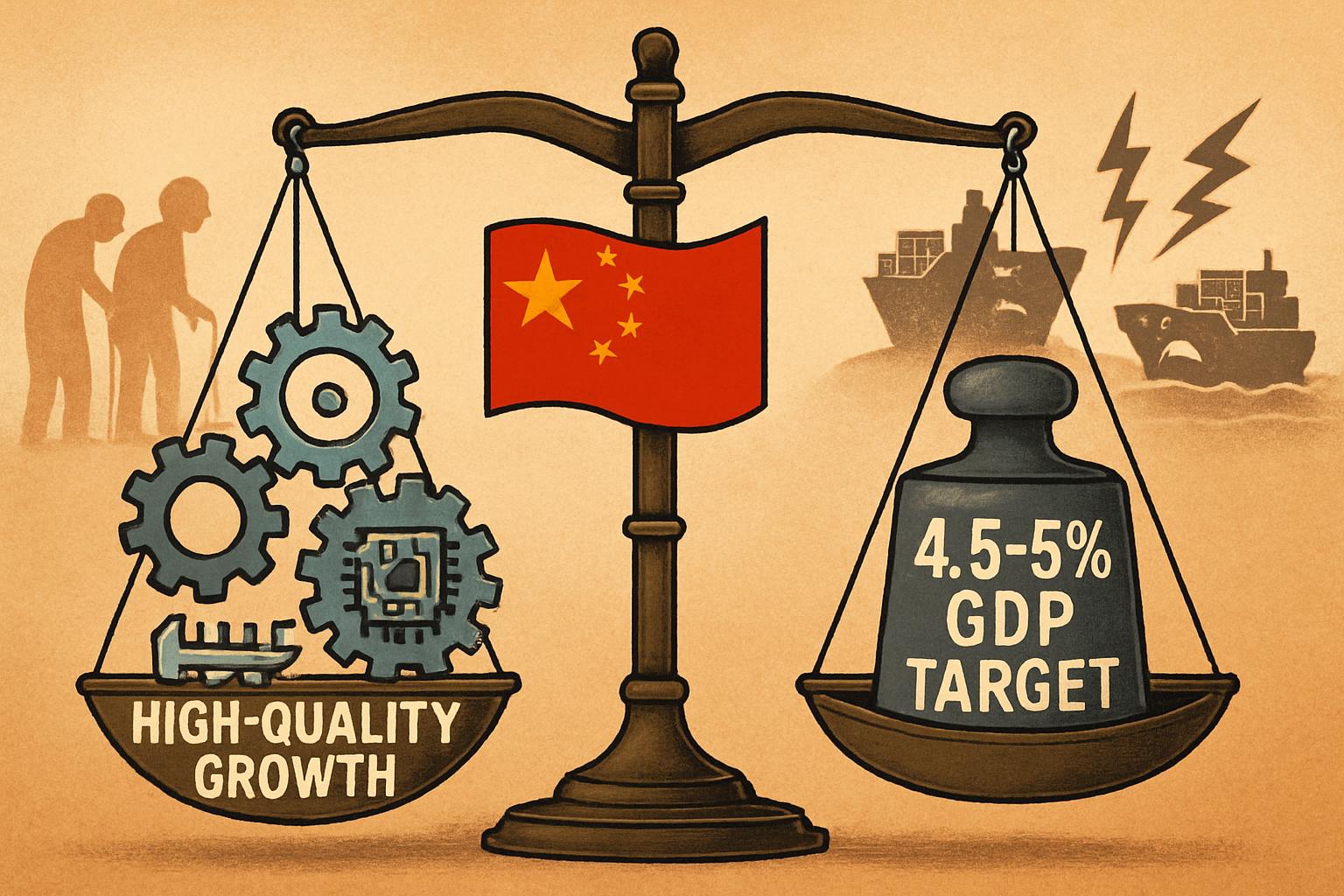
China Sets Lowest GDP Growth Target in Decades Amid Economic Challenges
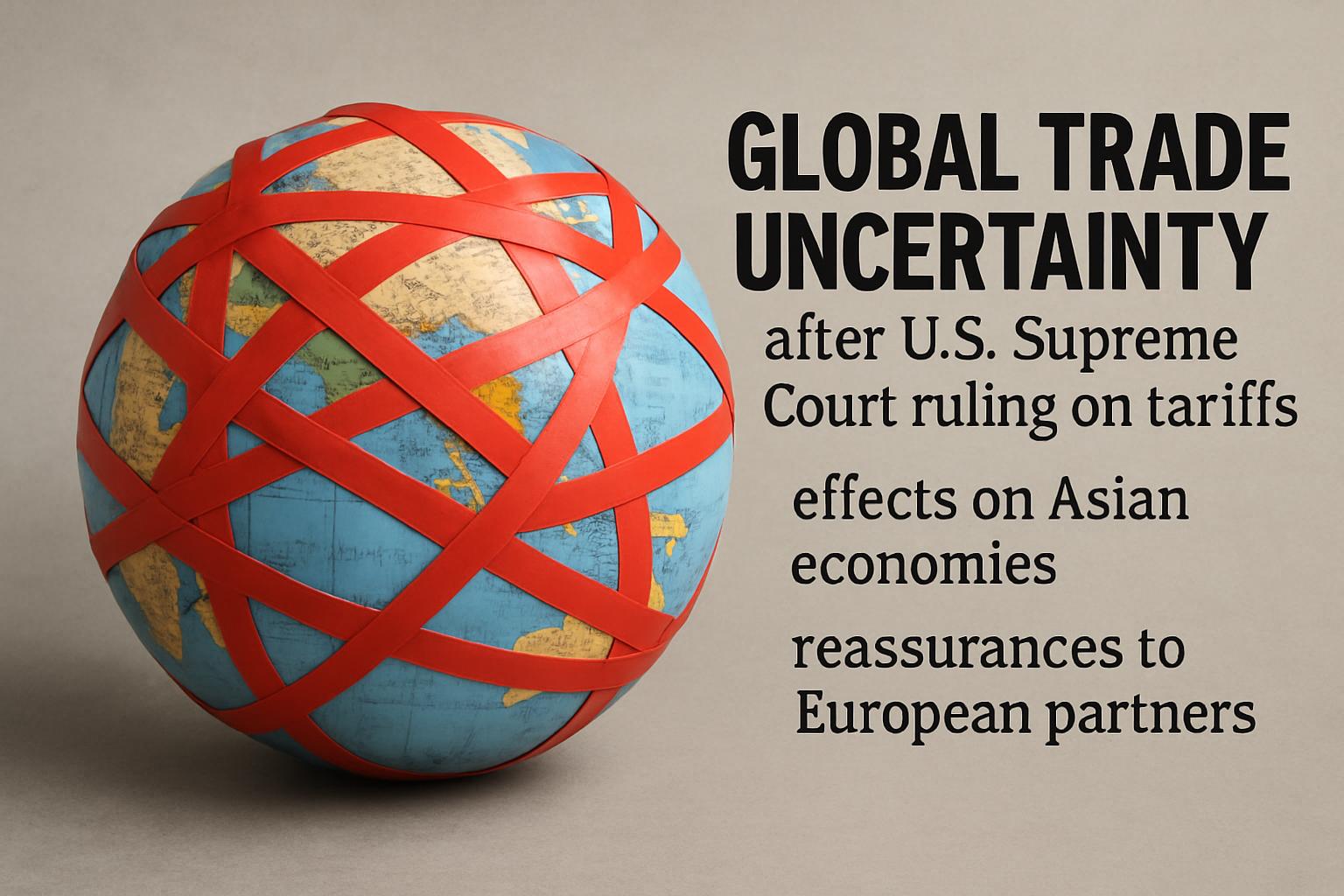
US Supreme Court Ruling Sparks Trade Uncertainty in Asia and Beyond

Tech Giants Pledge to Cover AI Data Center Energy Costs Amid Rising Electricity Concerns

UK Faces Dilemmas Amid Iran Conflict and China Spying Allegations
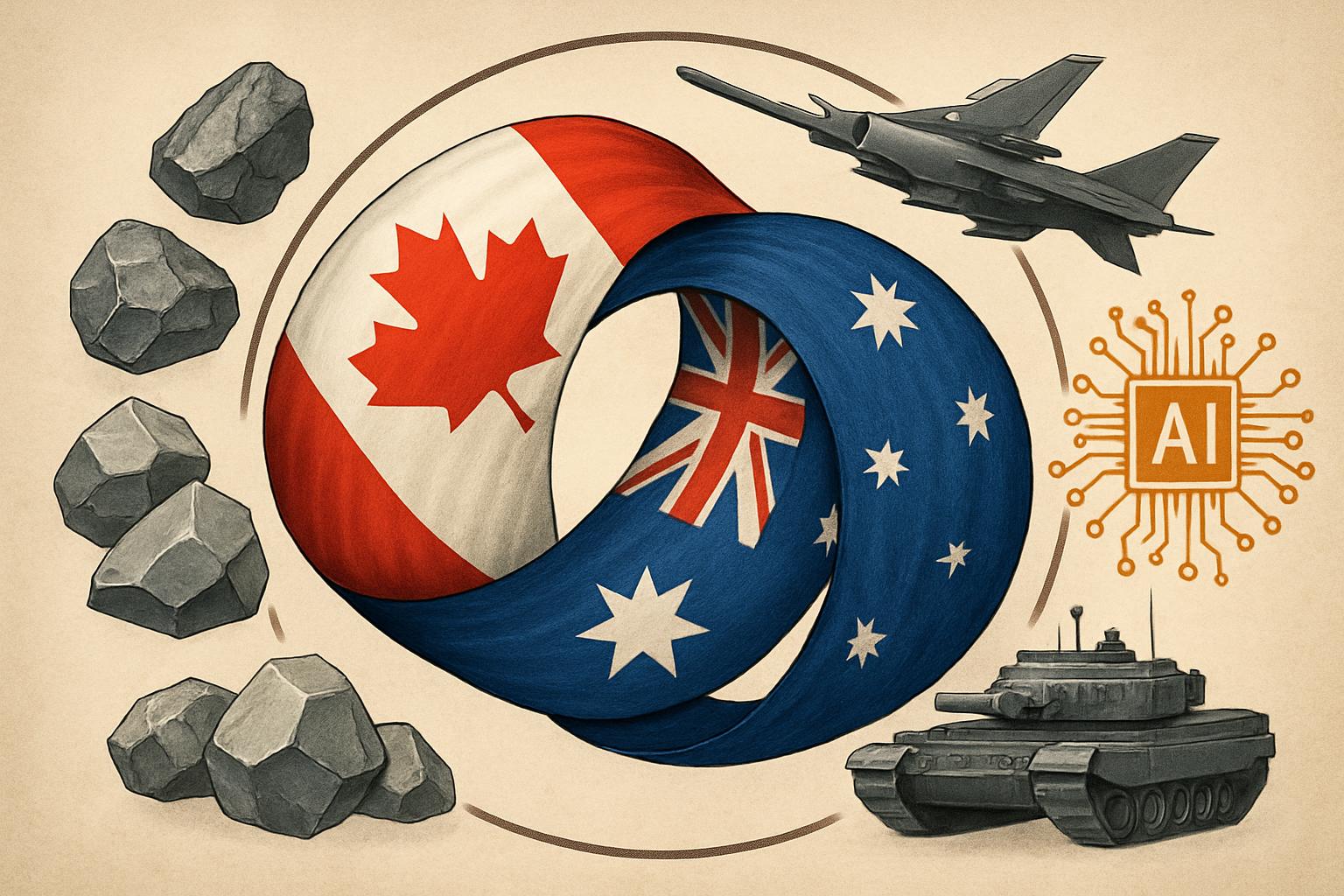
Canada and Australia Forge Strategic Partnership Amid Global Uncertainty
Congress Subpoenas Attorney General Bondi in Epstein Investigation
Trump's Tariff Strategy Faces Supreme Court Setback, New Measures Announced
In This Article
 Daniel Rivera| Published
 HIGHLIGHTS
- The US Supreme Court ruled 6-3 that President Trump overstepped his authority by using the IEEPA to impose global tariffs.
- Trump responded by signing a proclamation for a 10% global tariff under Section 122 of the Trade Act of 1974.
- The new tariff is temporary, lasting up to 150 days, and exempts Canada, Mexico, and certain food products.
- The ruling opens the possibility of refunds for the $130 billion collected under the invalidated tariffs.
- Trump plans further investigations into unfair trade practices to justify additional tariffs.
In a significant legal setback for President Donald Trump, the US Supreme Court has ruled that his administration exceeded its authority by imposing sweeping global tariffs under the International Emergency Economic Powers Act (IEEPA). The 6-3 decision, delivered on February 20, 2025, invalidates tariffs that were part of Trump's aggressive trade strategy aimed at revitalizing American manufacturing.
Supreme Court Decision
The court's ruling emphasized that the IEEPA does not grant the president the power to impose tariffs, a function reserved for Congress. This decision affects tariffs that Trump had enacted on goods from countries including China, Mexico, and Canada, citing emergencies such as fentanyl trafficking. The ruling potentially paves the way for consumers and businesses to seek refunds for the $130 billion collected under these tariffs.
Trump's Immediate Response
Undeterred, President Trump swiftly signed a proclamation to impose a new 10% global tariff under Section 122 of the Trade Act of 1974. This section allows for temporary tariffs to address "fundamental international payments problems" and can last up to 150 days. While the new tariff exempts Canada, Mexico, and certain food products, it reflects Trump's determination to continue his trade war despite legal challenges.
Legal and Economic Implications
The Supreme Court's decision underscores the limitations of presidential power in trade regulation, reaffirming Congress's role in tariff imposition. Trump's use of Section 122, a rarely invoked provision, highlights his administration's resolve to maintain tariff revenues, which reached $240 billion last year. The temporary nature of the new tariff raises questions about its long-term impact on global trade and the US economy.
Future Trade Strategies
President Trump has indicated plans to conduct further investigations into unfair trade practices, potentially leading to additional tariffs. His administration's reliance on alternative legal avenues, such as the Trade Act of 1974, suggests a continued focus on addressing trade imbalances and protecting domestic industries.
WHAT THIS MIGHT MEAN
The Supreme Court's ruling could lead to a complex legal battle over potential refunds for tariffs deemed illegal. Businesses and consumers may seek compensation, adding pressure on the administration. Meanwhile, Trump's new 10% tariff, though temporary, could strain international relations and provoke retaliatory measures from trading partners. As the administration explores further trade actions, the balance between executive power and legislative oversight will remain a critical issue, potentially influencing future trade policies and economic strategies.
Related Articles
China Sets Lowest GDP Growth Target in Decades Amid Economic Challenges
US Supreme Court Ruling Sparks Trade Uncertainty in Asia and Beyond
Tech Giants Pledge to Cover AI Data Center Energy Costs Amid Rising Electricity Concerns
UK Faces Dilemmas Amid Iran Conflict and China Spying Allegations
Canada and Australia Forge Strategic Partnership Amid Global Uncertainty
Congress Subpoenas Attorney General Bondi in Epstein Investigation