
Trump's Board of Peace Pledges $7 Billion for Gaza Amidst International Skepticism
In This Article
HIGHLIGHTS
- Donald Trump's Board of Peace has announced a $7 billion relief package for Gaza, with contributions from several countries, amid skepticism from key Western allies.
- The initiative aims to disarm Hamas and reconstruct Gaza, but faces challenges as Hamas shows no signs of disarming and the region remains unstable.
- Major European allies and the Vatican have declined to join the Board, citing concerns over its mandate and potential to sideline the United Nations.
- The US proposes a multinational peacekeeping force in Gaza, with plans to deploy 20,000 soldiers and 12,000 police, contingent on Hamas disarmament.
- The Board's ambitious plans include transforming Gaza into a "Mediterranean Riviera," but face hurdles due to political complexities and lack of clear direction.
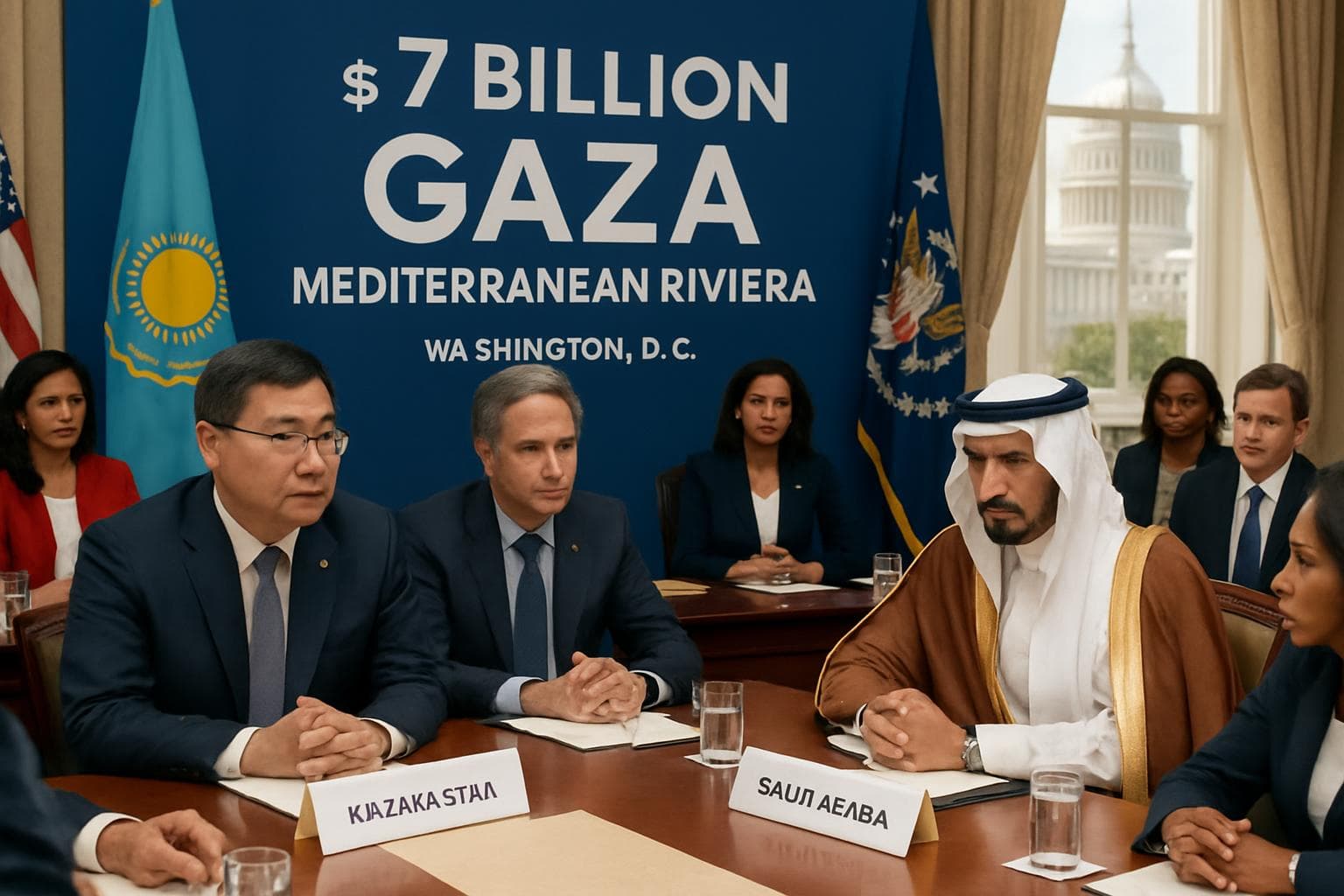
In a bold move to address the ongoing humanitarian crisis in Gaza, Donald Trump's newly formed Board of Peace has announced a $7 billion relief package aimed at reconstructing the war-torn region. The announcement came during the Board's inaugural meeting in Washington, D.C., where representatives from several countries gathered to discuss the initiative. However, the absence of key Western allies, including the UK, Canada, France, and Germany, has cast a shadow over the proceedings.
International Contributions and Skepticism
The relief package, which includes contributions from countries such as Kazakhstan, Azerbaijan, the UAE, and Saudi Arabia, is part of a broader plan to disarm Hamas and rebuild Gaza. Despite these efforts, skepticism remains high, particularly among European nations and the Vatican, who have declined to join the Board. Critics argue that the initiative could undermine the United Nations and lacks a clear political mandate.
Challenges in Disarmament and Reconstruction
The Board's ambitious goals include the disarmament of Hamas, a militant group that continues to exert control over Gaza. Israeli Prime Minister Benjamin Netanyahu has stated that reconstruction efforts will not proceed without demilitarization. However, with Hamas showing no signs of disarming, the path to peace remains fraught with challenges. The US has proposed deploying a multinational peacekeeping force, but its success hinges on cooperation from all parties involved.
Vision for Gaza's Future
Despite the hurdles, the Board envisions a transformed Gaza, with plans to develop the region into a "Mediterranean Riviera." This includes removing debris and unexploded ordnance and constructing hotels along the coastline. Yet, the realization of this vision depends on overcoming significant political and logistical obstacles.
WHAT THIS MIGHT MEAN
The future of Gaza's reconstruction and peace efforts largely depends on the successful disarmament of Hamas and the establishment of a stable governance structure. If the Board of Peace can secure broader international support and effectively coordinate with the United Nations, it may pave the way for lasting peace in the region. However, without clear political solutions and cooperation from key stakeholders, the initiative risks stalling. Experts suggest that a more inclusive approach, involving both regional and global actors, could enhance the prospects for success.
Related Articles
Intensified US-Israel Strikes on Iran Spark Global Outcry

US and Israel Intensify Military Campaign as Iran's Capabilities Dwindle
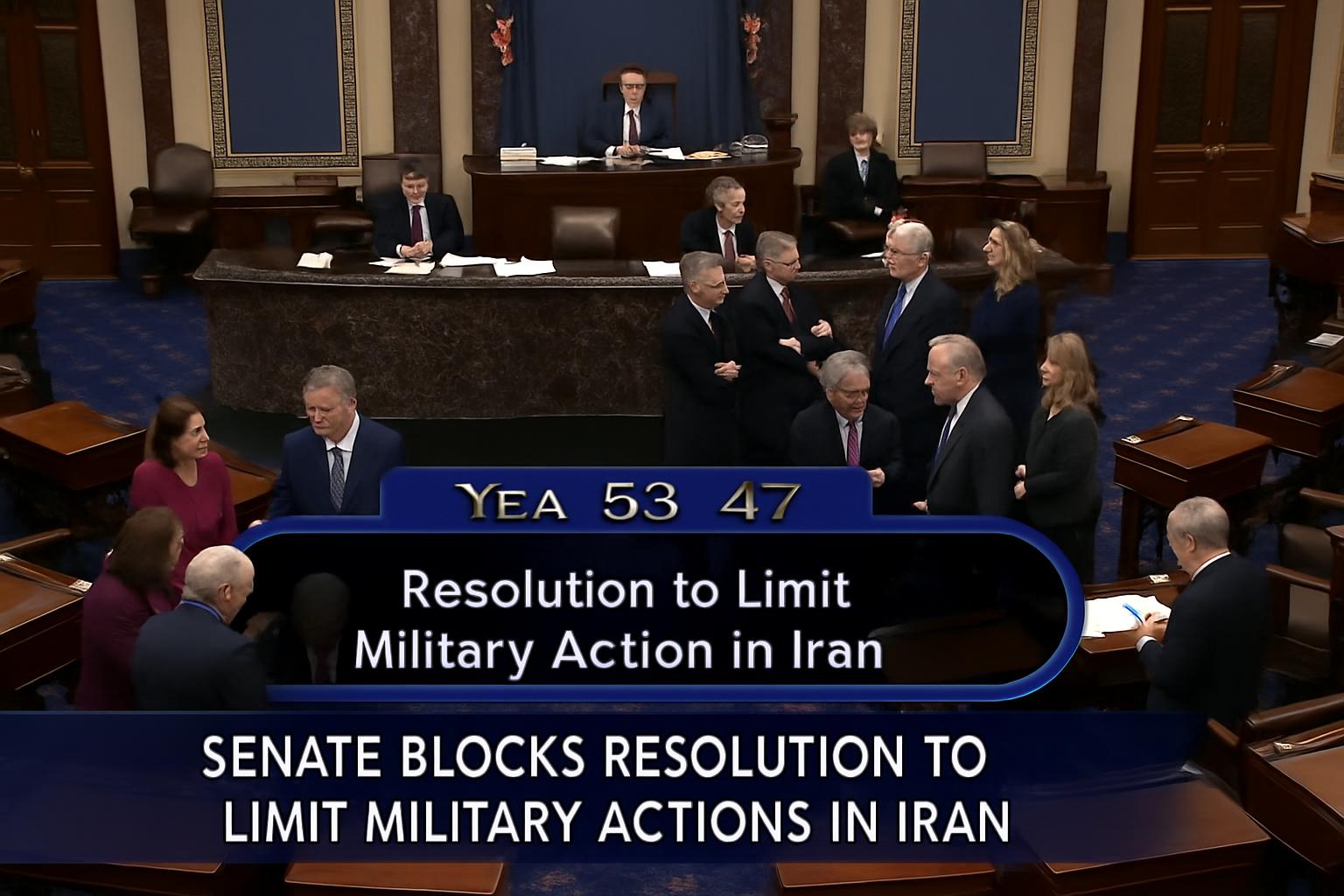
Senate Blocks Resolution to Limit Trump's Military Actions in Iran

UK-Iran Tensions: Starmer Defends Cautious Approach Amid Trump Criticism

Canada and Australia Forge Strategic Partnership Amid Global Uncertainty

Middle East Conflict Drives UK Energy Prices to New Highs
Trump's Board of Peace Pledges $7 Billion for Gaza Amidst International Skepticism
In This Article
 Ethan Brooks| Published
 HIGHLIGHTS
- Donald Trump's Board of Peace has announced a $7 billion relief package for Gaza, with contributions from several countries, amid skepticism from key Western allies.
- The initiative aims to disarm Hamas and reconstruct Gaza, but faces challenges as Hamas shows no signs of disarming and the region remains unstable.
- Major European allies and the Vatican have declined to join the Board, citing concerns over its mandate and potential to sideline the United Nations.
- The US proposes a multinational peacekeeping force in Gaza, with plans to deploy 20,000 soldiers and 12,000 police, contingent on Hamas disarmament.
- The Board's ambitious plans include transforming Gaza into a "Mediterranean Riviera," but face hurdles due to political complexities and lack of clear direction.
In a bold move to address the ongoing humanitarian crisis in Gaza, Donald Trump's newly formed Board of Peace has announced a $7 billion relief package aimed at reconstructing the war-torn region. The announcement came during the Board's inaugural meeting in Washington, D.C., where representatives from several countries gathered to discuss the initiative. However, the absence of key Western allies, including the UK, Canada, France, and Germany, has cast a shadow over the proceedings.
International Contributions and Skepticism
The relief package, which includes contributions from countries such as Kazakhstan, Azerbaijan, the UAE, and Saudi Arabia, is part of a broader plan to disarm Hamas and rebuild Gaza. Despite these efforts, skepticism remains high, particularly among European nations and the Vatican, who have declined to join the Board. Critics argue that the initiative could undermine the United Nations and lacks a clear political mandate.
Challenges in Disarmament and Reconstruction
The Board's ambitious goals include the disarmament of Hamas, a militant group that continues to exert control over Gaza. Israeli Prime Minister Benjamin Netanyahu has stated that reconstruction efforts will not proceed without demilitarization. However, with Hamas showing no signs of disarming, the path to peace remains fraught with challenges. The US has proposed deploying a multinational peacekeeping force, but its success hinges on cooperation from all parties involved.
Vision for Gaza's Future
Despite the hurdles, the Board envisions a transformed Gaza, with plans to develop the region into a "Mediterranean Riviera." This includes removing debris and unexploded ordnance and constructing hotels along the coastline. Yet, the realization of this vision depends on overcoming significant political and logistical obstacles.
WHAT THIS MIGHT MEAN
The future of Gaza's reconstruction and peace efforts largely depends on the successful disarmament of Hamas and the establishment of a stable governance structure. If the Board of Peace can secure broader international support and effectively coordinate with the United Nations, it may pave the way for lasting peace in the region. However, without clear political solutions and cooperation from key stakeholders, the initiative risks stalling. Experts suggest that a more inclusive approach, involving both regional and global actors, could enhance the prospects for success.
Related Articles
Intensified US-Israel Strikes on Iran Spark Global Outcry
US and Israel Intensify Military Campaign as Iran's Capabilities Dwindle
Senate Blocks Resolution to Limit Trump's Military Actions in Iran
UK-Iran Tensions: Starmer Defends Cautious Approach Amid Trump Criticism
Canada and Australia Forge Strategic Partnership Amid Global Uncertainty
Middle East Conflict Drives UK Energy Prices to New Highs