
Rising Tensions: Trump's Dual Approach to Iran's Nuclear Challenge
In This Article
HIGHLIGHTS
- President Trump has intensified military presence in the Middle East, raising concerns about potential conflict with Iran.
- Trump insists on a diplomatic solution to halt Iran's nuclear ambitions, but military action remains a possibility.
- Indirect talks between the US and Iran have stalled, with disagreements over Iran's missile program and regional influence.
- The US plans to establish a military base in Gaza as part of the Board of Peace initiative, despite European allies' skepticism.
- Iran remains open to negotiations but resists pressure to abandon its nuclear enrichment without sanctions relief.
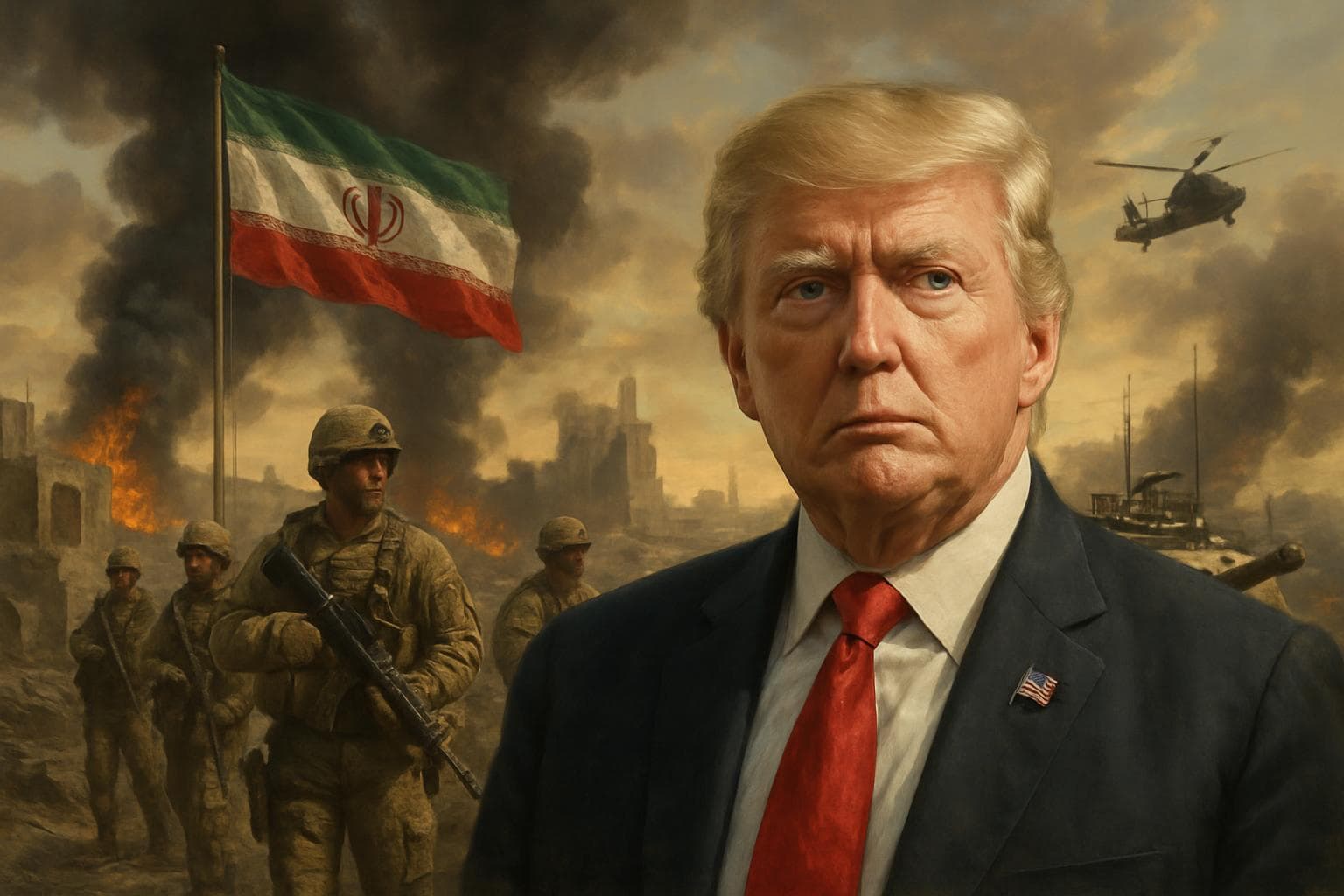
In a complex geopolitical landscape, President Donald Trump faces a critical juncture in his dealings with Iran. As tensions escalate, the US has significantly increased its military presence in the Middle East, a move that underscores the dual nature of Trump's foreign policy—balancing diplomacy with the threat of military action.
Military Buildup and Diplomatic Stalemate
During a recent meeting of the Board of Peace, President Trump reiterated his commitment to preventing Iran from acquiring nuclear weapons. Despite advocating for a diplomatic resolution, Trump's administration has deployed additional military assets to the region, marking the largest buildup since the Iraq War. This move has sparked fears of a potential conflict, reminiscent of the US's past military interventions.
The diplomatic efforts, however, have hit a roadblock. Indirect negotiations between the US and Iran have stalled, primarily due to disagreements over Iran's ballistic missile program and its support for regional proxy groups. While Iran has shown willingness to discuss its uranium enrichment, it demands sanctions relief in return—a condition the US has yet to fully embrace.
Board of Peace and Regional Dynamics
The Trump administration's Board of Peace initiative aims to stabilize the region, with plans to construct a 5,000-person military base in Gaza. This ambitious project, however, has been met with skepticism from European allies, who question the board's funding and political mandate. The initiative, led by Trump's son-in-law Jared Kushner, seeks to establish an International Stabilization Force to govern Gaza, yet its long-term impact remains uncertain.
Iran's Diplomatic Maneuvering
Iran's diplomatic corps has been actively engaging with international bodies, including the International Atomic Energy Agency (IAEA), to discuss nuclear site inspections and uranium stockpile management. Despite the pressure, Iran maintains its stance against negotiating under duress, emphasizing the complexity of reaching a comprehensive agreement.
WHAT THIS MIGHT MEAN
As the situation unfolds, the potential for military conflict looms large. Experts suggest that a US-led strike could provoke a significant Iranian response, potentially destabilizing the region further. The outcome of the ongoing negotiations will likely hinge on both sides' willingness to compromise on key issues, such as sanctions relief and missile program limitations.
Politically, Trump's approach may influence his standing domestically and internationally, as allies and adversaries alike watch closely. The coming weeks will be pivotal in determining whether diplomacy can prevail over military confrontation, shaping the future of US-Iran relations and the broader Middle East landscape.
Related Articles
Spain's Sánchez Stands Firm Against Trump's Trade Threat Over Iran Stance

Senate Blocks Resolution to Limit Trump's Military Actions in Iran
Intensified US-Israel Strikes on Iran Spark Global Outcry
UK-Iran Tensions: Starmer Defends Cautious Approach Amid Trump Criticism
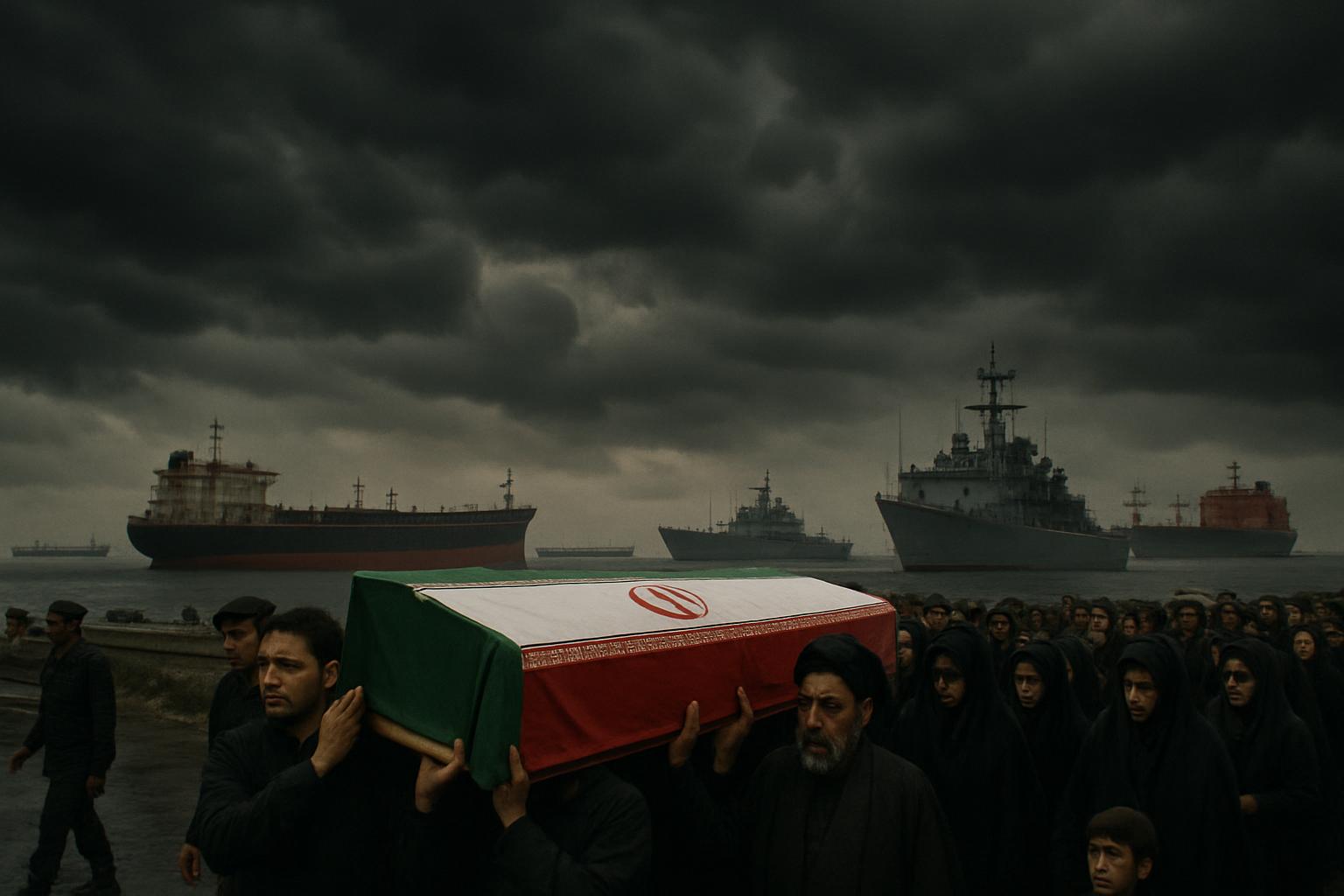
Iran Postpones Khamenei Funeral Amid Escalating US-Israeli Strikes

UK Faces Dilemmas Amid Iran Conflict and China Spying Allegations
Rising Tensions: Trump's Dual Approach to Iran's Nuclear Challenge
In This Article
 Ethan Brooks| Published
 HIGHLIGHTS
- President Trump has intensified military presence in the Middle East, raising concerns about potential conflict with Iran.
- Trump insists on a diplomatic solution to halt Iran's nuclear ambitions, but military action remains a possibility.
- Indirect talks between the US and Iran have stalled, with disagreements over Iran's missile program and regional influence.
- The US plans to establish a military base in Gaza as part of the Board of Peace initiative, despite European allies' skepticism.
- Iran remains open to negotiations but resists pressure to abandon its nuclear enrichment without sanctions relief.
In a complex geopolitical landscape, President Donald Trump faces a critical juncture in his dealings with Iran. As tensions escalate, the US has significantly increased its military presence in the Middle East, a move that underscores the dual nature of Trump's foreign policy—balancing diplomacy with the threat of military action.
Military Buildup and Diplomatic Stalemate
During a recent meeting of the Board of Peace, President Trump reiterated his commitment to preventing Iran from acquiring nuclear weapons. Despite advocating for a diplomatic resolution, Trump's administration has deployed additional military assets to the region, marking the largest buildup since the Iraq War. This move has sparked fears of a potential conflict, reminiscent of the US's past military interventions.
The diplomatic efforts, however, have hit a roadblock. Indirect negotiations between the US and Iran have stalled, primarily due to disagreements over Iran's ballistic missile program and its support for regional proxy groups. While Iran has shown willingness to discuss its uranium enrichment, it demands sanctions relief in return—a condition the US has yet to fully embrace.
Board of Peace and Regional Dynamics
The Trump administration's Board of Peace initiative aims to stabilize the region, with plans to construct a 5,000-person military base in Gaza. This ambitious project, however, has been met with skepticism from European allies, who question the board's funding and political mandate. The initiative, led by Trump's son-in-law Jared Kushner, seeks to establish an International Stabilization Force to govern Gaza, yet its long-term impact remains uncertain.
Iran's Diplomatic Maneuvering
Iran's diplomatic corps has been actively engaging with international bodies, including the International Atomic Energy Agency (IAEA), to discuss nuclear site inspections and uranium stockpile management. Despite the pressure, Iran maintains its stance against negotiating under duress, emphasizing the complexity of reaching a comprehensive agreement.
WHAT THIS MIGHT MEAN
As the situation unfolds, the potential for military conflict looms large. Experts suggest that a US-led strike could provoke a significant Iranian response, potentially destabilizing the region further. The outcome of the ongoing negotiations will likely hinge on both sides' willingness to compromise on key issues, such as sanctions relief and missile program limitations.
Politically, Trump's approach may influence his standing domestically and internationally, as allies and adversaries alike watch closely. The coming weeks will be pivotal in determining whether diplomacy can prevail over military confrontation, shaping the future of US-Iran relations and the broader Middle East landscape.
Related Articles
Spain's Sánchez Stands Firm Against Trump's Trade Threat Over Iran Stance
Senate Blocks Resolution to Limit Trump's Military Actions in Iran
Intensified US-Israel Strikes on Iran Spark Global Outcry
UK-Iran Tensions: Starmer Defends Cautious Approach Amid Trump Criticism
Iran Postpones Khamenei Funeral Amid Escalating US-Israeli Strikes
UK Faces Dilemmas Amid Iran Conflict and China Spying Allegations