
US-Iran Tensions Escalate Amid Military Buildup and Diplomatic Deadlock
In This Article
HIGHLIGHTS
- The US has increased its military presence in the Middle East, deploying two aircraft carrier strike groups near Iranian waters.
- President Trump has given a 10-day timeline to determine if a nuclear deal with Iran can be reached, warning of potential military action.
- Iran has reinforced its military facilities and warned that US bases could be legitimate targets if aggression occurs.
- Diplomatic talks between US envoys and Iranian officials have taken place, with Iran expected to respond to US demands within two weeks.
- The situation remains tense, with both sides preparing for possible confrontation while diplomatic efforts continue.
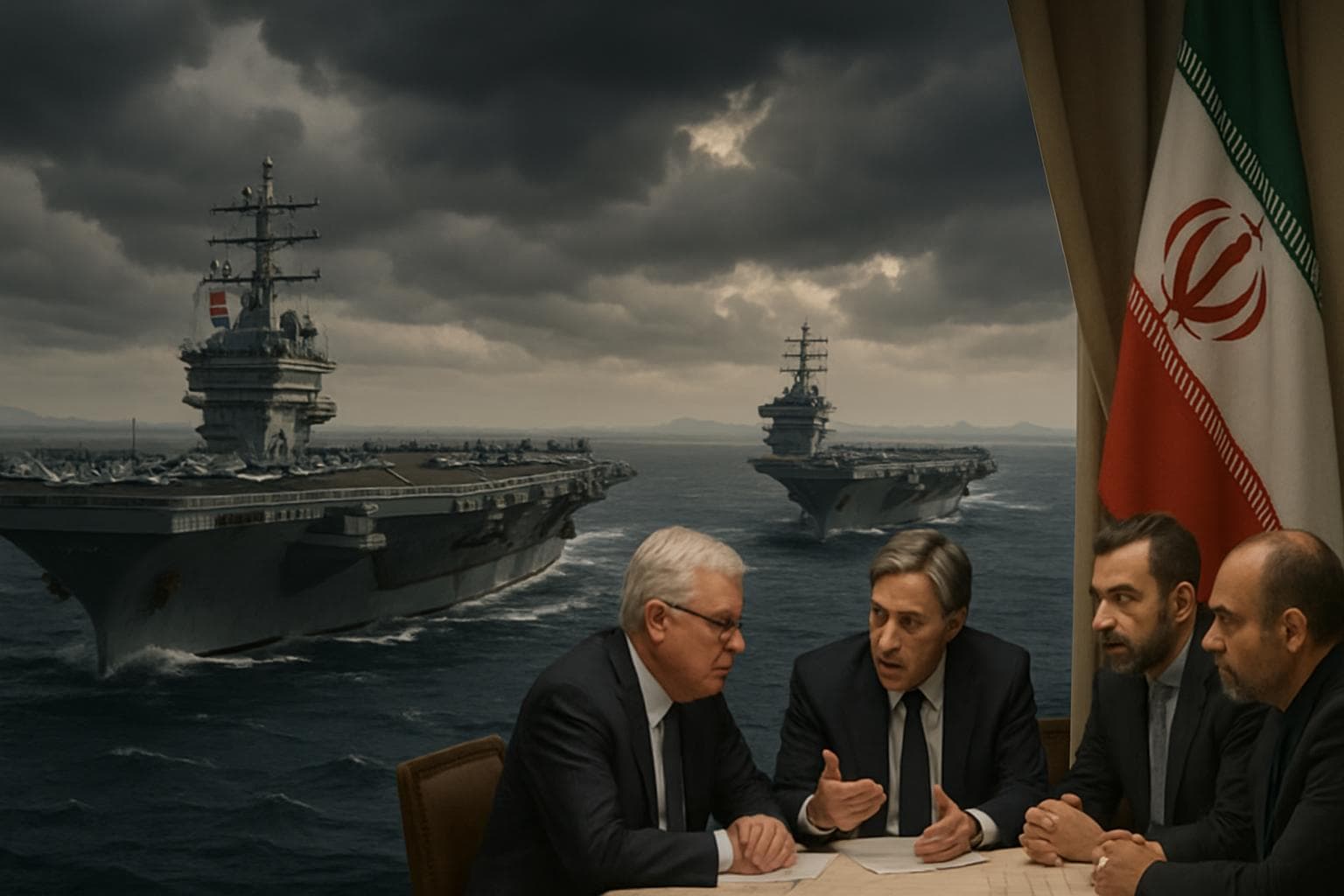
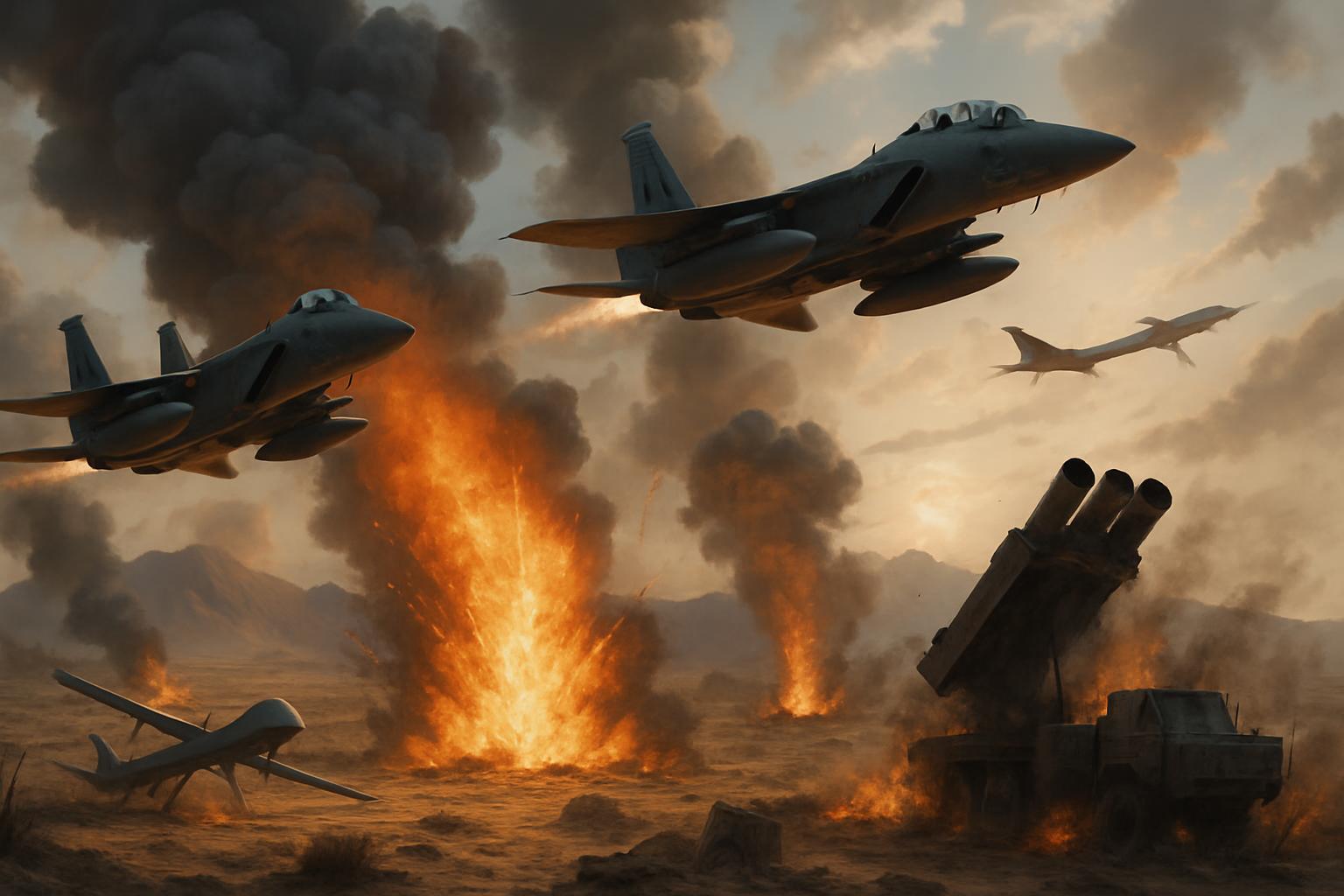
The United States has significantly bolstered its military presence in the Middle East, deploying two aircraft carrier strike groups near Iranian waters as tensions with Tehran continue to rise. The USS Abraham Lincoln and the USS Gerald R Ford are now positioned strategically, signaling a potential shift from diplomatic signaling to preparation for possible military action.
Military Buildup and Diplomatic Stalemate
President Donald Trump has set a 10-day deadline to determine whether a nuclear deal with Iran can be achieved, cautioning that failure to reach an agreement could lead to "bad things" happening. This ultimatum comes as US military forces, including advanced aircraft and warships, have been deployed to the region, heightening the stakes in the ongoing standoff.
Despite the military buildup, diplomatic efforts are still underway. US envoys Steve Witkoff and Jared Kushner recently met with Iranian officials in Geneva to discuss the nuclear enrichment program. Iran has promised to respond to US demands, which include abandoning uranium enrichment, within two weeks.
Tehran's Defiance and Strategic Calculations
Iran, meanwhile, has reinforced its military facilities and issued warnings that US bases in the region could be considered legitimate targets if aggression occurs. Supreme Leader Ayatollah Ali Khamenei has publicly criticized the US military presence, emphasizing Iran's readiness to defend its interests.
From Tehran's perspective, the US demands are seen as tantamount to surrender, threatening the core of Iran's security architecture. The Iranian leadership views its nuclear and missile programs as essential deterrents, and any rollback could be perceived as more dangerous than a limited military confrontation.
Potential Consequences and Global Implications
The situation remains precarious, with both sides preparing for possible confrontation while diplomatic channels remain open. Experts warn that any military conflict could have far-reaching consequences, destabilizing the region and impacting global security.
WHAT THIS MIGHT MEAN
As the 10-day deadline approaches, the world watches closely to see if a diplomatic breakthrough can be achieved. If negotiations fail, the US may consider military options, potentially in coordination with regional allies like Israel. Such actions could lead to significant instability in the Middle East, affecting global oil markets and international relations.
On the diplomatic front, continued dialogue could pave the way for a compromise, though it remains uncertain whether both sides are willing to make the necessary concessions. The involvement of international actors, such as the United Nations, could play a crucial role in mediating the conflict and preventing escalation.
Ultimately, the outcome of this tense standoff will depend on the willingness of both the US and Iran to engage in meaningful negotiations and prioritize regional stability over confrontation.
Related Articles

Intensified US-Israel Strikes on Iran Spark Global Outcry
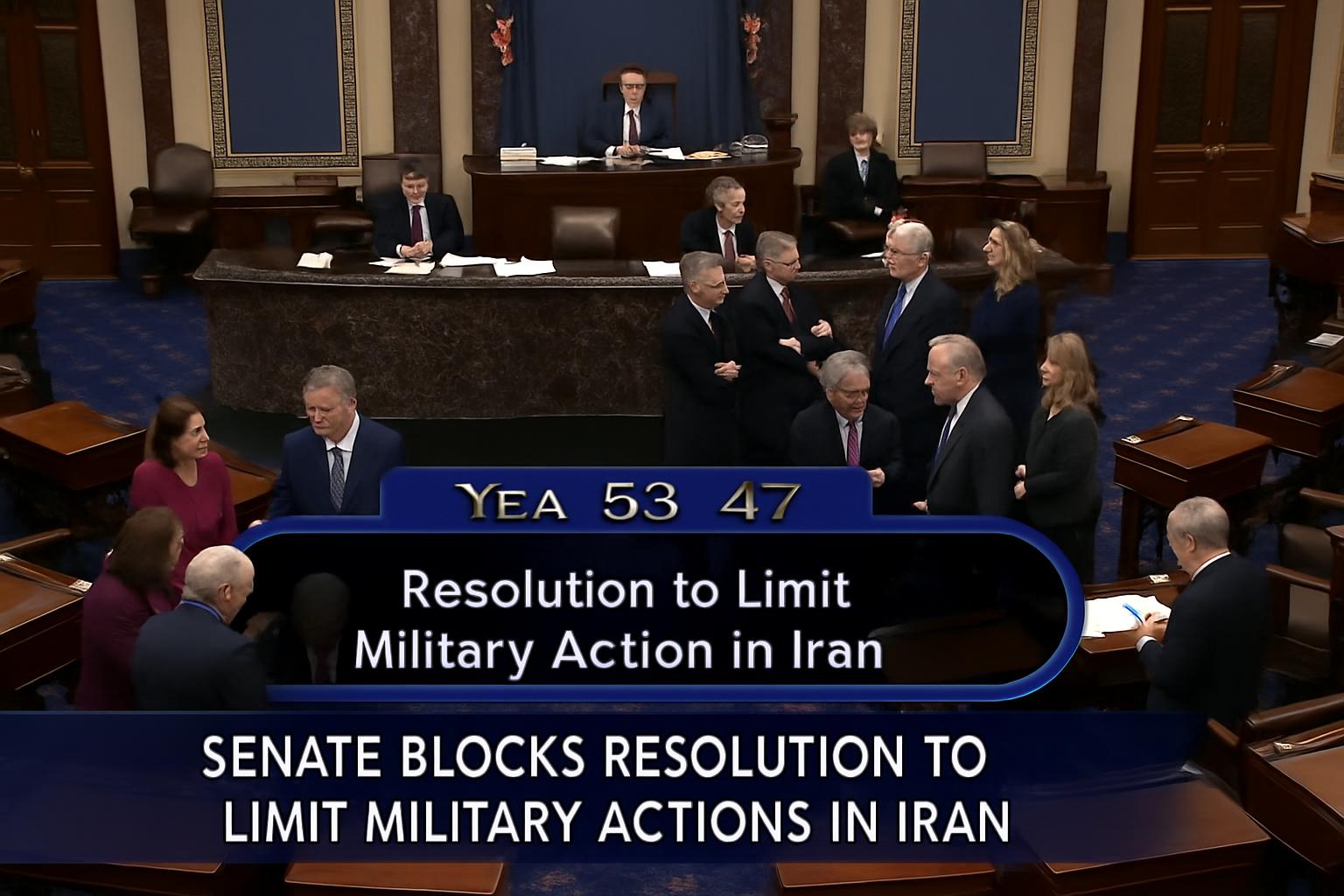
Senate Blocks Resolution to Limit Trump's Military Actions in Iran
Iran Postpones Khamenei Funeral Amid Escalating US-Israeli Strikes
Spain's Sánchez Stands Firm Against Trump's Trade Threat Over Iran Stance

UK Faces Dilemmas Amid Iran Conflict and China Spying Allegations
US and Israel Intensify Military Campaign as Iran's Capabilities Dwindle
US-Iran Tensions Escalate Amid Military Buildup and Diplomatic Deadlock
In This Article
 Ethan Brooks| Published
 HIGHLIGHTS
- The US has increased its military presence in the Middle East, deploying two aircraft carrier strike groups near Iranian waters.
- President Trump has given a 10-day timeline to determine if a nuclear deal with Iran can be reached, warning of potential military action.
- Iran has reinforced its military facilities and warned that US bases could be legitimate targets if aggression occurs.
- Diplomatic talks between US envoys and Iranian officials have taken place, with Iran expected to respond to US demands within two weeks.
- The situation remains tense, with both sides preparing for possible confrontation while diplomatic efforts continue.
The United States has significantly bolstered its military presence in the Middle East, deploying two aircraft carrier strike groups near Iranian waters as tensions with Tehran continue to rise. The USS Abraham Lincoln and the USS Gerald R Ford are now positioned strategically, signaling a potential shift from diplomatic signaling to preparation for possible military action.
Military Buildup and Diplomatic Stalemate
President Donald Trump has set a 10-day deadline to determine whether a nuclear deal with Iran can be achieved, cautioning that failure to reach an agreement could lead to "bad things" happening. This ultimatum comes as US military forces, including advanced aircraft and warships, have been deployed to the region, heightening the stakes in the ongoing standoff.
Despite the military buildup, diplomatic efforts are still underway. US envoys Steve Witkoff and Jared Kushner recently met with Iranian officials in Geneva to discuss the nuclear enrichment program. Iran has promised to respond to US demands, which include abandoning uranium enrichment, within two weeks.
Tehran's Defiance and Strategic Calculations
Iran, meanwhile, has reinforced its military facilities and issued warnings that US bases in the region could be considered legitimate targets if aggression occurs. Supreme Leader Ayatollah Ali Khamenei has publicly criticized the US military presence, emphasizing Iran's readiness to defend its interests.
From Tehran's perspective, the US demands are seen as tantamount to surrender, threatening the core of Iran's security architecture. The Iranian leadership views its nuclear and missile programs as essential deterrents, and any rollback could be perceived as more dangerous than a limited military confrontation.
Potential Consequences and Global Implications
The situation remains precarious, with both sides preparing for possible confrontation while diplomatic channels remain open. Experts warn that any military conflict could have far-reaching consequences, destabilizing the region and impacting global security.
WHAT THIS MIGHT MEAN
As the 10-day deadline approaches, the world watches closely to see if a diplomatic breakthrough can be achieved. If negotiations fail, the US may consider military options, potentially in coordination with regional allies like Israel. Such actions could lead to significant instability in the Middle East, affecting global oil markets and international relations.
On the diplomatic front, continued dialogue could pave the way for a compromise, though it remains uncertain whether both sides are willing to make the necessary concessions. The involvement of international actors, such as the United Nations, could play a crucial role in mediating the conflict and preventing escalation.
Ultimately, the outcome of this tense standoff will depend on the willingness of both the US and Iran to engage in meaningful negotiations and prioritize regional stability over confrontation.
Related Articles
Intensified US-Israel Strikes on Iran Spark Global Outcry
Senate Blocks Resolution to Limit Trump's Military Actions in Iran
Iran Postpones Khamenei Funeral Amid Escalating US-Israeli Strikes
Spain's Sánchez Stands Firm Against Trump's Trade Threat Over Iran Stance
UK Faces Dilemmas Amid Iran Conflict and China Spying Allegations
US and Israel Intensify Military Campaign as Iran's Capabilities Dwindle