
Palestinian-American Teen Killed by Israeli Settlers in West Bank Sparks Calls for Accountability
In This Article
HIGHLIGHTS
- Nasrallah Abu Siyam, a 19-year-old Palestinian-American, was shot dead by Israeli settlers in the West Bank near Ramallah.
- The incident marks the sixth American citizen killed by Israeli settlers or soldiers in the territory over the past two years.
- The US State Department is monitoring the situation, while the Israeli embassy in Washington has initiated an operational inquiry.
- The Palestinian health ministry confirmed Abu Siyam's death amid ongoing violence in the West Bank, where 240 Palestinians were killed last year.
- Human rights groups criticize the lack of accountability for settler violence and accuse Israel of actions that may constitute war crimes.
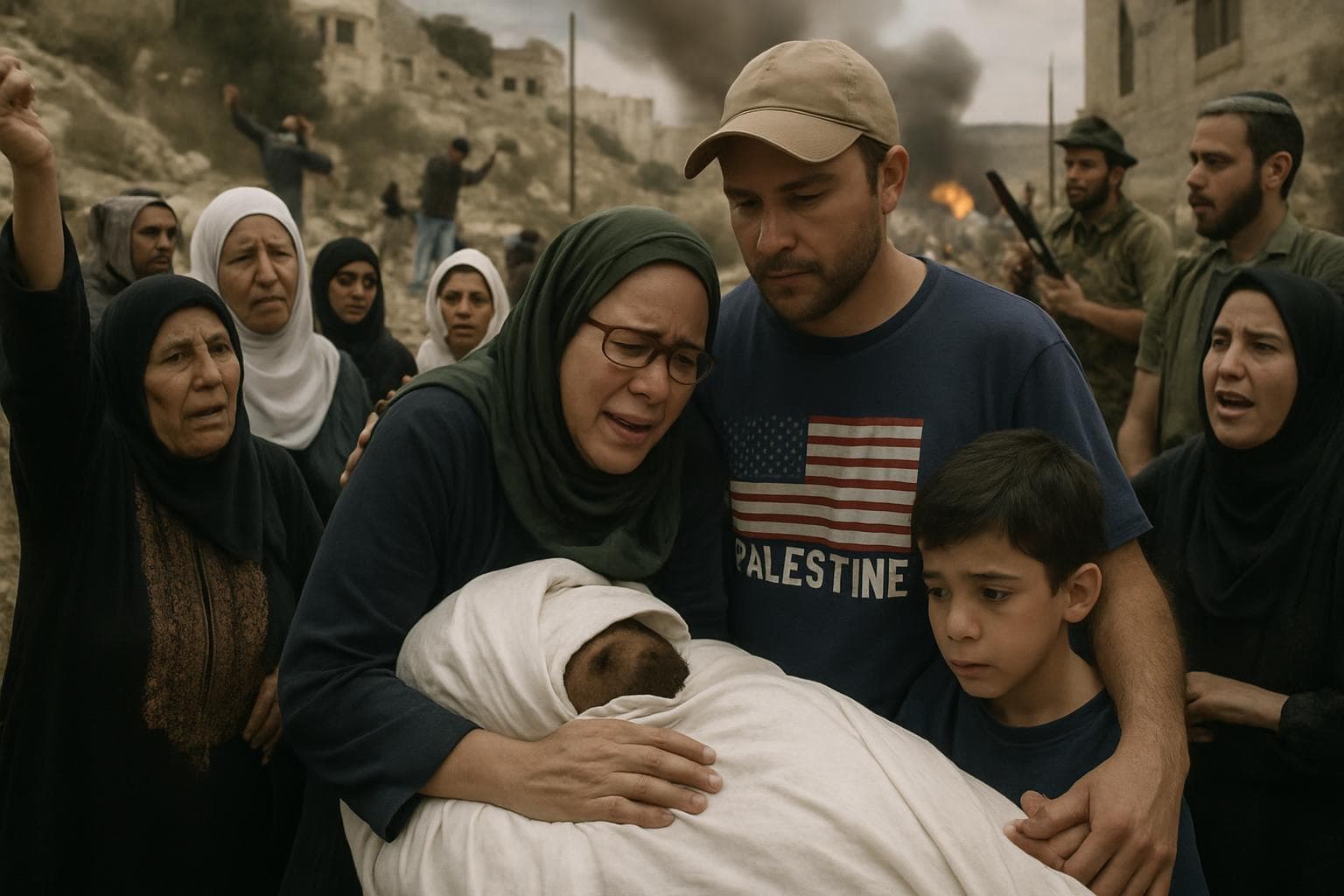
The tragic death of Nasrallah Abu Siyam, a 19-year-old Palestinian-American, has intensified scrutiny over the escalating violence in the occupied West Bank. Abu Siyam was fatally shot by Israeli settlers near the city of Ramallah on Wednesday, according to the Palestinian health ministry and eyewitness accounts. This incident adds to the growing list of American citizens killed in the region, with at least six fatalities recorded in the past two years.
Incident Details and Reactions
Abu Siyam, who was born in Philadelphia, was among a group of approximately 30 villagers from Mukhmas attempting to prevent settlers from stealing their livestock. As tensions flared, both sides reportedly hurled stones, leading to settlers opening fire, which resulted in Abu Siyam's death and injuries to others. The Israeli Defence Forces (IDF) arrived on the scene, employing "riot dispersal means" but denied firing any shots during the confrontation.
The US State Department has expressed its awareness of the incident and is closely monitoring developments. Meanwhile, the Israeli embassy in Washington has stated that an operational inquiry is underway, emphasizing the need for a swift resolution. The US embassy condemned the violence, highlighting the ongoing concerns over settler attacks in the region.
Broader Context and Human Rights Concerns
The killing of Abu Siyam is part of a broader pattern of violence in the West Bank, where the UN reports that 240 Palestinians were killed by Israeli forces and settlers last year. Human rights organizations have criticized the lack of accountability for such acts, with the UN human rights office accusing Israel of potential war crimes and raising alarms over practices that could amount to ethnic cleansing.
The Palestinian Authority’s Wall and Settlement Resistance Commission noted that Abu Siyam is the first Palestinian killed by settlers in 2026, underscoring the persistent threat posed by settler violence. The region remains a hotspot for clashes, with Israeli settlements and outposts expanding, often resulting in the displacement of Palestinian communities.
WHAT THIS MIGHT MEAN
The death of Nasrallah Abu Siyam could further strain US-Israel relations, especially as the US government faces pressure to address the safety of its citizens abroad. The ongoing inquiry by Israeli authorities may lead to increased scrutiny of settler activities and military responses in the West Bank.
Human rights organizations are likely to intensify their calls for international intervention, potentially influencing diplomatic discussions at the United Nations. As tensions continue to rise, the situation underscores the urgent need for a sustainable resolution to the Israeli-Palestinian conflict, with accountability and human rights at the forefront of any future negotiations.
Related Articles
Intensified US-Israel Strikes on Iran Spark Global Outcry

US-Iran Tensions Escalate Amid Military Buildup and Diplomatic Deadlock

US and Israel Intensify Military Campaign as Iran's Capabilities Dwindle
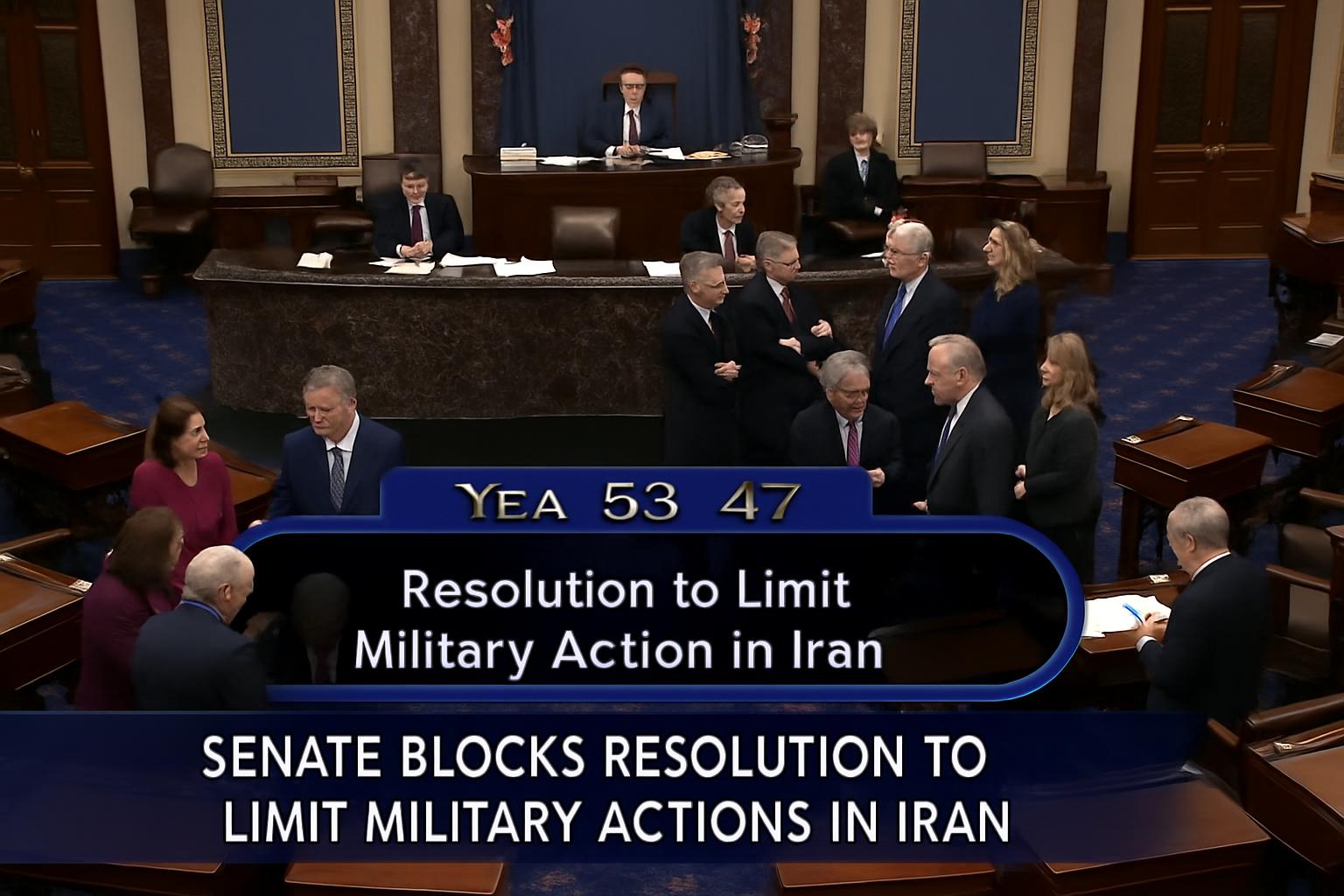
Senate Blocks Resolution to Limit Trump's Military Actions in Iran
Iran Postpones Khamenei Funeral Amid Escalating US-Israeli Strikes
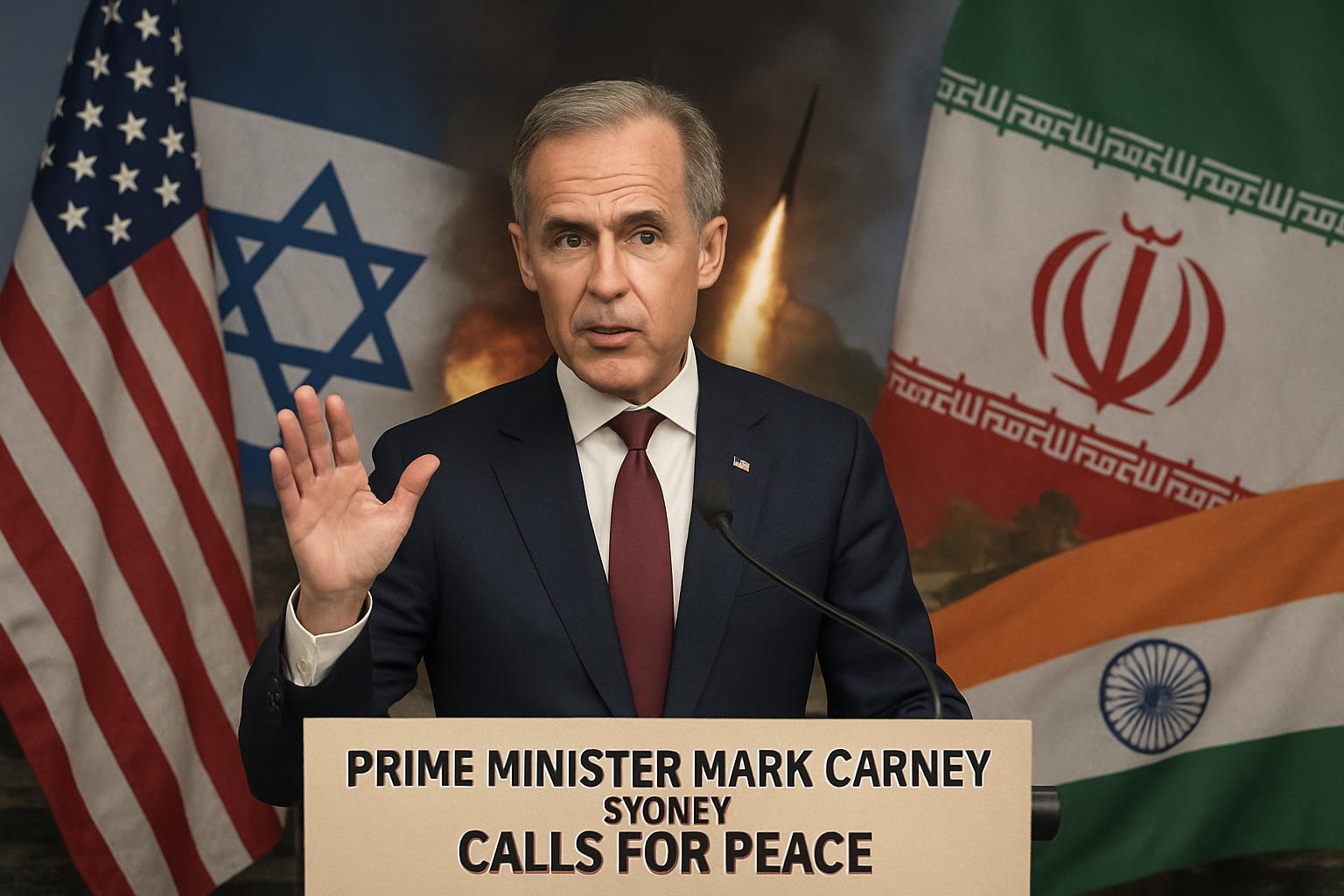
Canada Calls for De-escalation Amid US-Israel Strikes on Iran
Palestinian-American Teen Killed by Israeli Settlers in West Bank Sparks Calls for Accountability
In This Article
 Ethan Brooks| Published
 HIGHLIGHTS
- Nasrallah Abu Siyam, a 19-year-old Palestinian-American, was shot dead by Israeli settlers in the West Bank near Ramallah.
- The incident marks the sixth American citizen killed by Israeli settlers or soldiers in the territory over the past two years.
- The US State Department is monitoring the situation, while the Israeli embassy in Washington has initiated an operational inquiry.
- The Palestinian health ministry confirmed Abu Siyam's death amid ongoing violence in the West Bank, where 240 Palestinians were killed last year.
- Human rights groups criticize the lack of accountability for settler violence and accuse Israel of actions that may constitute war crimes.
The tragic death of Nasrallah Abu Siyam, a 19-year-old Palestinian-American, has intensified scrutiny over the escalating violence in the occupied West Bank. Abu Siyam was fatally shot by Israeli settlers near the city of Ramallah on Wednesday, according to the Palestinian health ministry and eyewitness accounts. This incident adds to the growing list of American citizens killed in the region, with at least six fatalities recorded in the past two years.
Incident Details and Reactions
Abu Siyam, who was born in Philadelphia, was among a group of approximately 30 villagers from Mukhmas attempting to prevent settlers from stealing their livestock. As tensions flared, both sides reportedly hurled stones, leading to settlers opening fire, which resulted in Abu Siyam's death and injuries to others. The Israeli Defence Forces (IDF) arrived on the scene, employing "riot dispersal means" but denied firing any shots during the confrontation.
The US State Department has expressed its awareness of the incident and is closely monitoring developments. Meanwhile, the Israeli embassy in Washington has stated that an operational inquiry is underway, emphasizing the need for a swift resolution. The US embassy condemned the violence, highlighting the ongoing concerns over settler attacks in the region.
Broader Context and Human Rights Concerns
The killing of Abu Siyam is part of a broader pattern of violence in the West Bank, where the UN reports that 240 Palestinians were killed by Israeli forces and settlers last year. Human rights organizations have criticized the lack of accountability for such acts, with the UN human rights office accusing Israel of potential war crimes and raising alarms over practices that could amount to ethnic cleansing.
The Palestinian Authority’s Wall and Settlement Resistance Commission noted that Abu Siyam is the first Palestinian killed by settlers in 2026, underscoring the persistent threat posed by settler violence. The region remains a hotspot for clashes, with Israeli settlements and outposts expanding, often resulting in the displacement of Palestinian communities.
WHAT THIS MIGHT MEAN
The death of Nasrallah Abu Siyam could further strain US-Israel relations, especially as the US government faces pressure to address the safety of its citizens abroad. The ongoing inquiry by Israeli authorities may lead to increased scrutiny of settler activities and military responses in the West Bank.
Human rights organizations are likely to intensify their calls for international intervention, potentially influencing diplomatic discussions at the United Nations. As tensions continue to rise, the situation underscores the urgent need for a sustainable resolution to the Israeli-Palestinian conflict, with accountability and human rights at the forefront of any future negotiations.
Related Articles
Intensified US-Israel Strikes on Iran Spark Global Outcry
US-Iran Tensions Escalate Amid Military Buildup and Diplomatic Deadlock
US and Israel Intensify Military Campaign as Iran's Capabilities Dwindle
Senate Blocks Resolution to Limit Trump's Military Actions in Iran
Iran Postpones Khamenei Funeral Amid Escalating US-Israeli Strikes
Canada Calls for De-escalation Amid US-Israel Strikes on Iran