
Netanyahu and Trump to Discuss Iran Nuclear Talks Amid Rising Tensions
In This Article
HIGHLIGHTS
- Israeli Prime Minister Netanyahu is set to meet President Trump to discuss Iran's nuclear program amid rising Middle East tensions.
- Netanyahu aims to ensure any US-Iran deal includes limits on Iran's ballistic missiles and support for proxy groups like Hamas and Hezbollah.
- Iran warns the US against allowing Israel to derail nuclear negotiations, emphasizing the need for independent decision-making.
- The US has increased its military presence in the Middle East, with Trump considering deploying a second aircraft carrier.
- Netanyahu's visit is crucial as he faces pressure from his far-right government to secure a comprehensive deal addressing Israeli security concerns.
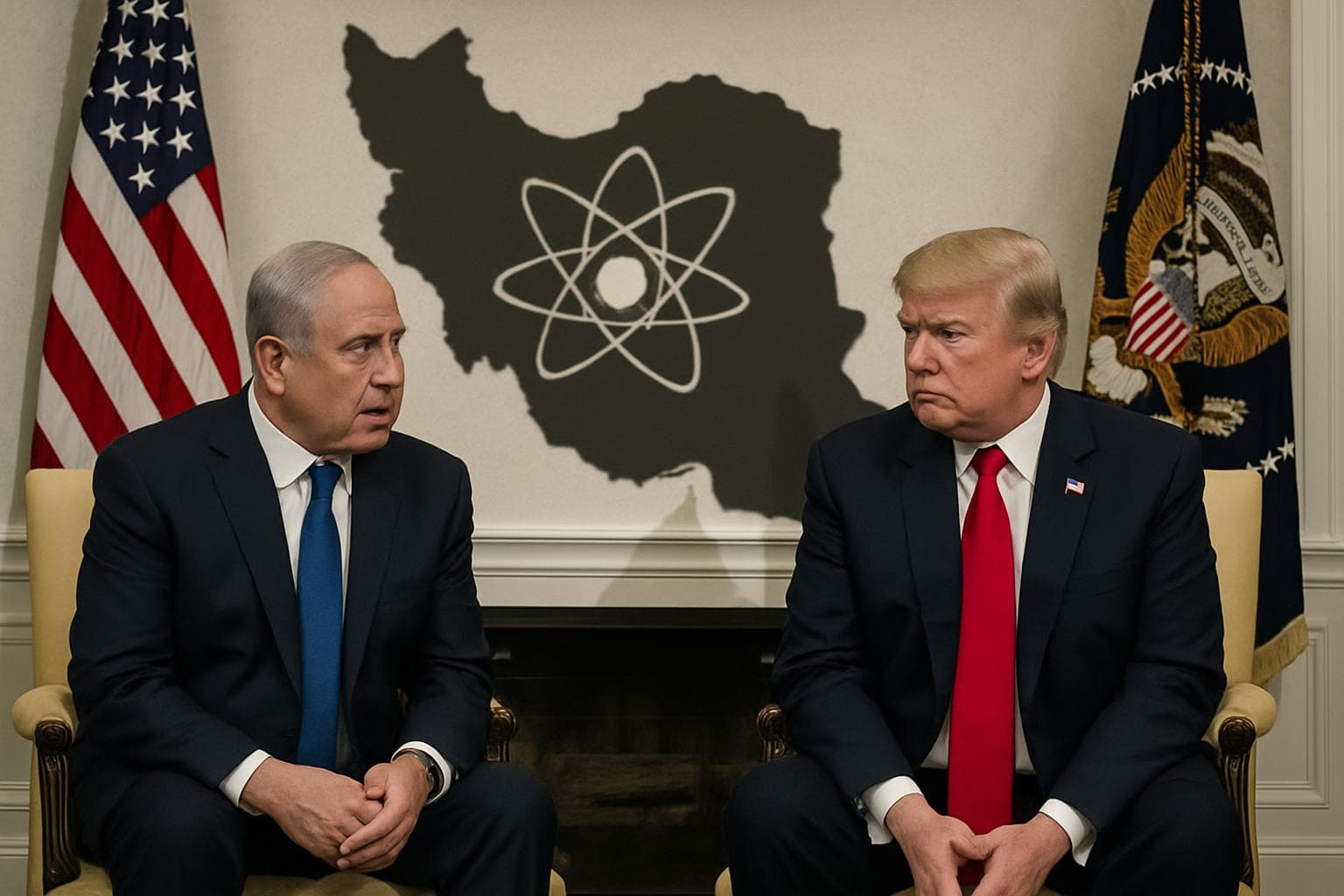
Israeli Prime Minister Benjamin Netanyahu is scheduled to meet with US President Donald Trump at the White House on Wednesday, as discussions over Iran's nuclear program reach a critical juncture. This meeting comes at a time of heightened tensions across the Middle East, with both leaders seeking to address the potential threats posed by Iran's nuclear ambitions.
Focus on Iran's Nuclear Program
Netanyahu's visit aims to persuade Trump to pursue a comprehensive deal with Iran that not only curtails its nuclear activities but also addresses its ballistic missile program and support for proxy groups such as Hamas and Hezbollah. "I will present to the president our outlook regarding the principles of these negotiations," Netanyahu stated before departing for the US. The Israeli leader has consistently viewed Iran as a significant security threat, advocating for stringent measures to curb Tehran's influence in the region.
Iran's Stance and US Military Presence
Iran, on the other hand, has cautioned the US against allowing Israel to disrupt the nuclear negotiations. Ali Larijani, head of Iran's Supreme National Security Council, emphasized the need for Washington to remain vigilant regarding Israel's potentially destructive role. Meanwhile, President Trump has signaled a possible increase in US military presence in the Middle East, contemplating the deployment of a second aircraft carrier to the region. "We have an armada that is heading there and another one might be going," Trump mentioned in a recent interview.
Diplomatic Challenges and Internal Pressures
Netanyahu's visit marks his sixth trip to the US since Trump's return to office, underscoring the close ties between the two leaders. However, the Israeli Prime Minister faces a delicate balancing act, as he must navigate internal pressures from his far-right government while maintaining a strong relationship with Trump. Analysts suggest that Israel is concerned about the possibility of a deal that does not fully address its security concerns, particularly regarding Iran's missile program and regional influence.
Broader Implications
The outcome of these discussions could have significant implications for regional stability and US-Israel relations. As Netanyahu and Trump meet, the world watches closely to see if a diplomatic solution can be reached that satisfies all parties involved.
WHAT THIS MIGHT MEAN
The meeting between Netanyahu and Trump could lead to several potential outcomes. If the US agrees to a comprehensive deal addressing Israel's security concerns, it may strengthen US-Israel relations but could further strain US-Iran relations. Conversely, if the negotiations fail to meet Israeli demands, Netanyahu may face increased pressure from his government to take unilateral action against Iran.
Experts suggest that the US's increased military presence in the Middle East could either deter Iran from pursuing its nuclear ambitions or escalate tensions further. The international community will be closely monitoring the situation, as any significant developments could have far-reaching implications for regional stability and global security.
Related Articles

Intensified US-Israel Strikes on Iran Spark Global Outcry
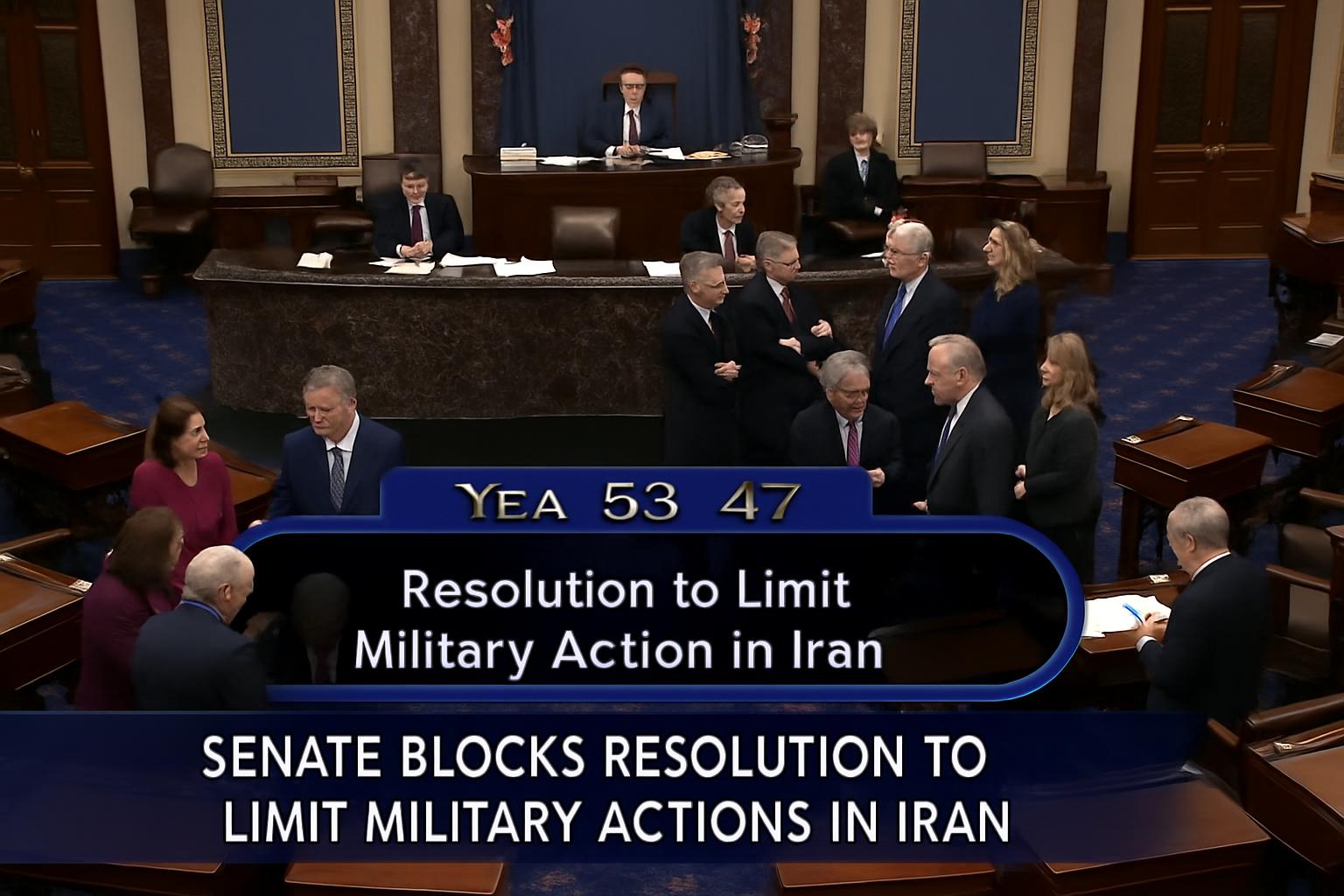
Senate Blocks Resolution to Limit Trump's Military Actions in Iran
Spain's Sánchez Stands Firm Against Trump's Trade Threat Over Iran Stance

US and Israel Intensify Military Campaign as Iran's Capabilities Dwindle
UK-Iran Tensions: Starmer Defends Cautious Approach Amid Trump Criticism
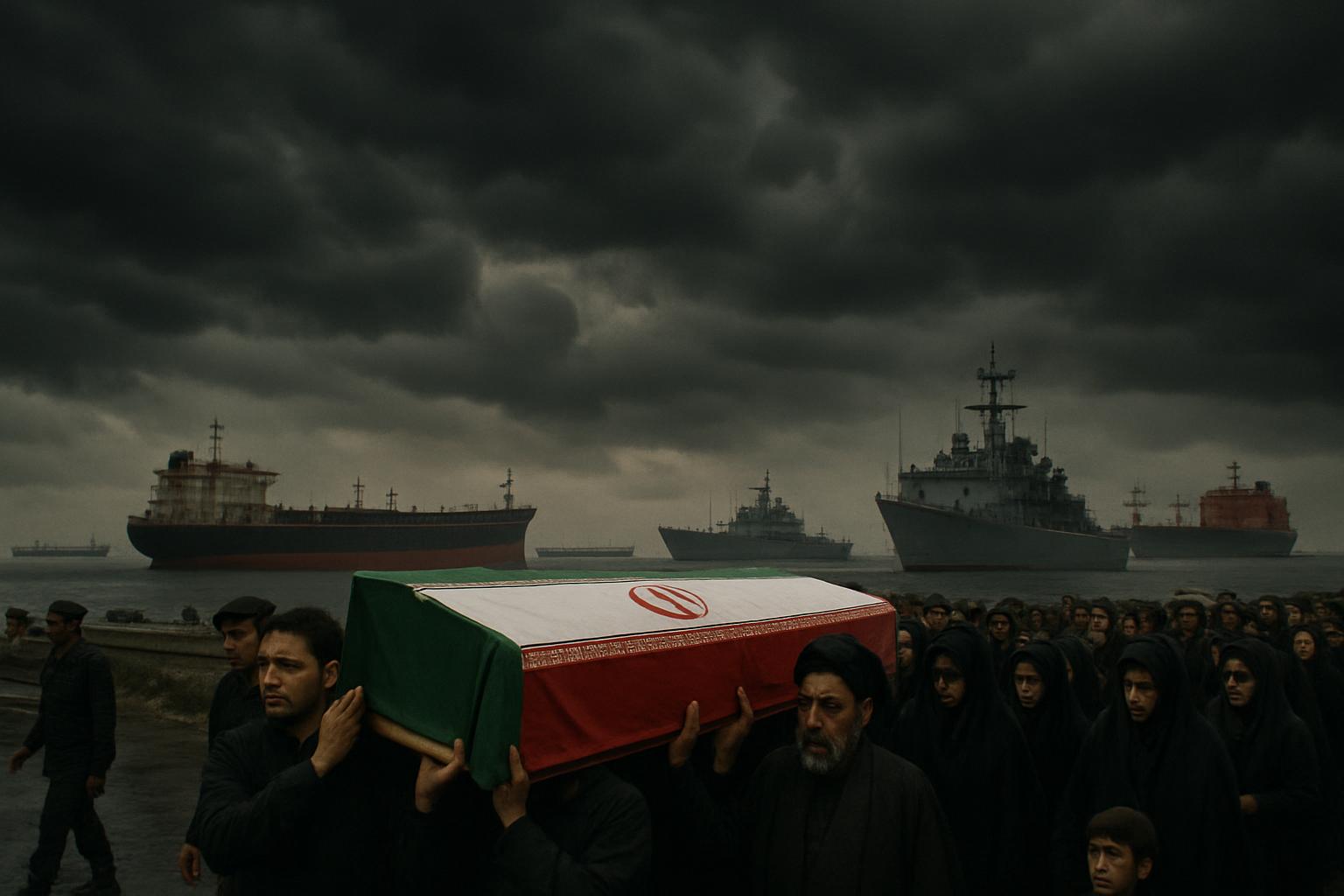
Iran Postpones Khamenei Funeral Amid Escalating US-Israeli Strikes
Netanyahu and Trump to Discuss Iran Nuclear Talks Amid Rising Tensions
In This Article
 Ethan Brooks| Published
 HIGHLIGHTS
- Israeli Prime Minister Netanyahu is set to meet President Trump to discuss Iran's nuclear program amid rising Middle East tensions.
- Netanyahu aims to ensure any US-Iran deal includes limits on Iran's ballistic missiles and support for proxy groups like Hamas and Hezbollah.
- Iran warns the US against allowing Israel to derail nuclear negotiations, emphasizing the need for independent decision-making.
- The US has increased its military presence in the Middle East, with Trump considering deploying a second aircraft carrier.
- Netanyahu's visit is crucial as he faces pressure from his far-right government to secure a comprehensive deal addressing Israeli security concerns.
Israeli Prime Minister Benjamin Netanyahu is scheduled to meet with US President Donald Trump at the White House on Wednesday, as discussions over Iran's nuclear program reach a critical juncture. This meeting comes at a time of heightened tensions across the Middle East, with both leaders seeking to address the potential threats posed by Iran's nuclear ambitions.
Focus on Iran's Nuclear Program
Netanyahu's visit aims to persuade Trump to pursue a comprehensive deal with Iran that not only curtails its nuclear activities but also addresses its ballistic missile program and support for proxy groups such as Hamas and Hezbollah. "I will present to the president our outlook regarding the principles of these negotiations," Netanyahu stated before departing for the US. The Israeli leader has consistently viewed Iran as a significant security threat, advocating for stringent measures to curb Tehran's influence in the region.
Iran's Stance and US Military Presence
Iran, on the other hand, has cautioned the US against allowing Israel to disrupt the nuclear negotiations. Ali Larijani, head of Iran's Supreme National Security Council, emphasized the need for Washington to remain vigilant regarding Israel's potentially destructive role. Meanwhile, President Trump has signaled a possible increase in US military presence in the Middle East, contemplating the deployment of a second aircraft carrier to the region. "We have an armada that is heading there and another one might be going," Trump mentioned in a recent interview.
Diplomatic Challenges and Internal Pressures
Netanyahu's visit marks his sixth trip to the US since Trump's return to office, underscoring the close ties between the two leaders. However, the Israeli Prime Minister faces a delicate balancing act, as he must navigate internal pressures from his far-right government while maintaining a strong relationship with Trump. Analysts suggest that Israel is concerned about the possibility of a deal that does not fully address its security concerns, particularly regarding Iran's missile program and regional influence.
Broader Implications
The outcome of these discussions could have significant implications for regional stability and US-Israel relations. As Netanyahu and Trump meet, the world watches closely to see if a diplomatic solution can be reached that satisfies all parties involved.
WHAT THIS MIGHT MEAN
The meeting between Netanyahu and Trump could lead to several potential outcomes. If the US agrees to a comprehensive deal addressing Israel's security concerns, it may strengthen US-Israel relations but could further strain US-Iran relations. Conversely, if the negotiations fail to meet Israeli demands, Netanyahu may face increased pressure from his government to take unilateral action against Iran.
Experts suggest that the US's increased military presence in the Middle East could either deter Iran from pursuing its nuclear ambitions or escalate tensions further. The international community will be closely monitoring the situation, as any significant developments could have far-reaching implications for regional stability and global security.
Related Articles
Intensified US-Israel Strikes on Iran Spark Global Outcry
Senate Blocks Resolution to Limit Trump's Military Actions in Iran
Spain's Sánchez Stands Firm Against Trump's Trade Threat Over Iran Stance
US and Israel Intensify Military Campaign as Iran's Capabilities Dwindle
UK-Iran Tensions: Starmer Defends Cautious Approach Amid Trump Criticism
Iran Postpones Khamenei Funeral Amid Escalating US-Israeli Strikes