
Hamas Reasserts Control in Gaza Amid Rising Death Toll

In This Article
HIGHLIGHTS
- Hamas has regained control over 90% of Gaza, reasserting authority over security, taxes, and government services.
- A Lancet study reveals over 75,000 deaths in Gaza during the first 16 months of the conflict, exceeding previous reports by 25,000.
- The Gaza health ministry's data on the demographics of casualties has been confirmed as accurate by the Lancet study.
- Since the ceasefire, basic goods flow more freely into Gaza, but Hamas has tightened control over import taxes.
- The humanitarian impact of the conflict includes significant indirect deaths due to malnutrition and untreated diseases.
In the aftermath of a devastating conflict with Israel, Hamas is reestablishing its grip on Gaza, despite suffering heavy losses. Following a US-brokered ceasefire last October, the militant group has focused on consolidating its power domestically. According to local activist Mohammed Diab, Hamas now controls over 90% of the territory, with its police and security forces visibly active in the streets.
Rebuilding Authority and Infrastructure
The conflict left Gaza's infrastructure in ruins and its economy shattered. However, Hamas has swiftly moved to reassert control over essential services, including the judiciary and tax collection. Market vendors report frequent visits from municipal authorities demanding rent and taxes, often under threat of eviction. "Every single day they come to us aggressively," one stallholder shared, highlighting the financial strain on local businesses.
Rising Death Toll and Humanitarian Concerns
A recent study published in the Lancet medical journal has revealed a significantly higher death toll than previously reported. Over 75,000 people were killed in the first 16 months of the conflict, with women, children, and the elderly comprising 56% of the casualties. The study, conducted by a team of international researchers, confirms the accuracy of the Gaza health ministry's demographic data.
Economic and Humanitarian Challenges
Despite the ceasefire, Gaza faces ongoing economic challenges. While essential goods are entering the territory more freely, Hamas has imposed strict controls and taxes on imports. Traders describe a climate of fear, with reports of forceful tactics used against those who refuse to comply with tax demands. The humanitarian impact extends beyond direct violence, with thousands of indirect deaths attributed to malnutrition and untreated diseases.
WHAT THIS MIGHT MEAN
As Hamas consolidates its control, questions arise about its long-term strategy and willingness to disarm, as stipulated by international peace plans. The humanitarian situation remains dire, with the potential for further deterioration if economic conditions do not improve. Experts suggest that international intervention may be necessary to address the humanitarian crisis and facilitate a sustainable peace process. The ongoing tension underscores the complexity of achieving lasting stability in the region.
Related Articles
Iran Postpones Khamenei Funeral Amid Escalating US-Israeli Strikes
US and Israel Intensify Military Campaign as Iran's Capabilities Dwindle
Intensified US-Israel Strikes on Iran Spark Global Outcry
Senate Blocks Resolution to Limit Trump's Military Actions in Iran
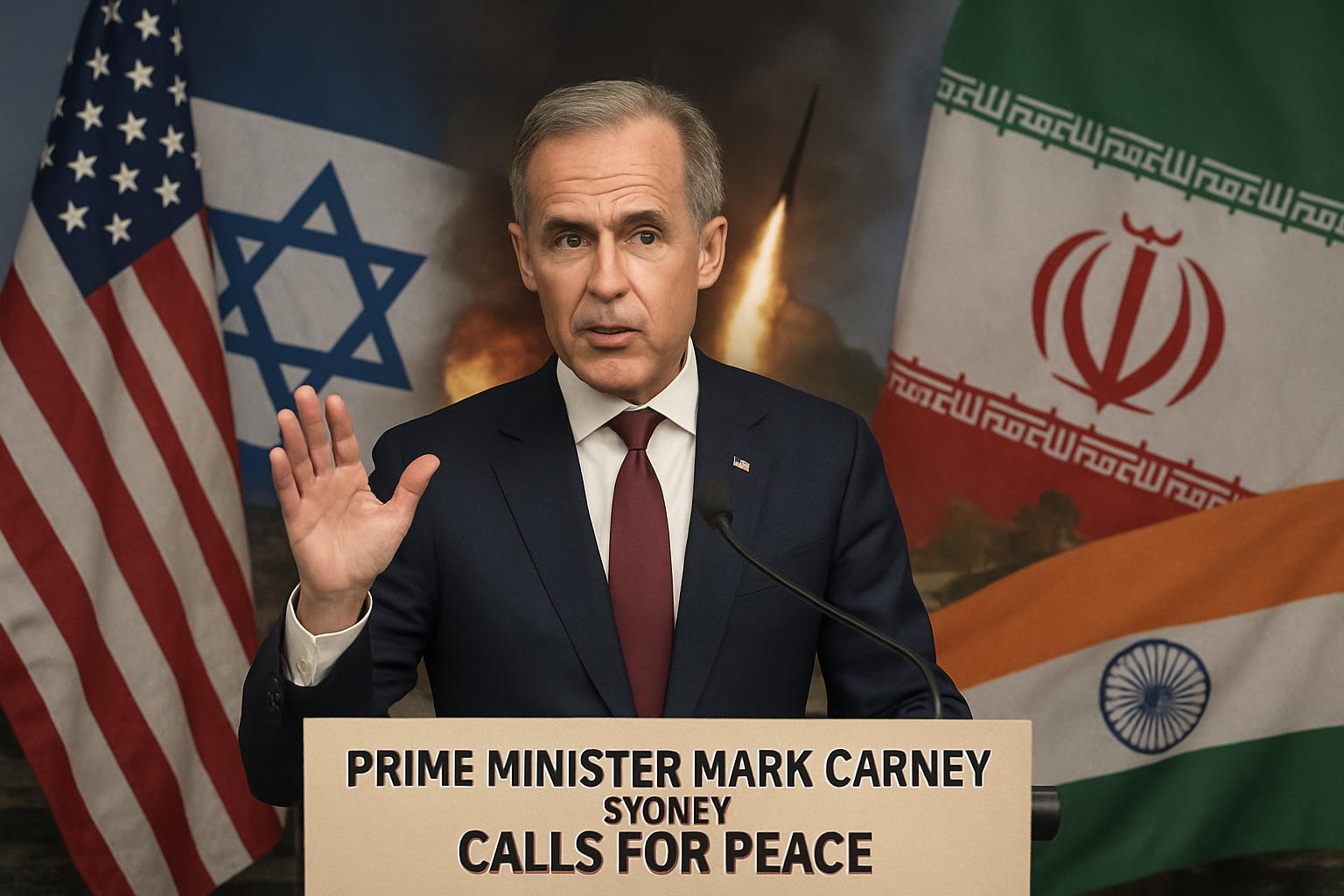
Canada Calls for De-escalation Amid US-Israel Strikes on Iran

US-Iran Tensions Escalate Amid Renewed Nuclear Talks and Protests
Hamas Reasserts Control in Gaza Amid Rising Death Toll
In This Article
 Ethan Brooks| Published
 HIGHLIGHTS
- Hamas has regained control over 90% of Gaza, reasserting authority over security, taxes, and government services.
- A Lancet study reveals over 75,000 deaths in Gaza during the first 16 months of the conflict, exceeding previous reports by 25,000.
- The Gaza health ministry's data on the demographics of casualties has been confirmed as accurate by the Lancet study.
- Since the ceasefire, basic goods flow more freely into Gaza, but Hamas has tightened control over import taxes.
- The humanitarian impact of the conflict includes significant indirect deaths due to malnutrition and untreated diseases.
In the aftermath of a devastating conflict with Israel, Hamas is reestablishing its grip on Gaza, despite suffering heavy losses. Following a US-brokered ceasefire last October, the militant group has focused on consolidating its power domestically. According to local activist Mohammed Diab, Hamas now controls over 90% of the territory, with its police and security forces visibly active in the streets.
Rebuilding Authority and Infrastructure
The conflict left Gaza's infrastructure in ruins and its economy shattered. However, Hamas has swiftly moved to reassert control over essential services, including the judiciary and tax collection. Market vendors report frequent visits from municipal authorities demanding rent and taxes, often under threat of eviction. "Every single day they come to us aggressively," one stallholder shared, highlighting the financial strain on local businesses.
Rising Death Toll and Humanitarian Concerns
A recent study published in the Lancet medical journal has revealed a significantly higher death toll than previously reported. Over 75,000 people were killed in the first 16 months of the conflict, with women, children, and the elderly comprising 56% of the casualties. The study, conducted by a team of international researchers, confirms the accuracy of the Gaza health ministry's demographic data.
Economic and Humanitarian Challenges
Despite the ceasefire, Gaza faces ongoing economic challenges. While essential goods are entering the territory more freely, Hamas has imposed strict controls and taxes on imports. Traders describe a climate of fear, with reports of forceful tactics used against those who refuse to comply with tax demands. The humanitarian impact extends beyond direct violence, with thousands of indirect deaths attributed to malnutrition and untreated diseases.
WHAT THIS MIGHT MEAN
As Hamas consolidates its control, questions arise about its long-term strategy and willingness to disarm, as stipulated by international peace plans. The humanitarian situation remains dire, with the potential for further deterioration if economic conditions do not improve. Experts suggest that international intervention may be necessary to address the humanitarian crisis and facilitate a sustainable peace process. The ongoing tension underscores the complexity of achieving lasting stability in the region.
Related Articles
Iran Postpones Khamenei Funeral Amid Escalating US-Israeli Strikes
US and Israel Intensify Military Campaign as Iran's Capabilities Dwindle
Intensified US-Israel Strikes on Iran Spark Global Outcry
Senate Blocks Resolution to Limit Trump's Military Actions in Iran
Canada Calls for De-escalation Amid US-Israel Strikes on Iran
US-Iran Tensions Escalate Amid Renewed Nuclear Talks and Protests