
Hamas Leadership Vote Amidst Critical Crossroads for the Movement
In This Article
HIGHLIGHTS
- Hamas is conducting elections for a new interim leader amid significant leadership losses due to Israeli strikes.
- The election involves members from Gaza, the West Bank, Israeli prisons, and the diaspora, with the process potentially lasting weeks.
- Khalil al-Hayya and Khaled Meshaal are the frontrunners, representing different strategic directions for Hamas.
- The outcome of the election could influence Hamas's stance on a US-backed peace plan and its role in Gaza's future governance.
- Over 75,000 Palestinians have died in the ongoing conflict, highlighting the severe impact on Gaza's population.
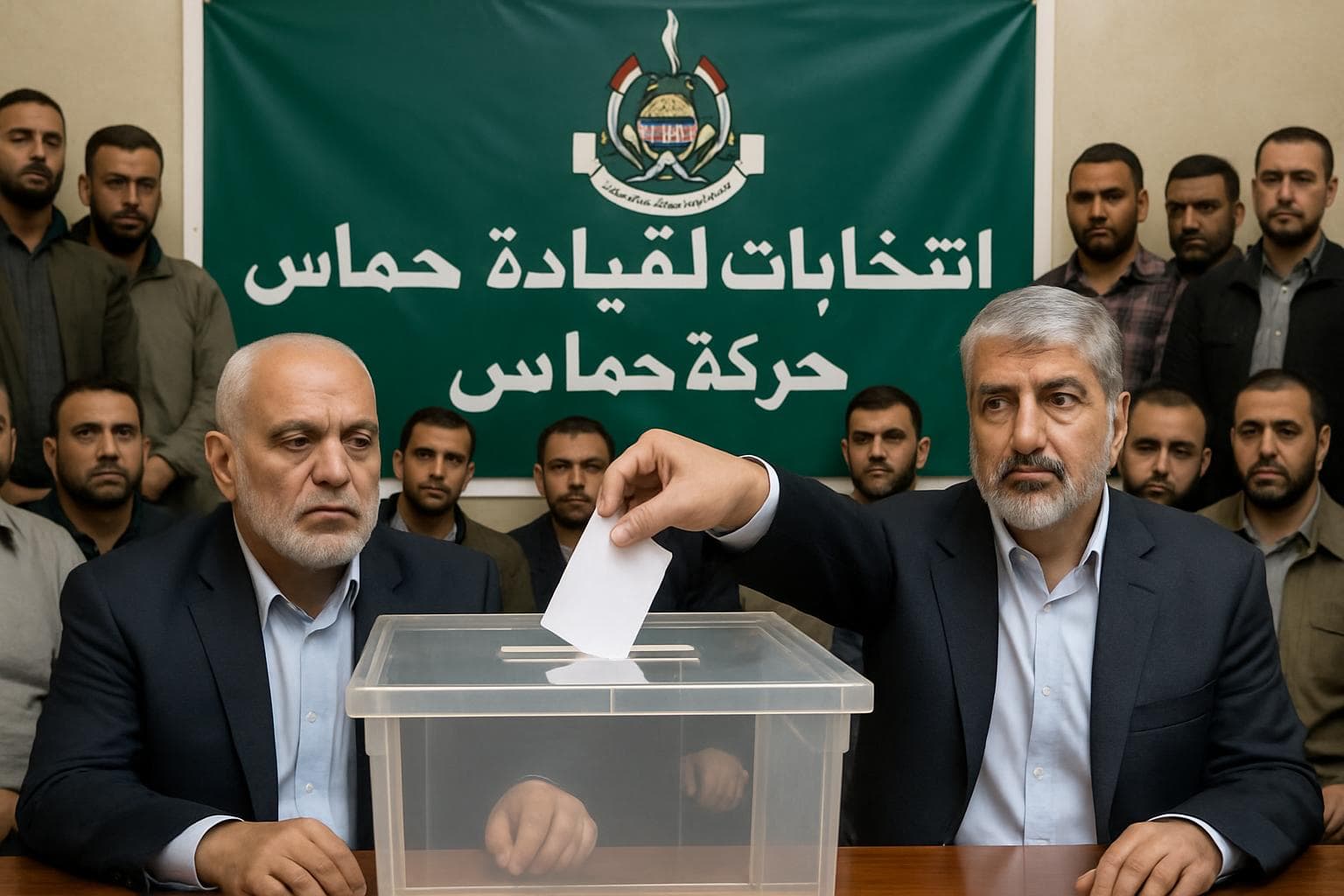
Hamas is in the midst of a pivotal leadership election, a process that could shape the future of the Palestinian militant group and its role in the ongoing Israeli-Palestinian conflict. The election comes at a time when Hamas faces critical decisions regarding its governance and potential participation in a US-backed peace plan for Gaza.
Leadership Election Underway
Voting is taking place across multiple regions, including Gaza, the West Bank, Israeli prisons, and among the diaspora. This election is crucial as it follows the loss of key Hamas leaders, including Yahya Sinwar and Ismail Haniyeh, who were killed in Israeli strikes. The new interim leader will serve for a year, guiding the movement through a period of significant political and military challenges.
Key Contenders and Strategic Directions
The leadership race is primarily between Khalil al-Hayya and Khaled Meshaal. Al-Hayya, who leads Hamas in Gaza, is seen as a hardliner with strong ties to Iran. In contrast, Meshaal, a veteran figure residing in Doha, is perceived as more flexible, advocating for potential political settlements with Israel and reconciliation with the Palestinian Authority. This election could determine whether Hamas adopts a more militant or diplomatic approach in the future.
Impact of the Conflict
The ongoing conflict has had a devastating impact on Gaza, with over 75,000 Palestinians reported killed. The Israeli military campaign has significantly weakened Hamas's military and political structures, particularly its Gaza-based leadership. The election's outcome will be crucial in determining how Hamas navigates these challenges and its potential role in a reformed governance structure for Gaza.
WHAT THIS MIGHT MEAN
The election of a new interim leader could significantly influence Hamas's future strategy and its role in the Israeli-Palestinian conflict. If Khalil al-Hayya is elected, Hamas may continue its hardline stance, potentially complicating peace negotiations. Conversely, Khaled Meshaal's leadership could open the door to more diplomatic engagements and a possible reconciliation with the Palestinian Authority.
The US-backed peace plan proposes a governance shift in Gaza, excluding Hamas from future administrative roles. The new leader's stance on this plan will be critical in shaping the region's political landscape. As negotiations continue, the international community will closely watch Hamas's decisions, which could either pave the way for peace or prolong the conflict.
Related Articles
US Ambassador's Biblical Land Remarks Spark Outcry from Arab Nations

Middle East Conflict Drives UK Energy Prices to New Highs
US and Israel Intensify Military Campaign as Iran's Capabilities Dwindle
Iranian Students Lead Major Protests Amid Rising US-Iran Tensions

UK Faces Dilemmas Amid Iran Conflict and China Spying Allegations
Intensified US-Israel Strikes on Iran Spark Global Outcry
Hamas Leadership Vote Amidst Critical Crossroads for the Movement
In This Article
 James Okoro| Published
 HIGHLIGHTS
- Hamas is conducting elections for a new interim leader amid significant leadership losses due to Israeli strikes.
- The election involves members from Gaza, the West Bank, Israeli prisons, and the diaspora, with the process potentially lasting weeks.
- Khalil al-Hayya and Khaled Meshaal are the frontrunners, representing different strategic directions for Hamas.
- The outcome of the election could influence Hamas's stance on a US-backed peace plan and its role in Gaza's future governance.
- Over 75,000 Palestinians have died in the ongoing conflict, highlighting the severe impact on Gaza's population.
Hamas is in the midst of a pivotal leadership election, a process that could shape the future of the Palestinian militant group and its role in the ongoing Israeli-Palestinian conflict. The election comes at a time when Hamas faces critical decisions regarding its governance and potential participation in a US-backed peace plan for Gaza.
Leadership Election Underway
Voting is taking place across multiple regions, including Gaza, the West Bank, Israeli prisons, and among the diaspora. This election is crucial as it follows the loss of key Hamas leaders, including Yahya Sinwar and Ismail Haniyeh, who were killed in Israeli strikes. The new interim leader will serve for a year, guiding the movement through a period of significant political and military challenges.
Key Contenders and Strategic Directions
The leadership race is primarily between Khalil al-Hayya and Khaled Meshaal. Al-Hayya, who leads Hamas in Gaza, is seen as a hardliner with strong ties to Iran. In contrast, Meshaal, a veteran figure residing in Doha, is perceived as more flexible, advocating for potential political settlements with Israel and reconciliation with the Palestinian Authority. This election could determine whether Hamas adopts a more militant or diplomatic approach in the future.
Impact of the Conflict
The ongoing conflict has had a devastating impact on Gaza, with over 75,000 Palestinians reported killed. The Israeli military campaign has significantly weakened Hamas's military and political structures, particularly its Gaza-based leadership. The election's outcome will be crucial in determining how Hamas navigates these challenges and its potential role in a reformed governance structure for Gaza.
WHAT THIS MIGHT MEAN
The election of a new interim leader could significantly influence Hamas's future strategy and its role in the Israeli-Palestinian conflict. If Khalil al-Hayya is elected, Hamas may continue its hardline stance, potentially complicating peace negotiations. Conversely, Khaled Meshaal's leadership could open the door to more diplomatic engagements and a possible reconciliation with the Palestinian Authority.
The US-backed peace plan proposes a governance shift in Gaza, excluding Hamas from future administrative roles. The new leader's stance on this plan will be critical in shaping the region's political landscape. As negotiations continue, the international community will closely watch Hamas's decisions, which could either pave the way for peace or prolong the conflict.
Related Articles
US Ambassador's Biblical Land Remarks Spark Outcry from Arab Nations
Middle East Conflict Drives UK Energy Prices to New Highs
US and Israel Intensify Military Campaign as Iran's Capabilities Dwindle
Iranian Students Lead Major Protests Amid Rising US-Iran Tensions
UK Faces Dilemmas Amid Iran Conflict and China Spying Allegations
Intensified US-Israel Strikes on Iran Spark Global Outcry