
Iranian Students Lead Major Protests Amid Rising US-Iran Tensions
In This Article
HIGHLIGHTS
- Iranian students staged significant anti-government protests, the largest since last month's deadly crackdown, with rallies at several universities in Tehran.
- The US has increased its military presence near Iran, with President Trump considering limited military strikes if nuclear negotiations fail.
- Iran's foreign minister announced a draft counterproposal for nuclear talks, expected to be ready within days, following discussions with US officials.
- The US and its allies suspect Iran is advancing its nuclear program, a claim Iran denies, as tensions rise over potential military conflict.
- Human rights groups report thousands killed in recent protests, with conflicting figures from Iranian authorities.
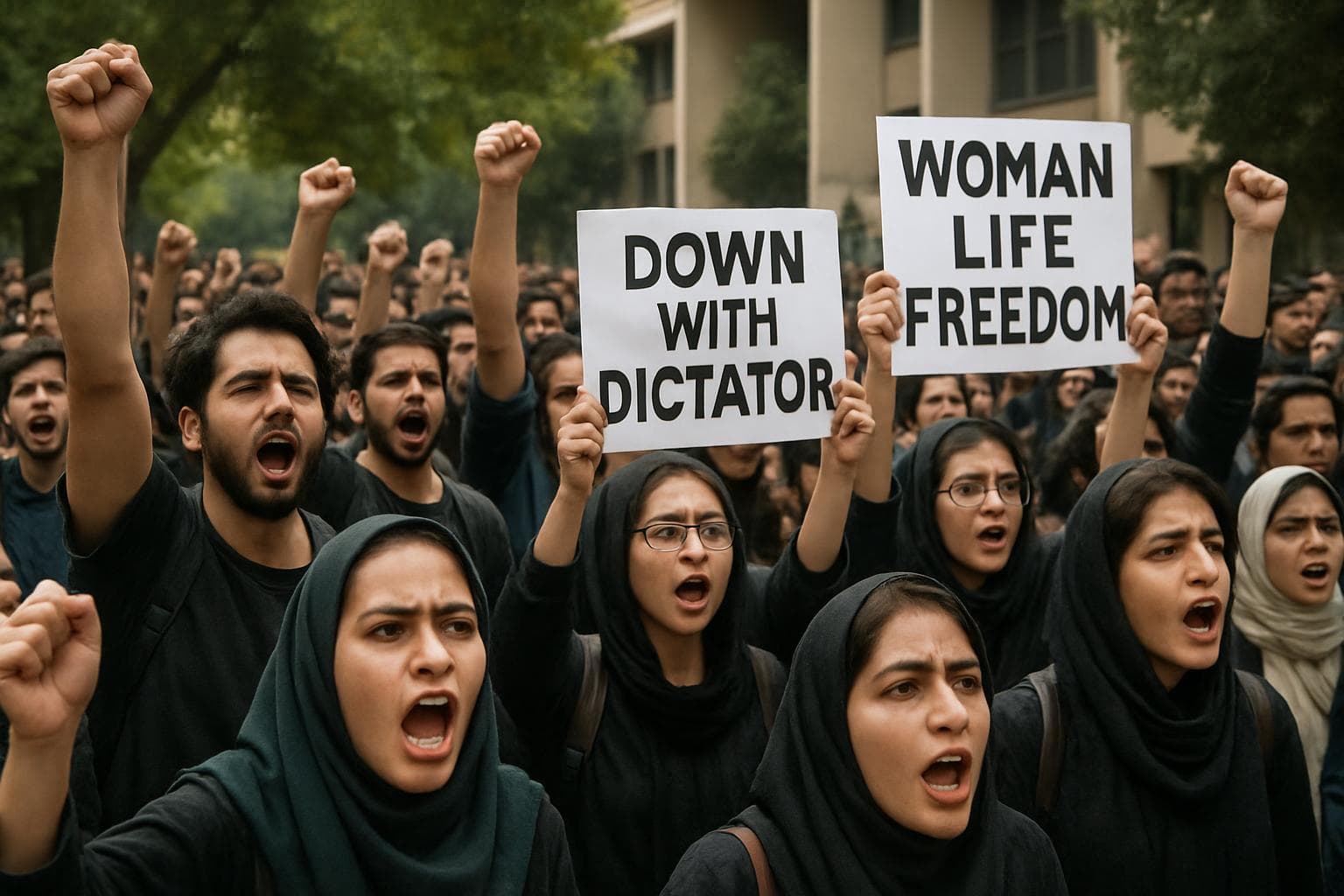
In a bold display of defiance, students across Iran have launched significant anti-government protests, marking the largest demonstrations since last month's crackdown by authorities. The protests, verified by the BBC, erupted at several universities in Tehran, including the Sharif University of Technology, where students chanted slogans against Supreme Leader Ayatollah Ali Khamenei. The rallies come amid escalating tensions between Iran and the United States over nuclear negotiations and potential military conflict.
Student Demonstrations Signal Growing Unrest
The protests, which began as a tribute to those killed in January's mass demonstrations, quickly evolved into a broader movement against the Iranian government. Students at Shahid Beheshti University and Amir Kabir University of Technology joined the call for change, with chants of "Freedom, freedom" echoing across campuses. In Mashhad, Iran's second-largest city, students demanded their rights, signaling widespread discontent.
US Military Buildup and Nuclear Negotiations
As protests unfold, the US has significantly increased its military presence in the Middle East, with President Donald Trump considering limited military strikes if nuclear talks with Iran falter. The US and its European allies suspect Iran of advancing its nuclear program, a claim Tehran denies. Recent discussions in Switzerland between US and Iranian officials have shown progress, yet Trump has set a 10 to 15-day deadline for a deal, warning of "really bad things" if negotiations fail.
Iran's Counterproposal and Diplomatic Efforts
Iran's foreign minister, Abbas Araghchi, announced that a draft counterproposal for nuclear talks is expected within days. Following indirect discussions with US representatives, including Trump's special envoy Steve Witkoff, Araghchi expressed hope for further negotiations. Despite reaching an understanding on guiding principles, a final agreement remains elusive.
WHAT THIS MIGHT MEAN
The unfolding events in Iran could lead to significant geopolitical shifts. If nuclear negotiations fail, the US may resort to military action, further destabilizing the region. The student protests highlight growing domestic unrest, potentially pressuring the Iranian government to address public grievances. As both nations navigate these complex dynamics, the outcome of the nuclear talks will be pivotal in shaping future US-Iran relations and regional stability.
Related Articles

UK Faces Dilemmas Amid Iran Conflict and China Spying Allegations
Intensified US-Israel Strikes on Iran Spark Global Outcry
Iran Postpones Khamenei Funeral Amid Escalating US-Israeli Strikes
Cuba Faces Widespread Blackout Amid Deepening Fuel Crisis
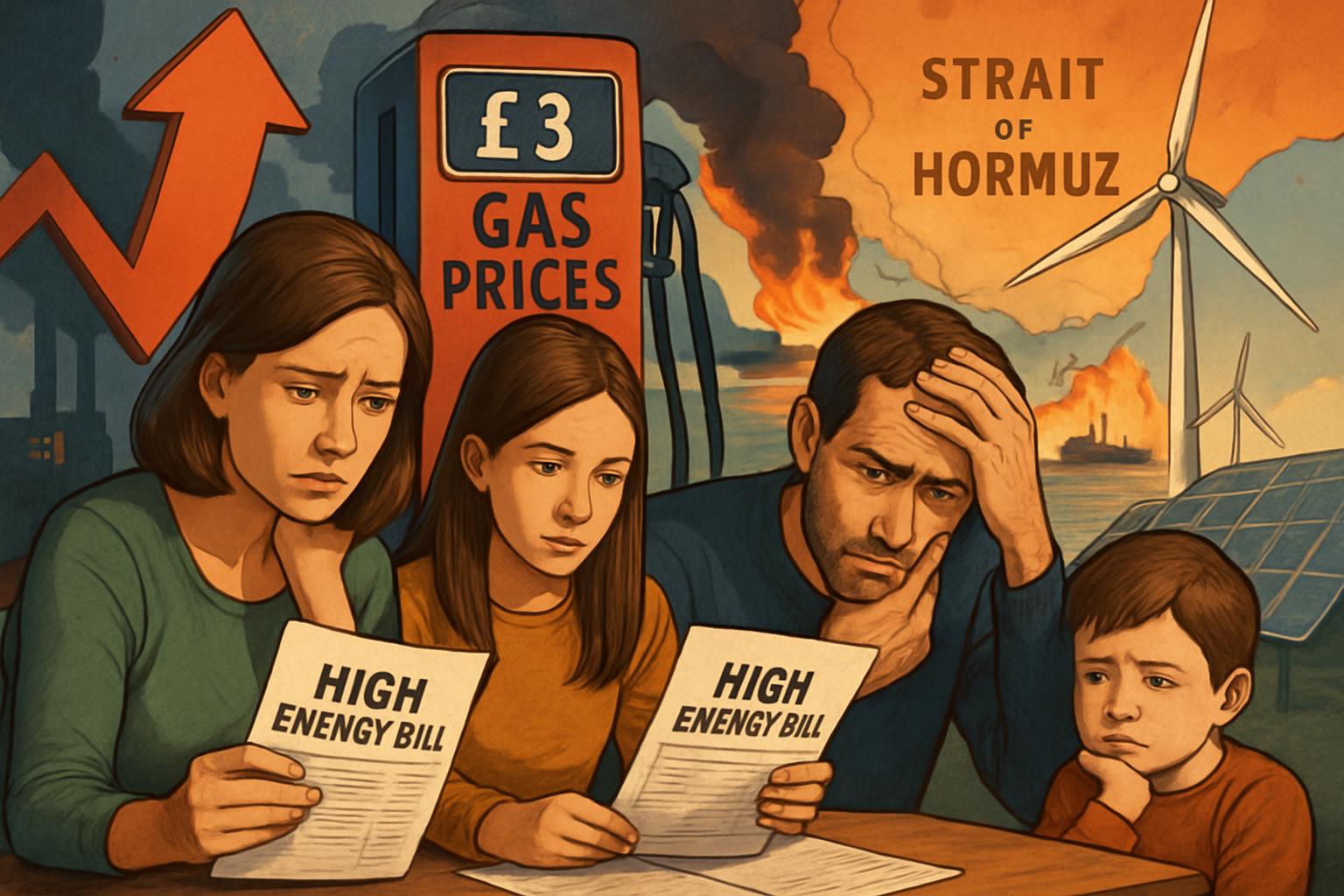
Middle East Conflict Drives UK Energy Prices to New Highs
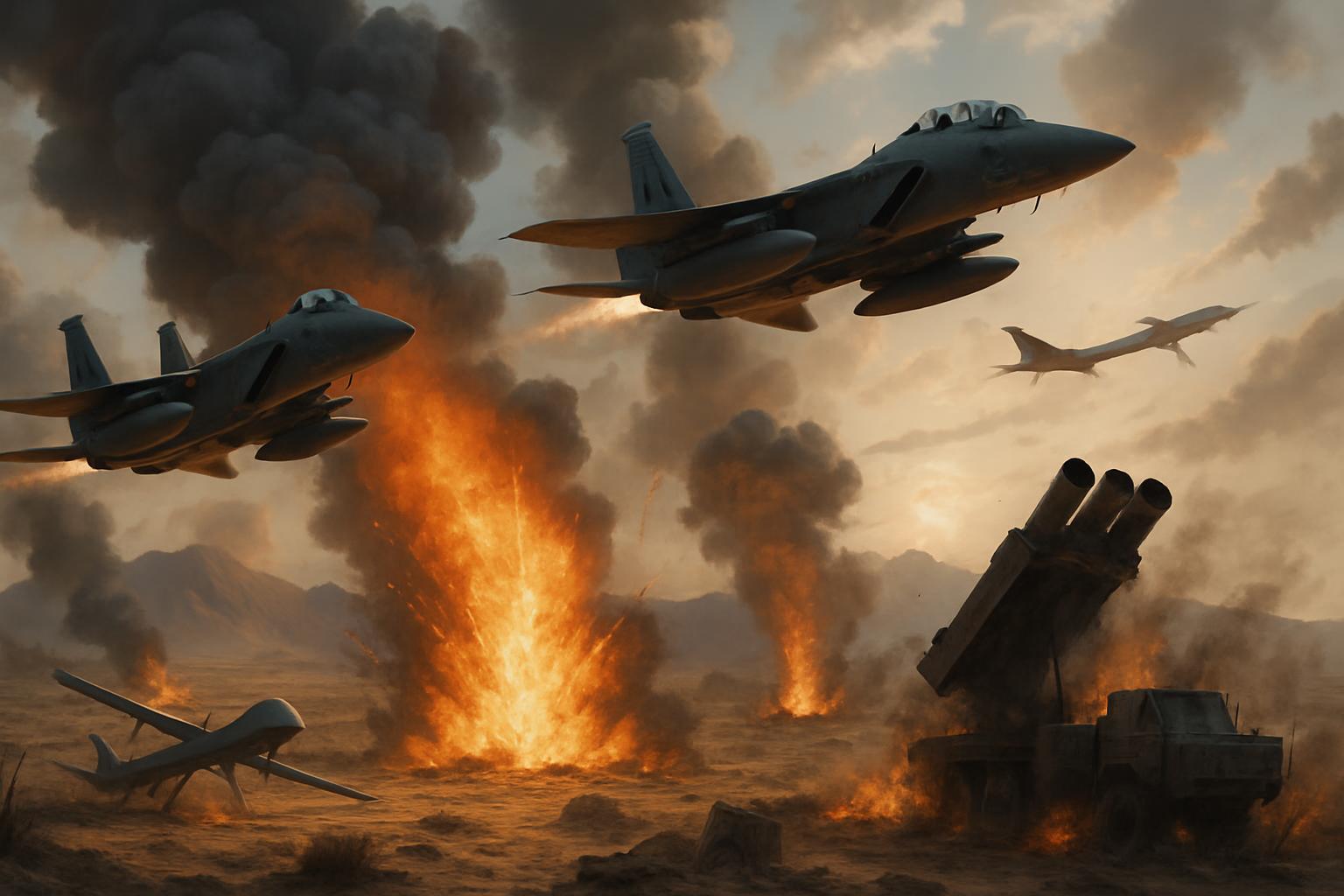
US and Israel Intensify Military Campaign as Iran's Capabilities Dwindle
Iranian Students Lead Major Protests Amid Rising US-Iran Tensions
In This Article
 James Okoro| Published
 HIGHLIGHTS
- Iranian students staged significant anti-government protests, the largest since last month's deadly crackdown, with rallies at several universities in Tehran.
- The US has increased its military presence near Iran, with President Trump considering limited military strikes if nuclear negotiations fail.
- Iran's foreign minister announced a draft counterproposal for nuclear talks, expected to be ready within days, following discussions with US officials.
- The US and its allies suspect Iran is advancing its nuclear program, a claim Iran denies, as tensions rise over potential military conflict.
- Human rights groups report thousands killed in recent protests, with conflicting figures from Iranian authorities.
In a bold display of defiance, students across Iran have launched significant anti-government protests, marking the largest demonstrations since last month's crackdown by authorities. The protests, verified by the BBC, erupted at several universities in Tehran, including the Sharif University of Technology, where students chanted slogans against Supreme Leader Ayatollah Ali Khamenei. The rallies come amid escalating tensions between Iran and the United States over nuclear negotiations and potential military conflict.
Student Demonstrations Signal Growing Unrest
The protests, which began as a tribute to those killed in January's mass demonstrations, quickly evolved into a broader movement against the Iranian government. Students at Shahid Beheshti University and Amir Kabir University of Technology joined the call for change, with chants of "Freedom, freedom" echoing across campuses. In Mashhad, Iran's second-largest city, students demanded their rights, signaling widespread discontent.
US Military Buildup and Nuclear Negotiations
As protests unfold, the US has significantly increased its military presence in the Middle East, with President Donald Trump considering limited military strikes if nuclear talks with Iran falter. The US and its European allies suspect Iran of advancing its nuclear program, a claim Tehran denies. Recent discussions in Switzerland between US and Iranian officials have shown progress, yet Trump has set a 10 to 15-day deadline for a deal, warning of "really bad things" if negotiations fail.
Iran's Counterproposal and Diplomatic Efforts
Iran's foreign minister, Abbas Araghchi, announced that a draft counterproposal for nuclear talks is expected within days. Following indirect discussions with US representatives, including Trump's special envoy Steve Witkoff, Araghchi expressed hope for further negotiations. Despite reaching an understanding on guiding principles, a final agreement remains elusive.
WHAT THIS MIGHT MEAN
The unfolding events in Iran could lead to significant geopolitical shifts. If nuclear negotiations fail, the US may resort to military action, further destabilizing the region. The student protests highlight growing domestic unrest, potentially pressuring the Iranian government to address public grievances. As both nations navigate these complex dynamics, the outcome of the nuclear talks will be pivotal in shaping future US-Iran relations and regional stability.
Related Articles
UK Faces Dilemmas Amid Iran Conflict and China Spying Allegations
Intensified US-Israel Strikes on Iran Spark Global Outcry
Iran Postpones Khamenei Funeral Amid Escalating US-Israeli Strikes
Cuba Faces Widespread Blackout Amid Deepening Fuel Crisis
Middle East Conflict Drives UK Energy Prices to New Highs
US and Israel Intensify Military Campaign as Iran's Capabilities Dwindle