
US Supreme Court Ruling on Trump's Tariffs Sparks Trade Policy Uncertainty

In This Article
HIGHLIGHTS
- The US Supreme Court struck down Trump's tariffs, ruling they exceeded presidential authority under the International Emergency Economic Powers Act.
- Trump plans to impose a new 10% global tariff using a different legal statute, despite the court's decision.
- The ruling has significant implications for US trade policy, affecting businesses and international relations, especially with Canada and Mexico.
- The decision has sparked mixed reactions, with Democrats celebrating it as a win for consumers and Republicans expressing concerns over executive overreach.
- The ruling may lead to complex refund processes for tariffs already paid, adding uncertainty for businesses.
The US Supreme Court's recent decision to strike down President Donald Trump's global tariffs has sent ripples through the business and political landscapes. The court ruled that the tariffs, imposed under the International Emergency Economic Powers Act (IEEPA), exceeded the president's authority, marking a significant check on executive power.
Business Reactions and Economic Implications
Business owners, like Jenelle Peterson of Wild Life Outdoor Adventures, cautiously welcomed the ruling. Peterson, whose profits were significantly impacted by the tariffs, expressed hope for future growth but remained wary of the complexities surrounding potential tariff refunds. "Every percentage point matters," she noted, highlighting the ongoing uncertainty for businesses navigating the tariff landscape.
Despite the ruling, Trump announced plans to implement a new 10% global tariff under a different legal framework, the Trade Act of 1974. This move has left businesses and trade associations on edge, as they brace for continued volatility in global trade dynamics.
Impact on US-Canada Trade Relations
In Canada, the ruling was met with muted celebrations. Canadian Trade Minister Dominic LeBlanc emphasized the need to address remaining tariffs on steel, aluminum, and automobiles. The decision also coincides with the upcoming review of the USMCA, a critical trade agreement involving the US, Canada, and Mexico. LeBlanc reaffirmed Canada's commitment to the trilateral deal, despite the challenges posed by the US's shifting trade policies.
Political Reactions and Legal Context
The ruling has drawn varied political reactions. Democrats, including Senate Minority Leader Chuck Schumer, hailed it as a victory for American consumers, criticizing Trump's "reckless trade war." Meanwhile, some Republicans, like Senator Rand Paul, viewed it as a necessary check on executive overreach.
The court's decision underscores the constitutional principle that Congress holds the power to levy taxes, including tariffs. Chief Justice John Roberts emphasized this point, stating that the imposition of tariffs is a core congressional power.
WHAT THIS MIGHT MEAN
The Supreme Court's ruling introduces a new phase of uncertainty in US trade policy. Businesses may face a protracted process to secure refunds for tariffs already paid, complicating financial planning. The decision also raises questions about the future of the USMCA, as trade negotiations with Canada and Mexico gain urgency.
Politically, the ruling could embolden Congress to assert greater control over trade policy, potentially leading to legislative efforts to clarify the limits of executive authority. As Trump seeks alternative avenues to impose tariffs, the balance of power between the executive and legislative branches will remain a focal point in the ongoing debate over US trade policy.
Images from the Web

Related Articles
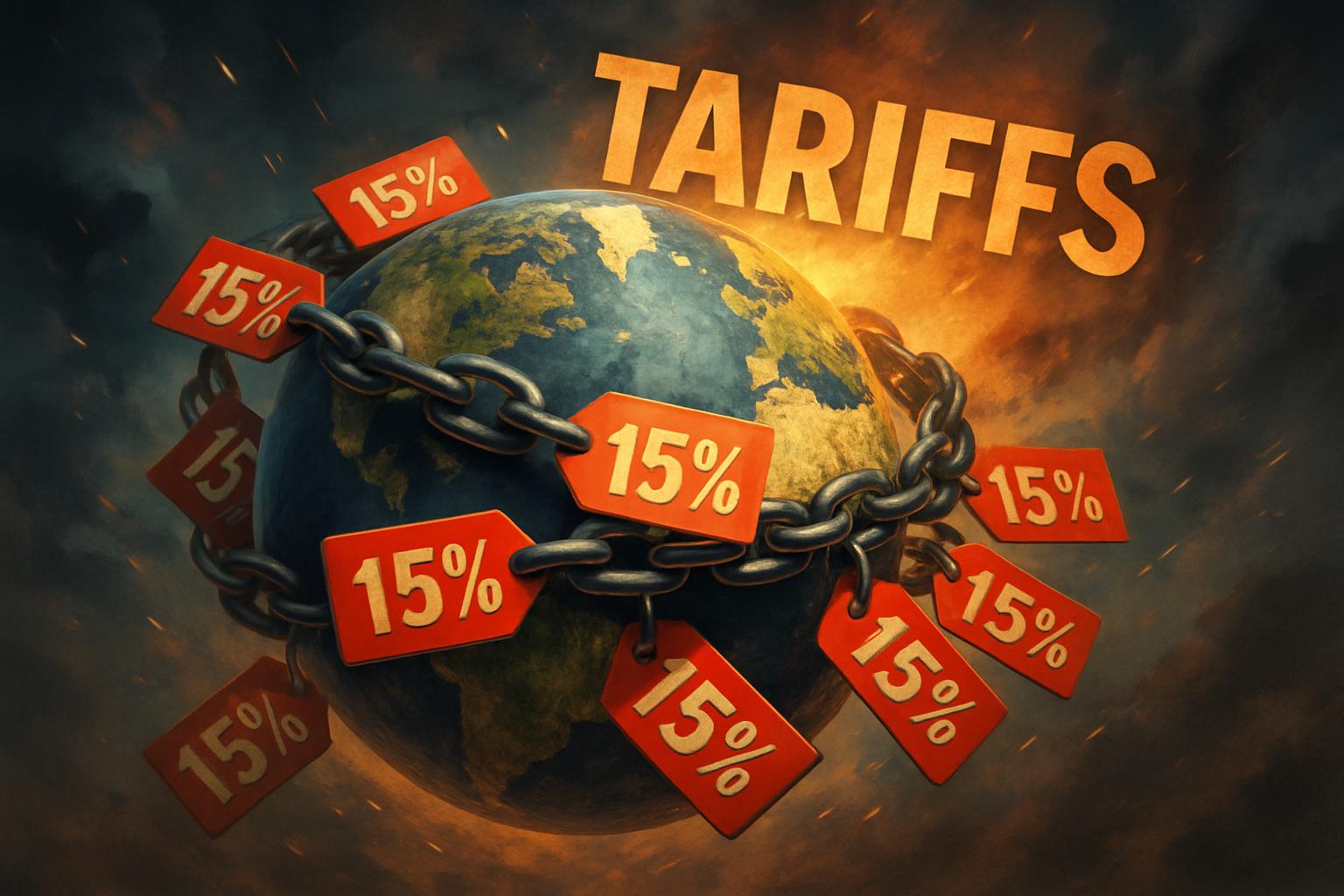
Trump's New Tariff Strategy Sparks Global Trade Uncertainty

Tech Giants Pledge to Cover AI Data Center Energy Costs Amid Rising Electricity Concerns
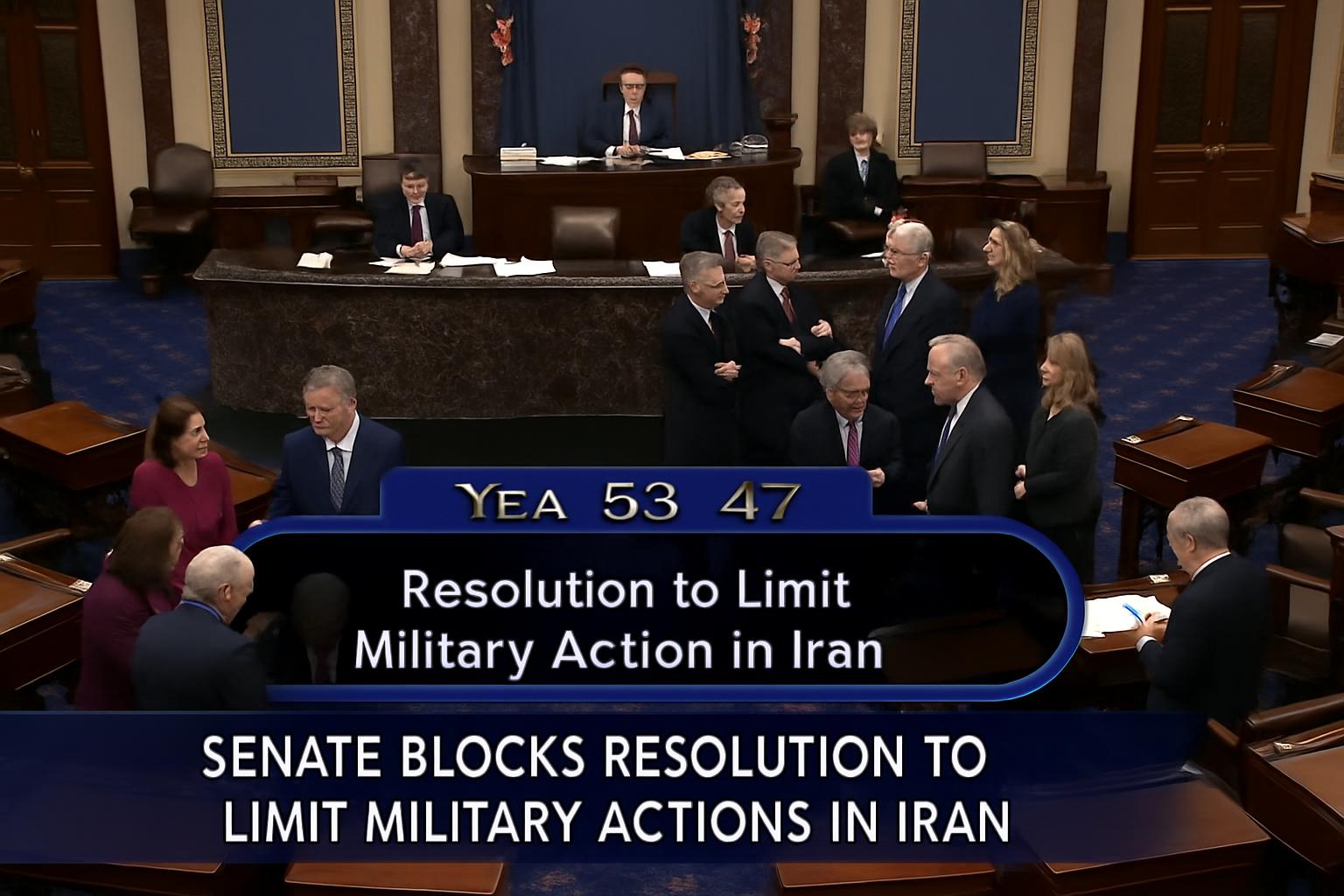
Senate Blocks Resolution to Limit Trump's Military Actions in Iran
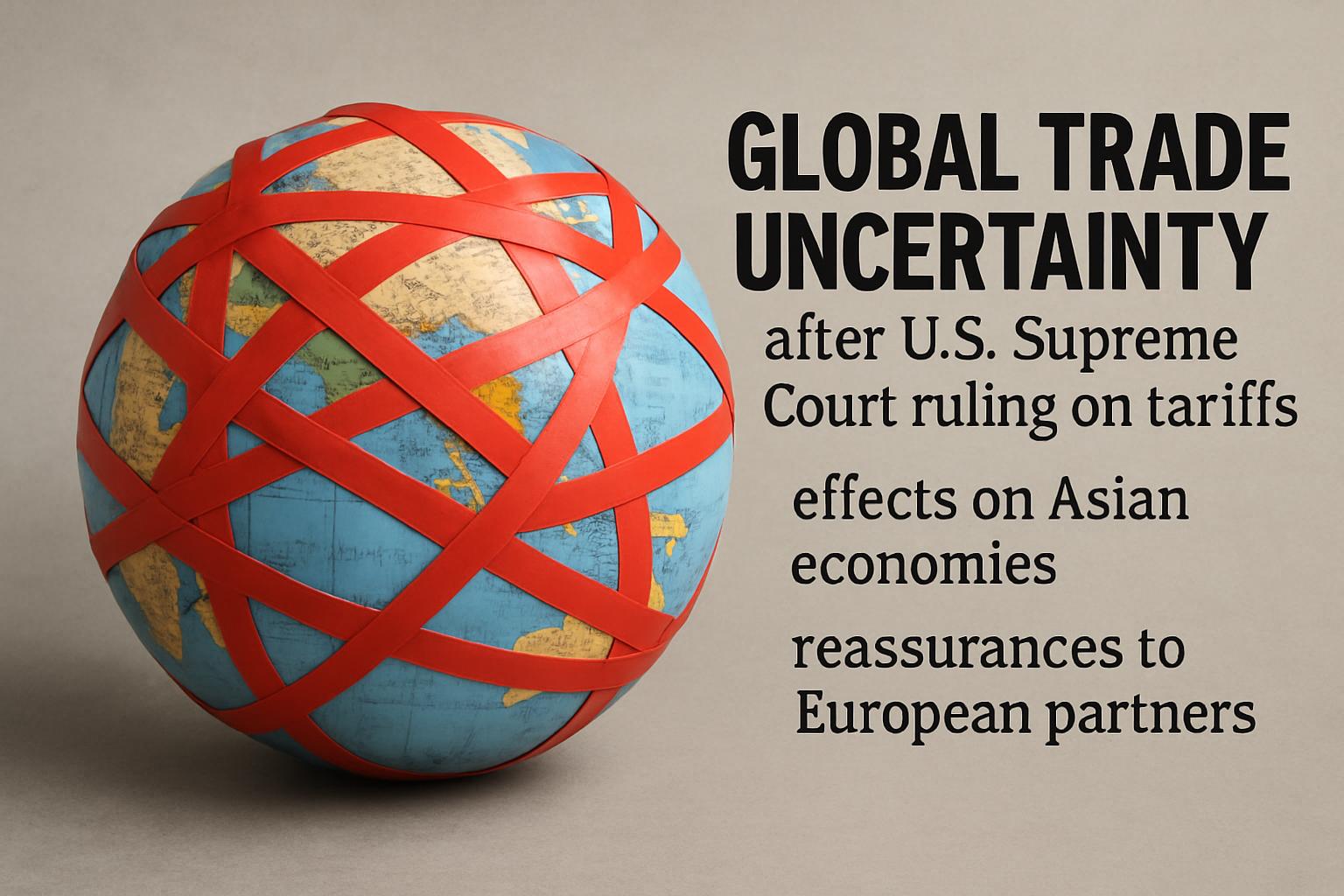
US Supreme Court Ruling Sparks Trade Uncertainty in Asia and Beyond
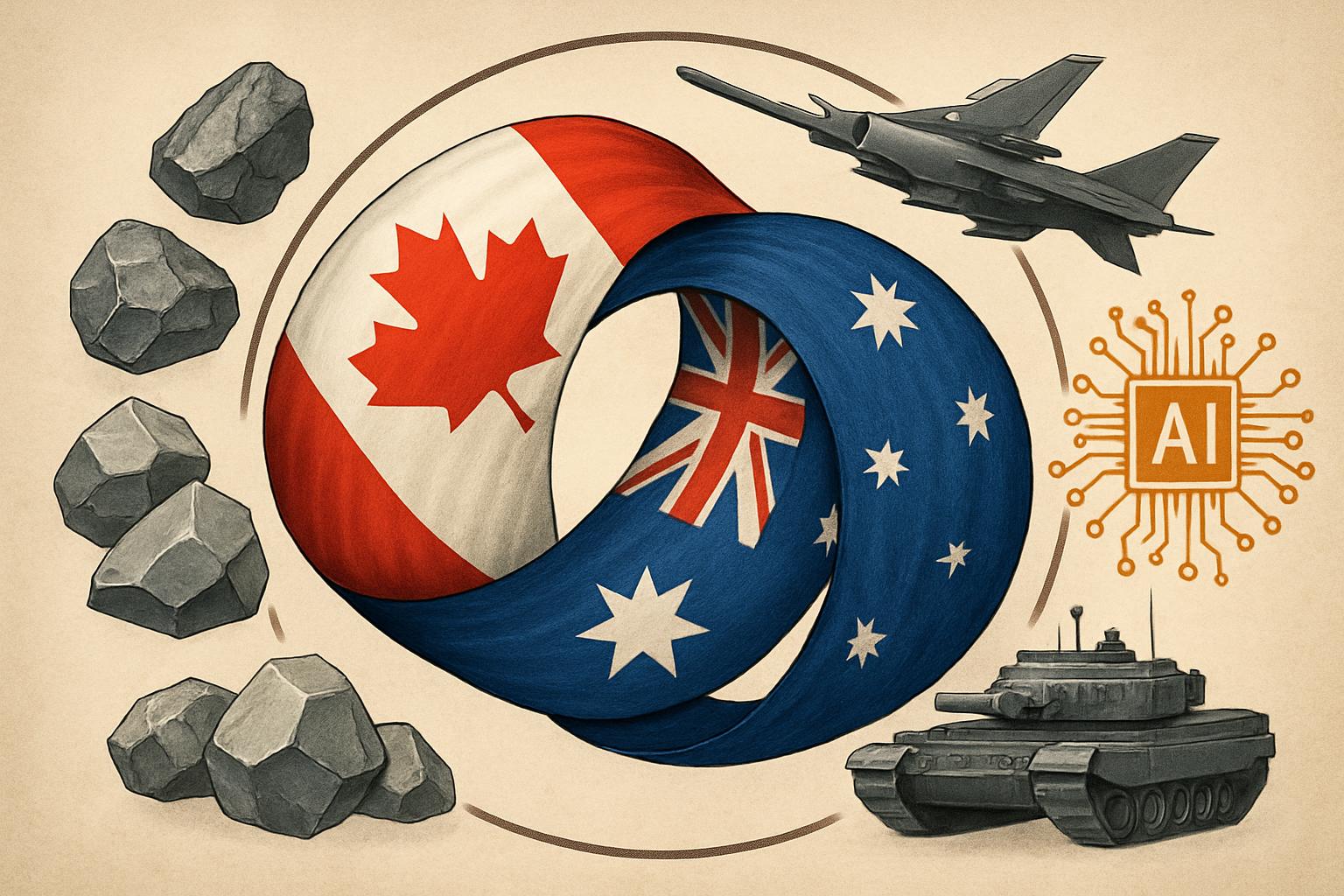
Canada and Australia Forge Strategic Partnership Amid Global Uncertainty
Congress Subpoenas Attorney General Bondi in Epstein Investigation
US Supreme Court Ruling on Trump's Tariffs Sparks Trade Policy Uncertainty
In This Article
 Daniel Rivera| Published
 HIGHLIGHTS
- The US Supreme Court struck down Trump's tariffs, ruling they exceeded presidential authority under the International Emergency Economic Powers Act.
- Trump plans to impose a new 10% global tariff using a different legal statute, despite the court's decision.
- The ruling has significant implications for US trade policy, affecting businesses and international relations, especially with Canada and Mexico.
- The decision has sparked mixed reactions, with Democrats celebrating it as a win for consumers and Republicans expressing concerns over executive overreach.
- The ruling may lead to complex refund processes for tariffs already paid, adding uncertainty for businesses.
The US Supreme Court's recent decision to strike down President Donald Trump's global tariffs has sent ripples through the business and political landscapes. The court ruled that the tariffs, imposed under the International Emergency Economic Powers Act (IEEPA), exceeded the president's authority, marking a significant check on executive power.
Business Reactions and Economic Implications
Business owners, like Jenelle Peterson of Wild Life Outdoor Adventures, cautiously welcomed the ruling. Peterson, whose profits were significantly impacted by the tariffs, expressed hope for future growth but remained wary of the complexities surrounding potential tariff refunds. "Every percentage point matters," she noted, highlighting the ongoing uncertainty for businesses navigating the tariff landscape.
Despite the ruling, Trump announced plans to implement a new 10% global tariff under a different legal framework, the Trade Act of 1974. This move has left businesses and trade associations on edge, as they brace for continued volatility in global trade dynamics.
Impact on US-Canada Trade Relations
In Canada, the ruling was met with muted celebrations. Canadian Trade Minister Dominic LeBlanc emphasized the need to address remaining tariffs on steel, aluminum, and automobiles. The decision also coincides with the upcoming review of the USMCA, a critical trade agreement involving the US, Canada, and Mexico. LeBlanc reaffirmed Canada's commitment to the trilateral deal, despite the challenges posed by the US's shifting trade policies.
Political Reactions and Legal Context
The ruling has drawn varied political reactions. Democrats, including Senate Minority Leader Chuck Schumer, hailed it as a victory for American consumers, criticizing Trump's "reckless trade war." Meanwhile, some Republicans, like Senator Rand Paul, viewed it as a necessary check on executive overreach.
The court's decision underscores the constitutional principle that Congress holds the power to levy taxes, including tariffs. Chief Justice John Roberts emphasized this point, stating that the imposition of tariffs is a core congressional power.
WHAT THIS MIGHT MEAN
The Supreme Court's ruling introduces a new phase of uncertainty in US trade policy. Businesses may face a protracted process to secure refunds for tariffs already paid, complicating financial planning. The decision also raises questions about the future of the USMCA, as trade negotiations with Canada and Mexico gain urgency.
Politically, the ruling could embolden Congress to assert greater control over trade policy, potentially leading to legislative efforts to clarify the limits of executive authority. As Trump seeks alternative avenues to impose tariffs, the balance of power between the executive and legislative branches will remain a focal point in the ongoing debate over US trade policy.
Images from the Web
Related Articles
Trump's New Tariff Strategy Sparks Global Trade Uncertainty
Tech Giants Pledge to Cover AI Data Center Energy Costs Amid Rising Electricity Concerns
Senate Blocks Resolution to Limit Trump's Military Actions in Iran
US Supreme Court Ruling Sparks Trade Uncertainty in Asia and Beyond
Canada and Australia Forge Strategic Partnership Amid Global Uncertainty
Congress Subpoenas Attorney General Bondi in Epstein Investigation