
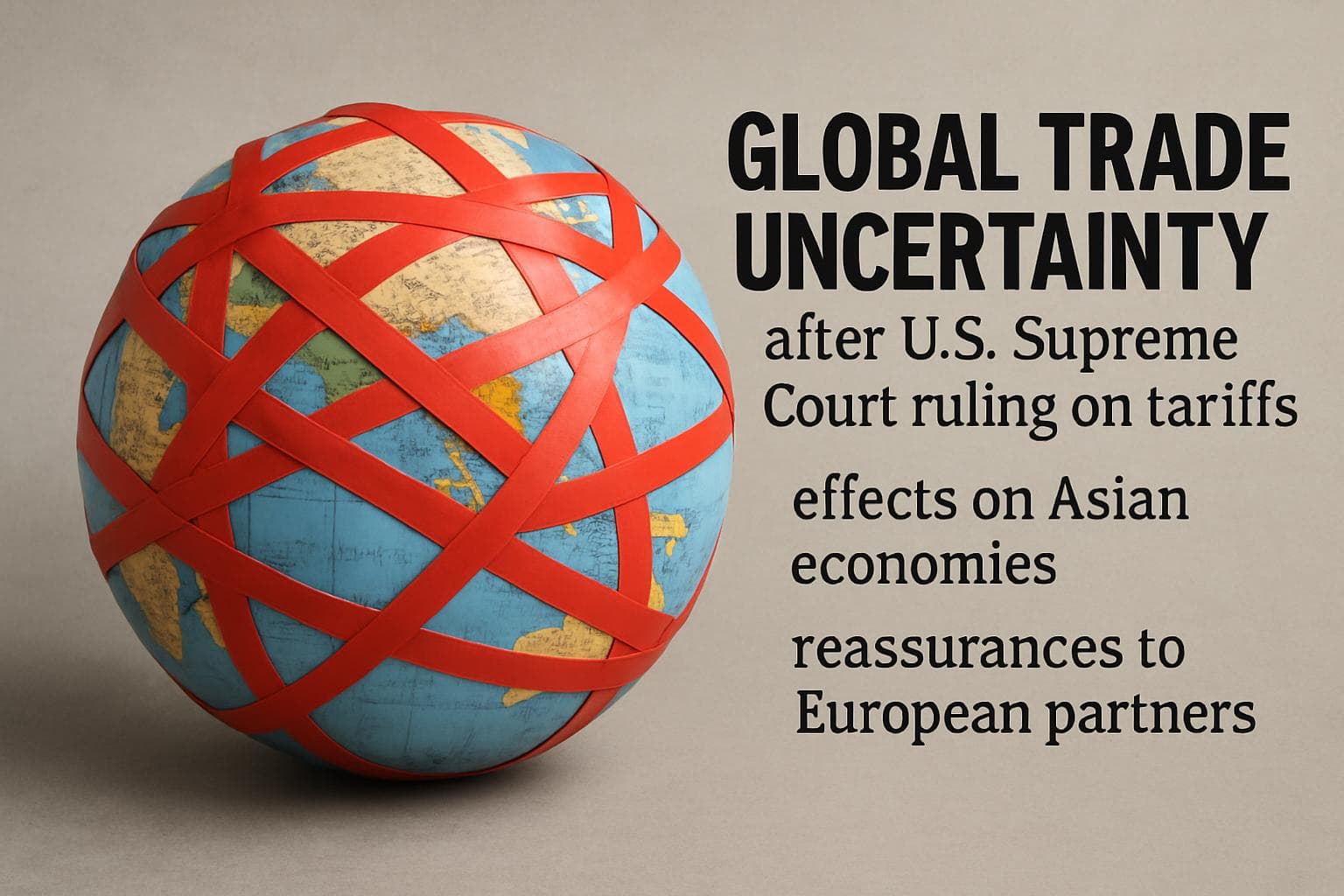
US Supreme Court Ruling Sparks Trade Uncertainty in Asia and Beyond
In This Article
HIGHLIGHTS
- The US Supreme Court ruled many of Trump's tariffs illegal, prompting a new 15% global tariff on imports.
- Asian countries face uncertainty as they reassess trade deals with the US amid potential new tariffs.
- The US Trade Representative assured that existing deals with the UK, EU, and others will remain intact.
- The EU and UK express concerns over the impact of new tariffs on existing agreements.
- China and other Asian nations are evaluating the implications of the ruling on their economies.
The recent US Supreme Court decision declaring many of former President Donald Trump's tariffs illegal has sent ripples through global trade networks, particularly affecting key US trading partners in Asia. In response, Trump announced a new 15% global tariff on imports, reigniting concerns of a trade war.
Impact on Asian Economies
Asian countries, including India and Indonesia, are grappling with the implications of the ruling. These nations had invested heavily in negotiating trade deals with the US, and the new tariff announcement has introduced fresh uncertainty. "Even if countries decide to negotiate, the current US administration is still keen on enforcing higher tariffs," noted Adam Samdin from Oxford Economics. Smaller Asian economies remain cautious, aware that their economic fortunes are closely tied to their relationship with the US administration.
China, preparing to host Trump in April, is conducting a comprehensive assessment of the ruling's impact. A spokesperson from China's Ministry of Commerce reiterated the country's opposition to unilateral tariff increases, emphasizing that protectionism benefits no one.
Reassurances to European Partners
Meanwhile, US Trade Representative Jamieson Greer assured that existing tariff deals with countries like the UK, EU, and Japan will remain unaffected by the new levy. "We want them to understand these deals are going to be good deals," Greer stated, emphasizing the US's commitment to its partners.
However, the EU expressed concerns that the new tariffs could undermine previous agreements, such as the 15% import tariff deal struck last July. The EU urged the US to honor its commitments, highlighting its status as the US's largest trading partner.
UK and EU Concerns
In the UK, Education Secretary Bridget Phillipson acknowledged the uncertainty facing British businesses but expressed confidence in maintaining preferential trade arrangements with the US. Business leaders echoed this sentiment, urging the UK to strengthen existing deals rather than abandon them.
The German MEP Bernd Lange suggested that a planned vote on the US-EU trade deal might be postponed due to the evolving situation. The deal, while implemented in the US, still requires EU parliamentary approval.
WHAT THIS MIGHT MEAN
The Supreme Court's ruling and subsequent tariff announcements could lead to a reevaluation of international trade strategies. Asian countries may seek to diversify their trade partnerships to mitigate reliance on the US market. Meanwhile, the EU and UK will likely push for clarity and stability in their trade agreements with the US.
Experts suggest that the new tariffs could strain US relations with its allies, potentially leading to retaliatory measures. As countries navigate this complex landscape, the focus will be on maintaining economic stability and fostering cooperative trade relations.
Related Articles

UK Faces Dilemmas Amid Iran Conflict and China Spying Allegations
UK-Iran Tensions: Starmer Defends Cautious Approach Amid Trump Criticism
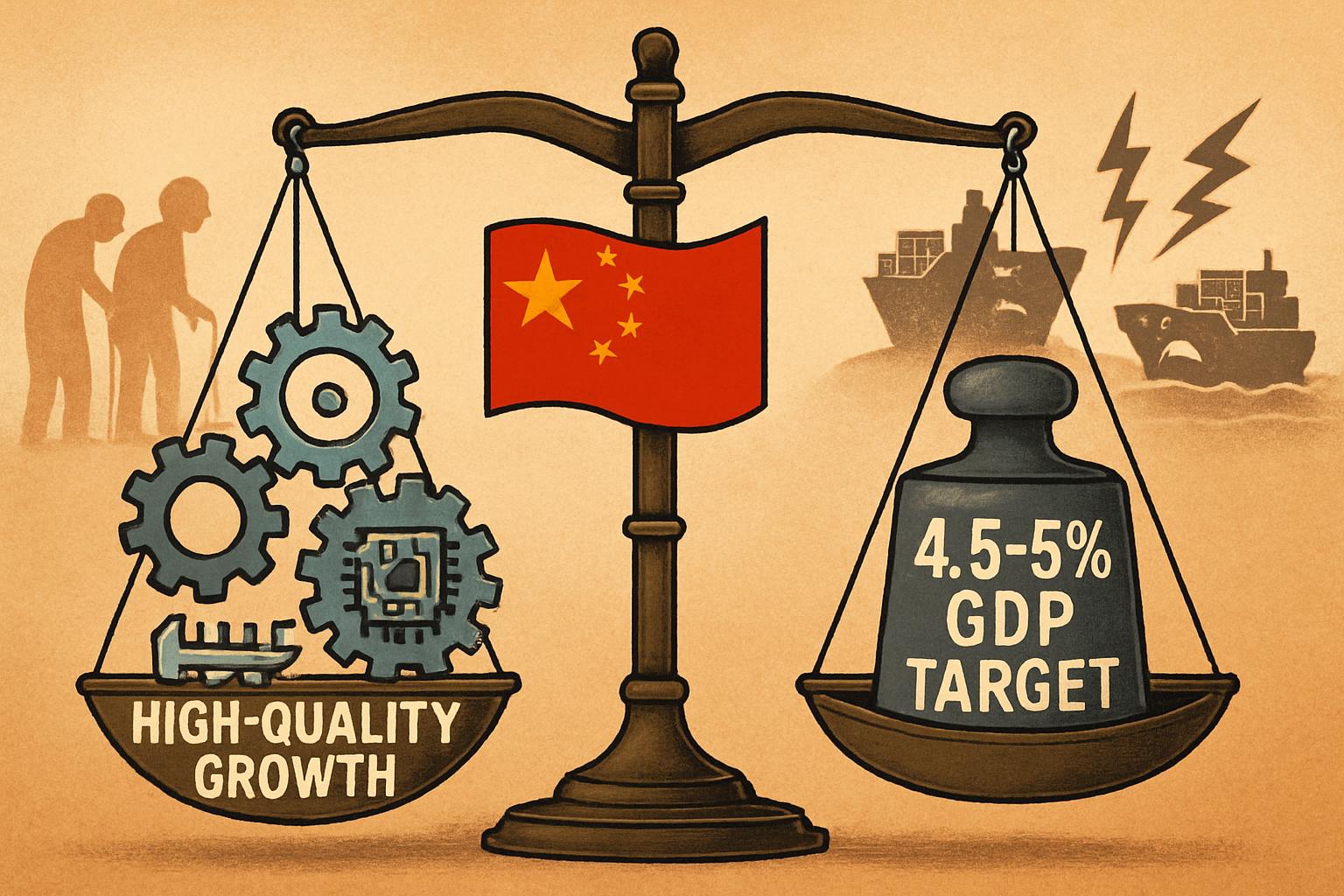
China Sets Lowest GDP Growth Target in Decades Amid Economic Challenges
Canada and Australia Forge Strategic Partnership Amid Global Uncertainty

Tech Giants Pledge to Cover AI Data Center Energy Costs Amid Rising Electricity Concerns
UK Government to Reform Asylum Seeker Support and Employment Policies
US Supreme Court Ruling Sparks Trade Uncertainty in Asia and Beyond
In This Article
HIGHLIGHTS
- The US Supreme Court ruled many of Trump's tariffs illegal, prompting a new 15% global tariff on imports.
- Asian countries face uncertainty as they reassess trade deals with the US amid potential new tariffs.
- The US Trade Representative assured that existing deals with the UK, EU, and others will remain intact.
- The EU and UK express concerns over the impact of new tariffs on existing agreements.
- China and other Asian nations are evaluating the implications of the ruling on their economies.
The recent US Supreme Court decision declaring many of former President Donald Trump's tariffs illegal has sent ripples through global trade networks, particularly affecting key US trading partners in Asia. In response, Trump announced a new 15% global tariff on imports, reigniting concerns of a trade war.
Impact on Asian Economies
Asian countries, including India and Indonesia, are grappling with the implications of the ruling. These nations had invested heavily in negotiating trade deals with the US, and the new tariff announcement has introduced fresh uncertainty. "Even if countries decide to negotiate, the current US administration is still keen on enforcing higher tariffs," noted Adam Samdin from Oxford Economics. Smaller Asian economies remain cautious, aware that their economic fortunes are closely tied to their relationship with the US administration.
China, preparing to host Trump in April, is conducting a comprehensive assessment of the ruling's impact. A spokesperson from China's Ministry of Commerce reiterated the country's opposition to unilateral tariff increases, emphasizing that protectionism benefits no one.
Reassurances to European Partners
Meanwhile, US Trade Representative Jamieson Greer assured that existing tariff deals with countries like the UK, EU, and Japan will remain unaffected by the new levy. "We want them to understand these deals are going to be good deals," Greer stated, emphasizing the US's commitment to its partners.
However, the EU expressed concerns that the new tariffs could undermine previous agreements, such as the 15% import tariff deal struck last July. The EU urged the US to honor its commitments, highlighting its status as the US's largest trading partner.
UK and EU Concerns
In the UK, Education Secretary Bridget Phillipson acknowledged the uncertainty facing British businesses but expressed confidence in maintaining preferential trade arrangements with the US. Business leaders echoed this sentiment, urging the UK to strengthen existing deals rather than abandon them.
The German MEP Bernd Lange suggested that a planned vote on the US-EU trade deal might be postponed due to the evolving situation. The deal, while implemented in the US, still requires EU parliamentary approval.
WHAT THIS MIGHT MEAN
The Supreme Court's ruling and subsequent tariff announcements could lead to a reevaluation of international trade strategies. Asian countries may seek to diversify their trade partnerships to mitigate reliance on the US market. Meanwhile, the EU and UK will likely push for clarity and stability in their trade agreements with the US.
Experts suggest that the new tariffs could strain US relations with its allies, potentially leading to retaliatory measures. As countries navigate this complex landscape, the focus will be on maintaining economic stability and fostering cooperative trade relations.
Related Articles
UK Faces Dilemmas Amid Iran Conflict and China Spying Allegations
UK-Iran Tensions: Starmer Defends Cautious Approach Amid Trump Criticism
China Sets Lowest GDP Growth Target in Decades Amid Economic Challenges
Canada and Australia Forge Strategic Partnership Amid Global Uncertainty
Tech Giants Pledge to Cover AI Data Center Energy Costs Amid Rising Electricity Concerns
UK Government to Reform Asylum Seeker Support and Employment Policies