
UK Government to Reform Asylum Seeker Support and Employment Policies
In This Article
HIGHLIGHTS
- Home Secretary Shabana Mahmood plans to introduce new measures affecting asylum seeker support and accommodation in the UK.
- Asylum seekers who break the law or work illegally may lose government-funded support starting in June.
- Up to 21,000 asylum seekers waiting over a year for claims may be allowed to work under the new policy.
- The Refugee Council warns these changes could increase rough sleeping and shift costs to local councils and the NHS.
- The Labour Party faces internal debate over its migration policies following a by-election loss to the Green Party.
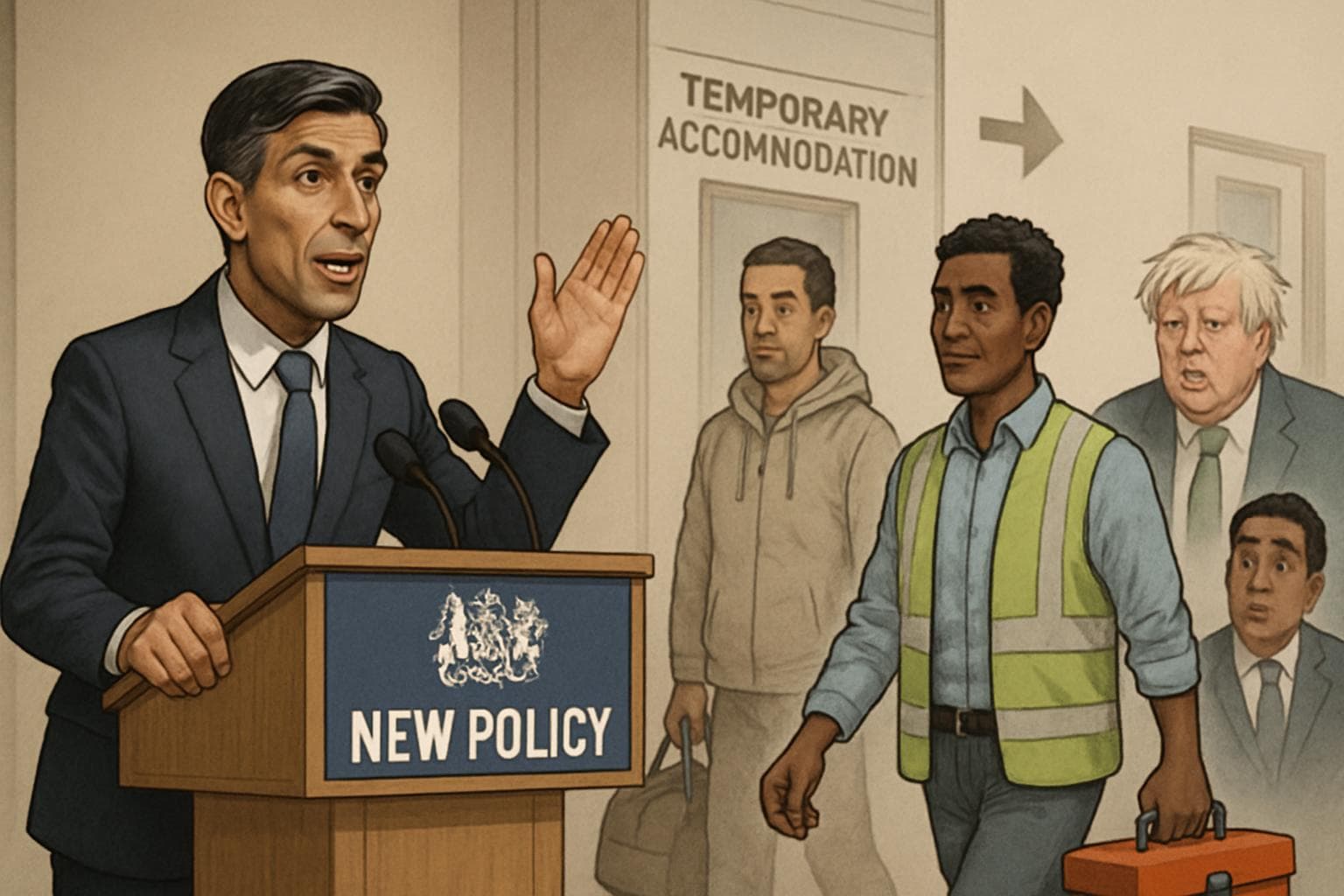
Home Secretary Shabana Mahmood is set to unveil a series of reforms aimed at reshaping the support system for asylum seekers in the UK. The new measures, which will be detailed in a speech to the Institute for Public Policy Research (IPPR) on Thursday, are expected to take effect in June. These changes will see asylum seekers who violate the law or work illegally losing their government-funded accommodation and support payments.
Policy Changes and Implications
The Home Office plans to allow up to 21,000 asylum seekers, who have been waiting over a year for their claims to be processed, to enter the job market. This move is part of a broader strategy to reduce the number of people living in asylum hotels, currently estimated at around 30,600. The government aims to reserve support only for those who genuinely need it, echoing a system similar to Denmark's.
However, the Refugee Council has raised concerns that these changes could lead to an increase in rough sleeping, potentially shifting financial burdens onto local councils and the NHS. Imran Hussain, the charity's director of external affairs, emphasized that speeding up decision-making would be a more effective cost-reduction strategy.
Political Reactions and Labour Party Dynamics
The proposed reforms have sparked a mixed response within the political landscape. While the Conservative Party argues that the measures should go further, the Green Party has criticized them as echoing far-right rhetoric. Within the Labour Party, Mahmood's approach has been met with skepticism, especially following a recent by-election defeat to the Greens in Gorton and Denton.
In a column for The Guardian, Mahmood defended her stance, asserting that restoring order at the borders aligns with Labour values. She emphasized the need for a balanced approach, avoiding extremes on both sides of the political spectrum. The Home Office also plans to introduce a new "safe and legal" route for students seeking refuge in the autumn.
Legal Context and Future Developments
The legislation to be published on Thursday will remove the current legal duty to guarantee support to asylum seekers at risk of destitution. Instead, support will be conditional, focusing on those who comply with the law and lack the means to support themselves. The criteria for determining an individual's ability to self-support will be assessed on a case-by-case basis.
WHAT THIS MIGHT MEAN
The upcoming changes to the UK's asylum seeker support system could have significant legal and social implications. If implemented, the reforms may lead to a reduction in government spending on asylum accommodation but could also result in increased homelessness among vulnerable populations. The Labour Party's internal debate over migration policies may intensify, especially if the changes lead to further electoral challenges. Experts suggest that the success of these measures will largely depend on the government's ability to streamline the asylum claim process and provide clear pathways for legal employment.
Related Articles

UK Faces Dilemmas Amid Iran Conflict and China Spying Allegations

Labour MP's Husband Arrested in UK-China Espionage Probe

UK-Iran Tensions: Starmer Defends Cautious Approach Amid Trump Criticism
Persistent Safety Concerns in Nottingham Maternity Services Amidst Calls for Systemic Reform

UK Reinforces Military Presence in Cyprus Amid Middle East Tensions

Diplomatic Tensions Rise as Trump Criticizes Starmer's Iran Policy
UK Government to Reform Asylum Seeker Support and Employment Policies
In This Article
 Ethan Brooks| Published
 HIGHLIGHTS
- Home Secretary Shabana Mahmood plans to introduce new measures affecting asylum seeker support and accommodation in the UK.
- Asylum seekers who break the law or work illegally may lose government-funded support starting in June.
- Up to 21,000 asylum seekers waiting over a year for claims may be allowed to work under the new policy.
- The Refugee Council warns these changes could increase rough sleeping and shift costs to local councils and the NHS.
- The Labour Party faces internal debate over its migration policies following a by-election loss to the Green Party.
Home Secretary Shabana Mahmood is set to unveil a series of reforms aimed at reshaping the support system for asylum seekers in the UK. The new measures, which will be detailed in a speech to the Institute for Public Policy Research (IPPR) on Thursday, are expected to take effect in June. These changes will see asylum seekers who violate the law or work illegally losing their government-funded accommodation and support payments.
Policy Changes and Implications
The Home Office plans to allow up to 21,000 asylum seekers, who have been waiting over a year for their claims to be processed, to enter the job market. This move is part of a broader strategy to reduce the number of people living in asylum hotels, currently estimated at around 30,600. The government aims to reserve support only for those who genuinely need it, echoing a system similar to Denmark's.
However, the Refugee Council has raised concerns that these changes could lead to an increase in rough sleeping, potentially shifting financial burdens onto local councils and the NHS. Imran Hussain, the charity's director of external affairs, emphasized that speeding up decision-making would be a more effective cost-reduction strategy.
Political Reactions and Labour Party Dynamics
The proposed reforms have sparked a mixed response within the political landscape. While the Conservative Party argues that the measures should go further, the Green Party has criticized them as echoing far-right rhetoric. Within the Labour Party, Mahmood's approach has been met with skepticism, especially following a recent by-election defeat to the Greens in Gorton and Denton.
In a column for The Guardian, Mahmood defended her stance, asserting that restoring order at the borders aligns with Labour values. She emphasized the need for a balanced approach, avoiding extremes on both sides of the political spectrum. The Home Office also plans to introduce a new "safe and legal" route for students seeking refuge in the autumn.
Legal Context and Future Developments
The legislation to be published on Thursday will remove the current legal duty to guarantee support to asylum seekers at risk of destitution. Instead, support will be conditional, focusing on those who comply with the law and lack the means to support themselves. The criteria for determining an individual's ability to self-support will be assessed on a case-by-case basis.
WHAT THIS MIGHT MEAN
The upcoming changes to the UK's asylum seeker support system could have significant legal and social implications. If implemented, the reforms may lead to a reduction in government spending on asylum accommodation but could also result in increased homelessness among vulnerable populations. The Labour Party's internal debate over migration policies may intensify, especially if the changes lead to further electoral challenges. Experts suggest that the success of these measures will largely depend on the government's ability to streamline the asylum claim process and provide clear pathways for legal employment.
Related Articles
UK Faces Dilemmas Amid Iran Conflict and China Spying Allegations
Labour MP's Husband Arrested in UK-China Espionage Probe
UK-Iran Tensions: Starmer Defends Cautious Approach Amid Trump Criticism
Persistent Safety Concerns in Nottingham Maternity Services Amidst Calls for Systemic Reform
UK Reinforces Military Presence in Cyprus Amid Middle East Tensions
Diplomatic Tensions Rise as Trump Criticizes Starmer's Iran Policy