
Persistent Safety Concerns in Nottingham Maternity Services Amidst Calls for Systemic Reform
In This Article
HIGHLIGHTS
- The Care Quality Commission (CQC) found ongoing safety issues in Nottingham's maternity services, with a "requires improvement" rating.
- A major NHS inquiry, led by Donna Ockenden, is reviewing approximately 2,500 cases of baby deaths and injuries at Nottingham University Hospitals.
- Reports highlight systemic issues in maternity services, emphasizing the need for investment in staffing and training rather than additional reviews.
- Concerns about staff well-being and management visibility were noted, with some staff feeling unsupported and fearing a blame culture.
- The Royal College of Midwives reports that 31% of graduates struggle to find jobs, despite a shortage of midwives impacting patient safety.
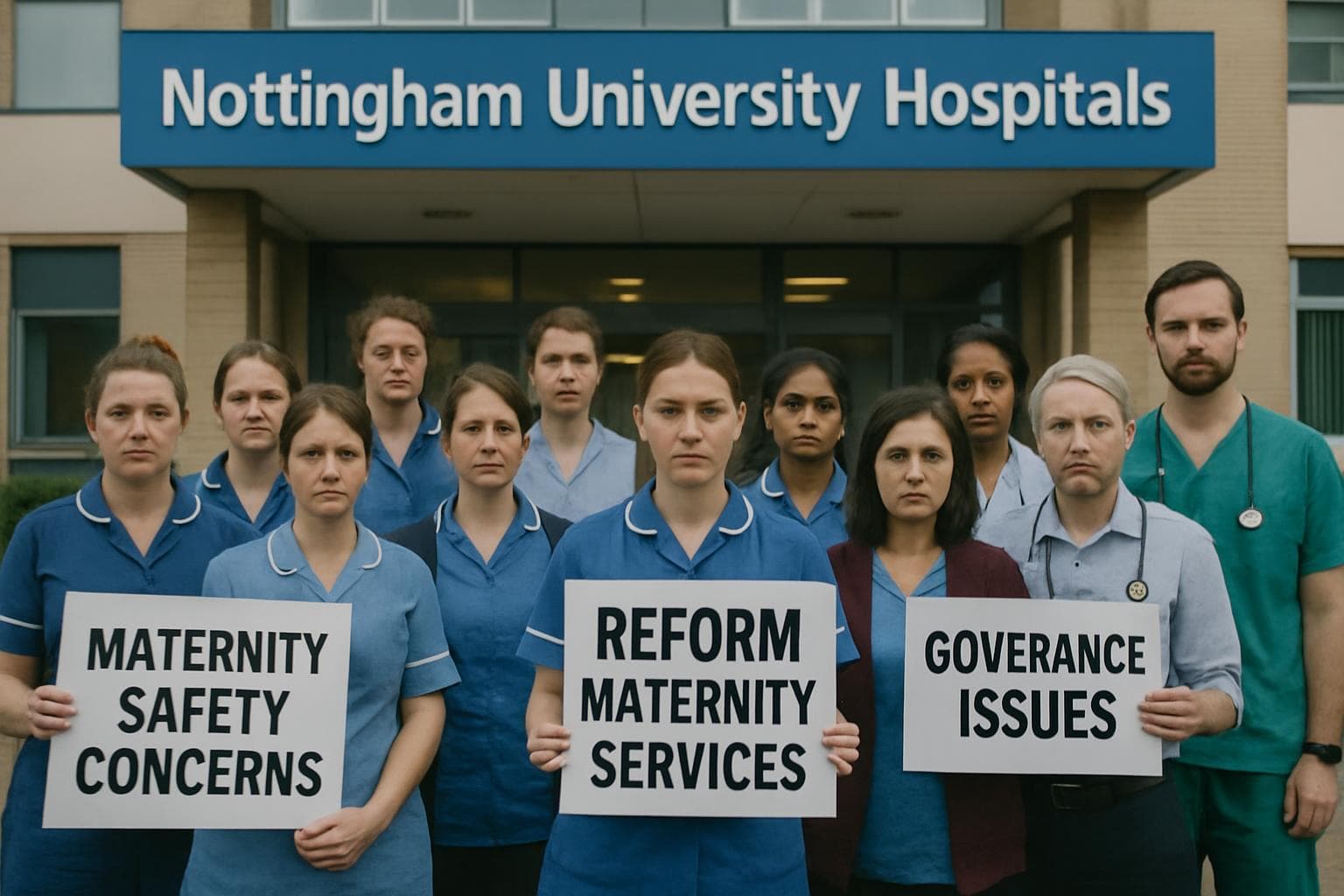
Maternity services at Nottingham University Hospitals NHS Trust remain under scrutiny following a recent Care Quality Commission (CQC) report that highlights ongoing safety concerns. Despite efforts to improve, the services at Nottingham City Hospital and Queen's Medical Centre received a "requires improvement" rating, mirroring last year's assessment. The CQC's unannounced inspections in May revealed staffing gaps and breaches of the Health and Social Care Act 2008, particularly in security and governance.
Ongoing NHS Inquiry and Systemic Issues
The maternity services are currently the focus of the largest inquiry of its kind in NHS history, led by senior midwife Donna Ockenden. This review, examining around 2,500 cases of baby deaths and injuries, is expected to conclude later this year. The inquiry underscores the urgent need for systemic changes in maternity care, as highlighted by various reports over the years.
Staffing and Training: A Call for Investment
Experts argue that the solution lies not in further reviews but in meaningful investment in staffing and training. Judith Robbins, a senior midwife, emphasizes the importance of sustainable staffing levels and high-quality support for clinicians. The Royal College of Midwives reports that despite a shortage of midwives, 31% of graduates are unable to secure employment, exacerbating the crisis.
Management and Culture Concerns
The CQC report also pointed to issues with management visibility and staff well-being. Some staff expressed concerns about a culture of blame during incident investigations, which could hinder open communication and learning. Anthony May, chief executive at NUH, acknowledged these concerns and outlined steps taken to address them, including improved feedback mechanisms and safety drills.
Human Impact and Broader Context
The human impact of these systemic failures is profound, with families affected by tragic outcomes. The broader context includes challenges such as poverty and racism, which further complicate maternity care outcomes, particularly in deprived areas.
WHAT THIS MIGHT MEAN
As the NHS inquiry progresses, its findings could prompt significant reforms in maternity services across the UK. If the recommendations are implemented effectively, they could lead to improved patient safety and care quality. However, without substantial investment in staffing and training, systemic issues may persist. Experts suggest that addressing the root causes, such as management practices and resource allocation, is crucial for sustainable improvement. The outcome of this inquiry could also influence national policies, potentially reshaping the future of maternity care in the NHS.
Related Articles

UK Government to Reform Asylum Seeker Support and Employment Policies
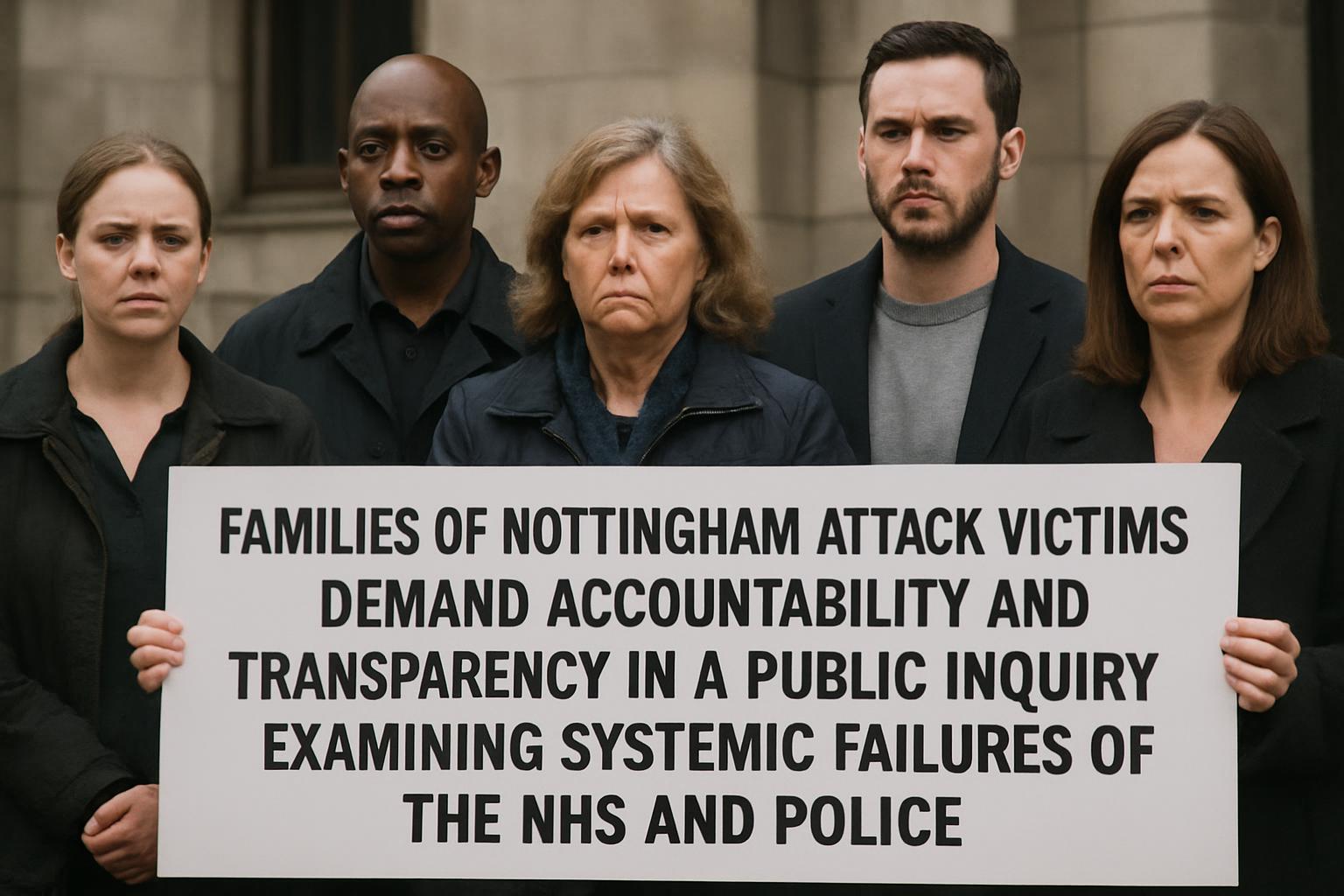
Nottingham Attacks Inquiry: Families Demand Accountability and Truth

UK Faces Dilemmas Amid Iran Conflict and China Spying Allegations

UK Reinforces Military Presence in Cyprus Amid Middle East Tensions

UK-Iran Tensions: Starmer Defends Cautious Approach Amid Trump Criticism

Diplomatic Tensions Rise as Trump Criticizes Starmer's Iran Policy
Persistent Safety Concerns in Nottingham Maternity Services Amidst Calls for Systemic Reform
In This Article
 Ethan Brooks| Published
 HIGHLIGHTS
- The Care Quality Commission (CQC) found ongoing safety issues in Nottingham's maternity services, with a "requires improvement" rating.
- A major NHS inquiry, led by Donna Ockenden, is reviewing approximately 2,500 cases of baby deaths and injuries at Nottingham University Hospitals.
- Reports highlight systemic issues in maternity services, emphasizing the need for investment in staffing and training rather than additional reviews.
- Concerns about staff well-being and management visibility were noted, with some staff feeling unsupported and fearing a blame culture.
- The Royal College of Midwives reports that 31% of graduates struggle to find jobs, despite a shortage of midwives impacting patient safety.
Maternity services at Nottingham University Hospitals NHS Trust remain under scrutiny following a recent Care Quality Commission (CQC) report that highlights ongoing safety concerns. Despite efforts to improve, the services at Nottingham City Hospital and Queen's Medical Centre received a "requires improvement" rating, mirroring last year's assessment. The CQC's unannounced inspections in May revealed staffing gaps and breaches of the Health and Social Care Act 2008, particularly in security and governance.
Ongoing NHS Inquiry and Systemic Issues
The maternity services are currently the focus of the largest inquiry of its kind in NHS history, led by senior midwife Donna Ockenden. This review, examining around 2,500 cases of baby deaths and injuries, is expected to conclude later this year. The inquiry underscores the urgent need for systemic changes in maternity care, as highlighted by various reports over the years.
Staffing and Training: A Call for Investment
Experts argue that the solution lies not in further reviews but in meaningful investment in staffing and training. Judith Robbins, a senior midwife, emphasizes the importance of sustainable staffing levels and high-quality support for clinicians. The Royal College of Midwives reports that despite a shortage of midwives, 31% of graduates are unable to secure employment, exacerbating the crisis.
Management and Culture Concerns
The CQC report also pointed to issues with management visibility and staff well-being. Some staff expressed concerns about a culture of blame during incident investigations, which could hinder open communication and learning. Anthony May, chief executive at NUH, acknowledged these concerns and outlined steps taken to address them, including improved feedback mechanisms and safety drills.
Human Impact and Broader Context
The human impact of these systemic failures is profound, with families affected by tragic outcomes. The broader context includes challenges such as poverty and racism, which further complicate maternity care outcomes, particularly in deprived areas.
WHAT THIS MIGHT MEAN
As the NHS inquiry progresses, its findings could prompt significant reforms in maternity services across the UK. If the recommendations are implemented effectively, they could lead to improved patient safety and care quality. However, without substantial investment in staffing and training, systemic issues may persist. Experts suggest that addressing the root causes, such as management practices and resource allocation, is crucial for sustainable improvement. The outcome of this inquiry could also influence national policies, potentially reshaping the future of maternity care in the NHS.
Related Articles
UK Government to Reform Asylum Seeker Support and Employment Policies
Nottingham Attacks Inquiry: Families Demand Accountability and Truth
UK Faces Dilemmas Amid Iran Conflict and China Spying Allegations
UK Reinforces Military Presence in Cyprus Amid Middle East Tensions
UK-Iran Tensions: Starmer Defends Cautious Approach Amid Trump Criticism
Diplomatic Tensions Rise as Trump Criticizes Starmer's Iran Policy