
Diplomatic Tensions Rise as Trump Criticizes Starmer's Iran Policy
In This Article
HIGHLIGHTS
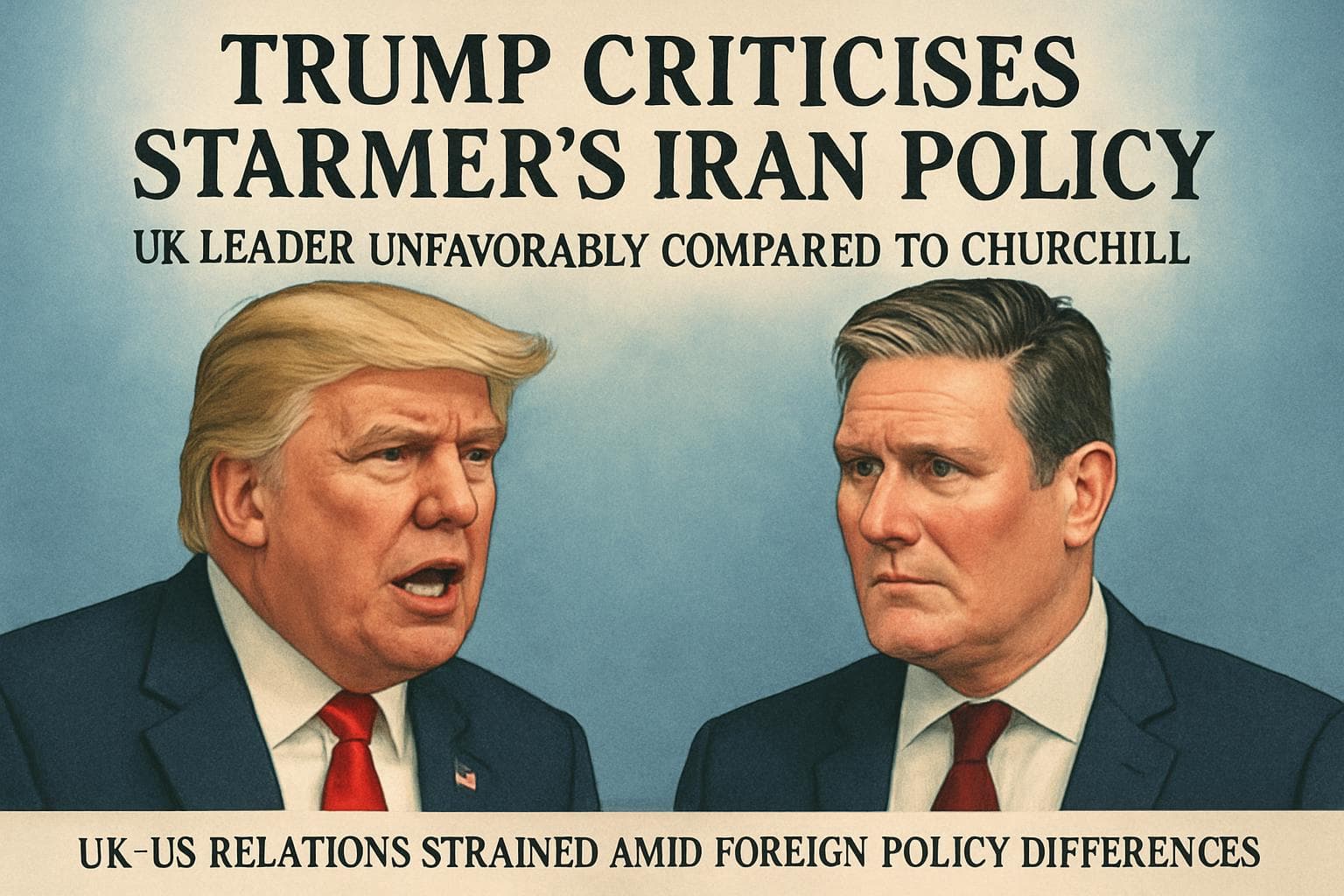
- Donald Trump criticized UK Prime Minister Keir Starmer, unfavorably comparing him to Winston Churchill, amid tensions over Iran policy.
- Starmer defended the UK-US "special relationship," emphasizing intelligence sharing and military cooperation.
- Public opinion in the UK largely opposes US actions in Iran, aligning more with Starmer's cautious approach.
- Despite Trump's remarks, historical precedent suggests UK-US relations can recover from diplomatic tensions.
- Downing Street maintains that Starmer's actions are in the national interest, prioritizing British safety and legal integrity.
In a recent diplomatic spat, former US President Donald Trump publicly criticized UK Prime Minister Keir Starmer, drawing an unfavorable comparison to the iconic wartime leader Winston Churchill. This exchange has cast a shadow over the historically robust UK-US "special relationship," particularly in light of differing approaches to Iran.
Trump’s Criticism and Starmer’s Response
During a series of interviews, Trump expressed dissatisfaction with Starmer's handling of US military operations from British bases, accusing him of being unhelpful and slow to act. In a pointed remark, Trump stated, "This is not Winston Churchill that we’re dealing with," highlighting his discontent with Starmer's leadership.
In response, Starmer, addressing the House of Commons, underscored the enduring nature of the UK-US alliance. He emphasized the ongoing intelligence sharing and military cooperation as the true essence of the "special relationship," rather than focusing on Trump's fluctuating opinions.
Public Opinion and Historical Context
Recent YouGov polls indicate that the British public largely opposes the US's military actions in Iran, aligning more closely with Starmer's cautious stance. This sentiment reflects a broader skepticism about the US's aggressive foreign policy, suggesting that Starmer's approach may resonate more with domestic audiences.
Historically, the UK-US relationship has weathered similar diplomatic storms. Instances such as the UK's resistance to American pressure during the Vietnam War demonstrate that temporary tensions do not necessarily lead to a permanent rift. The deep-rooted connections between the two nations, particularly in security and intelligence, remain strong despite political disagreements.
Downing Street’s Stance
Inside Downing Street, there is a sense of quiet confidence in Starmer's leadership. Officials assert that the Prime Minister's actions are driven by national interest, prioritizing the safety and legal integrity of the UK. While Trump's past praise of Starmer has been welcomed, the current focus remains on maintaining a balanced and principled foreign policy.
WHAT THIS MIGHT MEAN
Looking ahead, the UK-US relationship is likely to continue its cyclical pattern of highs and lows, influenced by the personalities and policies of their respective leaders. Experts suggest that while Trump's remarks may cause short-term friction, the foundational ties between the two nations are resilient enough to withstand such challenges.
Politically, Starmer's handling of the situation could bolster his domestic standing, particularly if public opinion continues to support his cautious approach to international conflicts. As both nations navigate these diplomatic waters, the emphasis will likely remain on shared security interests and long-term strategic cooperation.
Related Articles

UK-Iran Tensions: Starmer Defends Cautious Approach Amid Trump Criticism

UK Faces Dilemmas Amid Iran Conflict and China Spying Allegations
UK Reinforces Military Presence in Cyprus Amid Middle East Tensions
Canada and Australia Forge Strategic Partnership Amid Global Uncertainty
UK Government to Reform Asylum Seeker Support and Employment Policies
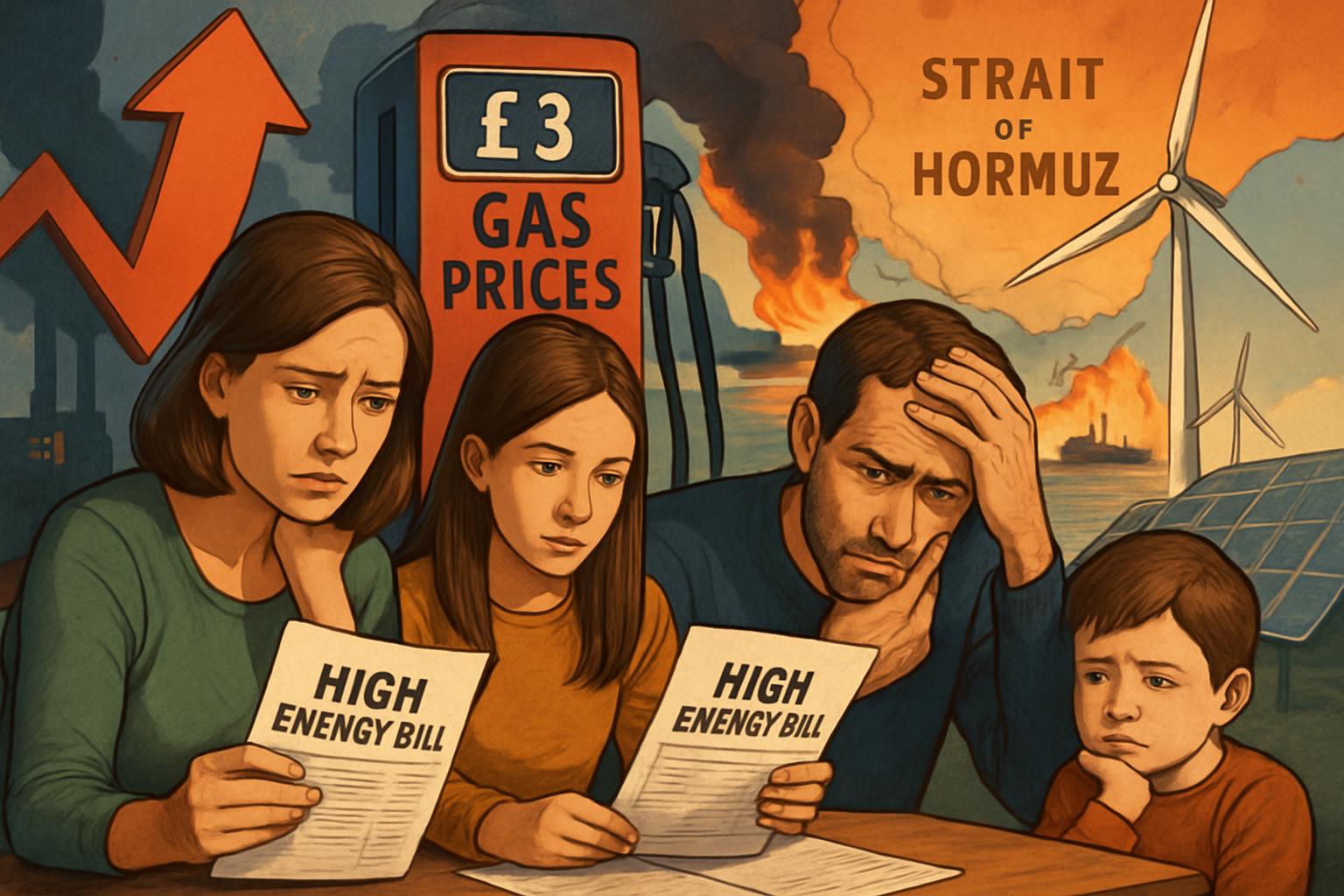
Middle East Conflict Drives UK Energy Prices to New Highs
Diplomatic Tensions Rise as Trump Criticizes Starmer's Iran Policy
In This Article
 Ethan Brooks| Published
 HIGHLIGHTS
- Donald Trump criticized UK Prime Minister Keir Starmer, unfavorably comparing him to Winston Churchill, amid tensions over Iran policy.
- Starmer defended the UK-US "special relationship," emphasizing intelligence sharing and military cooperation.
- Public opinion in the UK largely opposes US actions in Iran, aligning more with Starmer's cautious approach.
- Despite Trump's remarks, historical precedent suggests UK-US relations can recover from diplomatic tensions.
- Downing Street maintains that Starmer's actions are in the national interest, prioritizing British safety and legal integrity.
In a recent diplomatic spat, former US President Donald Trump publicly criticized UK Prime Minister Keir Starmer, drawing an unfavorable comparison to the iconic wartime leader Winston Churchill. This exchange has cast a shadow over the historically robust UK-US "special relationship," particularly in light of differing approaches to Iran.
Trump’s Criticism and Starmer’s Response
During a series of interviews, Trump expressed dissatisfaction with Starmer's handling of US military operations from British bases, accusing him of being unhelpful and slow to act. In a pointed remark, Trump stated, "This is not Winston Churchill that we’re dealing with," highlighting his discontent with Starmer's leadership.
In response, Starmer, addressing the House of Commons, underscored the enduring nature of the UK-US alliance. He emphasized the ongoing intelligence sharing and military cooperation as the true essence of the "special relationship," rather than focusing on Trump's fluctuating opinions.
Public Opinion and Historical Context
Recent YouGov polls indicate that the British public largely opposes the US's military actions in Iran, aligning more closely with Starmer's cautious stance. This sentiment reflects a broader skepticism about the US's aggressive foreign policy, suggesting that Starmer's approach may resonate more with domestic audiences.
Historically, the UK-US relationship has weathered similar diplomatic storms. Instances such as the UK's resistance to American pressure during the Vietnam War demonstrate that temporary tensions do not necessarily lead to a permanent rift. The deep-rooted connections between the two nations, particularly in security and intelligence, remain strong despite political disagreements.
Downing Street’s Stance
Inside Downing Street, there is a sense of quiet confidence in Starmer's leadership. Officials assert that the Prime Minister's actions are driven by national interest, prioritizing the safety and legal integrity of the UK. While Trump's past praise of Starmer has been welcomed, the current focus remains on maintaining a balanced and principled foreign policy.
WHAT THIS MIGHT MEAN
Looking ahead, the UK-US relationship is likely to continue its cyclical pattern of highs and lows, influenced by the personalities and policies of their respective leaders. Experts suggest that while Trump's remarks may cause short-term friction, the foundational ties between the two nations are resilient enough to withstand such challenges.
Politically, Starmer's handling of the situation could bolster his domestic standing, particularly if public opinion continues to support his cautious approach to international conflicts. As both nations navigate these diplomatic waters, the emphasis will likely remain on shared security interests and long-term strategic cooperation.
Related Articles
UK-Iran Tensions: Starmer Defends Cautious Approach Amid Trump Criticism
UK Faces Dilemmas Amid Iran Conflict and China Spying Allegations
UK Reinforces Military Presence in Cyprus Amid Middle East Tensions
Canada and Australia Forge Strategic Partnership Amid Global Uncertainty
UK Government to Reform Asylum Seeker Support and Employment Policies
Middle East Conflict Drives UK Energy Prices to New Highs