
Reflecting on 7/7: A Nation's Trauma and Its Lingering Impact
In This Article
HIGHLIGHTS
- The 7/7 bombings in London on July 7, 2005, resulted in 52 deaths and hundreds of injuries, profoundly impacting survivors and the British Muslim community.
- Paul Dadge, a former firefighter, became a symbol of heroism after assisting survivors at Edgware Road, an experience that influenced his later interest in politics and counter-terrorism.
- The attacks intensified scrutiny and suspicion towards British Muslims, with a notable rise in Islamophobia and faith-related hate crimes.
- Imam Qari Asim highlighted the enduring emotional toll on Muslims, exacerbated by counter-terrorism policies that many felt alienated their community.
- The UK government's response, including measures introduced by then-Prime Minister Tony Blair, has been criticized for fostering distrust and securitization among Muslims.
The 7/7 bombings in London, which occurred on July 7, 2005, remain a poignant memory for many, marking a day of tragedy that claimed 52 lives and injured over 700 people. As the nation reflects on the events two decades later, the repercussions continue to resonate deeply, particularly within the British Muslim community.
A Day of Heroism and Change
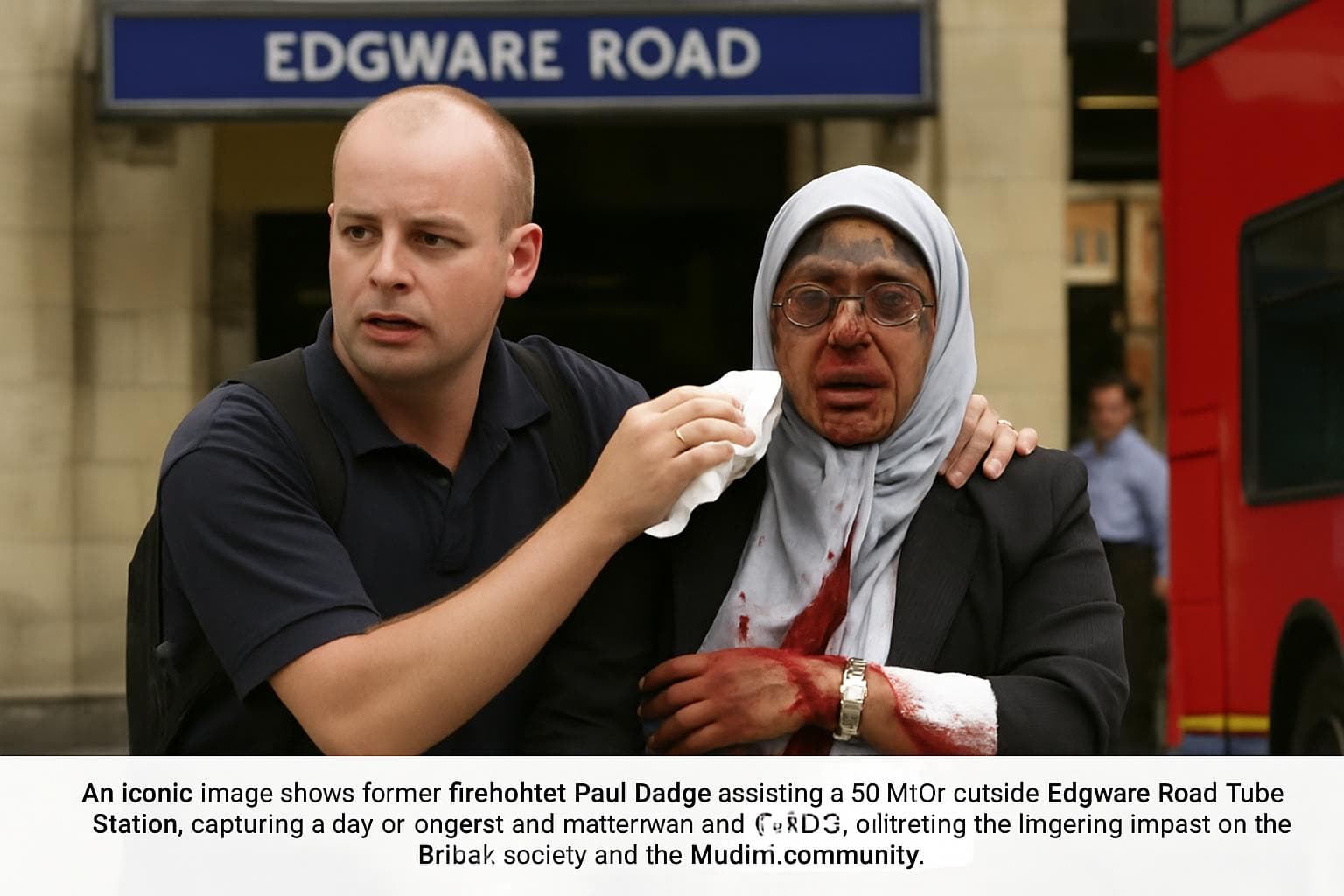
Among those thrust into the spotlight was Paul Dadge, a former firefighter from Cannock, who was captured in an iconic photograph assisting a survivor outside Edgware Road Tube Station. The image, which dominated headlines, depicted Dadge helping a then 25-year-old Davinia Douglass to safety. "It feels like it could've been yesterday," Dadge remarked, reflecting on the day that altered his life's trajectory. His actions not only earned him the label of a hero but also sparked a personal journey into politics and counter-terrorism. Despite narrowly missing a seat as a Labour MP in 2017, Dadge's commitment to public service remains steadfast.
The Muslim Community's Struggle
For the British Muslim community, the aftermath of the bombings was marked by a surge in Islamophobia and increased scrutiny. Imam Qari Asim, who was in Leeds at the time, recalls the dual burden of grief and suspicion that Muslims faced. "The emotional and social toll of 7/7 on Muslim communities was profound," Asim stated, noting the rise in faith-related hate crimes and the pervasive sense of alienation. The government's counter-terrorism measures, introduced by then-Prime Minister Tony Blair, were intended to enhance security but often left Muslims feeling over-policed and marginalized.
A Legacy of Distrust
The policies enacted post-7/7, including increased stop-and-searches and heightened surveillance, have been criticized for fostering a climate of distrust. Milo Comerford, counter-extremism policy director at the Institute for Strategic Dialogue, highlighted the perception of securitization among young Muslim men. The tragic shooting of Jean Charles de Menezes, a Brazilian mistaken for a suspect, underscored the tensions and fears prevalent during that period.
WHAT THIS MIGHT MEAN
As the UK continues to grapple with the legacy of 7/7, questions remain about the balance between security and civil liberties. Experts suggest that fostering genuine community engagement, beyond a counter-terrorism lens, is crucial for rebuilding trust. The ongoing dialogue around Islamophobia and integration will likely shape future policies, as the nation seeks to heal and move forward. The experiences of individuals like Paul Dadge and Qari Asim serve as reminders of the human stories behind the headlines, emphasizing the need for empathy and understanding in addressing the complex challenges that lie ahead.
Related Articles

Global Counsel Faces Collapse Amidst Epstein Scandal Fallout
Labour MP's Husband Arrested in UK-China Espionage Probe
Nottingham Attacks Inquiry: Families Demand Accountability and Truth
UK Faces Rising Youth Unemployment Amid Minimum Wage and Interest Rate Debates
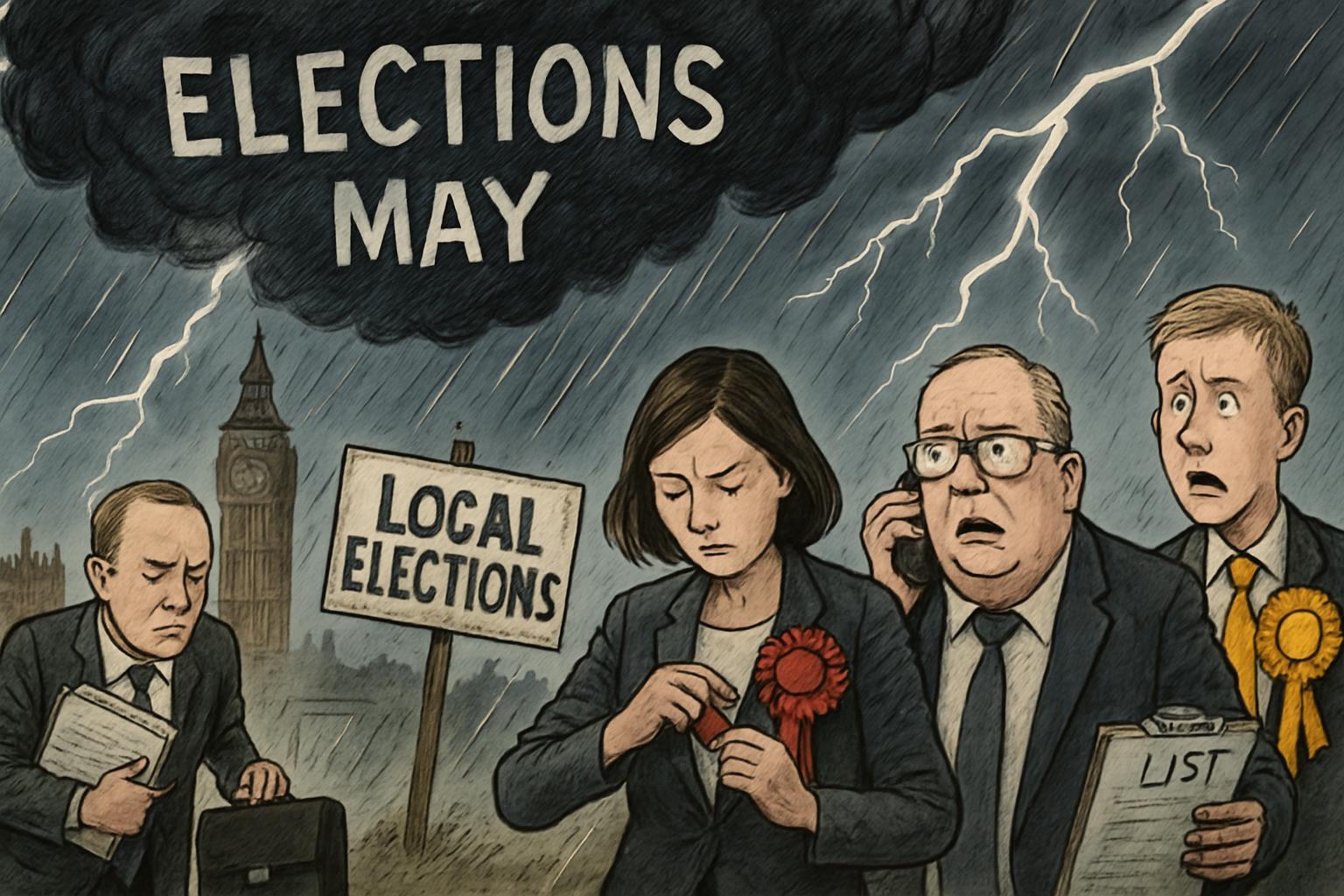
Government U-turn on Local Election Delays Sparks Political Fallout

Bafta Film Awards 2026: A Night of Glamour and Identity Challenges
Reflecting on 7/7: A Nation's Trauma and Its Lingering Impact
In This Article
 Ethan Brooks| Published
 HIGHLIGHTS
- The 7/7 bombings in London on July 7, 2005, resulted in 52 deaths and hundreds of injuries, profoundly impacting survivors and the British Muslim community.
- Paul Dadge, a former firefighter, became a symbol of heroism after assisting survivors at Edgware Road, an experience that influenced his later interest in politics and counter-terrorism.
- The attacks intensified scrutiny and suspicion towards British Muslims, with a notable rise in Islamophobia and faith-related hate crimes.
- Imam Qari Asim highlighted the enduring emotional toll on Muslims, exacerbated by counter-terrorism policies that many felt alienated their community.
- The UK government's response, including measures introduced by then-Prime Minister Tony Blair, has been criticized for fostering distrust and securitization among Muslims.
The 7/7 bombings in London, which occurred on July 7, 2005, remain a poignant memory for many, marking a day of tragedy that claimed 52 lives and injured over 700 people. As the nation reflects on the events two decades later, the repercussions continue to resonate deeply, particularly within the British Muslim community.
A Day of Heroism and Change
Among those thrust into the spotlight was Paul Dadge, a former firefighter from Cannock, who was captured in an iconic photograph assisting a survivor outside Edgware Road Tube Station. The image, which dominated headlines, depicted Dadge helping a then 25-year-old Davinia Douglass to safety. "It feels like it could've been yesterday," Dadge remarked, reflecting on the day that altered his life's trajectory. His actions not only earned him the label of a hero but also sparked a personal journey into politics and counter-terrorism. Despite narrowly missing a seat as a Labour MP in 2017, Dadge's commitment to public service remains steadfast.
The Muslim Community's Struggle
For the British Muslim community, the aftermath of the bombings was marked by a surge in Islamophobia and increased scrutiny. Imam Qari Asim, who was in Leeds at the time, recalls the dual burden of grief and suspicion that Muslims faced. "The emotional and social toll of 7/7 on Muslim communities was profound," Asim stated, noting the rise in faith-related hate crimes and the pervasive sense of alienation. The government's counter-terrorism measures, introduced by then-Prime Minister Tony Blair, were intended to enhance security but often left Muslims feeling over-policed and marginalized.
A Legacy of Distrust
The policies enacted post-7/7, including increased stop-and-searches and heightened surveillance, have been criticized for fostering a climate of distrust. Milo Comerford, counter-extremism policy director at the Institute for Strategic Dialogue, highlighted the perception of securitization among young Muslim men. The tragic shooting of Jean Charles de Menezes, a Brazilian mistaken for a suspect, underscored the tensions and fears prevalent during that period.
WHAT THIS MIGHT MEAN
As the UK continues to grapple with the legacy of 7/7, questions remain about the balance between security and civil liberties. Experts suggest that fostering genuine community engagement, beyond a counter-terrorism lens, is crucial for rebuilding trust. The ongoing dialogue around Islamophobia and integration will likely shape future policies, as the nation seeks to heal and move forward. The experiences of individuals like Paul Dadge and Qari Asim serve as reminders of the human stories behind the headlines, emphasizing the need for empathy and understanding in addressing the complex challenges that lie ahead.
Related Articles
Global Counsel Faces Collapse Amidst Epstein Scandal Fallout
Labour MP's Husband Arrested in UK-China Espionage Probe
Nottingham Attacks Inquiry: Families Demand Accountability and Truth
UK Faces Rising Youth Unemployment Amid Minimum Wage and Interest Rate Debates
Government U-turn on Local Election Delays Sparks Political Fallout
Bafta Film Awards 2026: A Night of Glamour and Identity Challenges