
UK Faces Rising Youth Unemployment Amid Minimum Wage and Interest Rate Debates
In This Article
HIGHLIGHTS
- The UK government is considering delaying plans to equalize the minimum wage for all ages, despite previous commitments.
- Youth unemployment in the UK has reached 16.1%, significantly higher than the national average of 5.2%.
- The Bank of England is likely to cut interest rates in March, with a 75% probability, due to rising unemployment and slowing wage growth.
- Experts warn that youth joblessness could increase significantly, with many young people not in employment, education, or training (NEETs).
- Calls for government action to address youth unemployment are growing, with suggestions for a "Covid-style mobilisation" to tackle the crisis.
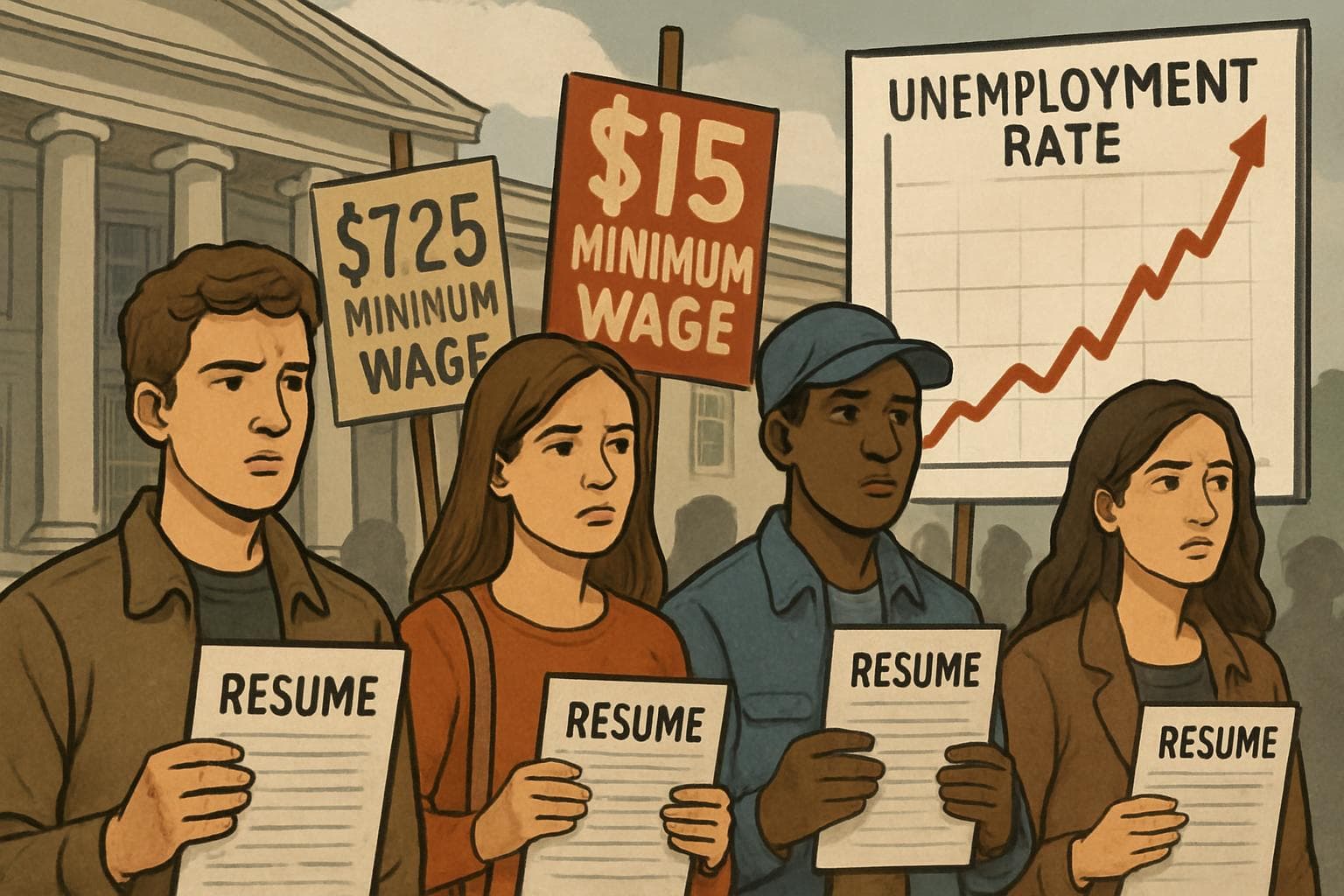
The UK government is contemplating a delay in its plan to equalize the minimum wage across all age groups, a move initially promised in the Labour election manifesto. This decision comes as the nation grapples with a surge in youth unemployment, which has reached 16.1%, starkly contrasting with the national average of 5.2%.
Minimum Wage Plans Under Review
Ministers are reportedly considering postponing the increase in minimum wage for 18 to 20-year-olds to match that of those over 21. Currently, individuals over 21 earn £12.21 per hour, while younger workers receive £10. Despite the potential delay, Welsh Secretary Jo Stevens affirmed the government's commitment to equalizing wages. Business leaders have expressed concerns that raising the minimum wage could increase operational costs and hinder hiring.
Economic Pressures and Interest Rate Speculations
The Office for National Statistics (ONS) reported a rise in the UK's unemployment rate to 5.2% in the last quarter of 2025. This economic strain has led to speculation that the Bank of England will cut interest rates to 3.5% in March, with a 75% chance of this occurring. The decision is driven by slowing wage growth and the need to address inflationary pressures.
Youth Joblessness: A Growing Concern
The youth unemployment rate, now at 14%, is the highest in five years, excluding the pandemic period. Robert Salter, a director at Blick Rothenberg, highlighted the increasing number of young people classified as NEETs. With millions of school leavers and graduates entering the job market, the situation is expected to worsen. Green Party leader Zack Polanski called for a "Covid-style mobilisation" to address the crisis, emphasizing the need for urgent government intervention.
WHAT THIS MIGHT MEAN
The potential delay in equalizing the minimum wage could have significant implications for young workers, potentially exacerbating financial disparities and affecting their job prospects. If the Bank of England proceeds with an interest rate cut, it may provide some economic relief, though its impact on youth employment remains uncertain.
Experts warn that without targeted government action, the UK could face a prolonged youth unemployment crisis. Initiatives to support job creation and training for young people are crucial to prevent long-term economic and social consequences. As the situation evolves, policymakers will need to balance economic stability with the urgent need to support the younger generation in the workforce.
Related Articles
UK Government to Reform Asylum Seeker Support and Employment Policies

UK Faces Dilemmas Amid Iran Conflict and China Spying Allegations

UK Reinforces Military Presence in Cyprus Amid Middle East Tensions

UK-Iran Tensions: Starmer Defends Cautious Approach Amid Trump Criticism
Persistent Safety Concerns in Nottingham Maternity Services Amidst Calls for Systemic Reform

Diplomatic Tensions Rise as Trump Criticizes Starmer's Iran Policy
UK Faces Rising Youth Unemployment Amid Minimum Wage and Interest Rate Debates
In This Article
 Ethan Brooks| Published
 HIGHLIGHTS
- The UK government is considering delaying plans to equalize the minimum wage for all ages, despite previous commitments.
- Youth unemployment in the UK has reached 16.1%, significantly higher than the national average of 5.2%.
- The Bank of England is likely to cut interest rates in March, with a 75% probability, due to rising unemployment and slowing wage growth.
- Experts warn that youth joblessness could increase significantly, with many young people not in employment, education, or training (NEETs).
- Calls for government action to address youth unemployment are growing, with suggestions for a "Covid-style mobilisation" to tackle the crisis.
The UK government is contemplating a delay in its plan to equalize the minimum wage across all age groups, a move initially promised in the Labour election manifesto. This decision comes as the nation grapples with a surge in youth unemployment, which has reached 16.1%, starkly contrasting with the national average of 5.2%.
Minimum Wage Plans Under Review
Ministers are reportedly considering postponing the increase in minimum wage for 18 to 20-year-olds to match that of those over 21. Currently, individuals over 21 earn £12.21 per hour, while younger workers receive £10. Despite the potential delay, Welsh Secretary Jo Stevens affirmed the government's commitment to equalizing wages. Business leaders have expressed concerns that raising the minimum wage could increase operational costs and hinder hiring.
Economic Pressures and Interest Rate Speculations
The Office for National Statistics (ONS) reported a rise in the UK's unemployment rate to 5.2% in the last quarter of 2025. This economic strain has led to speculation that the Bank of England will cut interest rates to 3.5% in March, with a 75% chance of this occurring. The decision is driven by slowing wage growth and the need to address inflationary pressures.
Youth Joblessness: A Growing Concern
The youth unemployment rate, now at 14%, is the highest in five years, excluding the pandemic period. Robert Salter, a director at Blick Rothenberg, highlighted the increasing number of young people classified as NEETs. With millions of school leavers and graduates entering the job market, the situation is expected to worsen. Green Party leader Zack Polanski called for a "Covid-style mobilisation" to address the crisis, emphasizing the need for urgent government intervention.
WHAT THIS MIGHT MEAN
The potential delay in equalizing the minimum wage could have significant implications for young workers, potentially exacerbating financial disparities and affecting their job prospects. If the Bank of England proceeds with an interest rate cut, it may provide some economic relief, though its impact on youth employment remains uncertain.
Experts warn that without targeted government action, the UK could face a prolonged youth unemployment crisis. Initiatives to support job creation and training for young people are crucial to prevent long-term economic and social consequences. As the situation evolves, policymakers will need to balance economic stability with the urgent need to support the younger generation in the workforce.
Related Articles
UK Government to Reform Asylum Seeker Support and Employment Policies
UK Faces Dilemmas Amid Iran Conflict and China Spying Allegations
UK Reinforces Military Presence in Cyprus Amid Middle East Tensions
UK-Iran Tensions: Starmer Defends Cautious Approach Amid Trump Criticism
Persistent Safety Concerns in Nottingham Maternity Services Amidst Calls for Systemic Reform
Diplomatic Tensions Rise as Trump Criticizes Starmer's Iran Policy