
UN Report: Sudan's El Fasher Siege Shows Genocide Hallmarks
In This Article
HIGHLIGHTS
- A UN fact-finding mission reports that atrocities in El Fasher, Sudan, bear the "hallmarks of genocide" by the Rapid Support Forces (RSF).
- The RSF's 18-month siege of El Fasher targeted Zaghawa and Fur communities, with evidence of mass killings, rape, and torture.
- The UK, Canada, and the EU have condemned potential war crimes in Sudan, urging international criminal investigations.
- The conflict, rooted in a power struggle between the RSF and Sudanese army, has displaced 11 million people and killed tens of thousands.
- The RSF, linked to the Janjaweed militias, has been accused of ethnic violence reminiscent of past atrocities in Darfur.
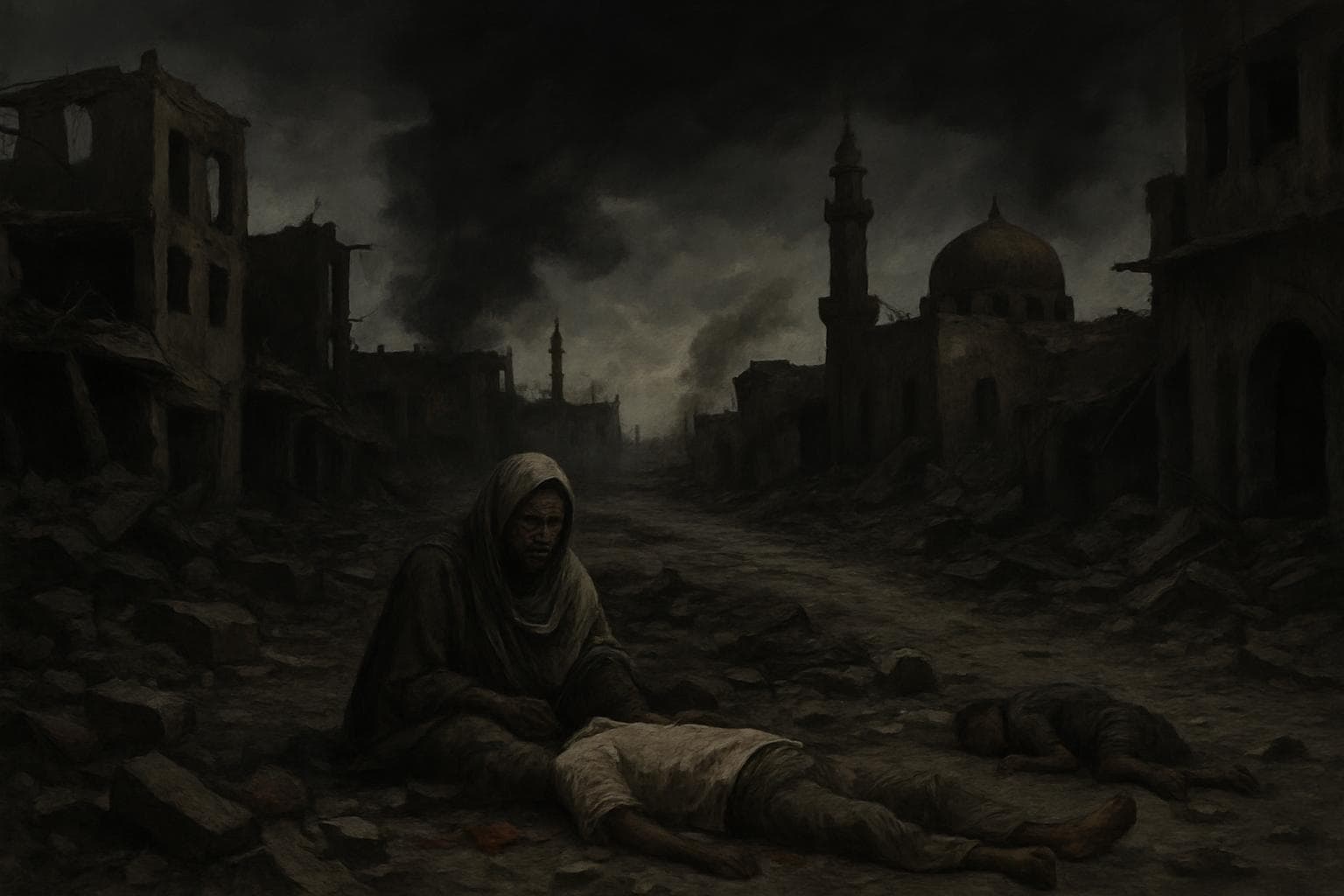
A recent United Nations fact-finding mission has concluded that the siege and capture of El Fasher in Sudan by the paramilitary Rapid Support Forces (RSF) exhibit clear signs of genocide. The RSF, which seized the city in October after an 18-month blockade, is accused of targeting the Zaghawa and Fur ethnic communities in a brutal campaign that has drawn international condemnation.
Genocide Allegations in El Fasher
The UN report highlights the deliberate and systematic nature of the RSF's actions in El Fasher, which included mass killings, rape, torture, and enforced disappearances. Mona Rishmawi, an expert from the mission, stated, "The RSF acted with intent to destroy, in whole or in part, the Zaghawa and Fur communities." The report is based on over 320 interviews with survivors, statements from RSF commanders, and verified satellite imagery.
International Response and Calls for Accountability
The findings have prompted strong reactions from the international community. UK Foreign Secretary Yvette Cooper has vowed to bring the report's conclusions to the UN Security Council, emphasizing the need for international criminal investigations to ensure justice for the victims. The report's release coincides with ongoing violence in Sudan, including recent drone strikes in the Kordofan region that have resulted in numerous civilian casualties.
Historical Context and Ongoing Conflict
The RSF's actions in El Fasher are reminiscent of the atrocities committed by the Janjaweed militias in the early 2000s, which resulted in the deaths of 300,000 people in Darfur. The current conflict, which erupted in April 2023, stems from a power struggle between the RSF and the Sudanese army. This has led to a humanitarian crisis, with 11 million people displaced and tens of thousands killed.
WHAT THIS MIGHT MEAN
The UN's findings could lead to increased international pressure on Sudan, potentially resulting in sanctions or intervention by global powers. The call for international criminal investigations may pave the way for legal proceedings against RSF leaders and other perpetrators of human rights abuses. However, the complex ethnic and political dynamics in Sudan pose significant challenges to achieving lasting peace and accountability. As the conflict continues, the humanitarian situation is likely to worsen, necessitating urgent international aid and diplomatic efforts to prevent further atrocities.
Related Articles

UK Government to Reform Asylum Seeker Support and Employment Policies

UK Faces Dilemmas Amid Iran Conflict and China Spying Allegations
UK Reinforces Military Presence in Cyprus Amid Middle East Tensions
UK-Iran Tensions: Starmer Defends Cautious Approach Amid Trump Criticism

Persistent Safety Concerns in Nottingham Maternity Services Amidst Calls for Systemic Reform
Diplomatic Tensions Rise as Trump Criticizes Starmer's Iran Policy
UN Report: Sudan's El Fasher Siege Shows Genocide Hallmarks
In This Article
 Ethan Brooks| Published
 HIGHLIGHTS
- A UN fact-finding mission reports that atrocities in El Fasher, Sudan, bear the "hallmarks of genocide" by the Rapid Support Forces (RSF).
- The RSF's 18-month siege of El Fasher targeted Zaghawa and Fur communities, with evidence of mass killings, rape, and torture.
- The UK, Canada, and the EU have condemned potential war crimes in Sudan, urging international criminal investigations.
- The conflict, rooted in a power struggle between the RSF and Sudanese army, has displaced 11 million people and killed tens of thousands.
- The RSF, linked to the Janjaweed militias, has been accused of ethnic violence reminiscent of past atrocities in Darfur.
A recent United Nations fact-finding mission has concluded that the siege and capture of El Fasher in Sudan by the paramilitary Rapid Support Forces (RSF) exhibit clear signs of genocide. The RSF, which seized the city in October after an 18-month blockade, is accused of targeting the Zaghawa and Fur ethnic communities in a brutal campaign that has drawn international condemnation.
Genocide Allegations in El Fasher
The UN report highlights the deliberate and systematic nature of the RSF's actions in El Fasher, which included mass killings, rape, torture, and enforced disappearances. Mona Rishmawi, an expert from the mission, stated, "The RSF acted with intent to destroy, in whole or in part, the Zaghawa and Fur communities." The report is based on over 320 interviews with survivors, statements from RSF commanders, and verified satellite imagery.
International Response and Calls for Accountability
The findings have prompted strong reactions from the international community. UK Foreign Secretary Yvette Cooper has vowed to bring the report's conclusions to the UN Security Council, emphasizing the need for international criminal investigations to ensure justice for the victims. The report's release coincides with ongoing violence in Sudan, including recent drone strikes in the Kordofan region that have resulted in numerous civilian casualties.
Historical Context and Ongoing Conflict
The RSF's actions in El Fasher are reminiscent of the atrocities committed by the Janjaweed militias in the early 2000s, which resulted in the deaths of 300,000 people in Darfur. The current conflict, which erupted in April 2023, stems from a power struggle between the RSF and the Sudanese army. This has led to a humanitarian crisis, with 11 million people displaced and tens of thousands killed.
WHAT THIS MIGHT MEAN
The UN's findings could lead to increased international pressure on Sudan, potentially resulting in sanctions or intervention by global powers. The call for international criminal investigations may pave the way for legal proceedings against RSF leaders and other perpetrators of human rights abuses. However, the complex ethnic and political dynamics in Sudan pose significant challenges to achieving lasting peace and accountability. As the conflict continues, the humanitarian situation is likely to worsen, necessitating urgent international aid and diplomatic efforts to prevent further atrocities.
Related Articles
UK Government to Reform Asylum Seeker Support and Employment Policies
UK Faces Dilemmas Amid Iran Conflict and China Spying Allegations
UK Reinforces Military Presence in Cyprus Amid Middle East Tensions
UK-Iran Tensions: Starmer Defends Cautious Approach Amid Trump Criticism
Persistent Safety Concerns in Nottingham Maternity Services Amidst Calls for Systemic Reform
Diplomatic Tensions Rise as Trump Criticizes Starmer's Iran Policy