
UK to Enforce Swift Removal of Non-Consensual Intimate Images by Tech Firms
In This Article
HIGHLIGHTS
- UK proposes a law requiring tech firms to remove non-consensual intimate images within 48 hours or face severe penalties.
- Companies could be fined up to 10% of their global revenue or be blocked in the UK for non-compliance.
- The amendment to the Crime and Policing Bill aims to treat intimate image abuse with the same severity as child sexual abuse material.
- Ofcom is expected to enforce the new rules, reducing the burden on victims to report images multiple times.
- Prime Minister Keir Starmer emphasizes the need to shift responsibility from victims to tech companies and perpetrators.
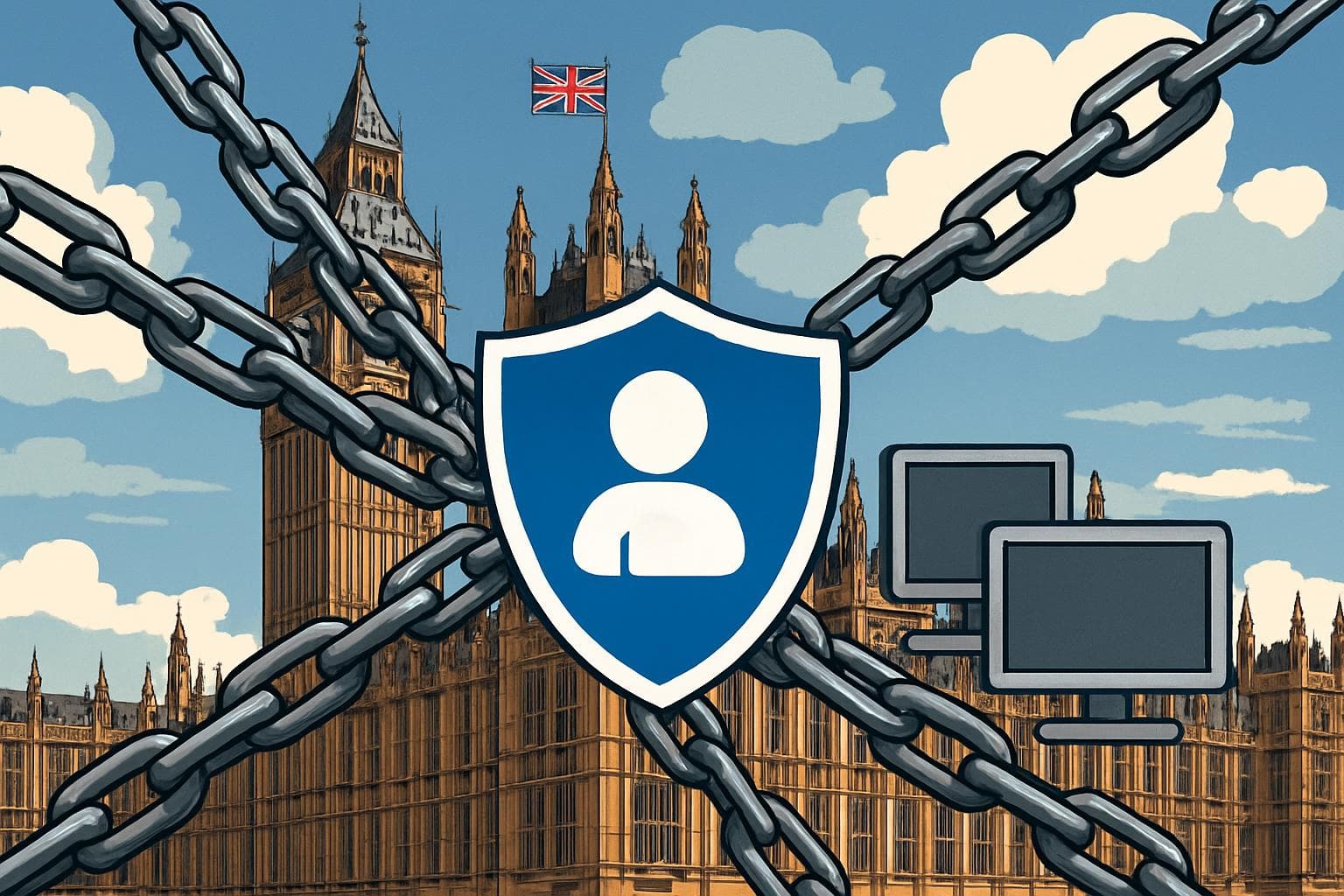
The UK government is set to introduce a stringent law mandating technology companies to remove non-consensual intimate images, including deepfake and "revenge porn," within 48 hours of notification. This legislative move, spearheaded by Prime Minister Keir Starmer, aims to address what he describes as a "national emergency" and shift the responsibility from victims to the tech firms and perpetrators.
New Legal Framework for Online Safety
The proposed amendment to the Crime and Policing Bill seeks to align the treatment of intimate image abuse with that of child sexual abuse material and terrorist content. Companies failing to comply could face fines up to 10% of their global sales or risk being blocked in the UK. The initiative follows a significant rise in reports of intimate image abuse, with a 20.9% increase noted in 2024.
Role of Ofcom and Internet Service Providers
Under the new law, Ofcom will be tasked with enforcing the regulations, ensuring that victims do not have to repeatedly report the same image across different platforms. The media regulator will explore digital watermarking to automatically flag reposted images. Internet service providers will receive guidance to block access to rogue sites hosting illegal content, further tightening the net on non-consensual explicit material.
Government and Public Response
Prime Minister Starmer, writing for The Guardian, highlighted the pervasive issue of institutional misogyny, which has historically minimized the severity of such abuses. He stressed the importance of holding tech companies accountable, stating, "The burden of tackling abuse must no longer fall on victims." Technology Secretary Liz Kendall echoed this sentiment, declaring an end to the era of tech firms having a "free pass."
The legislation follows a recent confrontation with X, where the Grok AI tool was used to generate explicit images, prompting government intervention. The new law aims to prevent similar incidents and protect vulnerable individuals from exploitation and extortion.
WHAT THIS MIGHT MEAN
The introduction of this law could significantly alter the landscape of online safety in the UK, setting a precedent for other countries grappling with similar issues. If successfully implemented, it may lead to a decrease in the proliferation of non-consensual intimate images and provide a robust framework for victim protection. However, the effectiveness of the law will largely depend on Ofcom's ability to enforce it and the tech companies' willingness to comply.
There is potential for legal challenges from tech firms, particularly concerning the feasibility of removing content within the stipulated timeframe. Additionally, the law's impact on internet freedom and privacy will likely be scrutinized. As the legislation progresses, it will be crucial for the government to balance these concerns while maintaining a strong stance against online abuse.
Related Articles

Police Federation Chief Arrested Amid Fraud Investigation

UK Government to Reform Asylum Seeker Support and Employment Policies

UK Faces Dilemmas Amid Iran Conflict and China Spying Allegations

UK-Iran Tensions: Starmer Defends Cautious Approach Amid Trump Criticism

Diplomatic Tensions Rise as Trump Criticizes Starmer's Iran Policy

Canada and Australia Forge Strategic Partnership Amid Global Uncertainty
UK to Enforce Swift Removal of Non-Consensual Intimate Images by Tech Firms
In This Article
 Sofia Romano| Published
 HIGHLIGHTS
- UK proposes a law requiring tech firms to remove non-consensual intimate images within 48 hours or face severe penalties.
- Companies could be fined up to 10% of their global revenue or be blocked in the UK for non-compliance.
- The amendment to the Crime and Policing Bill aims to treat intimate image abuse with the same severity as child sexual abuse material.
- Ofcom is expected to enforce the new rules, reducing the burden on victims to report images multiple times.
- Prime Minister Keir Starmer emphasizes the need to shift responsibility from victims to tech companies and perpetrators.
The UK government is set to introduce a stringent law mandating technology companies to remove non-consensual intimate images, including deepfake and "revenge porn," within 48 hours of notification. This legislative move, spearheaded by Prime Minister Keir Starmer, aims to address what he describes as a "national emergency" and shift the responsibility from victims to the tech firms and perpetrators.
New Legal Framework for Online Safety
The proposed amendment to the Crime and Policing Bill seeks to align the treatment of intimate image abuse with that of child sexual abuse material and terrorist content. Companies failing to comply could face fines up to 10% of their global sales or risk being blocked in the UK. The initiative follows a significant rise in reports of intimate image abuse, with a 20.9% increase noted in 2024.
Role of Ofcom and Internet Service Providers
Under the new law, Ofcom will be tasked with enforcing the regulations, ensuring that victims do not have to repeatedly report the same image across different platforms. The media regulator will explore digital watermarking to automatically flag reposted images. Internet service providers will receive guidance to block access to rogue sites hosting illegal content, further tightening the net on non-consensual explicit material.
Government and Public Response
Prime Minister Starmer, writing for The Guardian, highlighted the pervasive issue of institutional misogyny, which has historically minimized the severity of such abuses. He stressed the importance of holding tech companies accountable, stating, "The burden of tackling abuse must no longer fall on victims." Technology Secretary Liz Kendall echoed this sentiment, declaring an end to the era of tech firms having a "free pass."
The legislation follows a recent confrontation with X, where the Grok AI tool was used to generate explicit images, prompting government intervention. The new law aims to prevent similar incidents and protect vulnerable individuals from exploitation and extortion.
WHAT THIS MIGHT MEAN
The introduction of this law could significantly alter the landscape of online safety in the UK, setting a precedent for other countries grappling with similar issues. If successfully implemented, it may lead to a decrease in the proliferation of non-consensual intimate images and provide a robust framework for victim protection. However, the effectiveness of the law will largely depend on Ofcom's ability to enforce it and the tech companies' willingness to comply.
There is potential for legal challenges from tech firms, particularly concerning the feasibility of removing content within the stipulated timeframe. Additionally, the law's impact on internet freedom and privacy will likely be scrutinized. As the legislation progresses, it will be crucial for the government to balance these concerns while maintaining a strong stance against online abuse.
Related Articles
Police Federation Chief Arrested Amid Fraud Investigation
UK Government to Reform Asylum Seeker Support and Employment Policies
UK Faces Dilemmas Amid Iran Conflict and China Spying Allegations
UK-Iran Tensions: Starmer Defends Cautious Approach Amid Trump Criticism
Diplomatic Tensions Rise as Trump Criticizes Starmer's Iran Policy
Canada and Australia Forge Strategic Partnership Amid Global Uncertainty