
UK Inflation Drops to 3% in January, Sparking Interest Rate Cut Speculation
In This Article
HIGHLIGHTS
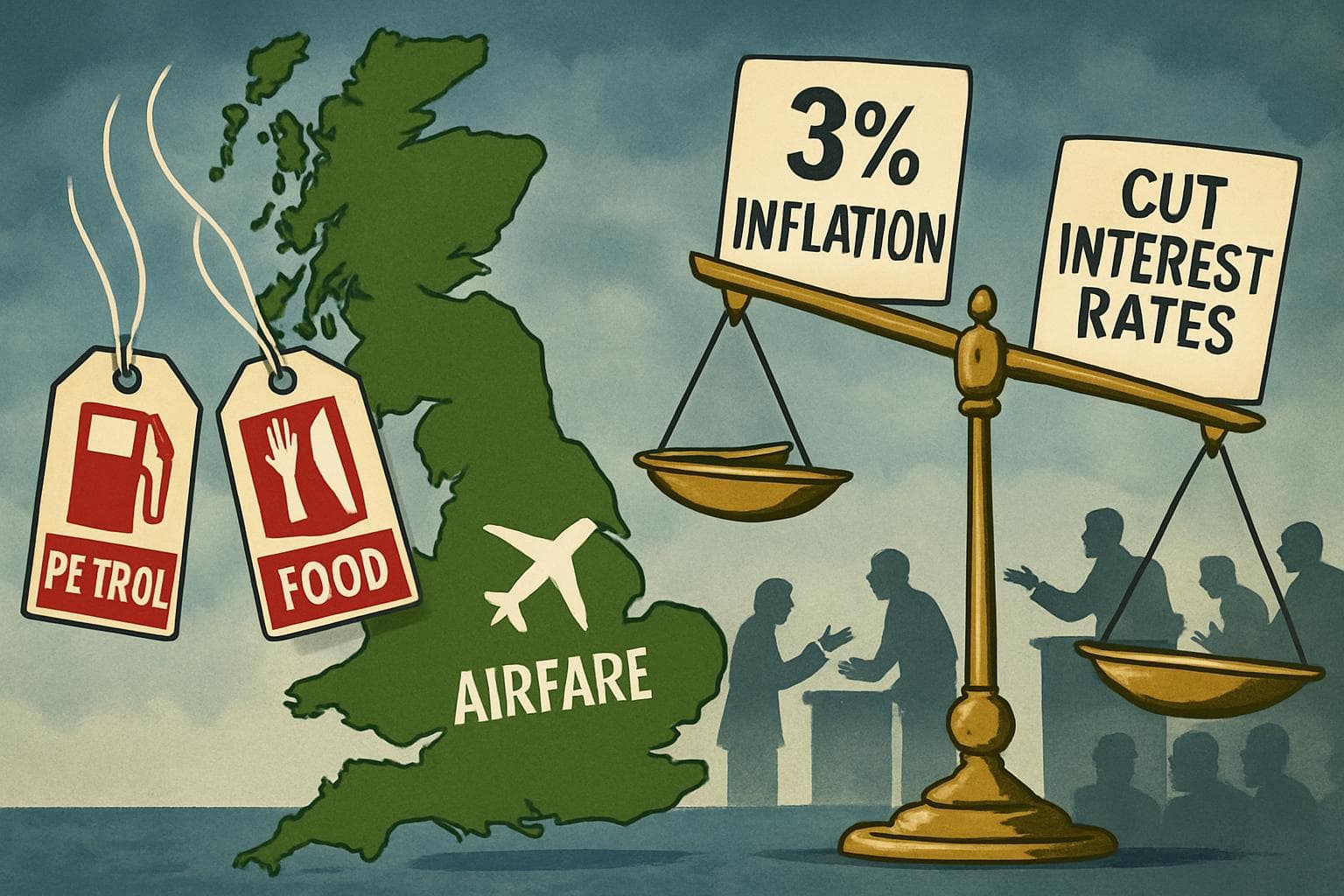
- UK inflation fell to 3% in January 2026, the lowest since March 2025, driven by decreases in petrol, food, and airfare prices.
- Economists predict the Bank of England may cut interest rates in March due to the favorable inflation outlook.
- Chancellor Rachel Reeves emphasized budget measures aimed at reducing the cost of living, though some effects are expected in April.
- Core inflation also decreased, with goods and services inflation showing a downward trend.
- The Conservative Party criticized Labour's economic management, citing ongoing economic challenges despite the inflation drop.
The United Kingdom's inflation rate fell to 3% in January 2026, marking its lowest level since March 2025, according to the Office for National Statistics (ONS). This decline, attributed to lower petrol, food, and airfare prices, has fueled expectations of an imminent interest rate cut by the Bank of England.
Economic Indicators and Inflation Drivers
The ONS reported that the average petrol price dropped by 3.1 pence per litre between December 2025 and January 2026, contributing significantly to the inflation decrease. Food prices, particularly for bread, cereals, and meat, also saw reductions, easing the cost of living for households. Grant Fitzner, ONS chief economist, noted that while inflation has fallen, prices are still rising, albeit at a slower pace.
Political Reactions and Economic Plans
Chancellor Rachel Reeves welcomed the inflation drop, highlighting budget measures such as a £150 reduction in energy bills and a freeze on rail fares, though these measures will take effect in April. Reeves stated, "Cutting the cost of living is my number one priority." However, the Conservative Party criticized Labour's economic management, with Shadow Chancellor Mel Stride arguing that families continue to feel economic pressures.
Core Inflation and Economic Outlook
Core inflation, which excludes volatile items like energy and food, also fell, indicating a broader easing of price pressures. Derrick Dunne, CEO of YOU Asset Management, described this as a crucial development that could prompt the Bank of England to cut interest rates. Economists anticipate further inflation declines, aligning with the government's target of 2%.
WHAT THIS MIGHT MEAN
The recent drop in inflation has increased the likelihood of the Bank of England reducing interest rates, potentially as early as March. Such a move could stimulate economic growth, which has been sluggish, with GDP expanding by only 0.1% in the last quarter of 2025. However, the political landscape remains contentious, with ongoing debates over economic strategies and their impact on households. As inflationary pressures ease, the focus may shift to addressing unemployment and fostering sustainable growth.
Related Articles
Trump Raises Import Tariffs to 15% After Supreme Court Setback
UK Achieves Record Budget Surplus Amid Calls for Fiscal Policy Reform
UK Government to Reform Asylum Seeker Support and Employment Policies

Breakthrough Drug Offers Hope for Children with Severe Epilepsy
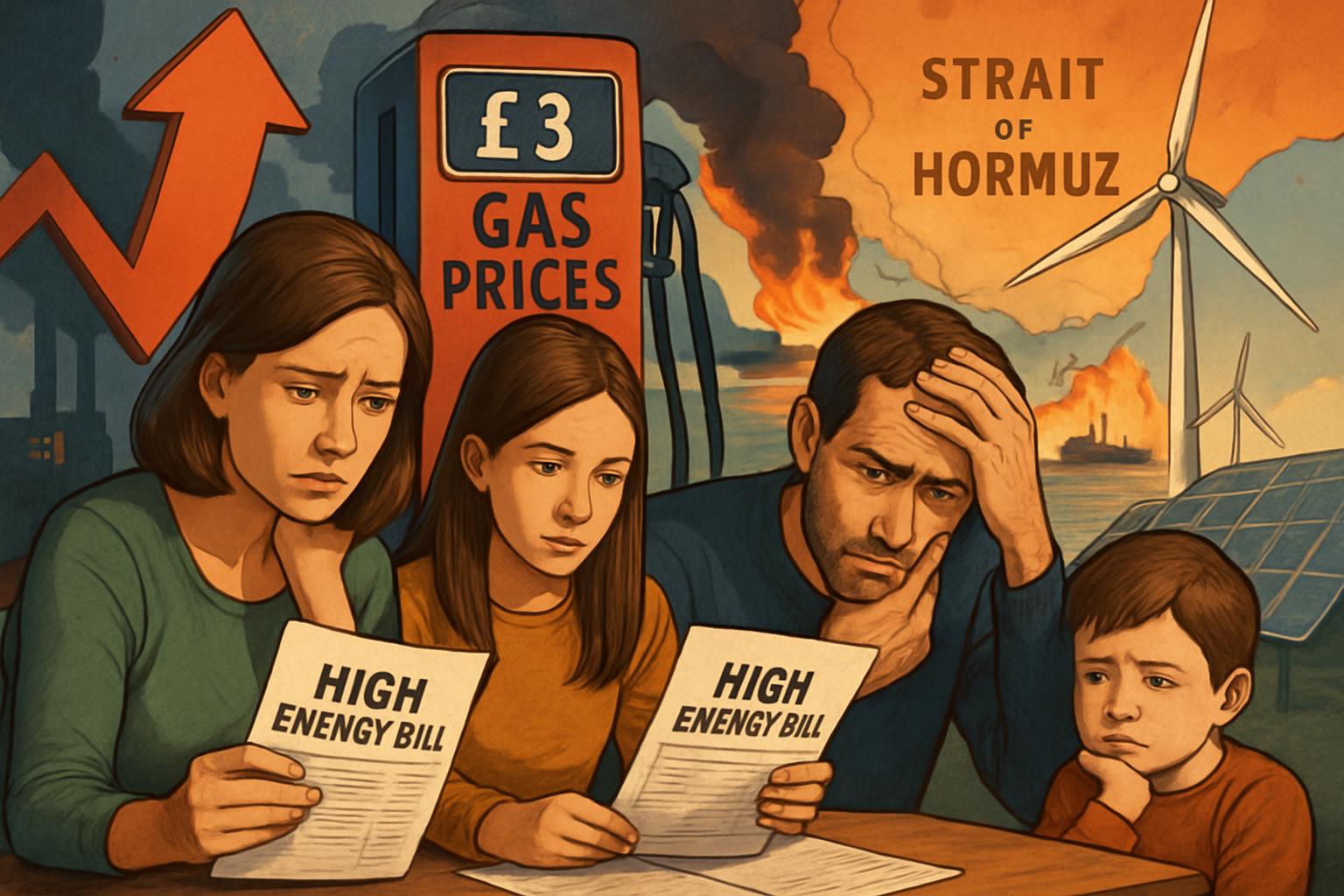
Middle East Conflict Drives UK Energy Prices to New Highs

Labour MP's Husband Arrested in UK-China Espionage Probe
UK Inflation Drops to 3% in January, Sparking Interest Rate Cut Speculation
In This Article
 Daniel Rivera| Published
 HIGHLIGHTS
- UK inflation fell to 3% in January 2026, the lowest since March 2025, driven by decreases in petrol, food, and airfare prices.
- Economists predict the Bank of England may cut interest rates in March due to the favorable inflation outlook.
- Chancellor Rachel Reeves emphasized budget measures aimed at reducing the cost of living, though some effects are expected in April.
- Core inflation also decreased, with goods and services inflation showing a downward trend.
- The Conservative Party criticized Labour's economic management, citing ongoing economic challenges despite the inflation drop.
The United Kingdom's inflation rate fell to 3% in January 2026, marking its lowest level since March 2025, according to the Office for National Statistics (ONS). This decline, attributed to lower petrol, food, and airfare prices, has fueled expectations of an imminent interest rate cut by the Bank of England.
Economic Indicators and Inflation Drivers
The ONS reported that the average petrol price dropped by 3.1 pence per litre between December 2025 and January 2026, contributing significantly to the inflation decrease. Food prices, particularly for bread, cereals, and meat, also saw reductions, easing the cost of living for households. Grant Fitzner, ONS chief economist, noted that while inflation has fallen, prices are still rising, albeit at a slower pace.
Political Reactions and Economic Plans
Chancellor Rachel Reeves welcomed the inflation drop, highlighting budget measures such as a £150 reduction in energy bills and a freeze on rail fares, though these measures will take effect in April. Reeves stated, "Cutting the cost of living is my number one priority." However, the Conservative Party criticized Labour's economic management, with Shadow Chancellor Mel Stride arguing that families continue to feel economic pressures.
Core Inflation and Economic Outlook
Core inflation, which excludes volatile items like energy and food, also fell, indicating a broader easing of price pressures. Derrick Dunne, CEO of YOU Asset Management, described this as a crucial development that could prompt the Bank of England to cut interest rates. Economists anticipate further inflation declines, aligning with the government's target of 2%.
WHAT THIS MIGHT MEAN
The recent drop in inflation has increased the likelihood of the Bank of England reducing interest rates, potentially as early as March. Such a move could stimulate economic growth, which has been sluggish, with GDP expanding by only 0.1% in the last quarter of 2025. However, the political landscape remains contentious, with ongoing debates over economic strategies and their impact on households. As inflationary pressures ease, the focus may shift to addressing unemployment and fostering sustainable growth.
Related Articles
Trump Raises Import Tariffs to 15% After Supreme Court Setback
UK Achieves Record Budget Surplus Amid Calls for Fiscal Policy Reform
UK Government to Reform Asylum Seeker Support and Employment Policies
Breakthrough Drug Offers Hope for Children with Severe Epilepsy
Middle East Conflict Drives UK Energy Prices to New Highs
Labour MP's Husband Arrested in UK-China Espionage Probe